Iceberg of Phobias

A dizzying descent through the strangest fears of the human mind, from common phobias to terrors that defy logic.

13 уровни58 записи12 мин чтения
Iceberg of Phobias
Нажмите для увеличения

Нажмите для увеличения

Этот айсберг пока отображается на испанском языке, перевод готовятся.

1

Surface

0 meters

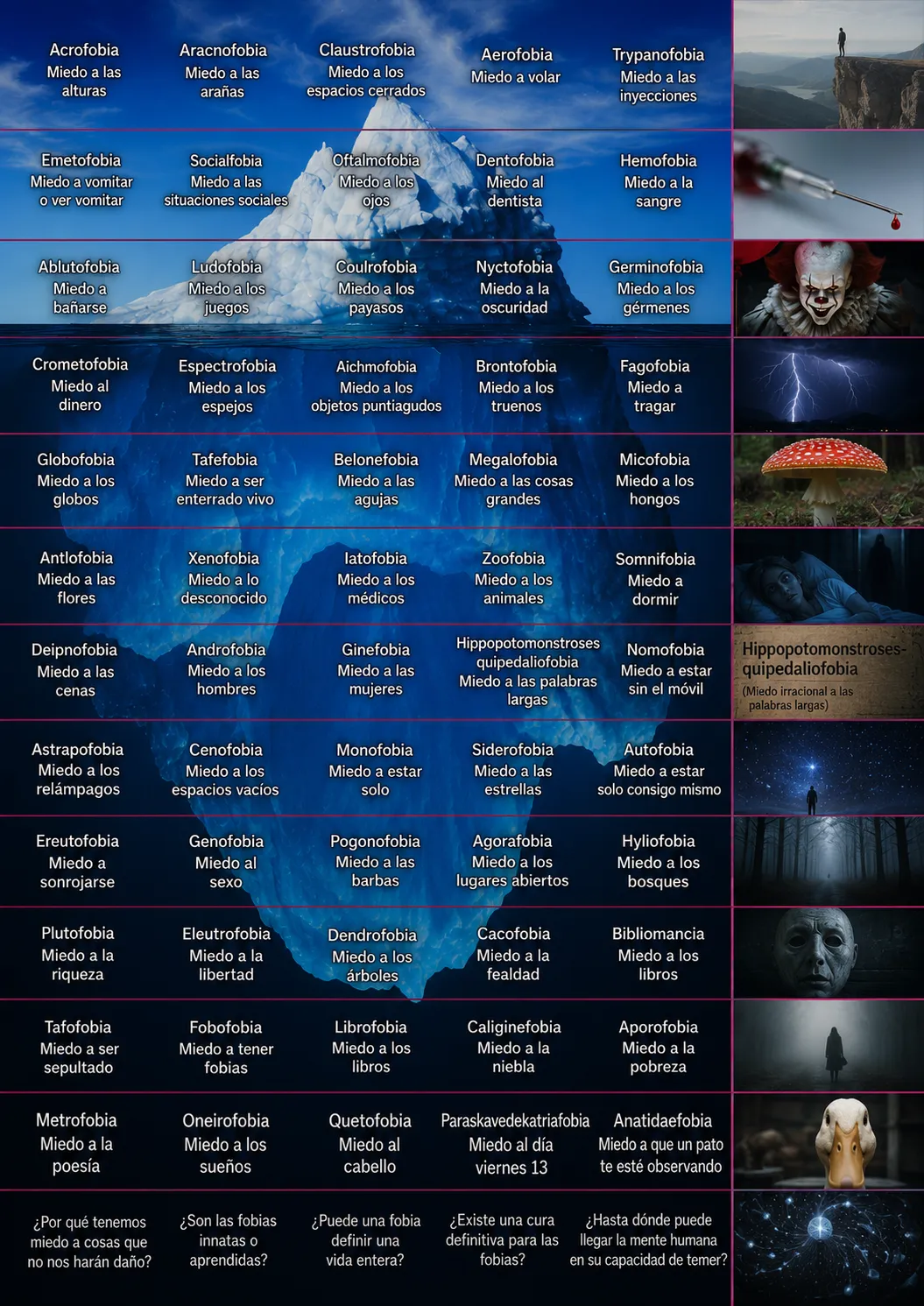
The fears we all recognize, the phobias we name without shame.

Acrophobia

Fear of heights.

Acrophobia affects 5% of the world's population and is one of the most common phobias. It is not just fear of falling, but a disproportionate panic response to any height, even in completely safe environments.

Vertigo is not fear of falling; it is fear of jumping.

Acrophobia

Arachnophobia

Fear of spiders.

Arachnophobia is the world's most prevalent specific phobia. Interestingly, most sufferers have never had a negative encounter with a spider. It is an evolutionary fear inherited from our ancestors, hardcoded into DNA as a survival mechanism.

50% of women and 10% of men suffer from it.

Arachnophobia

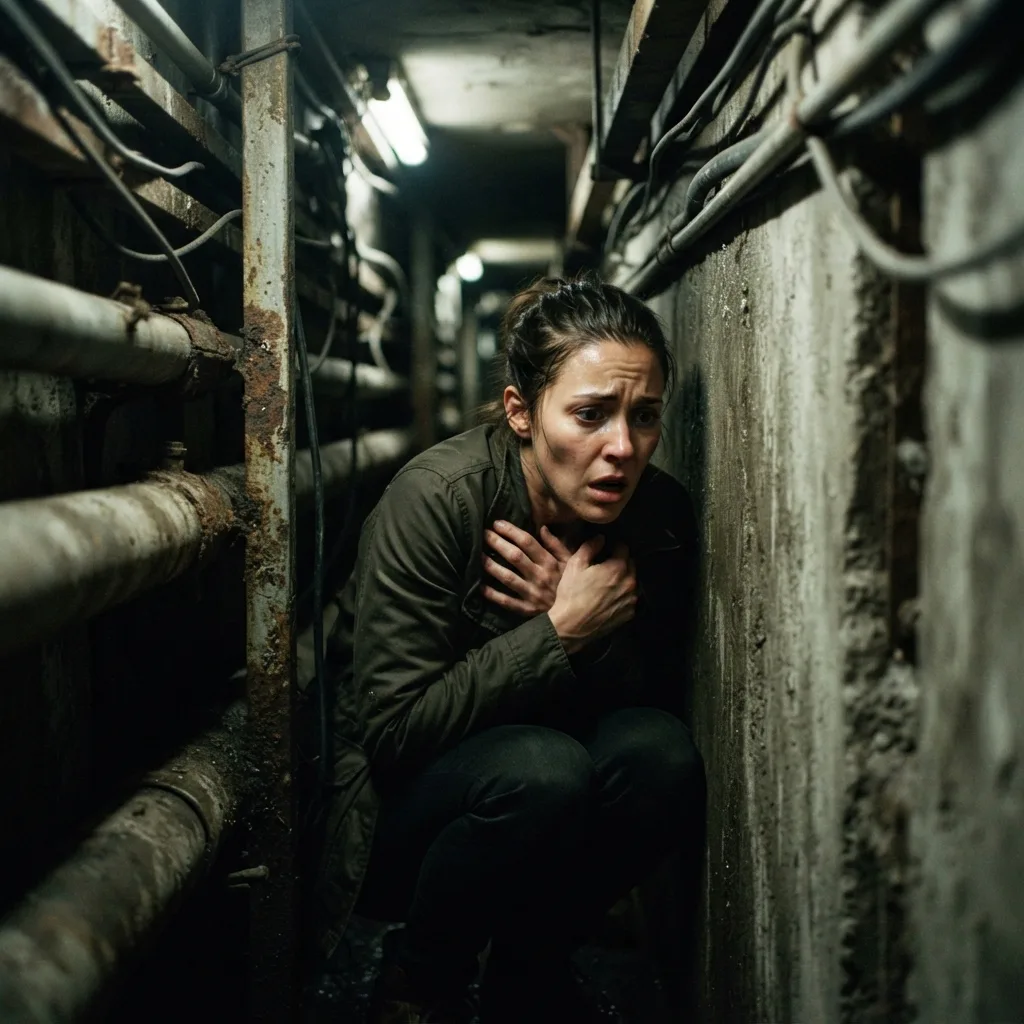
Claustrophobia

Fear of enclosed spaces.

Affecting approximately 7-10% of the population, claustrophobia is not mere discomfort in small rooms, but an acute panic response with racing heartbeat, sweating, and suffocation sensations.

Four walls can turn into a mental prison.

Claustrophobia

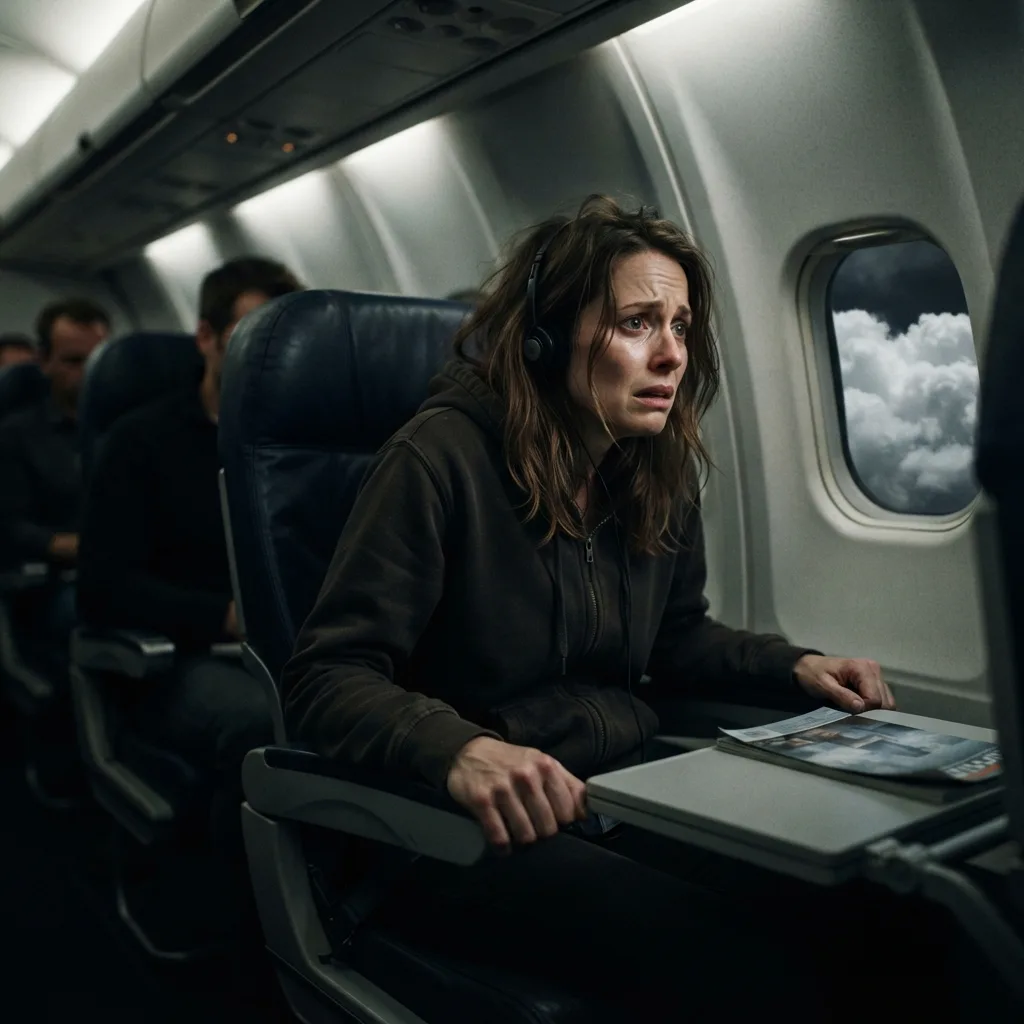
Aerophobia

Fear of flying.

Aerophobia affects millions who avoid air travel or require heavy sedation to fly. It is irrational given that flying is statistically the safest form of travel, but the brain cannot distinguish between real and perceived danger.

Entrusting your life to tons of metal 30,000 feet up.

Aerophobia

Trypanophobia

Fear of medical injections.

Trypanophobia is so intense it can trigger actual fainting due to a sudden drop in blood pressure. Affecting 10% of adults, it poses a public health challenge by causing people to avoid essential medical care.

A needle can trigger vasovagal syncope.

Trypanophobia

But beneath the familiar, more specific terrors lurk.

2

Twilight

500 meters

Phobias that interfere with daily life, fears that embarrass us.

Emetophobia

Fear of vomiting or seeing others vomit.

Emetophobia is crippling: sufferers avoid restaurants, travel, alcohol, and pregnancy to escape any chance of vomiting. It frequently leads to severe eating disorders and social isolation.

Fear of vomiting dictates every meal, trip, and moment.

Emetophobia

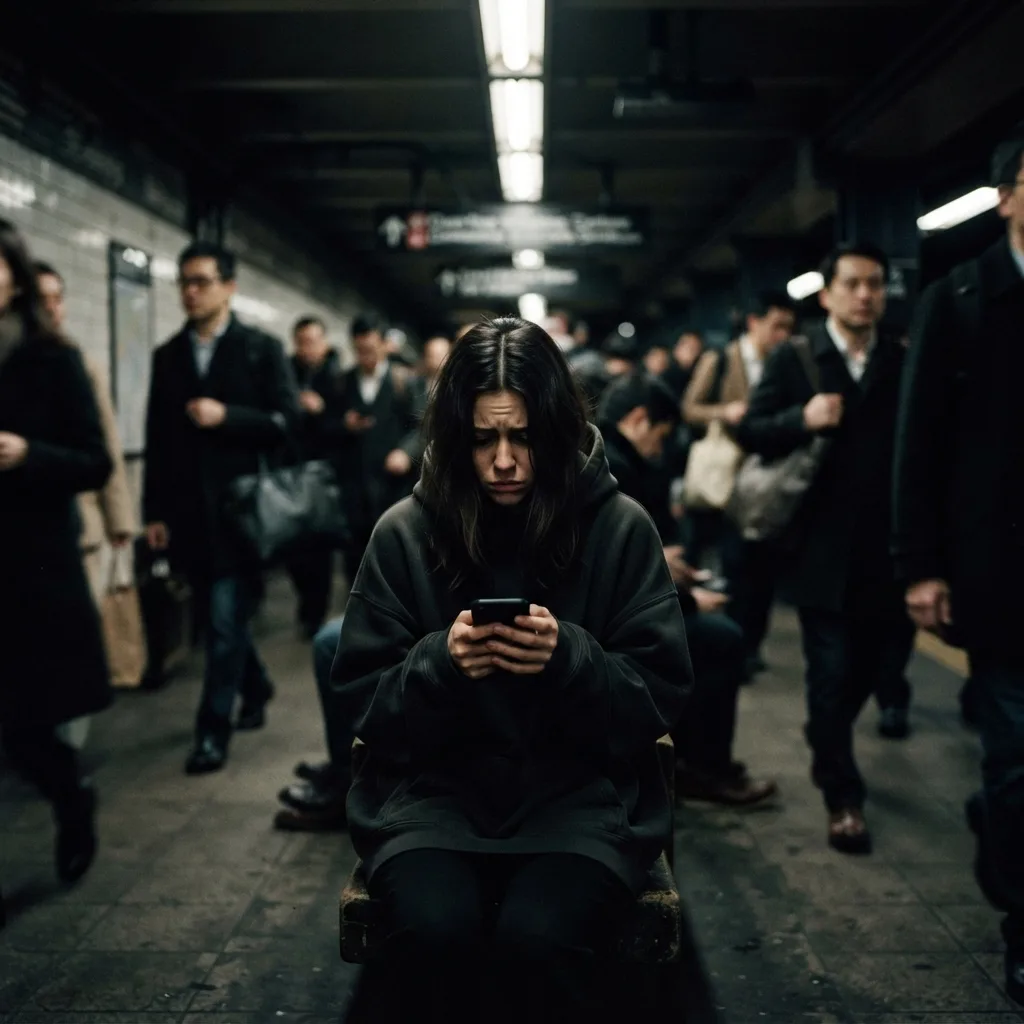
Social Phobia

Fear of social situations.

Social anxiety disorder affects 7% of the global population. It is not shyness, but a paralyzing terror of scrutiny and judgment by others that can lead to complete isolation.

Every interaction is a trial, every glance a sentence.

Social Phobia

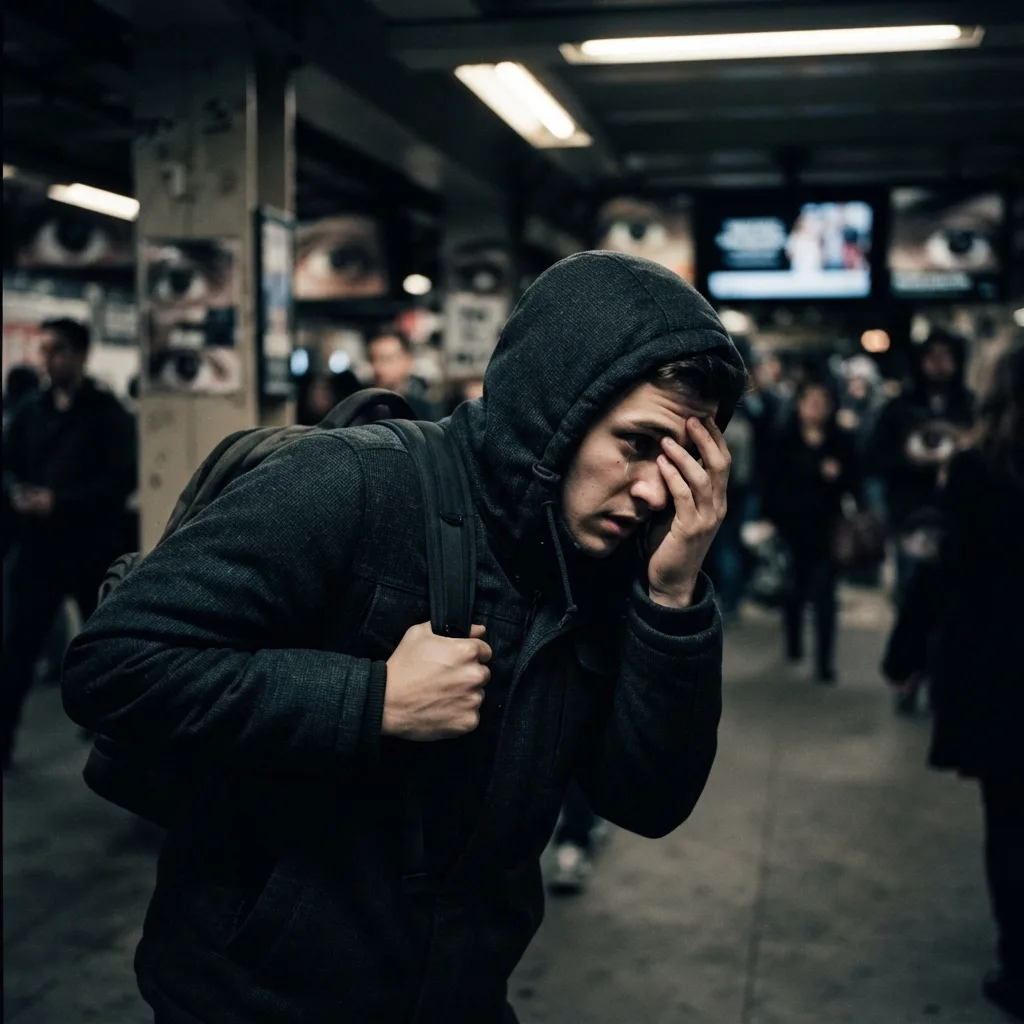
Ophthalmophobia

Fear of eyes and eye contact.

An irrational fear of eyes—whether one's own or those of others. Sufferers panic when making eye contact, looking at eye photos, or sensing they are being watched.

Eye contact becomes psychological torture.

Ophthalmophobia

Dentophobia

Fear of the dentist.

Odontophobia or dentophobia affects 36% of people. Fear of pain, loss of control, and needles combine to cause long-term avoidance of dental care, resulting in severe health issues.

The sound of the drill triggers immediate panic attacks.

Dentophobia

Hemophobia

Fear of blood.

Hemophobia is unique because it causes a vasovagal response with a sharp blood pressure drop, leading to fainting. It affects 3-4% of the population.

The sight of blood triggers instant fainting.

Hemophobia

Shame mingles with terror.

3

Twilight Zone

1,200 meters

Fears that seem irrational until you experience them firsthand.

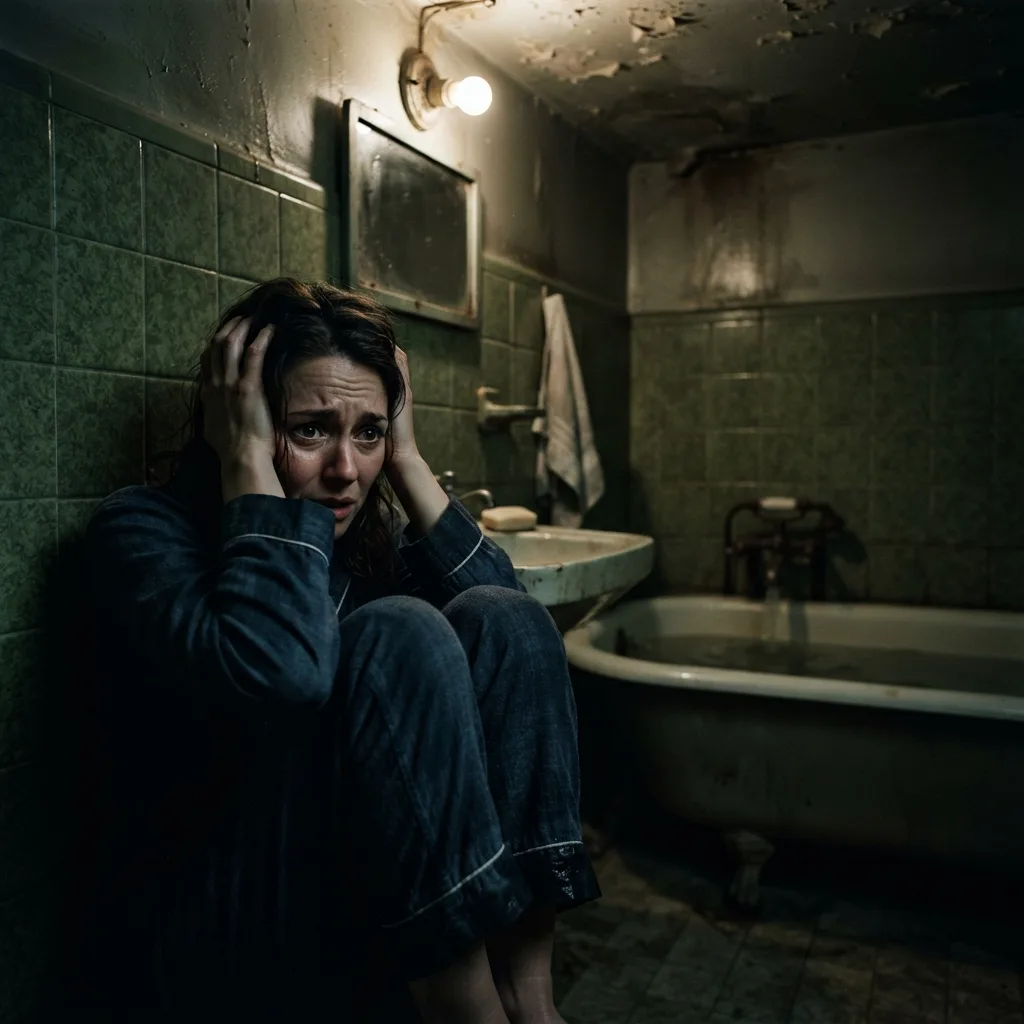
Ablutophobia

Fear of bathing or washing.

Ablutophobia involves intense dread of bathing, washing, or getting wet. It can cause severe health complications and social isolation due to hygiene challenges.

Water cleanses the body but not the fear.

Ablutophobia

Ludophobia

Fear of games and playing.

An irrational fear of board games, sports, or recreational play. Sufferers experience dread in amusement parks or social game nights.

Other people's fun is your torture.

Ludophobia

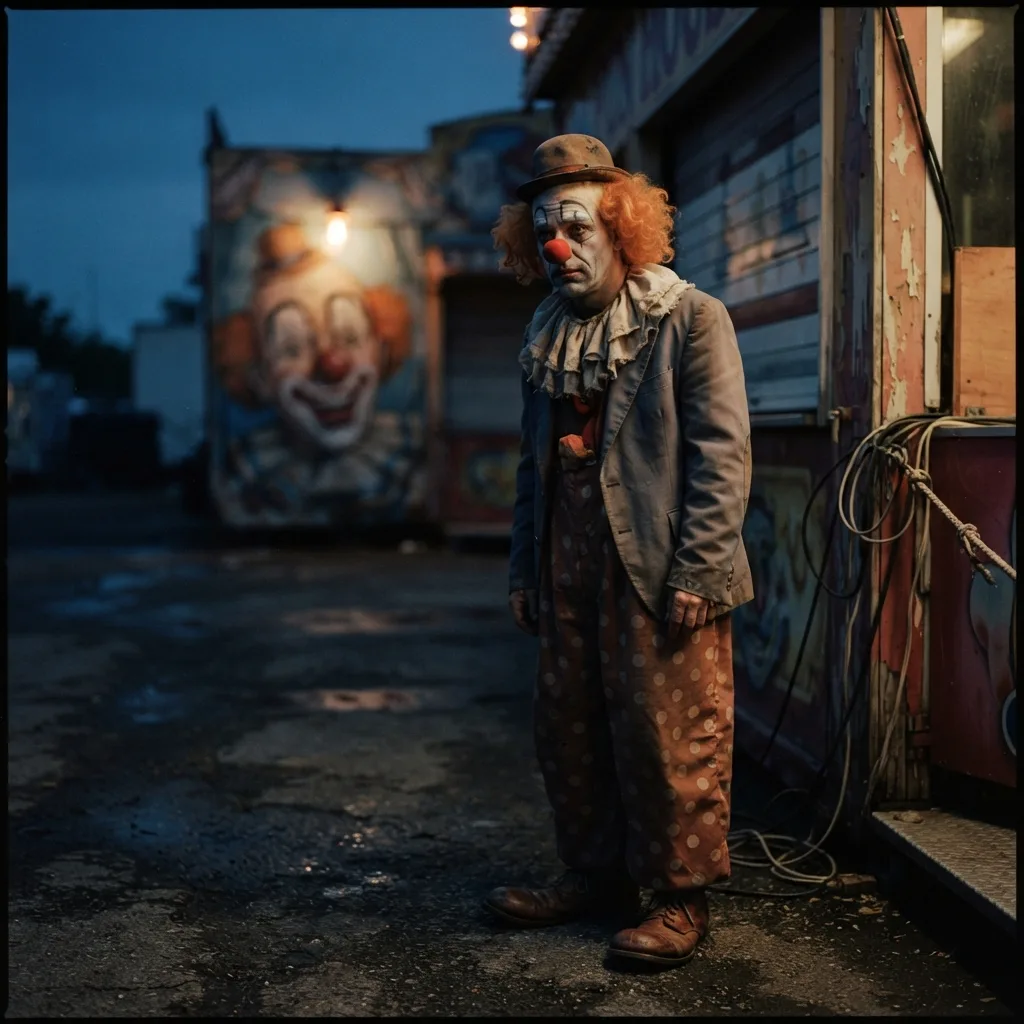
Coulrophobia

Fear of clowns.

Coulrophobia affects millions. The forced smile, heavy makeup concealing genuine expressions, and unpredictable behavior trigger deep instinctual dread.

The painted smile hides something sinister.

Coulrophobia

Nyctophobia

Fear of the dark.

Nyctophobia persists in 11% of adults. It is not fear of light absence, but terror of the unseen dangers hidden in the dark, causing insomnia.

It's not the darkness you fear; it's what lurks inside.

Nyctophobia

Mysophobia / Germaphobia

Fear of germs and contamination.

Mysophobia drives compulsive cleaning rituals and extreme avoidance of physical contact, often blurring into obsessive-compulsive disorder.

Every surface is an invisible battlefield.

Mysophobia / Germaphobia

The line between rational and irrational blurs.

4

Mid Depths

2,000 meters

Phobias defying everyday logic, fears of mundane objects.

Chrometophobia

Fear of money.

Irrational fear of money, spending, or handling currency. Sufferers dread financial responsibility or physical contamination from bills.

The paper that moves the world paralyzes you.

Chrometophobia

Spectrophobia

Fear of mirrors and reflections.

Dread of mirrors and seeing one's reflection, often rooted in fears that the reflection will move independently or reveal hidden entities.

Your reflection watches you back.

Spectrophobia

Aichmophobia

Fear of sharp or pointed objects.

Extreme fear of sharp items like scissors, knives, or pencils, severely limiting everyday activities like cooking or crafting.

Needles, knives, pencils—all are threats.

Aichmophobia

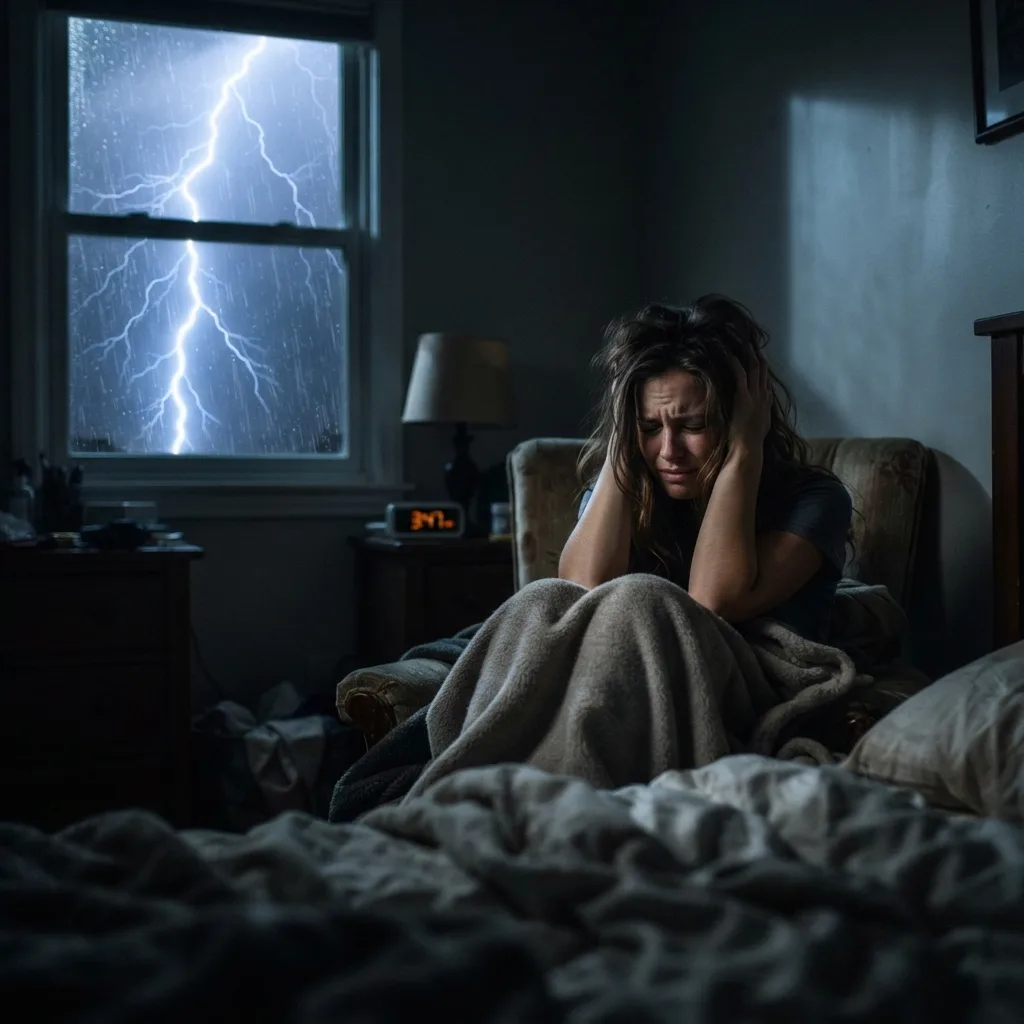
Brontophobia

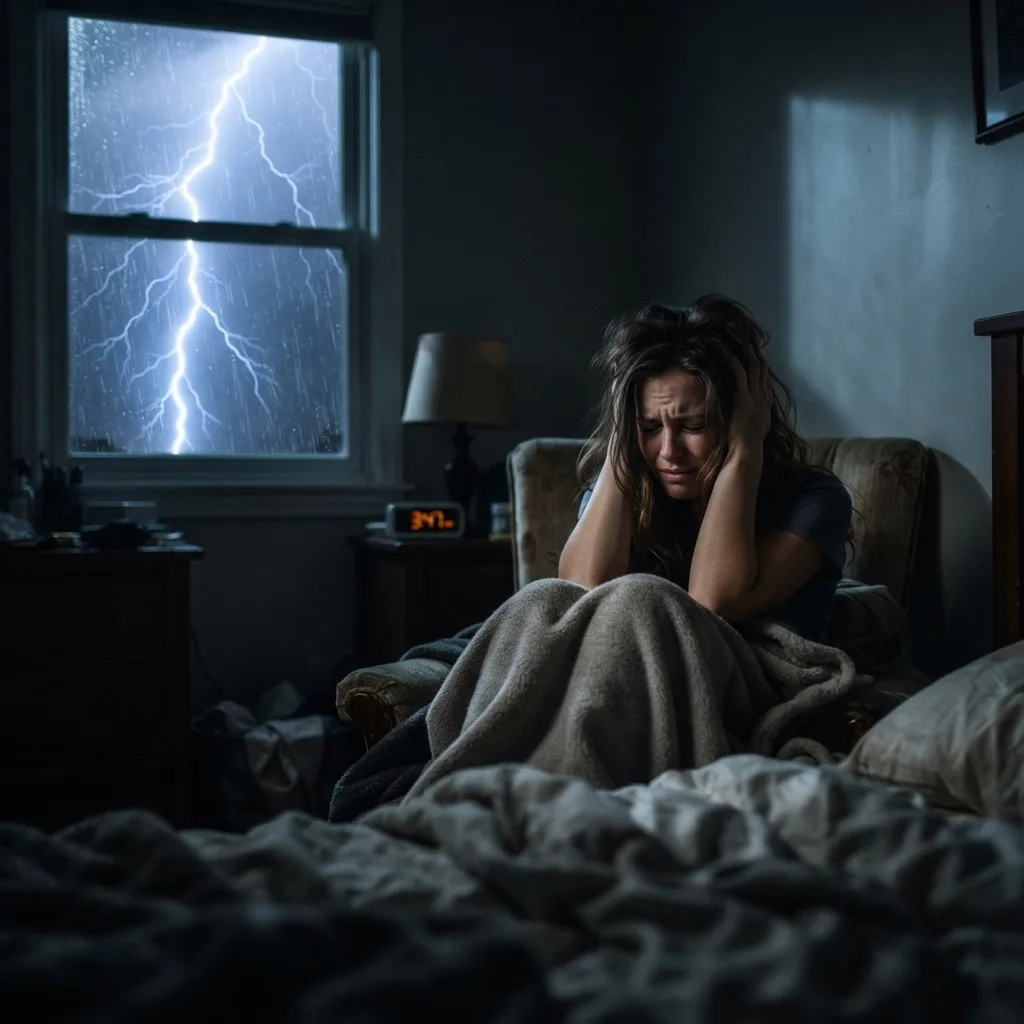
Fear of thunder and lightning storms.

Severe fear of thunderstorms, causing panic attacks, hiding in windowless rooms, or relying on anti-anxiety medication during storms.

The sky roars and you freeze in terror.

Brontophobia

Phagophobia

Fear of swallowing.

Psychological inability to swallow food or liquid, often leading to rapid weight loss and severe malnutrition.

The most natural act becomes impossible.

Phagophobia

The ordinary becomes threatening.

5

Deep Twilight Zone

3,500 meters

Harmless everyday objects turning into nightmares.

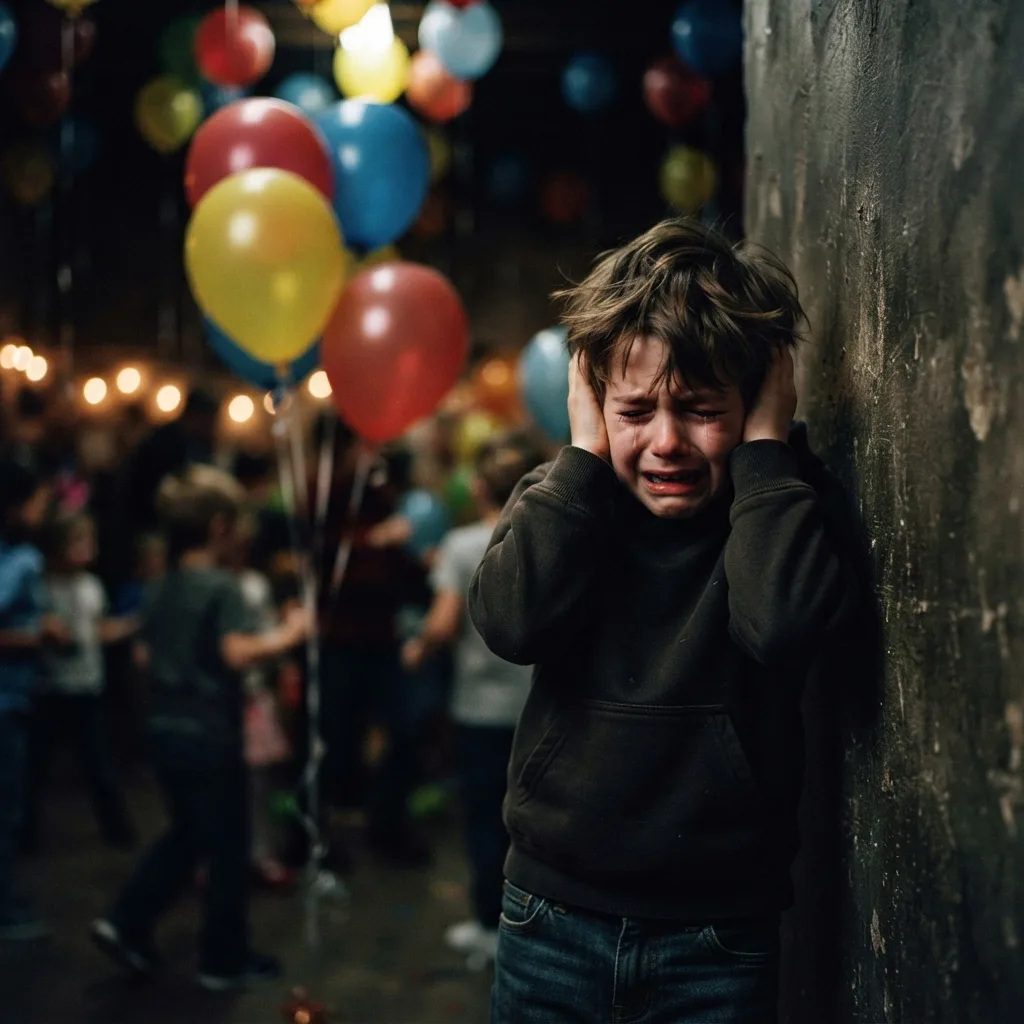
Globophobia

Fear of balloons.

Fear of balloons, particularly the sudden pop or squeaking texture, causing sufferers to avoid parties or celebrations.

The sound of a popping balloon triggers panic.

Globophobia

Taphophobia

Fear of being buried alive.

Widespread in the 19th century when medical death declarations were imprecise. Today it manifests as claustrophobia of coffins.

Awakening underground is the ultimate nightmare.

Taphophobia

Belonephobia

Fear of needles and pins.

Broader than trypanophobia: fear of sewing needles, thorns, or medical pins, preventing activities like sewing or gardening.

A metallic point can paralyze you.

Belonephobia

Megalophobia

Fear of large objects.

Dread of massive structures, colossal statues, mountains, or giant ships, triggering severe vertigo and panic attacks.

Immensity crushes you.

Megalophobia

Mycophobia

Fear of mushrooms and fungi.

Irrational aversion to mushrooms, mold, and fungi, avoiding eating, touching, or looking at fungal growths.

What grows in the dark terrifies you.

Mycophobia

Innocence is corrupted.

6

Upper Abyssal Zone

5,000 meters

Fears of nature, the unknown, and the inevitable.

Anthophobia

Fear of flowers.

Fear of flowers, pollen, or the insects they attract, making social events involving bouquets a source of distress.

Beauty becomes a threat.

Anthophobia

Xenophobia (Clinical)

Fear of the unknown or foreign.

As a clinical phobia, it is an intense anxiety response to unfamiliar people, places, or foreign environments.

The unfamiliar is dangerous.

Xenophobia (Clinical)

Iatrophobia

Fear of doctors and medical staff.

Extreme dread of doctors and medical environments, leading to avoidance of essential checkups and health emergencies.

The ones who heal you are the ones you fear most.

Iatrophobia

Zoophobia

Fear of animals in general.

Generalized fear of all animals rather than a specific species, causing severe restriction of outdoor activities.

Every creature is a potential threat.

Zoophobia

Somniphobia

Fear of falling asleep.

Dread of sleep due to fear of nightmares, losing control, or not waking up, causing chronic insomnia and exhaustion.

Closing your eyes is losing control.

Somniphobia

Nature itself turns hostile.

7

Mid Abyssal Zone

7,000 meters

Social and existential phobias, fears of human interaction.

Deipnophobia

Fear of dining with others.

Fear of formal dinner conversations or eating in front of others, severely restricting social life and work dinners.

The dinner table is your battlefield.

Deipnophobia

Androphobia

Fear of men.

Clinical fear of men, often causing complete avoidance of male interactions in personal and professional spheres.

Half of humanity is your threat.

Androphobia

Gynophobia

Fear of women.

Irrational dread of women, restricting social interactions and relationships.

The opposite sex becomes forbidden territory.

Gynophobia

Hippopotomonstrosesquippedaliophobia

Fear of long words.

Famous for its ironic name, this is the fear of long, complex words, causing anxiety during reading or public speaking.

The name of your phobia is your worst nightmare.

Hippopotomonstrosesquippedaliophobia

Nomophobia

Fear of being without a mobile phone.

Modern phobia involving panic when out of cellular range, low battery, or separated from one's smartphone.

Without signal, you don't exist.

Nomophobia

Solitude and company are equally terrifying.

8

Deep Abyssal Zone

9,000 meters

Cosmic and existential dread, terror of the void.

Astraphobia

Fear of thunderbolts and lightning flashes.

Specific dread of lightning flashes during electrical storms, causing sufferers to hide in windowless rooms.

The flash from the sky paralyzes you.

Astraphobia

Kenophobia

Fear of empty spaces.

Dread of vast, empty rooms or open voids without physical landmarks—an inverse of claustrophobia.

The void swallows you whole.

Kenophobia

Monophobia

Fear of being alone.

Acute panic when left alone or isolated, driving extreme codependency to avoid solitude.

Solitude is your prison.

Monophobia

Siderophobia

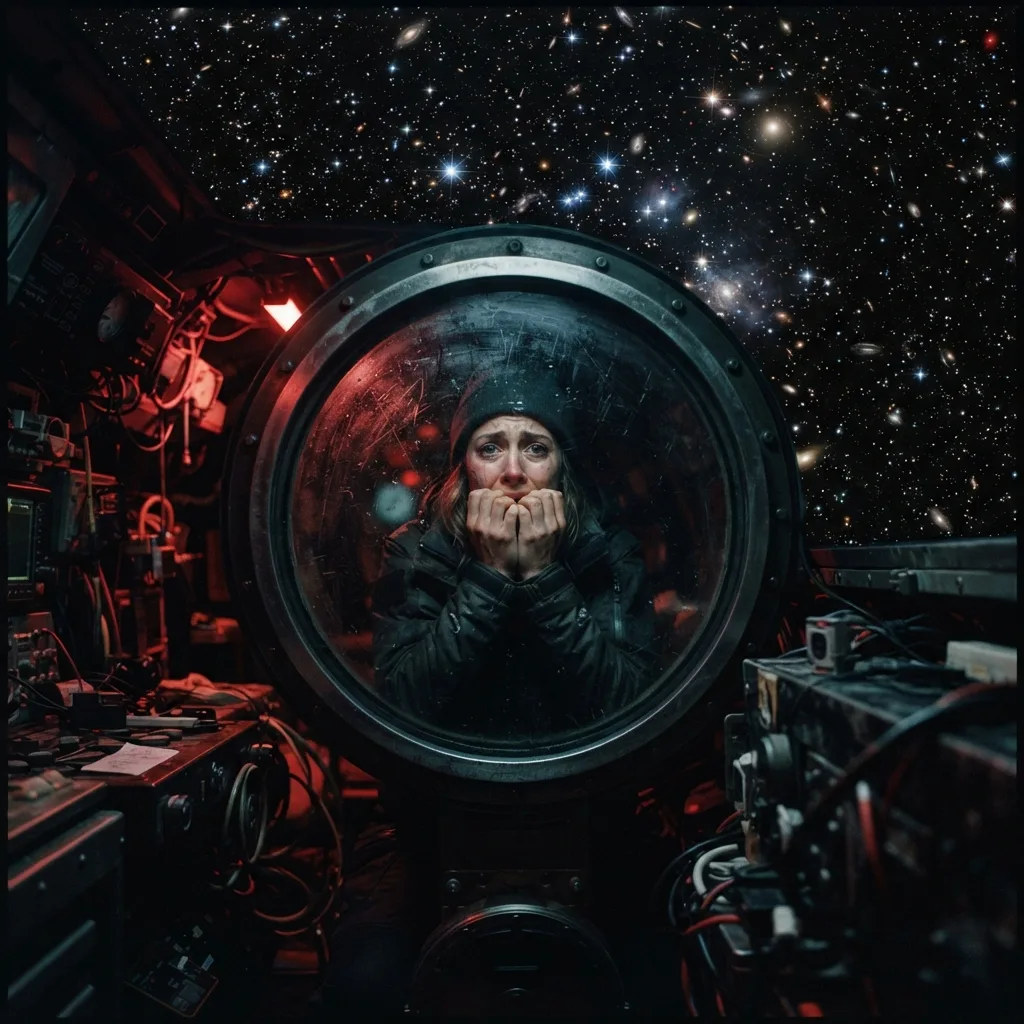
Fear of stars and deep space.

Dread of stars, night skies, and cosmic immensity, bringing on existential panic under the night sky.

The infinite cosmos crushes you.

Siderophobia

Autophobia

Fear of one's own thoughts and self.

Dread of being alone with one's mind, driving constant external distraction to avoid introspection.

Your own company is unbearable.

Autophobia

The universe itself feels menacing.

9

Upper Hadal Zone

11,000 meters

Phobias of identity, the body, and human nature.

Erythrophobia

Fear of blushing in public.

Pathological fear of blushing, creating a self-fulfilling loop where anxiety causes the very blushing feared.

The blush betrays your anxiety.

Erythrophobia

Genophobia

Fear of sexual intimacy.

Panic response to physical intimacy or sexual acts, creating severe relationship barriers.

Intimacy feels like a threat.

Genophobia

Pogonophobia

Fear of beards.

Irrational fear of beards or facial hair, causing distress in social environments.

Facial hair feels threatening.

Pogonophobia

Agoraphobia

Fear of inescapable environments.

Dread of situations where escape might be difficult or embarrassing, often confining sufferers to their homes.

Open space is your cage.

Agoraphobia

Hylophobia

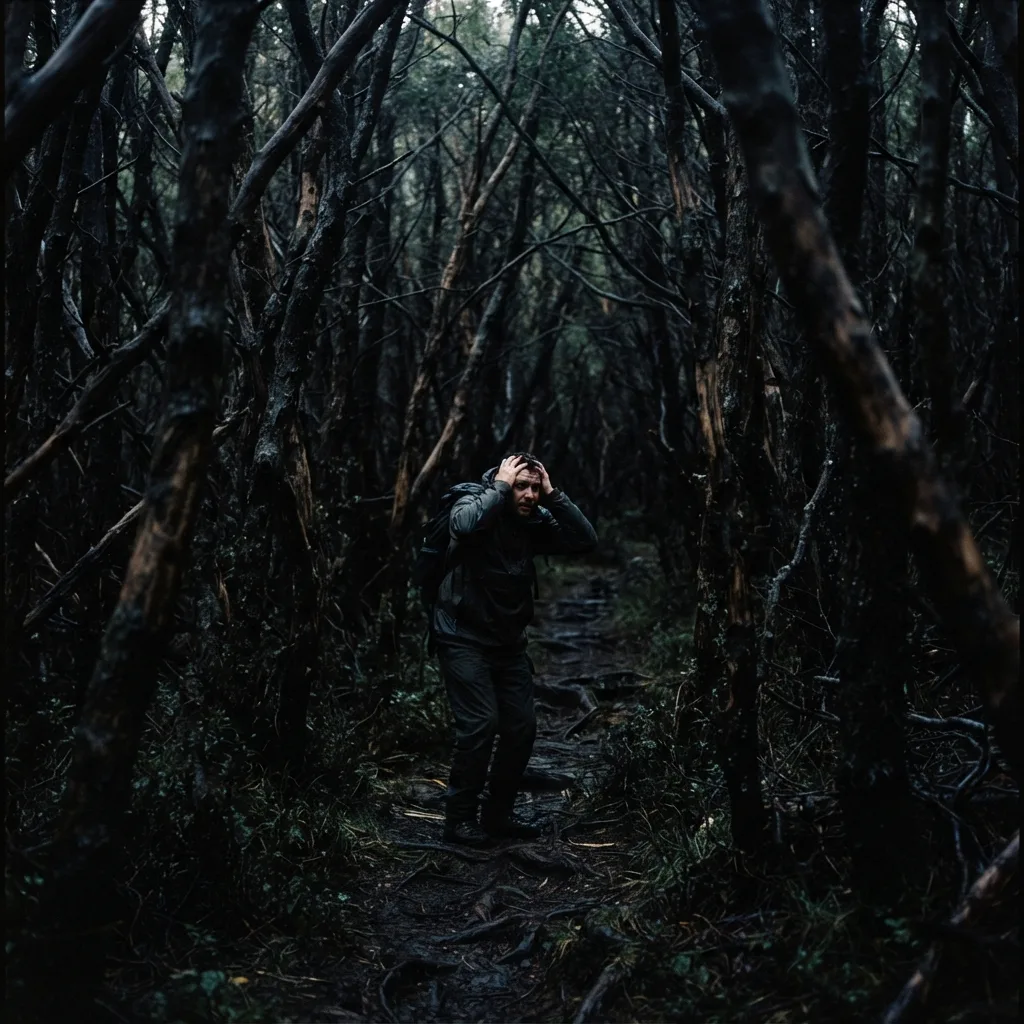
Fear of forests and woods.

Primitive fear of forests, dark woods, and unseen creatures hiding among trees.

The trees are watching you.

Hylophobia

Your own body feels alien.

10

Mid Hadal Zone

13,000 meters

Phobias of abstract concepts and philosophical ideas.

Plutophobia

Fear of wealth.

Unusual dread of acquiring wealth or holding money, stemming from fears of responsibility or moral corruption.

Money corrupts, and you know it.

Plutophobia

Eleutherophobia

Fear of freedom and choice.

Fear of independence and making choices, preferring rigid control over unpredictable freedom.

Freedom is an unbearable burden.

Eleutherophobia

Dendrophobia

Fear of trees.

Specific dread of trees, fearing falling branches or the intimidating scale of ancient trees.

Silent giants looming over you.

Dendrophobia

Cacophobia

Fear of ugliness.

Extreme distress when confronted with physical ugliness or fear of becoming ugly oneself.

Ugliness contaminates.

Cacophobia

Bibliophobia

Fear of books.

Irrational dread of physical books or reading materials.

Written words are dangerous.

Bibliophobia

Ideas themselves become dangerous.

11

Deep Hadal Zone

15,000 meters

Meta-phobias and recursive fears—the fear of fear itself.

Phobophobia

Fear of experiencing fear.

Meta-anxiety where sufferers live in constant dread of experiencing panic or developing new phobias.

The fear of fear is the ultimate terror.

Phobophobia

Aporophobia

Fear of poverty.

Pathological terror of falling into poverty, driving compulsive working and hoarding.

Destitution is your inevitable fate.

Aporophobia

Fear feeds upon itself.

12

The Abyss Zone

17,000 meters

Absurd and hyper-specific phobias that defy comprehension.

Oneirophobia

Fear of dreams.

Dread of dreaming, avoiding sleep to prevent experiencing vivid dream states.

Sleeping means entering your own nightmare.

Oneirophobia

Chaetophobia

Fear of hair.

Irrational fear of loose hair or hair on bodies and objects.

Every strand is a threat.

Chaetophobia

Anatidaephobia

Fear that somewhere, a duck is watching you.

Famous surreal phobia involving the irrational dread that somewhere, somehow, a duck is constantly monitoring you.

Somewhere out there, a duck watches.

Anatidaephobia

The human mind knows no bounds when creating terror.

13

Eternal Abyss

Infinite meters

Questions no phobia can answer.

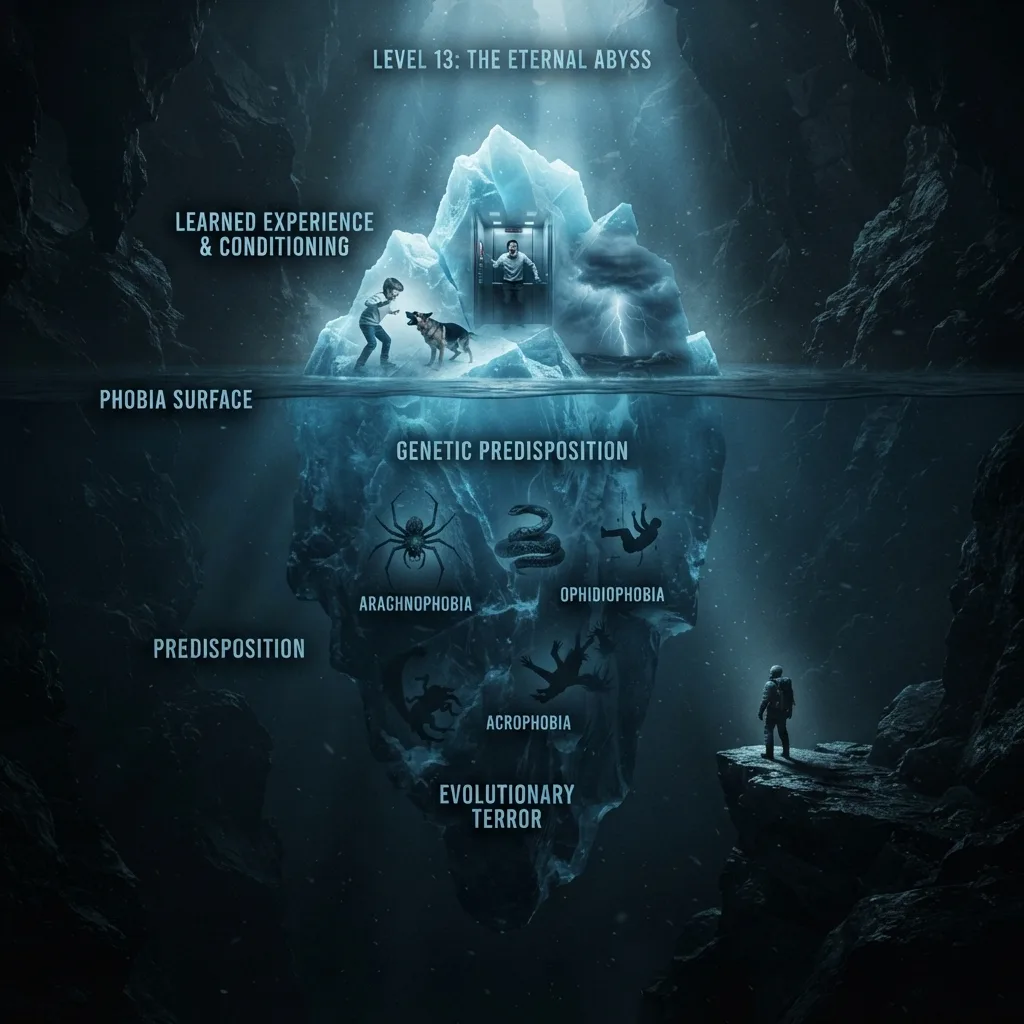
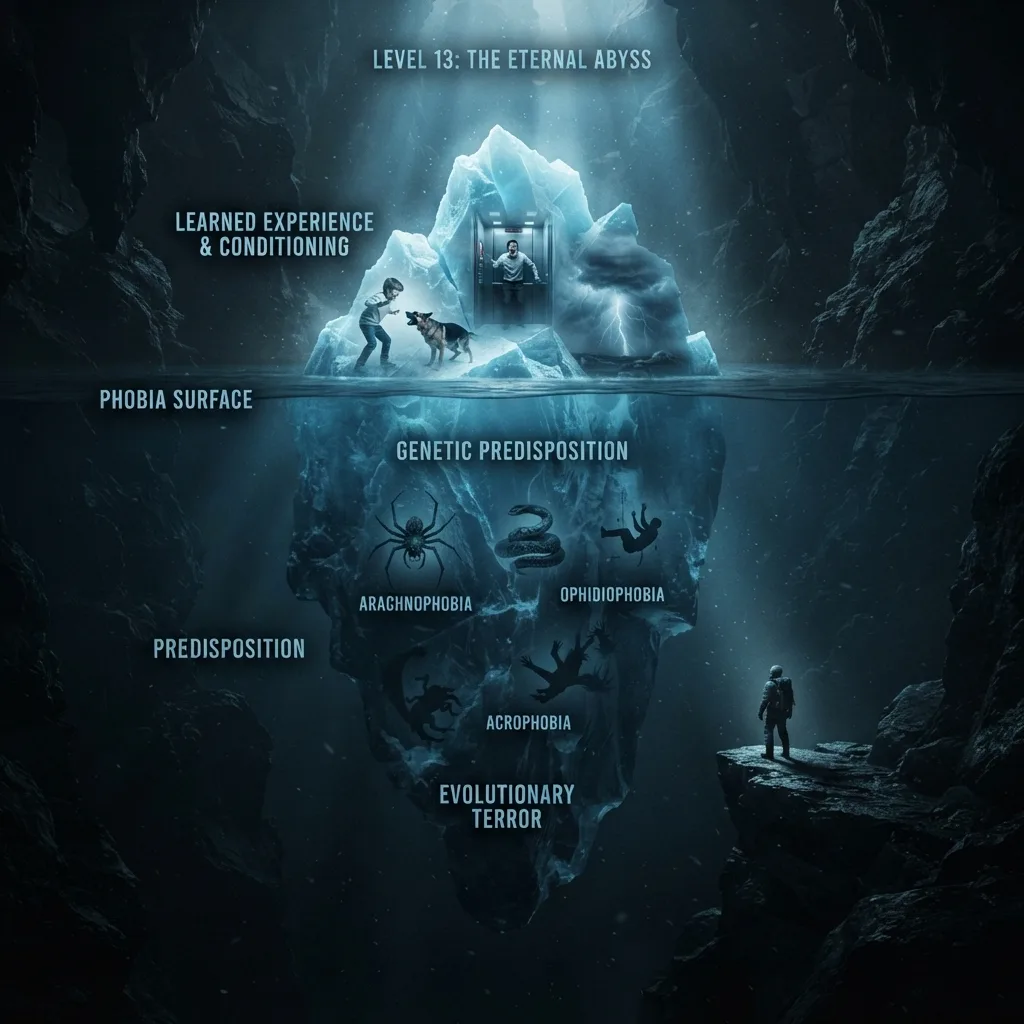
Why do we fear harmless things?

The paradox of irrational fear.

The amygdala triggers survival responses to perceived threats. Irrational fears are false positives in our evolutionary survival programming.

The brain cannot distinguish between real and imagined danger.

Why do we fear harmless things?

Are phobias innate or learned?

Nature versus nurture in terror.

Some fears are evolutionary adaptations; others are conditioned by trauma. Genetics predispose, but experience activates.

Are you born with fear, or do you learn it?

Are phobias innate or learned?

Can a phobia define an entire life?

When fear becomes identity.

Untreated phobias restrict careers, relationships, and freedom, transforming existence into continuous avoidance.

Your phobia turns you into who you are.

Can a phobia define an entire life?

There is no exit, only unanswered questions.

Nivel 1/130 meters