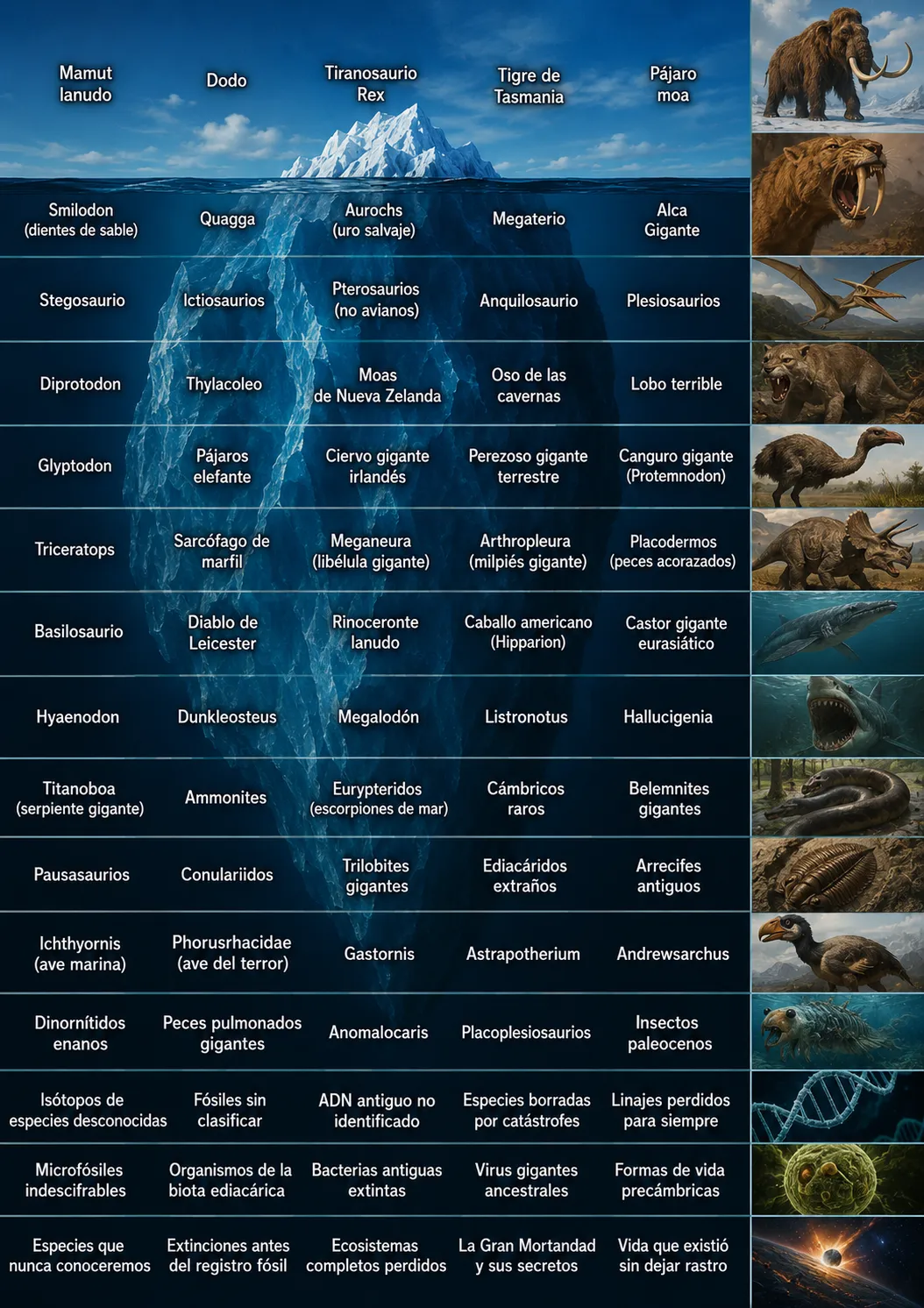
Iceberg of Extinct Species

A descending journey through Earth's lost megafauna, from iconic mammoths to the ancient life forms forgotten by time.

15 levels75 entries19 min read
Iceberg of Extinct Species
Click image to enlarge

Click image to enlarge

1

Surface

0 meters

The giants we know, the extinctions that hurt us.

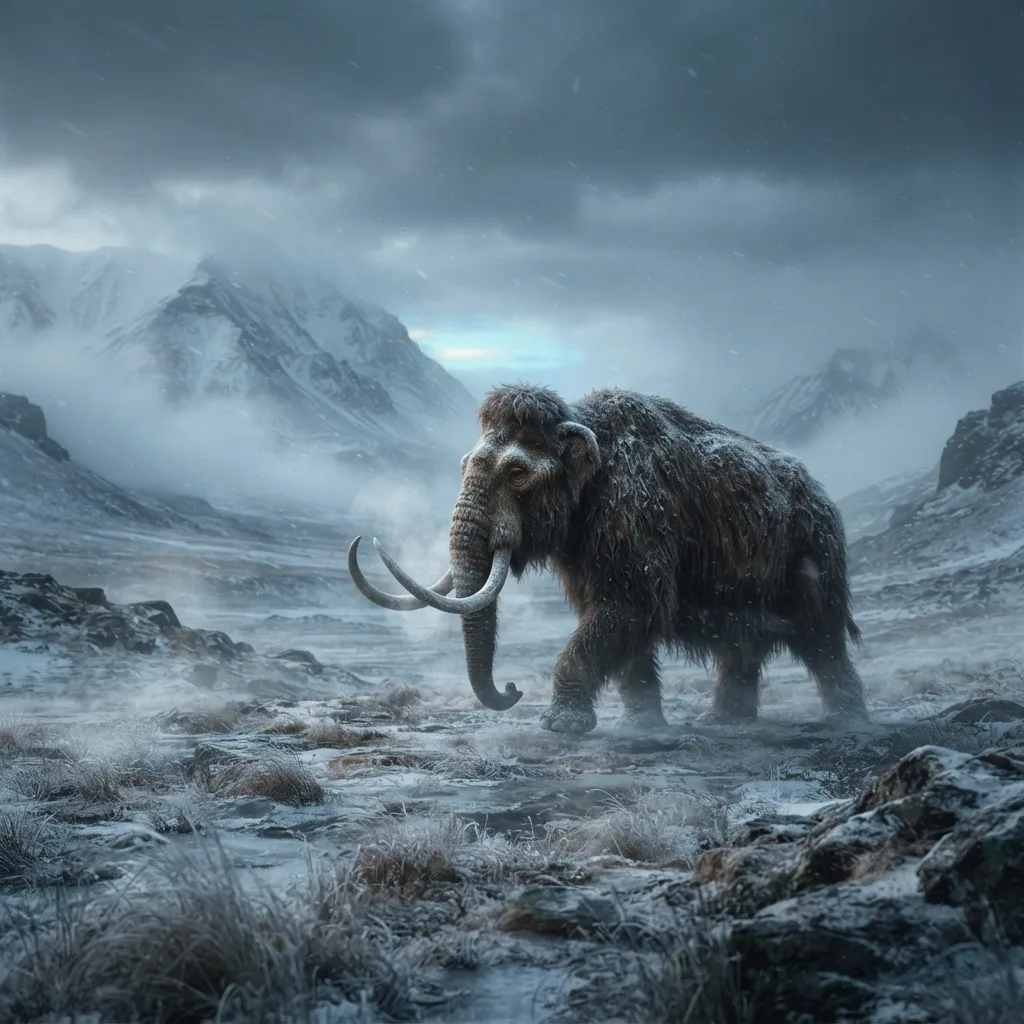
Woolly Mammoth

The Ice Age giant.

The woolly mammoth dominated frozen steppes for 300,000 years until its numbers collapsed 11,000 years ago. The last survivors held out on Wrangel Island in northern Russia until roughly 3,700 years ago. It is the extinct animal we know best: specimens have been found with blood and preserved food in their stomachs.

Its last breath was just 3,700 years ago.

Woolly Mammoth

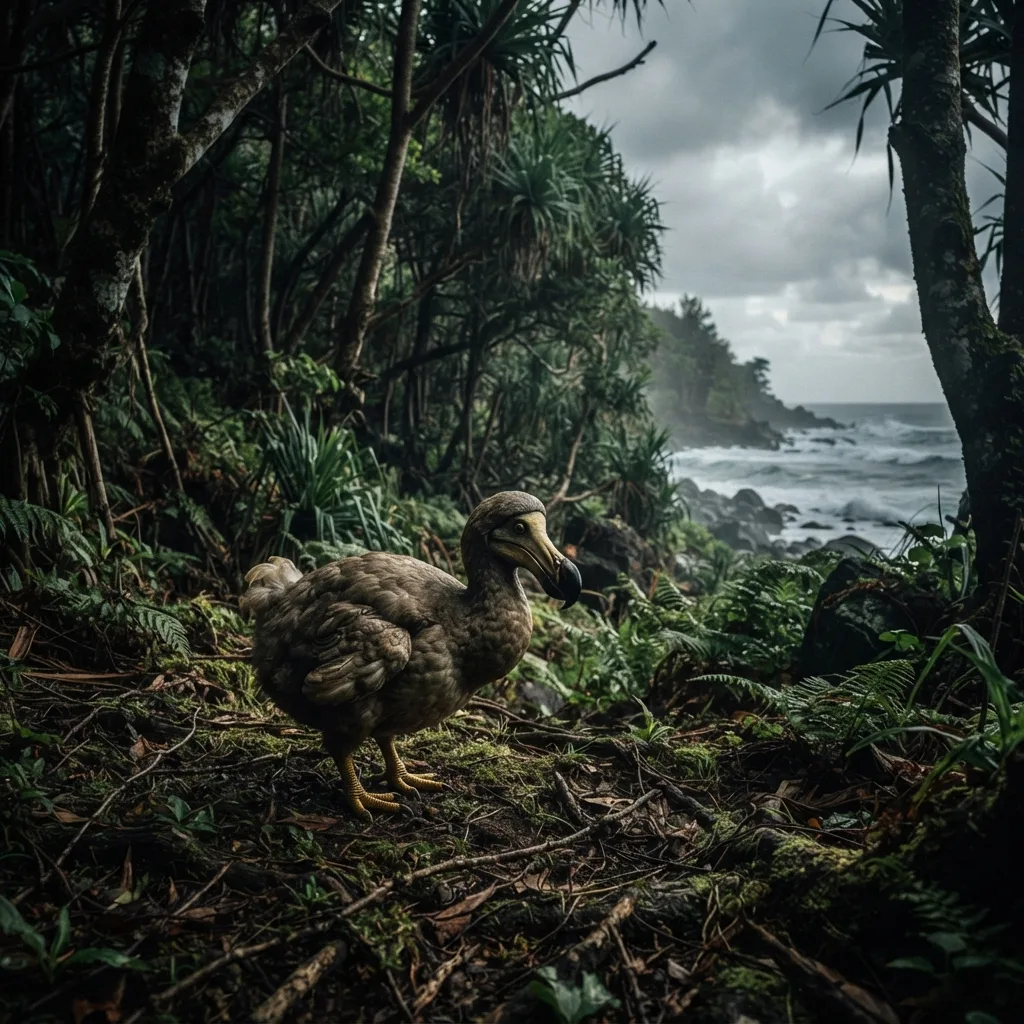
Dodo

The symbol of human-driven extinction.

The dodo inhabited only Mauritius Island in the Indian Ocean and vanished by the late 17th century. It was the first species whose extinction was recorded as a direct result of human activity. It had no natural predators until humans arrived and hunted it to extinction alongside introduced invasive species.

One hundred years was enough to erase it from the Earth.

Dodo

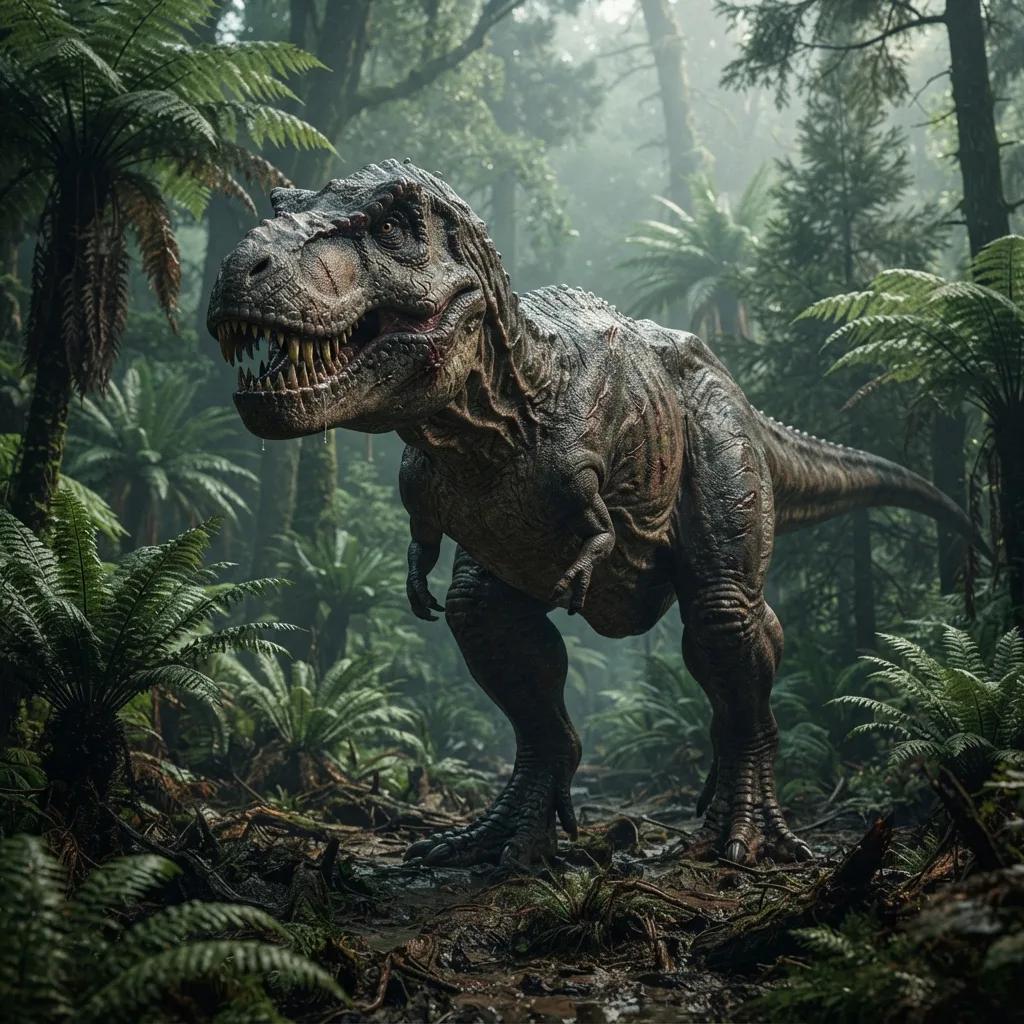
Tyrannosaurus Rex

The king that never died in our imagination.

The most iconic terrestrial predator of all time. Capable of exerting a bite force between 35,000 and 57,000 newtons, T-Rex ruled during the Late Cretaceous. Its image remains burned into popular culture as the ultimate carnivorous dinosaur.

Tyrannosaurus Rex

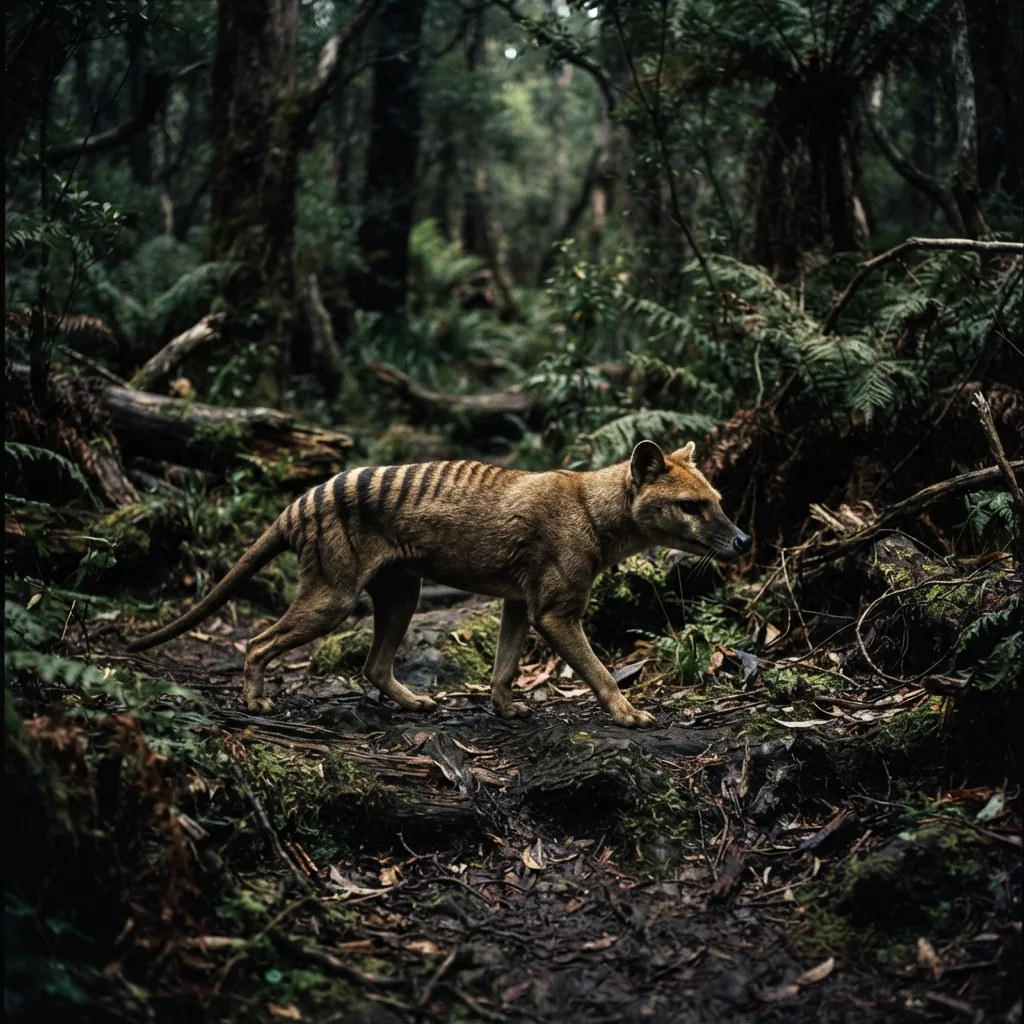
Tasmanian Tiger

The marsupial that lived like a wolf.

The Thylacine, also known as the marsupial wolf, was the last living member of its genus and the largest carnivorous marsupial in modern times. Officially extinct in 1936, its distinctive tiger-like stripes on its back made it an icon of modern human-caused extinctions.

The last specimen died in 1936.

Tasmanian Tiger

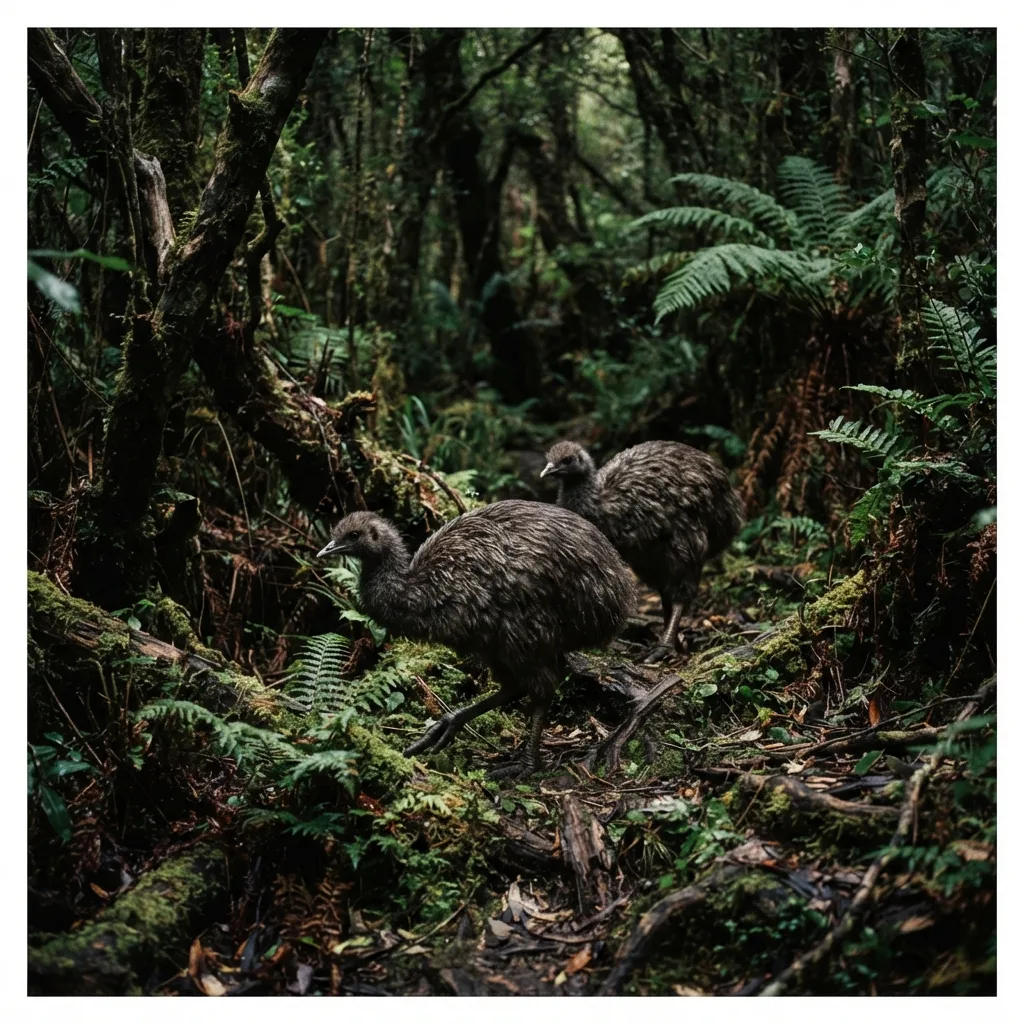
Moa Bird

New Zealand's wingless giants.

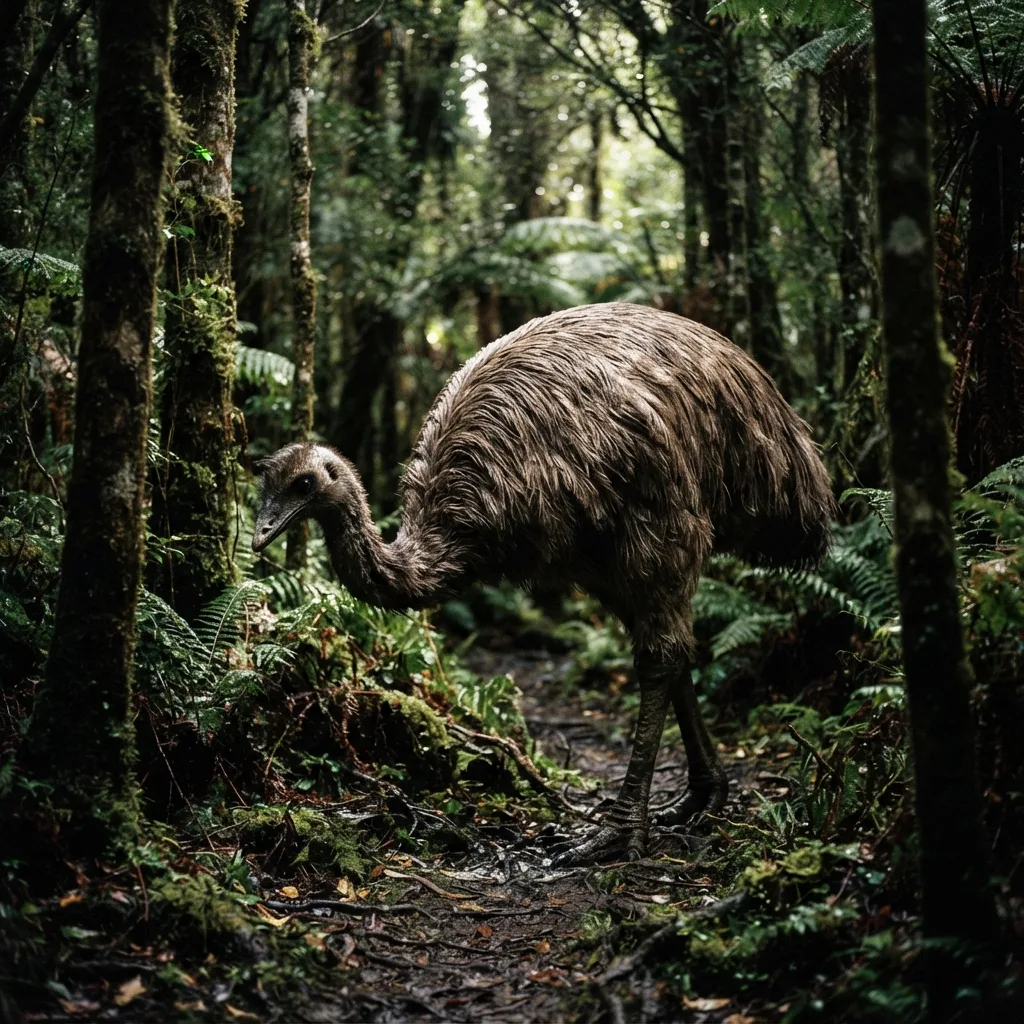
Giant flightless birds reaching up to 3.6 meters in height. They dominated New Zealand forests until the arrival of the Māori, who hunted them to extinction within a few centuries. These herbivores occupied ecological niches held elsewhere by large grazing mammals.

Moa Bird

The light of knowledge fades. Only echoes remain.

2

Twilight Zone

500 meters

Creatures that brushed against human history, witnesses of a bygone world.

Smilodon (Saber-Toothed Cat)

The feline with blade-like teeth.

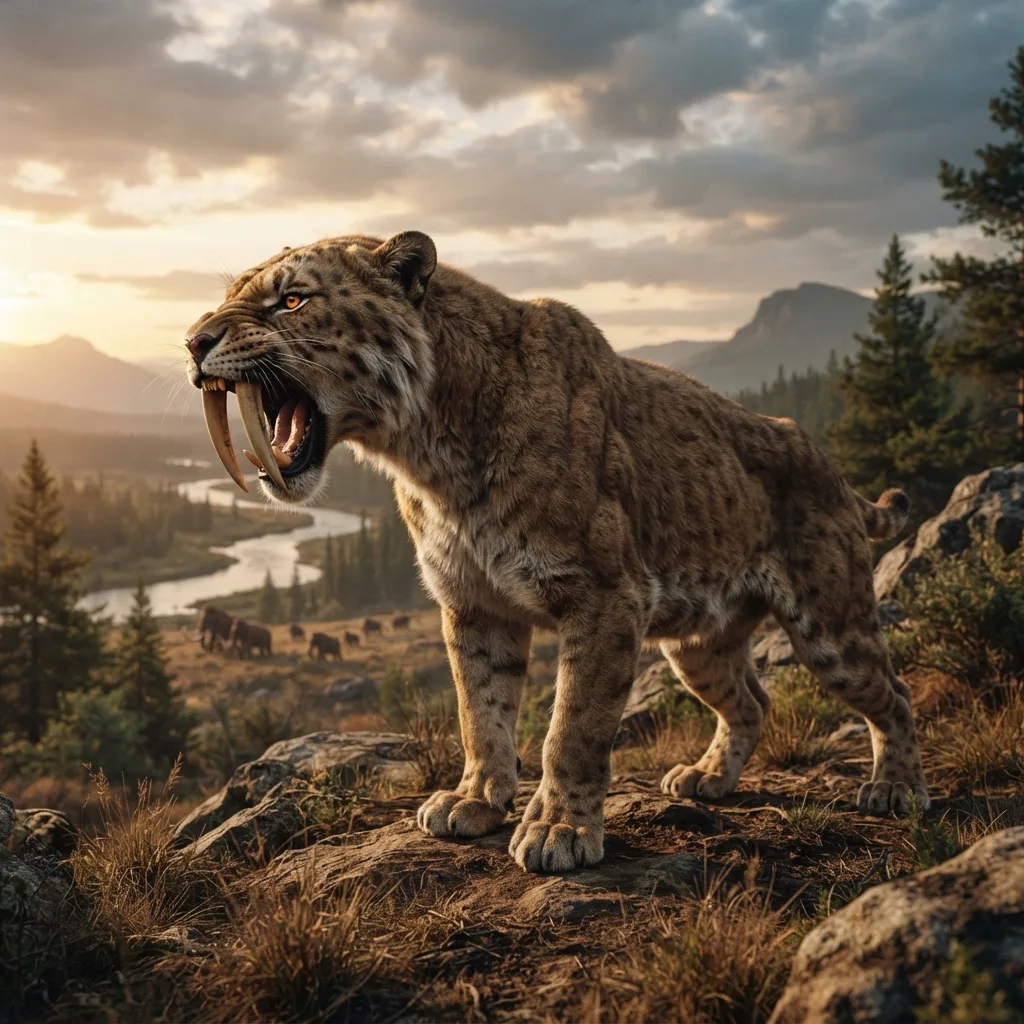
Smilodon fatalis lived from 400,000 years ago until its extinction just 11,000 years ago. A formidable predator with long curved saber teeth that acted as precision knives, its hunting technique relied on powerful muscular force to restrain prey before delivering lethal strikes.

Its fangs could reach up to 28 centimeters long.

Smilodon (Saber-Toothed Cat)

Quagga

The zebra that forgot its stripes.

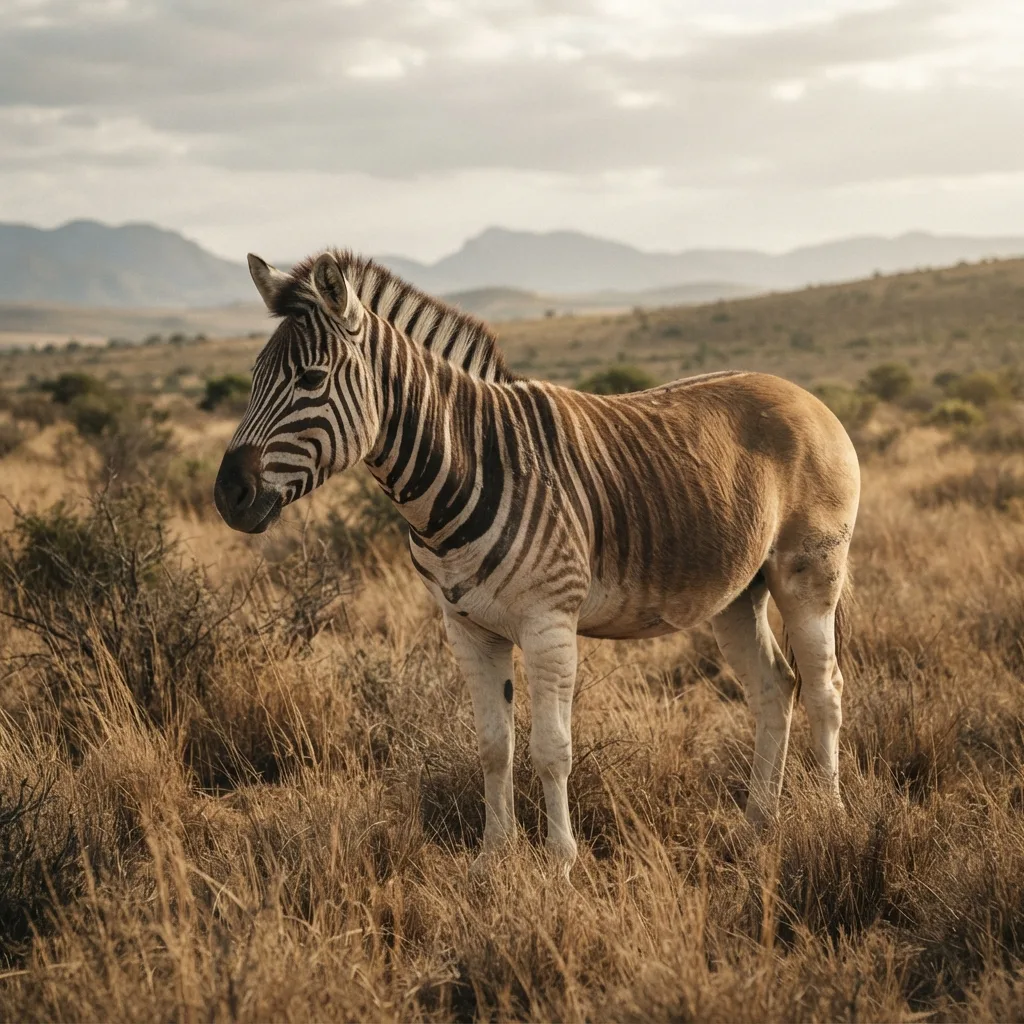
The quagga was the first extinct animal to have its DNA analyzed in 1984, confirming it was a subspecies of the plains zebra. Driven to extinction by overhunting before its uniqueness was fully appreciated, the last captive individual died in an Amsterdam zoo on August 12, 1883.

The last one died in Amsterdam in 1883.

Quagga

Aurochs (Wild Cattle)

The wild ancestors of modern cattle.

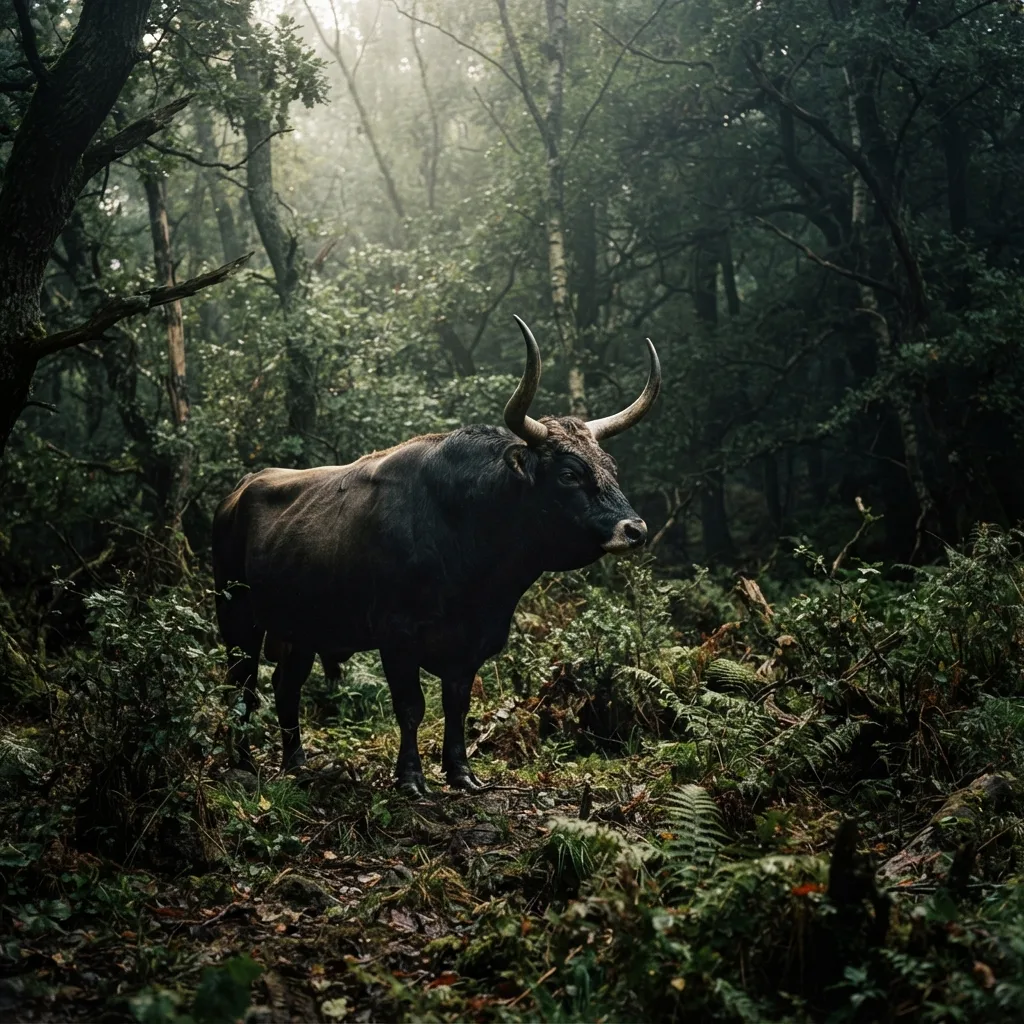
Aurochs were the largest land mammals in Europe for thousands of years. The last wild aurochs died in Jaktorów Forest, Poland, in 1627 due to overhunting and habitat loss. They were the direct wild ancestors of modern domestic cattle, though far larger and more aggressive.

The last wild aurochs died in Poland in 1627.

Aurochs (Wild Cattle)

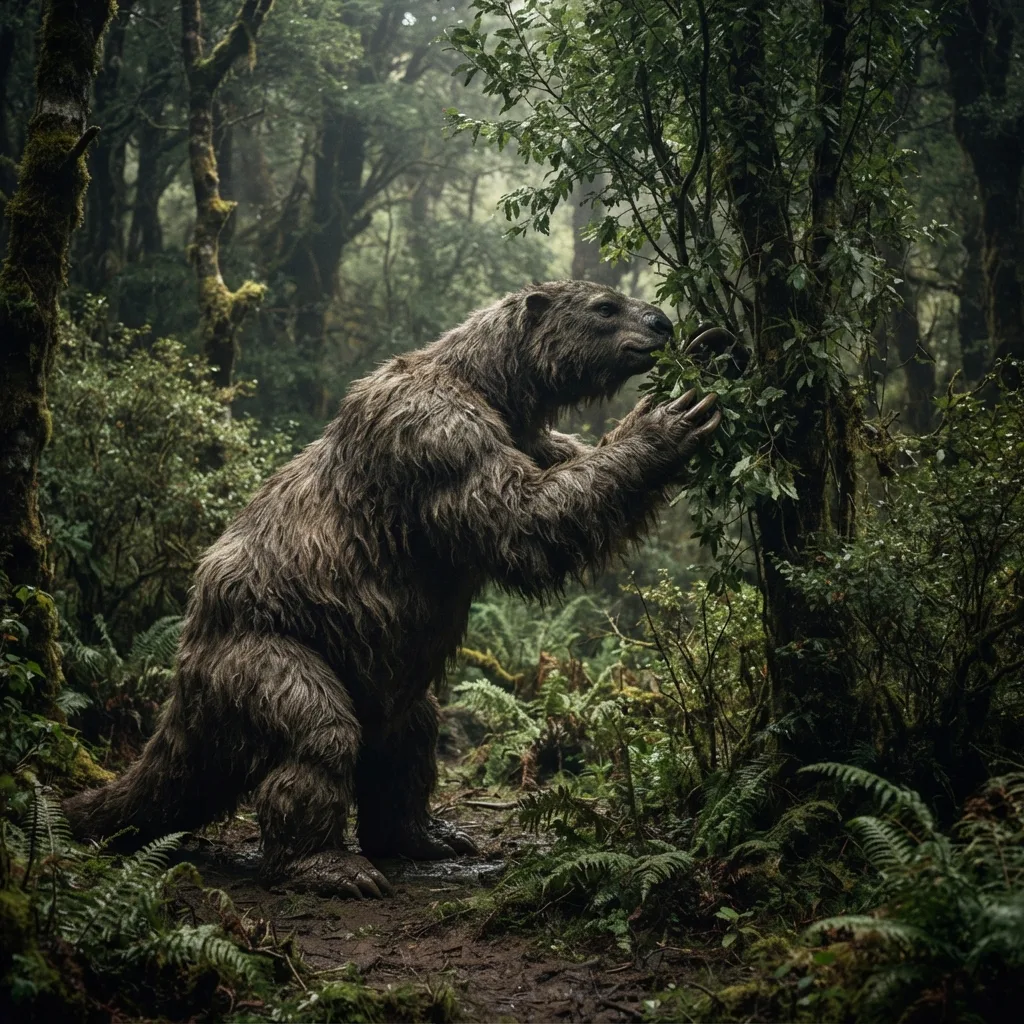
Megatherium

The elephant-sized sloth.

An adult Megatherium exceeded 6 meters in total length and stood nearly 2 meters high at the hips. This giant South American ground sloth roamed Pleistocene plains, using its massive claws to pull down branches. Its size rivaled modern elephants.

It measured 6 meters and weighed 3 tons.

Megatherium

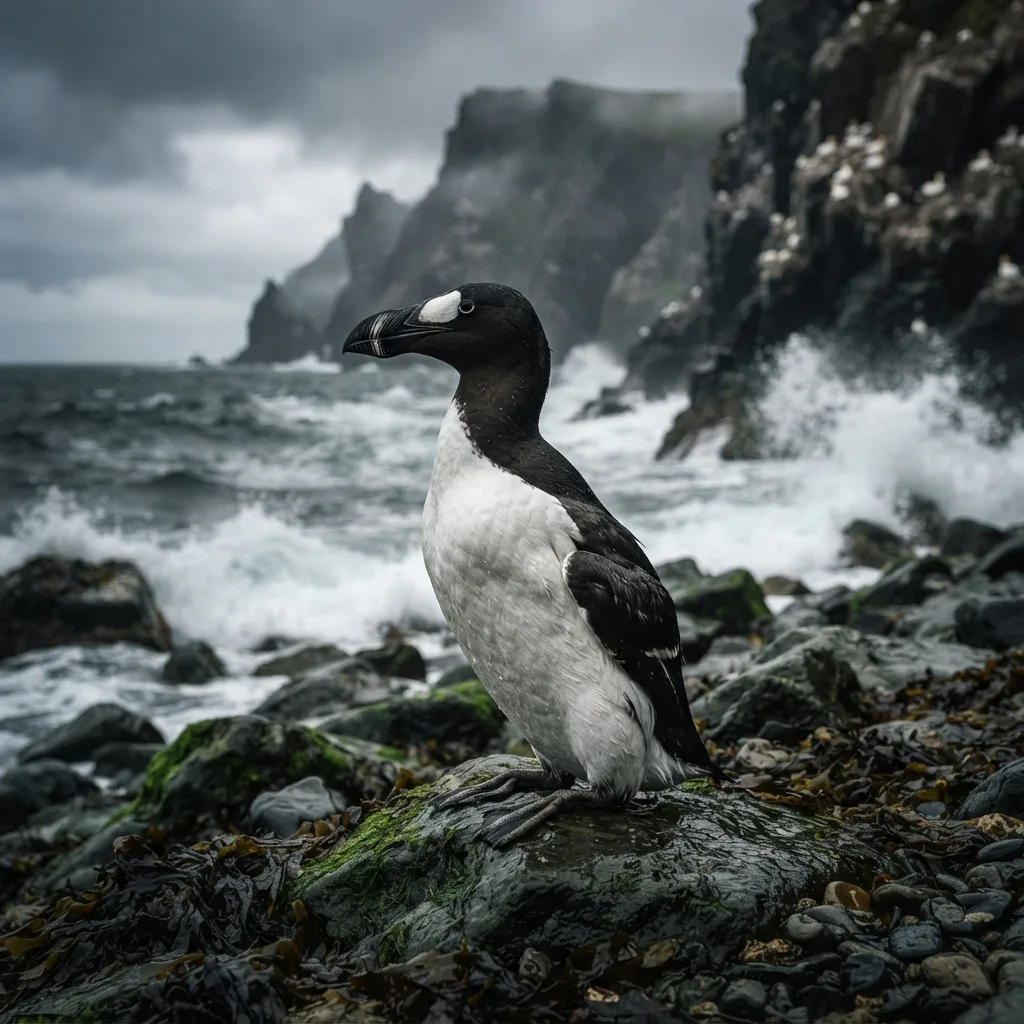
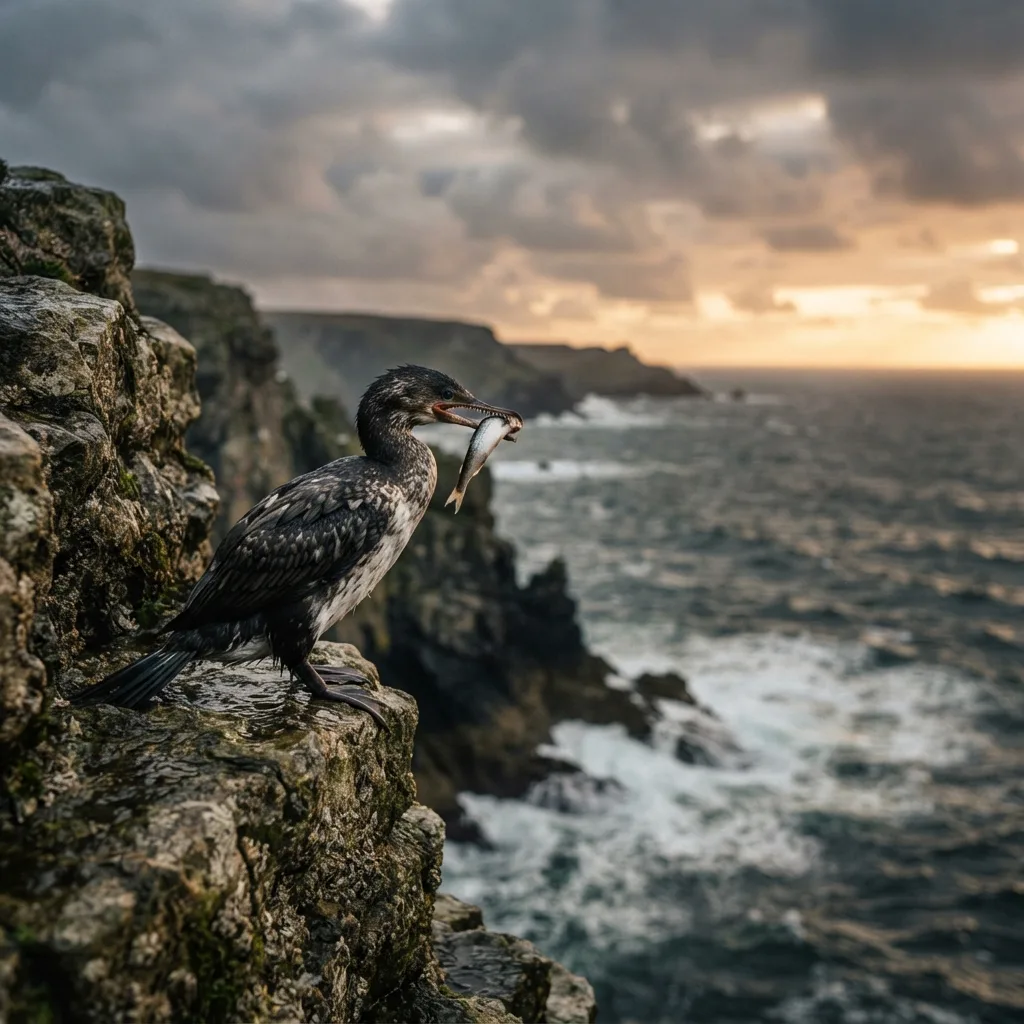
Great Auk

The North Atlantic penguin.

The Great Auk (Pinguinus impennis) was the largest auk species and the last flightless seabird of the Northern Hemisphere. The word "penguin" originally referred to this bird. The last two known individuals were killed on July 3, 1844, ending a 400,000-year-old lineage.

The last pair was killed on July 3, 1844.

Great Auk

Shadows lengthen. What follows grows stranger.

3

Dusk Zone

1,200 meters

Dinosaurs and marine reptiles, echoes of a golden age.

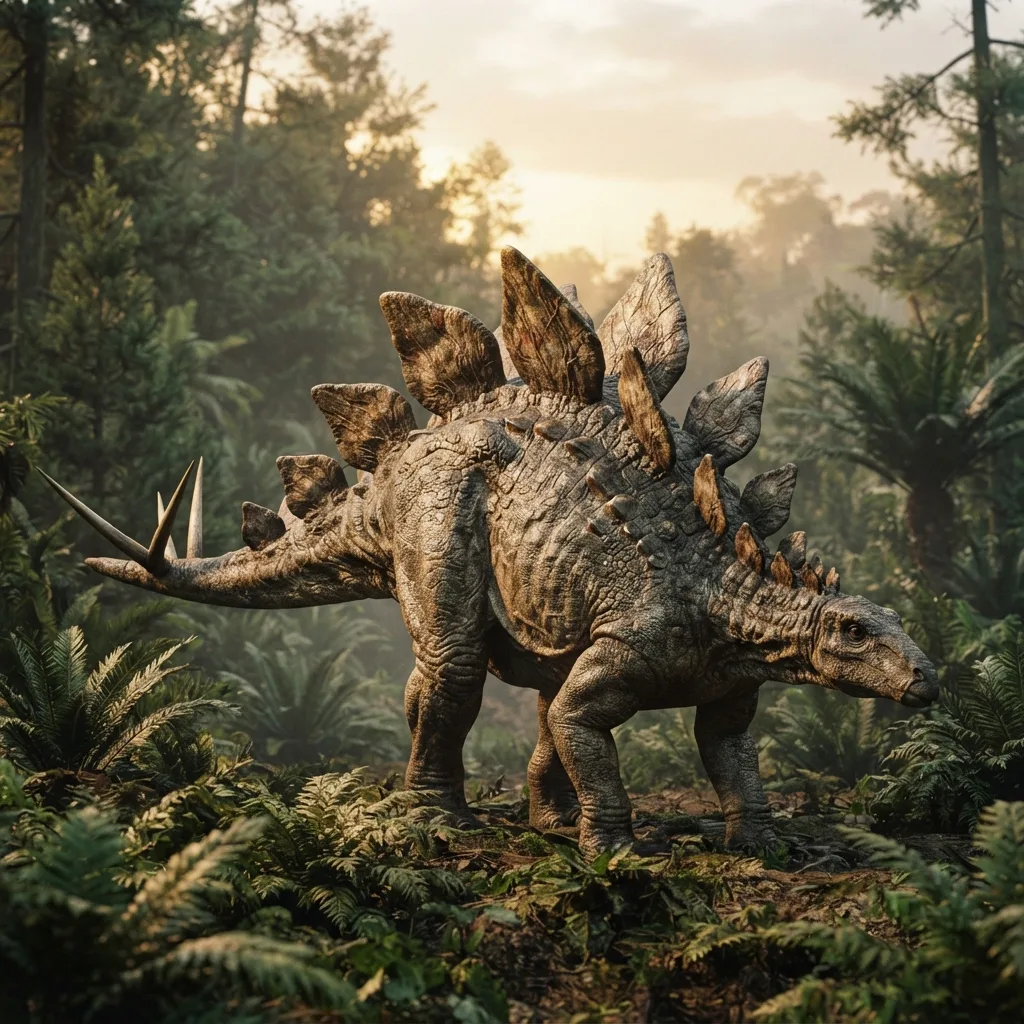
Stegosaurus

The Jurassic armored tank.

Stegosaurus is recognizable for its distinct double row of kite-shaped plates along its back and tail spikes. These plates functioned for thermoregulation or display. Its brain was famously small relative to its body size, fueling myths about dinosaur intelligence.

Its back plates may have regulated body temperature.

Stegosaurus

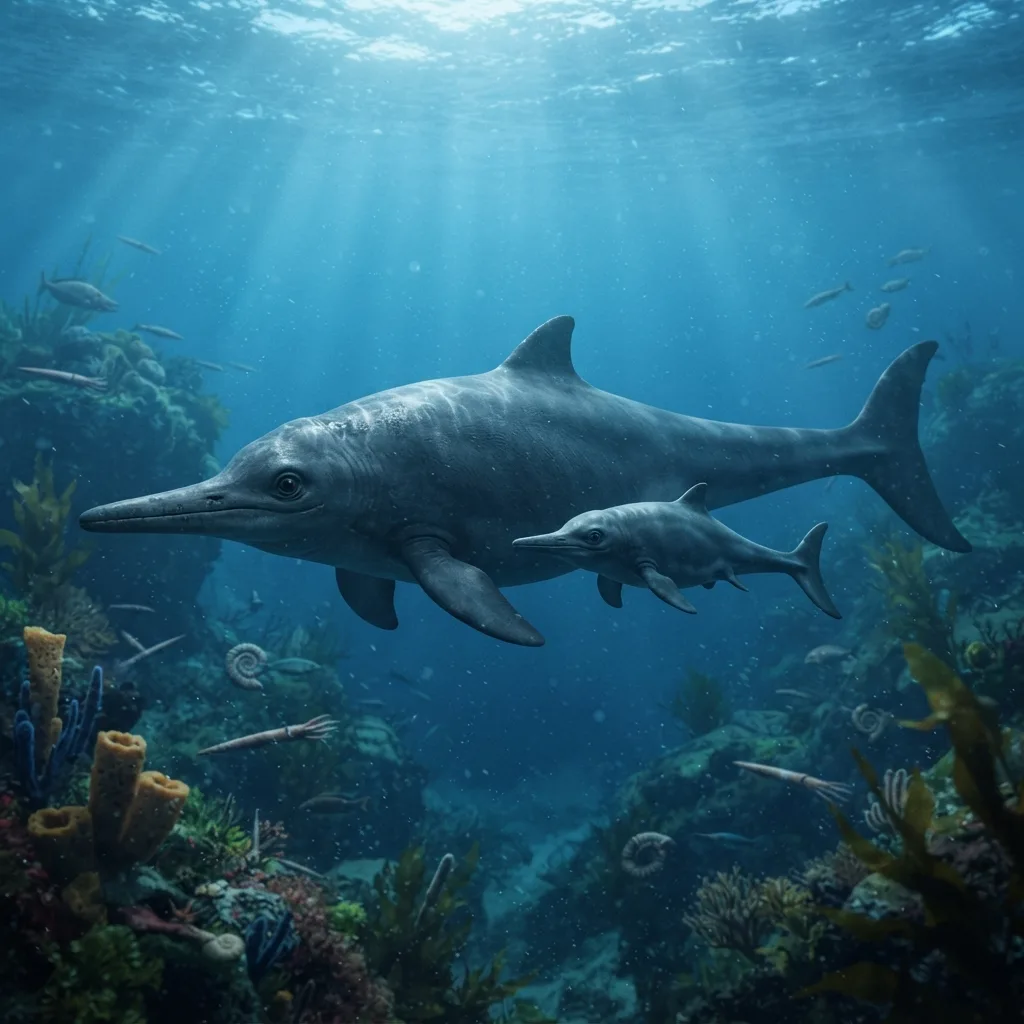
Ichthyosaurs

Dolphins of the Mesozoic Era.

Marine reptiles that evolved a streamlined shape resembling modern dolphins. Dominating Triassic through Cretaceous oceans, they gave live birth at sea like modern whales. Their massive eyes suggest hunting in dark, deep waters.

Ichthyosaurs

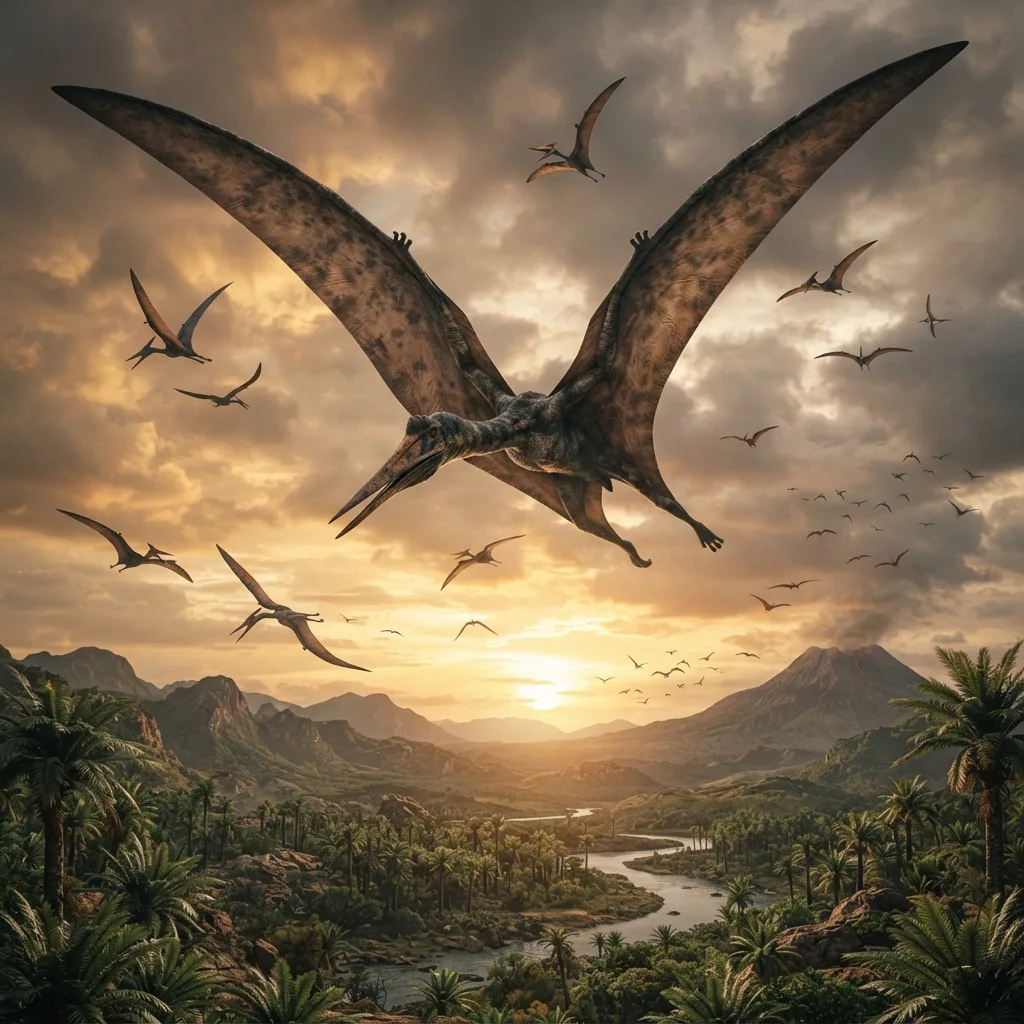
Pterosaurs (Non-Avian)

The first vertebrates to achieve powered flight.

Pterosaurs were flying reptiles ruling Mesozoic skies. Ranging from small insectivores to giants like Quetzalcoatlus, they colonized aerial ecological niches millions of years before birds evolved powered flight.

Some had wingspans exceeding 10 meters.

Pterosaurs (Non-Avian)

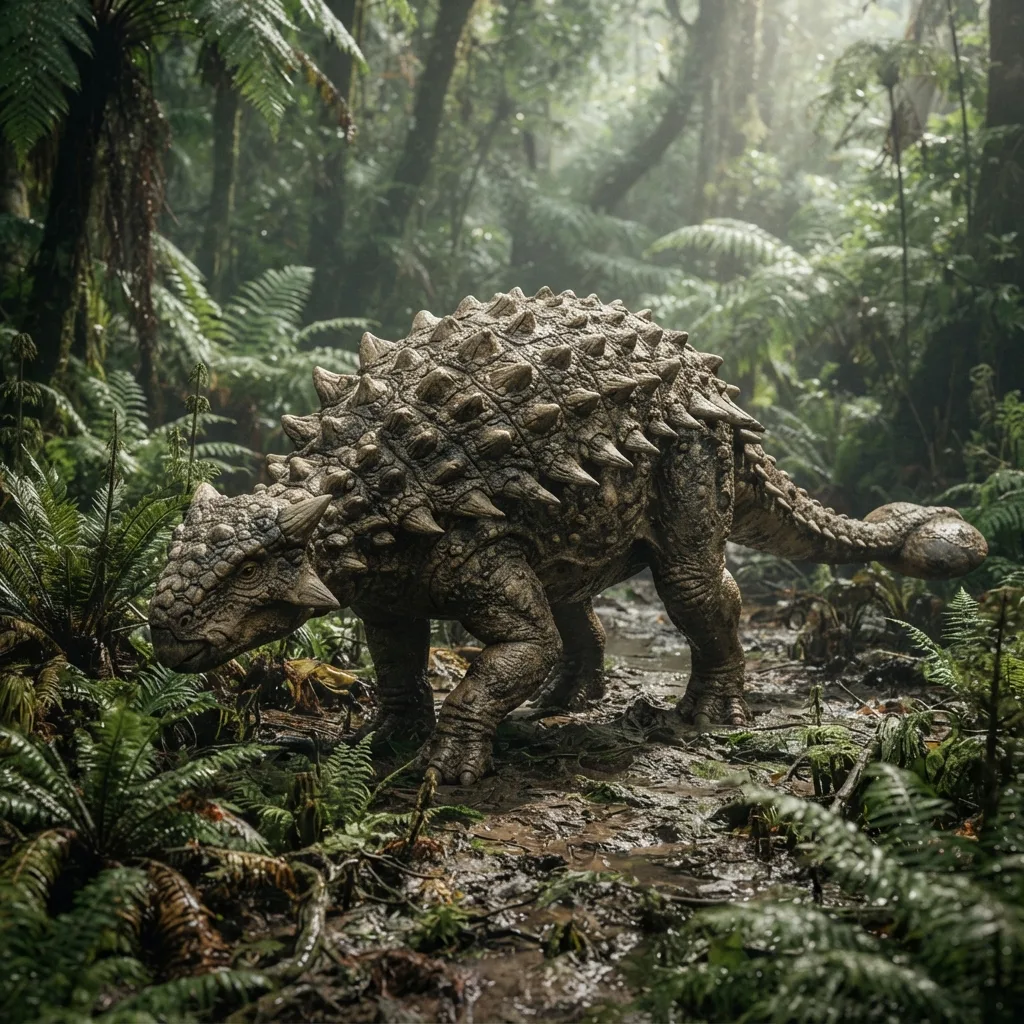
Ankylosaurus

The living bunker of the Cretaceous.

Armored herbivorous dinosaurs equipped with heavy bone-shattering tail clubs. Their bony armor shielded them against top apex predators like Tyrannosaurus, making them living defensive fortresses.

Ankylosaurus

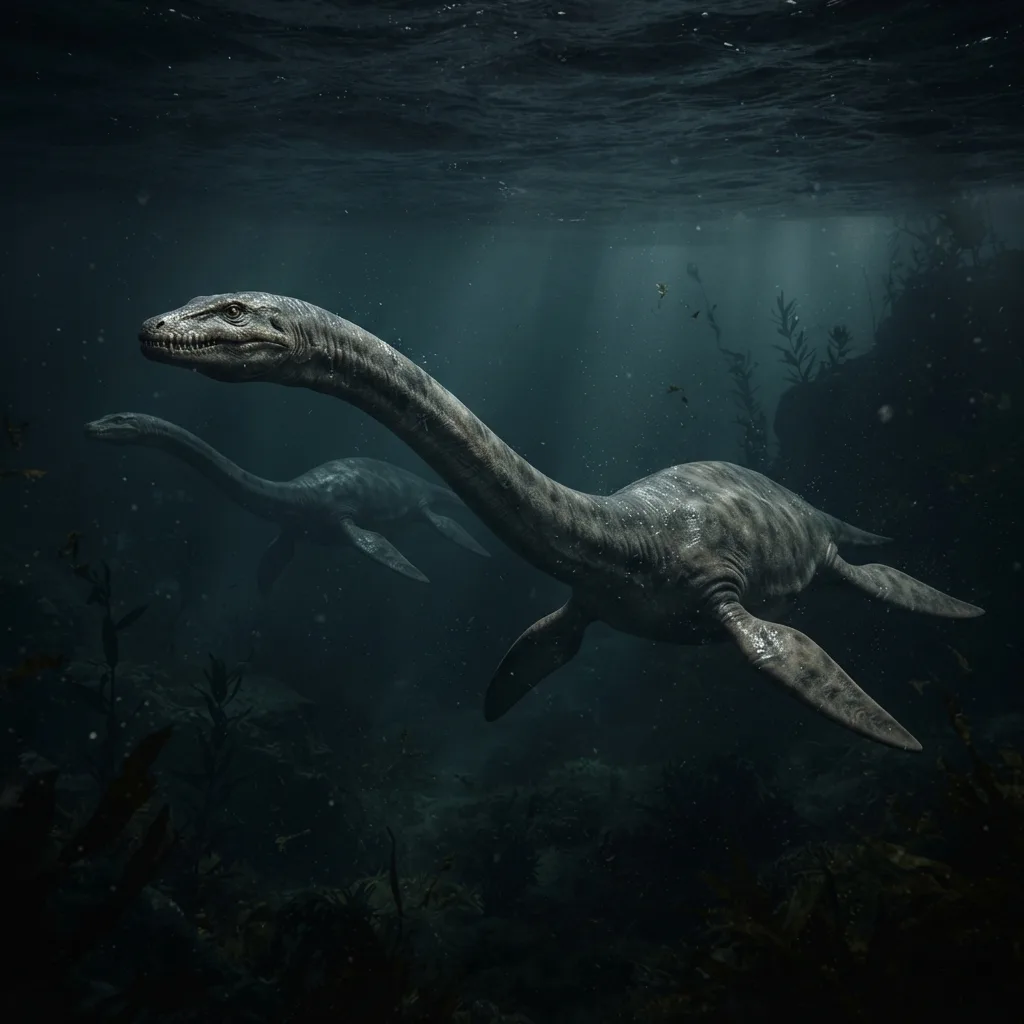
Plesiosaurs

Ancestral sea monsters of legend.

Long-necked marine reptiles that swam using four large flippers as paddles. Some species possessed necks accounting for over half their total body length, inspiring modern sea monster legends.

Their long necks defied physical conventions.

Plesiosaurs

We enter realms where time distorts.

4

Mid Zone

2,000 meters

Australian megafauna and Ice Age apex predators.

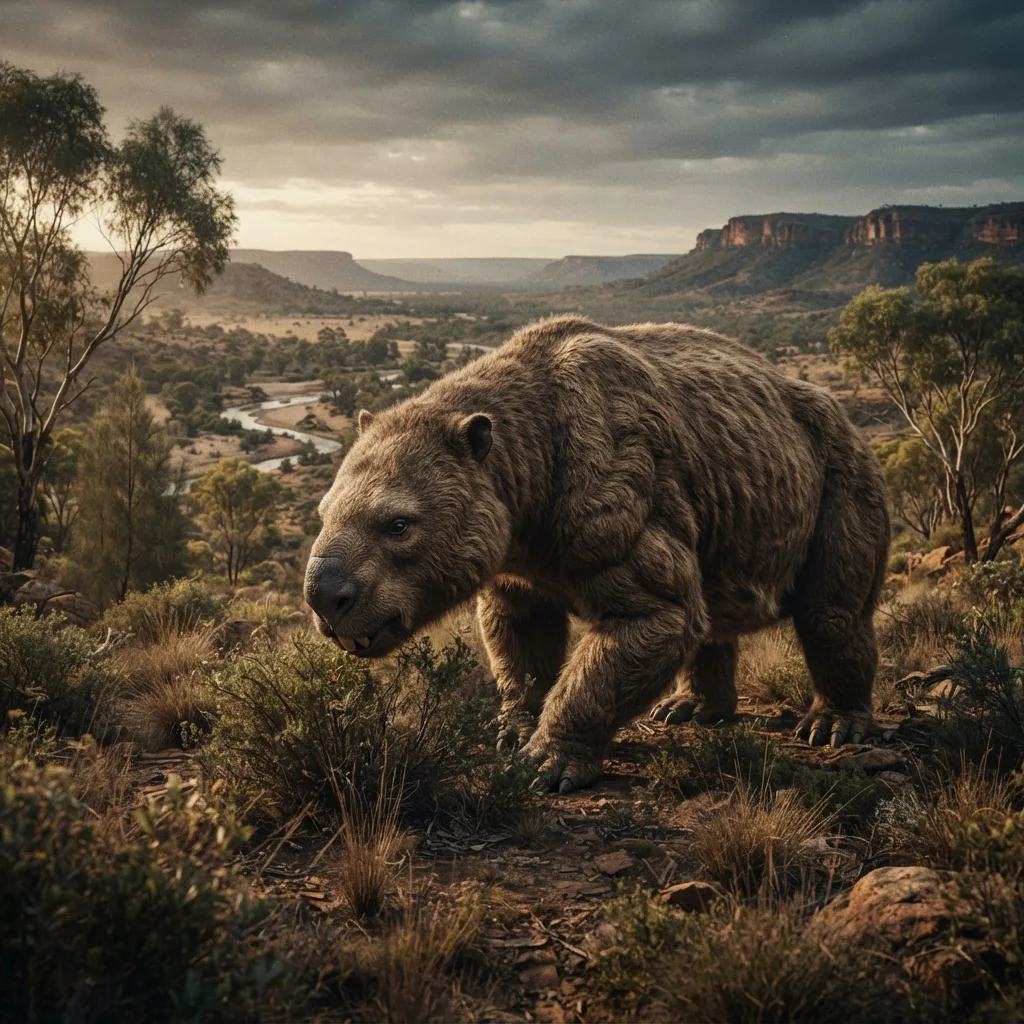
Diprotodon

The largest marsupial to ever live.

Diprotodon optatum was the largest known marsupial, weighing up to 2.7 tons and standing 1.8 meters tall. Roaming Pleistocene Australia on pillar-like legs, it was related to modern wombats and koalas, but on a mammoth scale.

It weighed up to 2,700 kilograms.

Diprotodon

Thylacoleo (Marsupial Lion)

The marsupial lion with retractable claws.

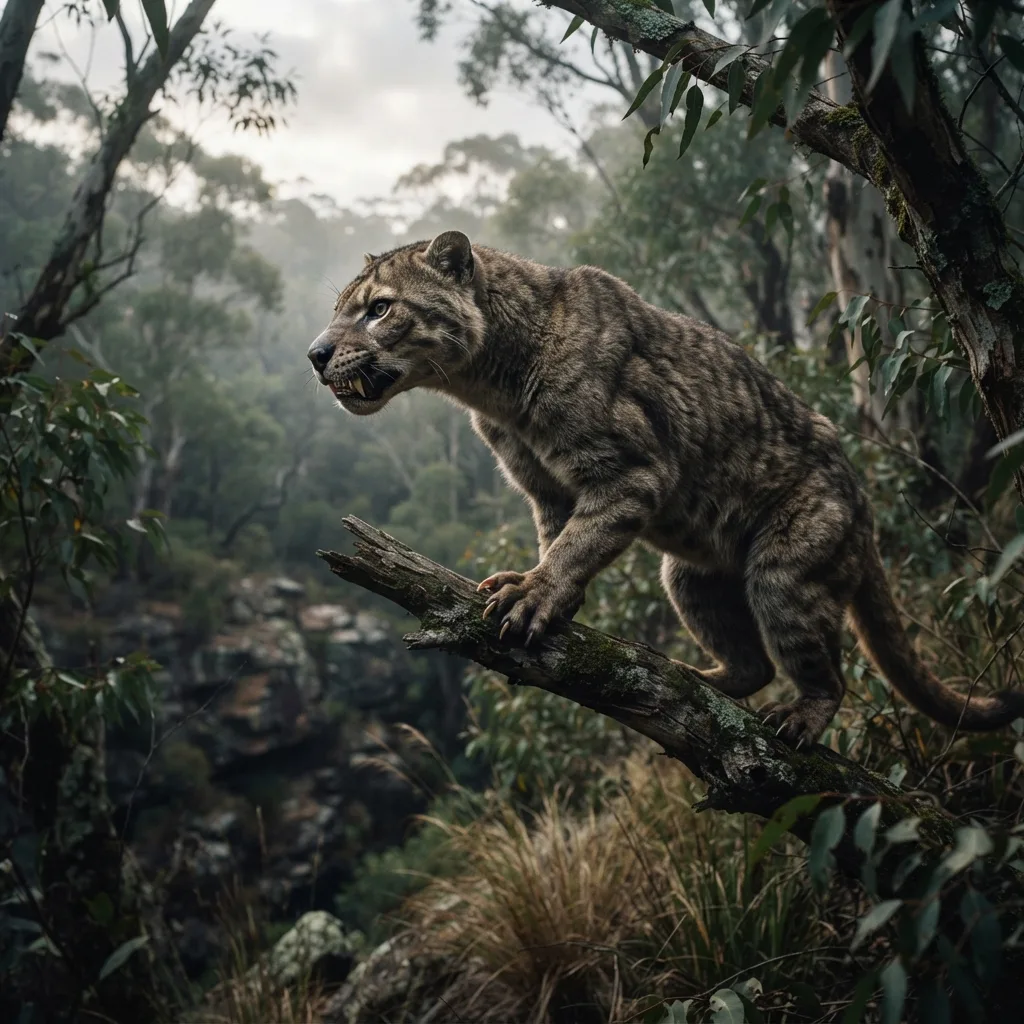
Thylacoleo carnifex, the marsupial lion, possessed a extraordinarily powerful skull and bite force. Weighing up to 130–160 kg, its specialized shearing teeth and retractable thumb claws made it Australia's apex mammalian predator.

It possessed the strongest bite force of any mammal.

Thylacoleo (Marsupial Lion)

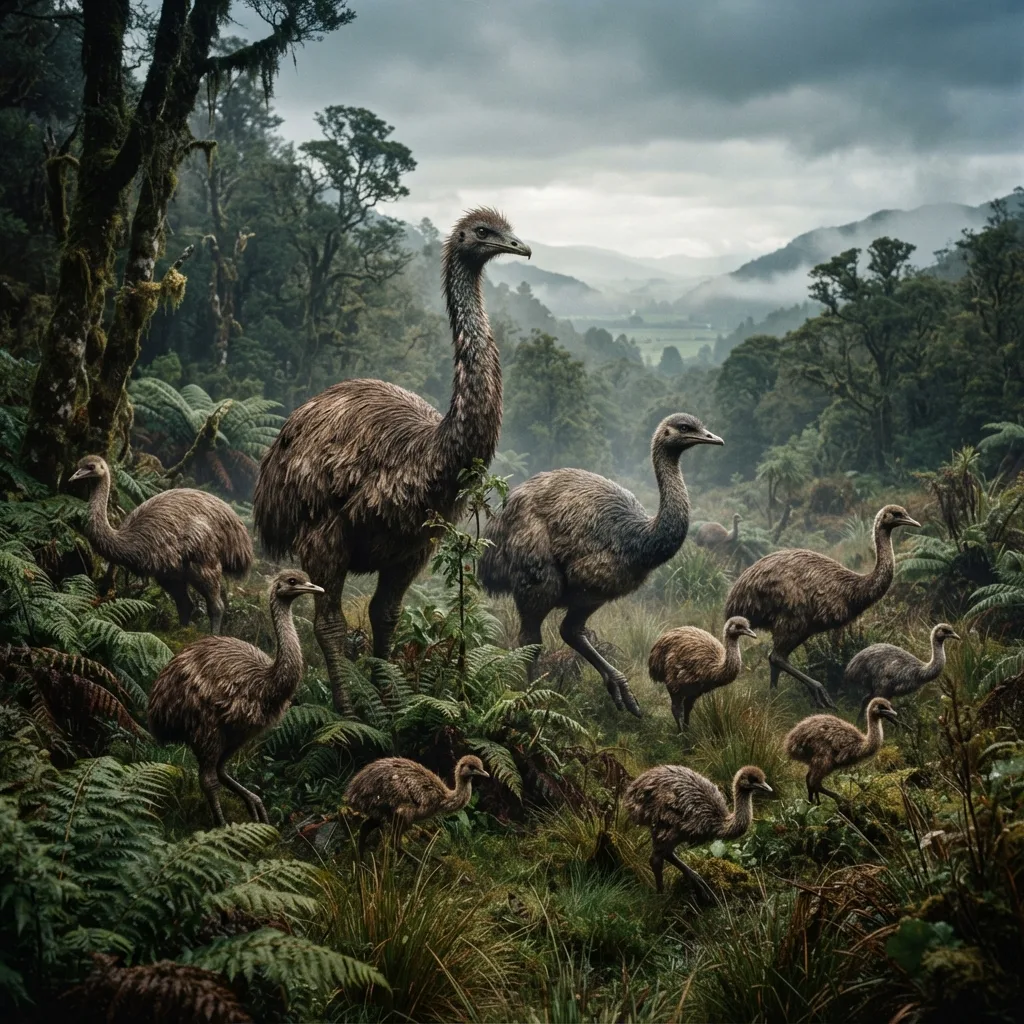
New Zealand Moas

Nine species of flightless giants.

Nine distinct moa species once existed, ranging from turkey-sized birds to 3.6-meter giants. As the dominant herbivores in New Zealand, their extinction occurred rapidly following Polynesian settlement.

New Zealand Moas

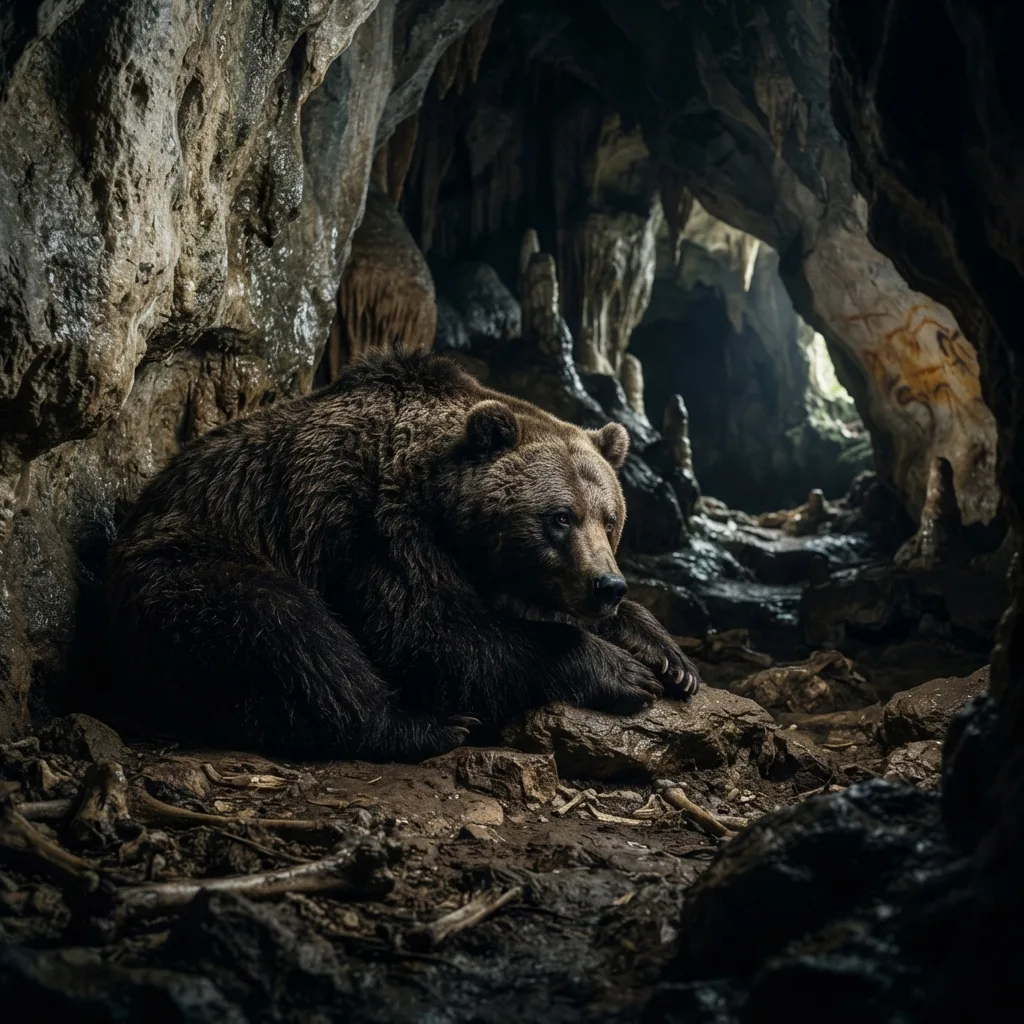
Cave Bear

The ancient denizen of prehistoric caves.

Ursus spelaeus roamed Eurasian cave systems during the Pleistocene. Considerably larger than modern brown bears, its fossils are frequently discovered in European caves where it hibernated and died.

50 kg heavier than a modern Kodiak bear.

Cave Bear

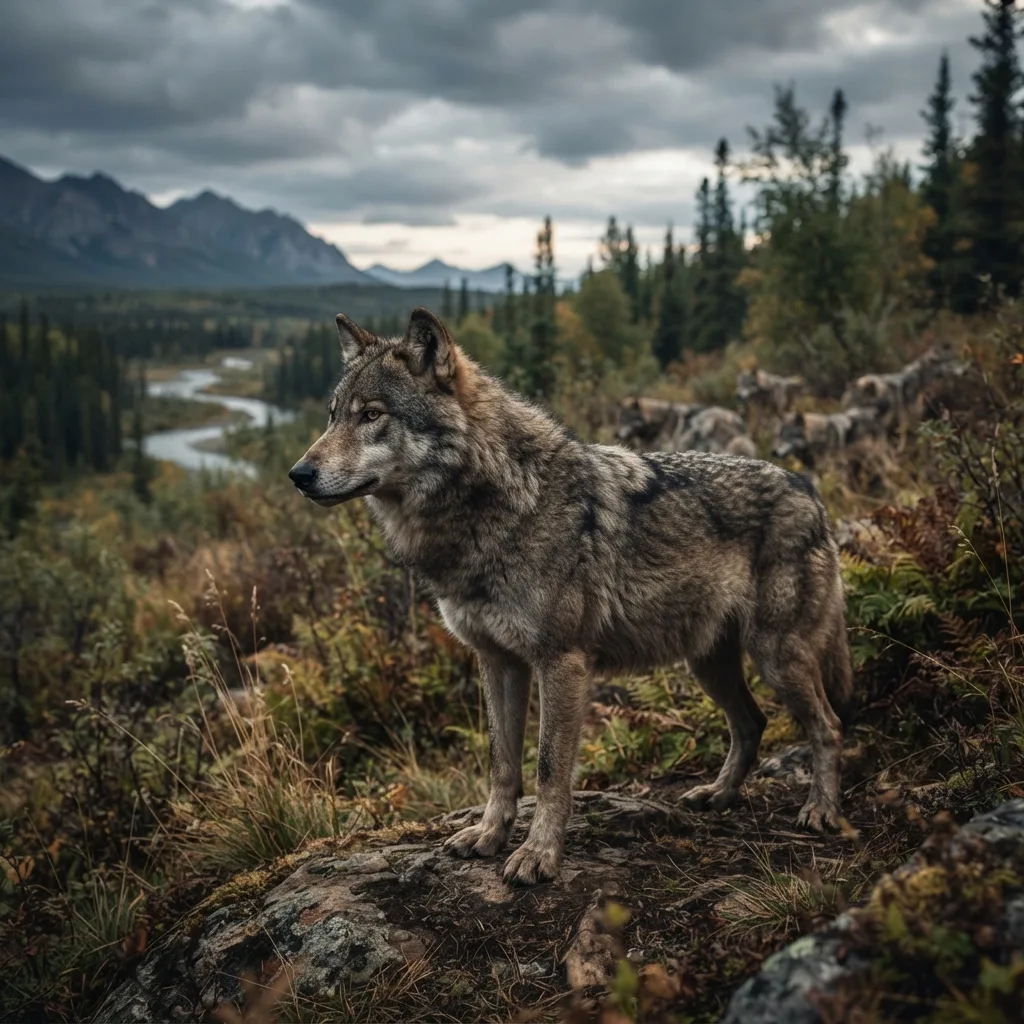
Dire Wolf

Smilodon's fierce rival.

A heavy-set canine predator that roamed North America alongside saber-toothed cats. More robust than modern gray wolves, it targeted large Ice Age megafauna before vanishing 12,500 years ago.

Extinct for 12,500 years, brought into public focus by biotechnology.

Dire Wolf

Silence thickens. Something lurks in the dark.

5

Deep Twilight Zone

3,500 meters

Terrestrial giants walking upon forgotten worlds.

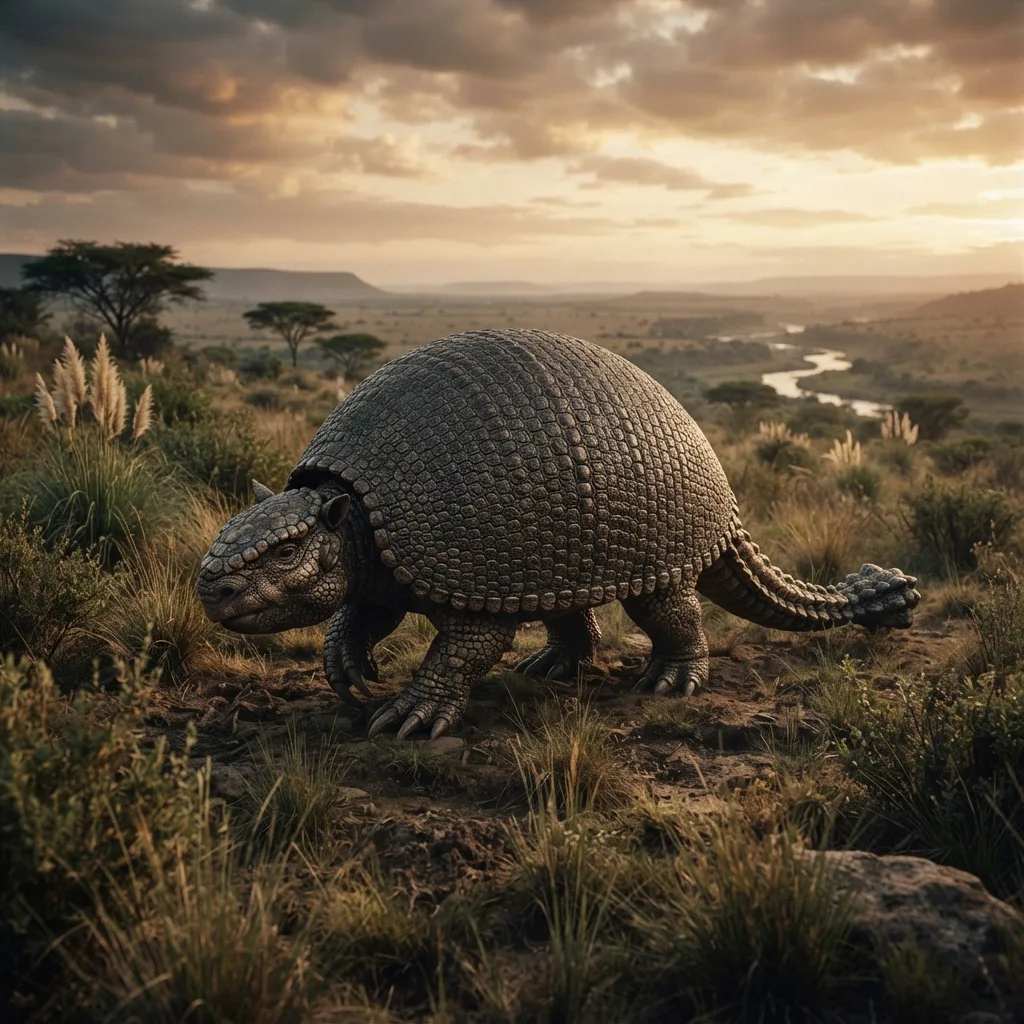
Glyptodon

The car-sized armadillo.

Glyptodonts were heavily armored giant mammals related to modern armadillos. Covered in a solid bony carapace, they reached up to 1.5 meters high and weighed 2 tons, surviving in South America until 12,000 years ago.

It measured 3 to 5 meters long and weighed 2 tons.

Glyptodon

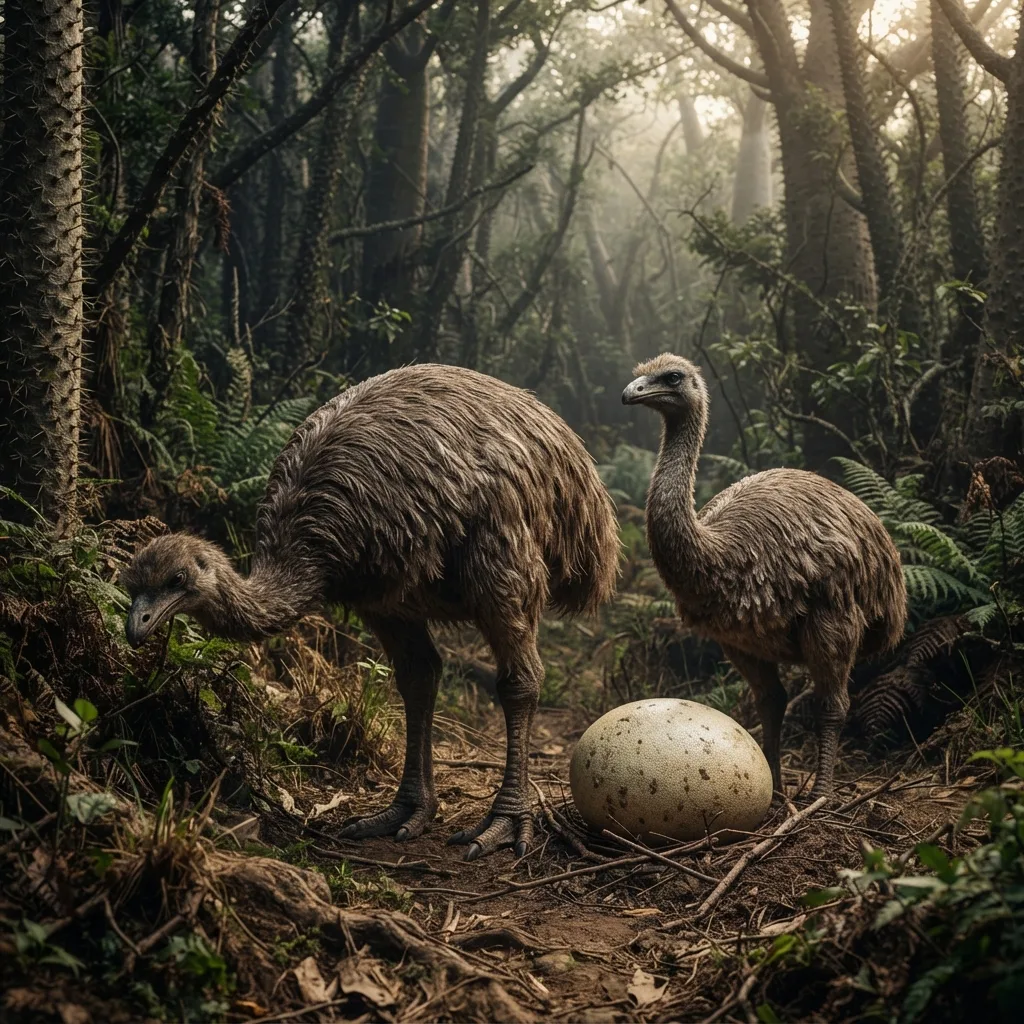
Elephant Birds

The largest birds to ever exist.

Madagascar's elephant birds (Vorombe titan) were massive flightless birds standing over 3 meters tall and weighing up to 500 kg. Their eggs were the largest single cells known to science, vanishing around 1,000 years ago.

Their eggs held the volume of 150 chicken eggs.

Elephant Birds

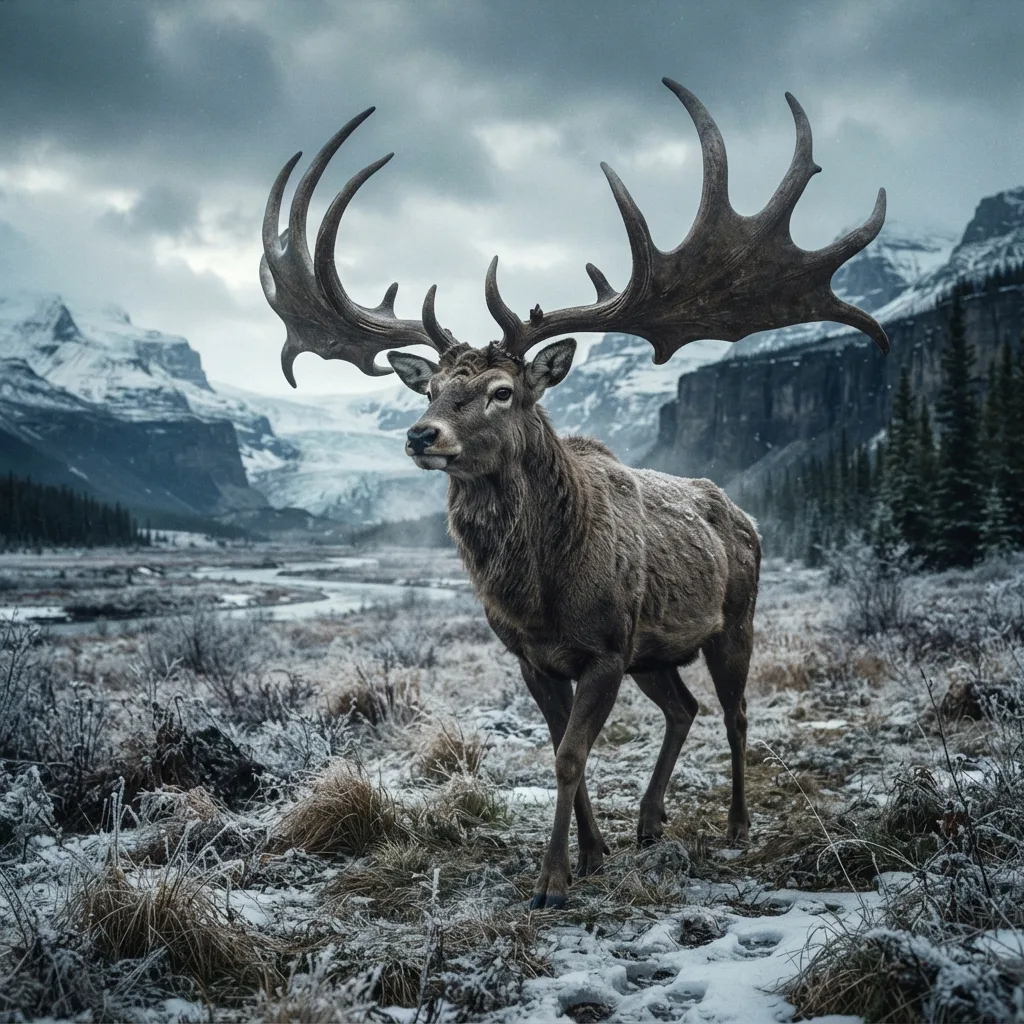
Irish Elk (Megaloceros)

The largest antlers in history.

Megaloceros giganteus lived across Eurasia during the Pleistocene. Weighing up to 700 kg, males grew enormous antlers spanning 3.6 meters, which required massive nutrient intake during annual growth.

Antlers spanning up to 3.6 meters from tip to tip.

Irish Elk (Megaloceros)

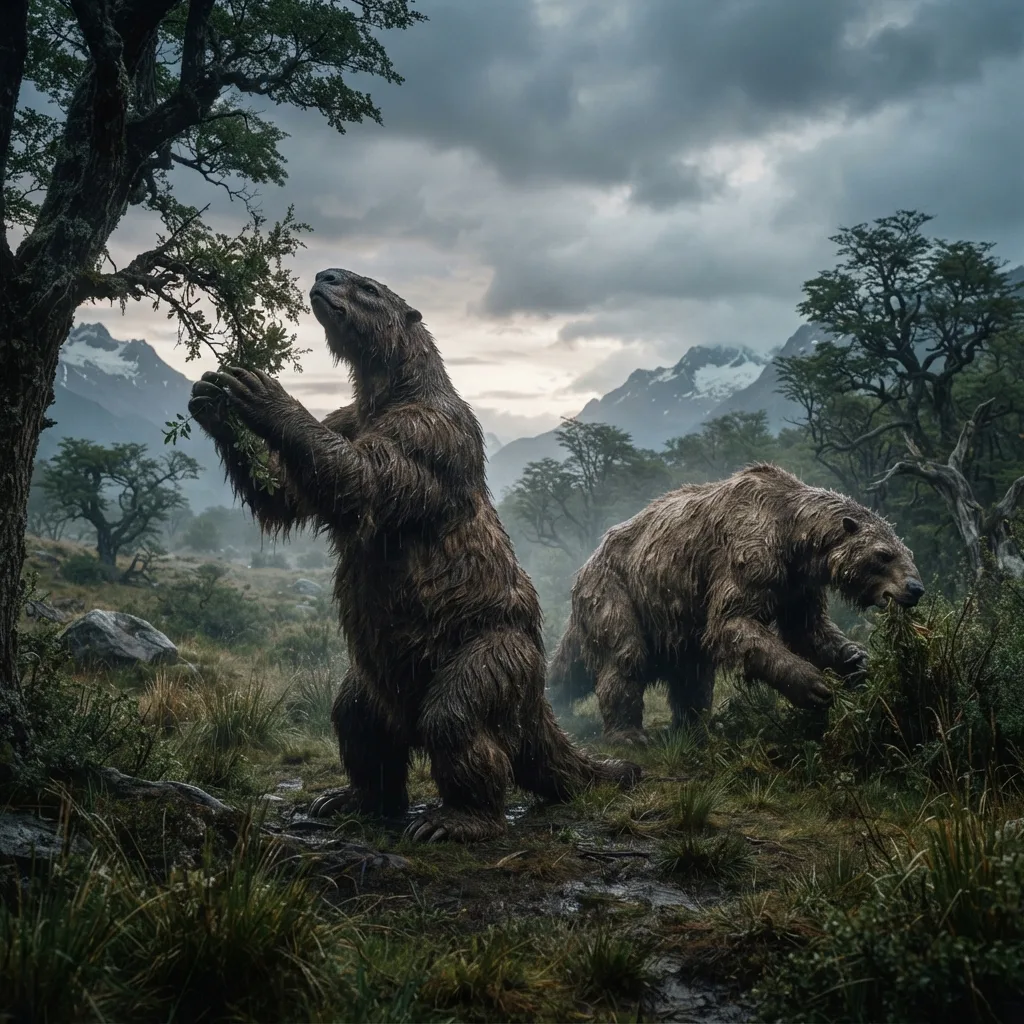
Giant Ground Sloths

Colossi of the Americas.

Genera like Eremotherium and Paramylodon roamed North and South America. These ground sloths fed on trees using their immense weight to pull down high branches, leaving fossilized footprints across ancient lakebeds.

Could reach lengths of up to 6 meters.

Giant Ground Sloths

Giant Kangaroo (Protemnodon)

The mega-kangaroos of Australia.

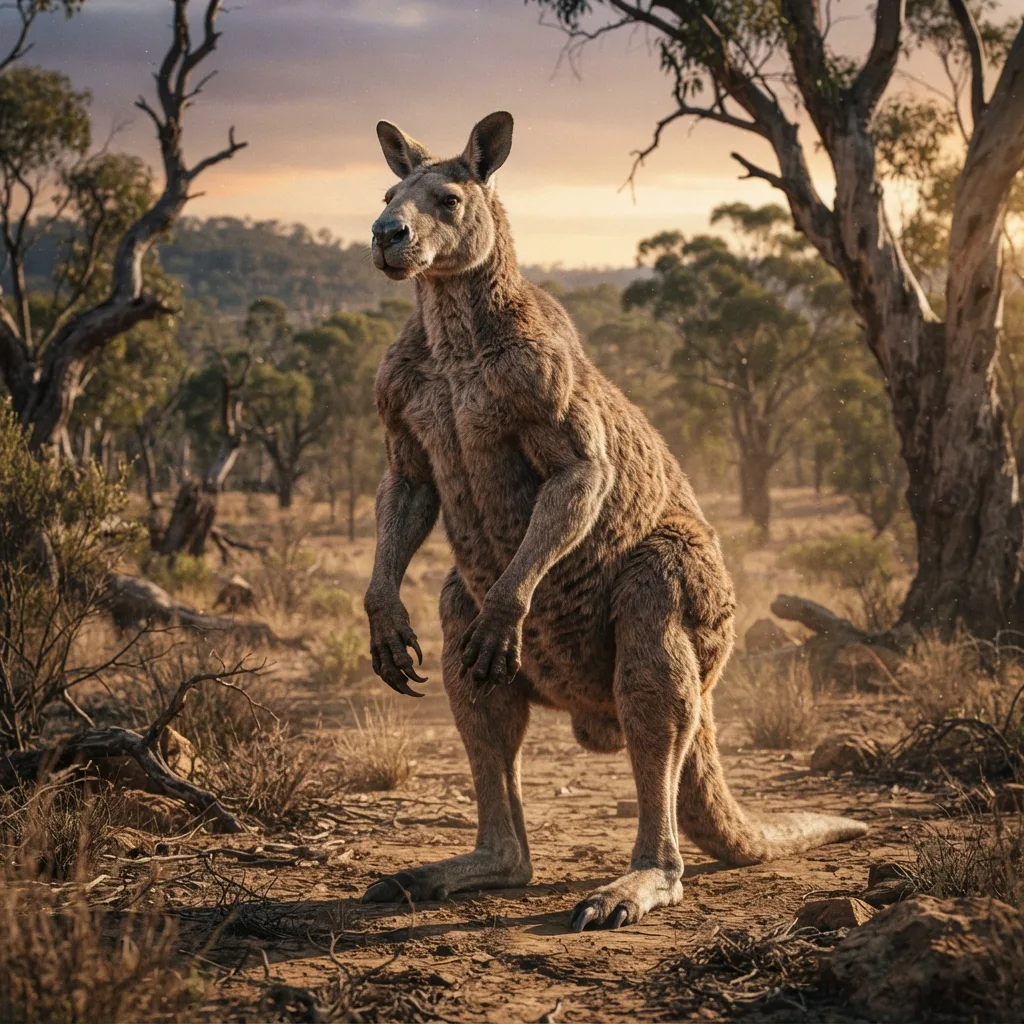
Protemnodon species were heavy-bodied giant kangaroos that roamed Australia during the Pleistocene. Unlike modern kangaroos, some species relied more on quadrupedal locomotion rather than hopping due to their massive size.

Stood 3 meters tall and weighed 200 kg.

Giant Kangaroo (Protemnodon)

Pressure grows. Forms turn stranger.

6

Upper Abyssal Zone

5,000 meters

Giant insects and armored fish from remote geological periods.

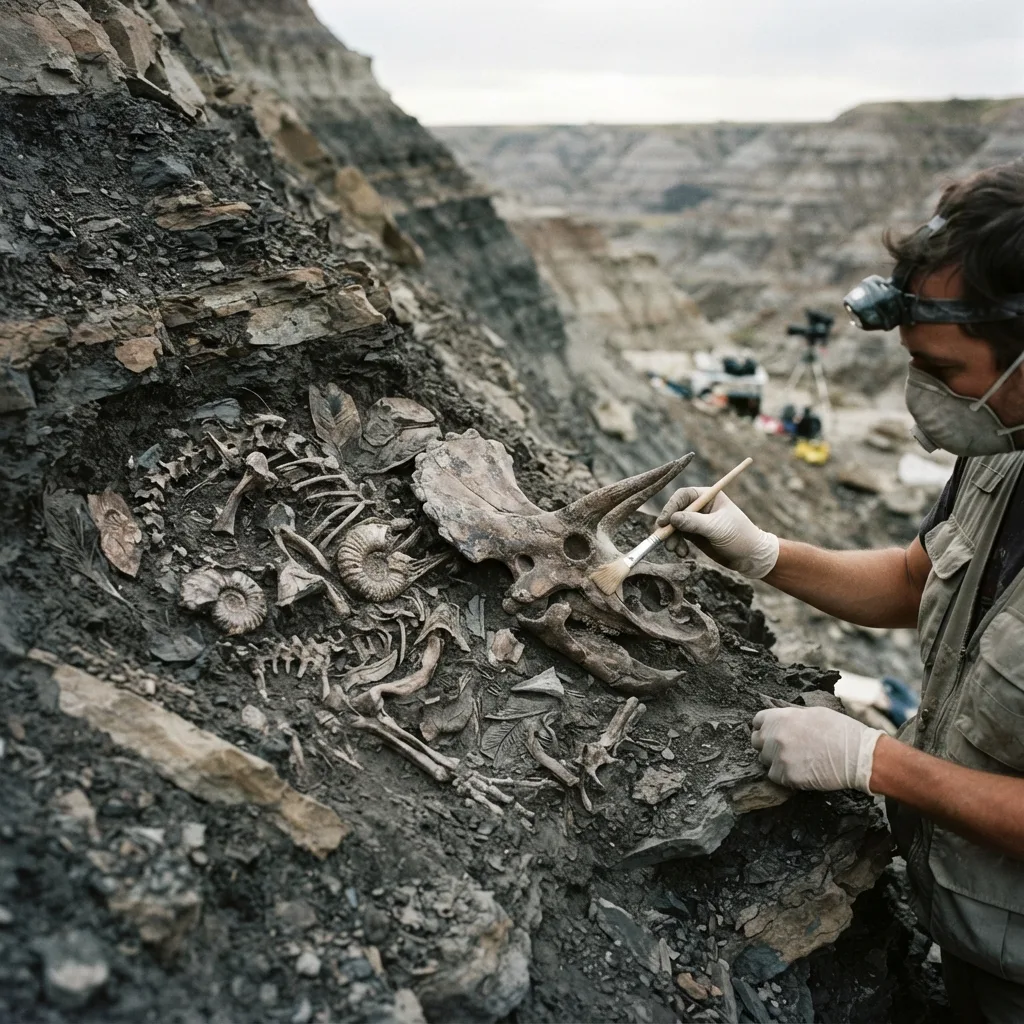
Triceratops

The three-horned herbivore.

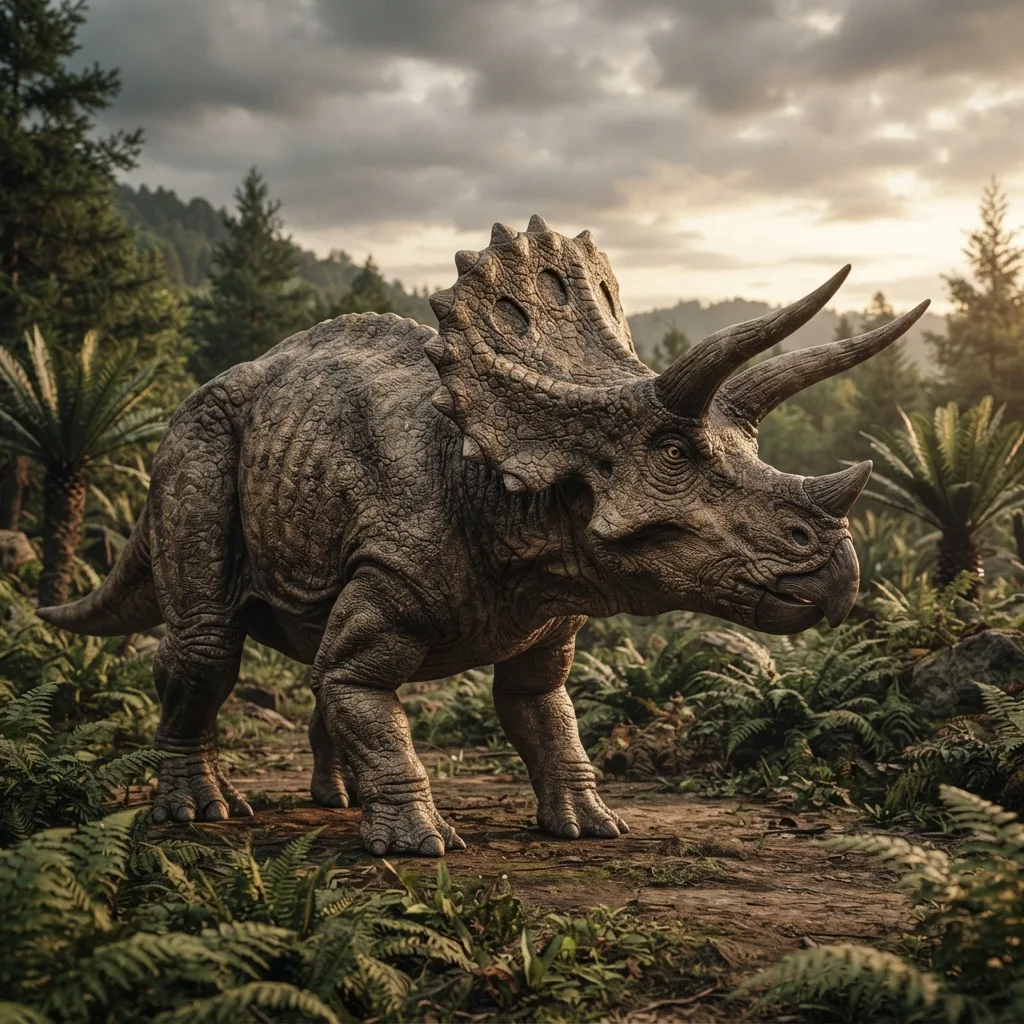
Triceratops was among the last non-avian dinosaurs, possessing a massive skull with a bony neck frill and three horns. It lived alongside T-Rex, using its horns for defense and species recognition.

Its skull measured up to 2.5 meters.

Triceratops

Ivory Sarcophagus

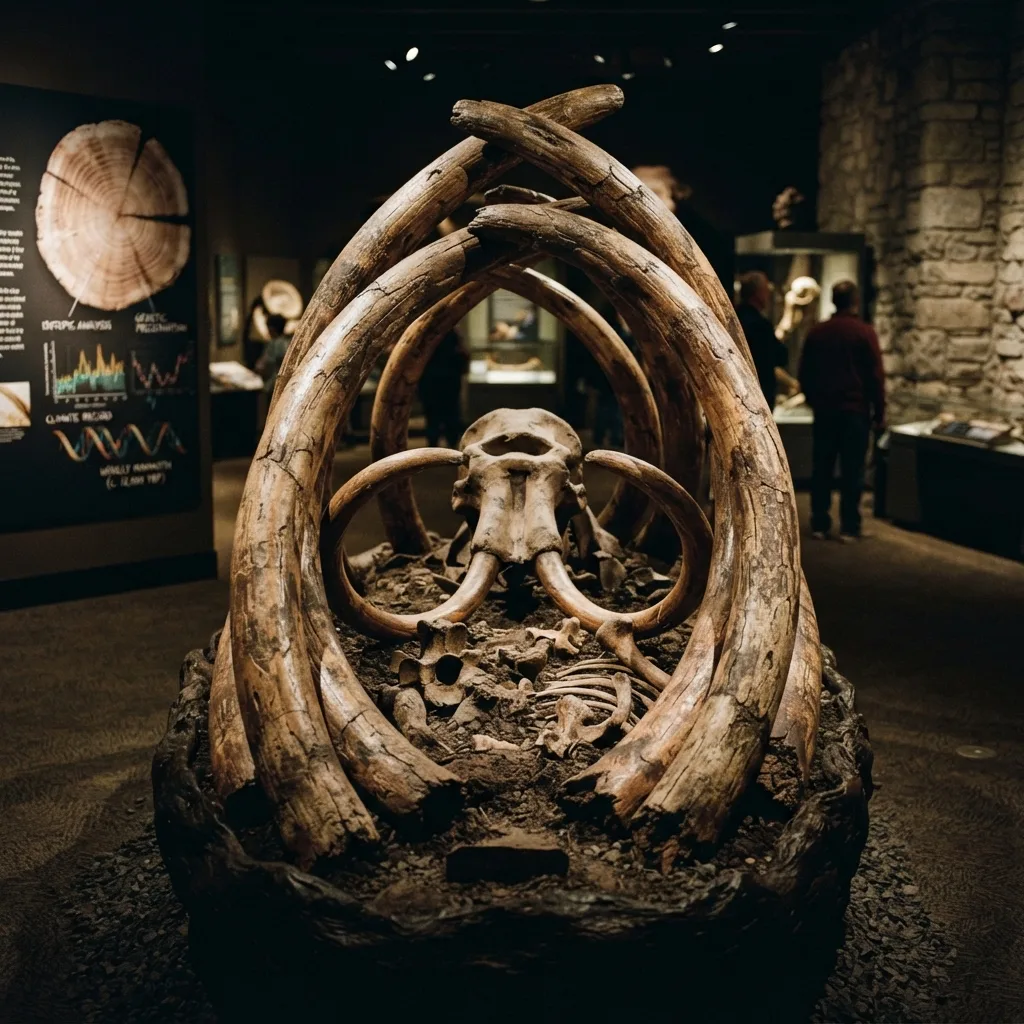
Tusks preserving historical records.

Frozen mammoth tusks recovered from Siberian permafrost preserve isotopic and genetic archives of ancient climates. These "ivory sarcophagi" act as biological black boxes recording Ice Age environmental conditions.

Ivory Sarcophagus

Meganeura

The giant dragonfly of the Carboniferous.

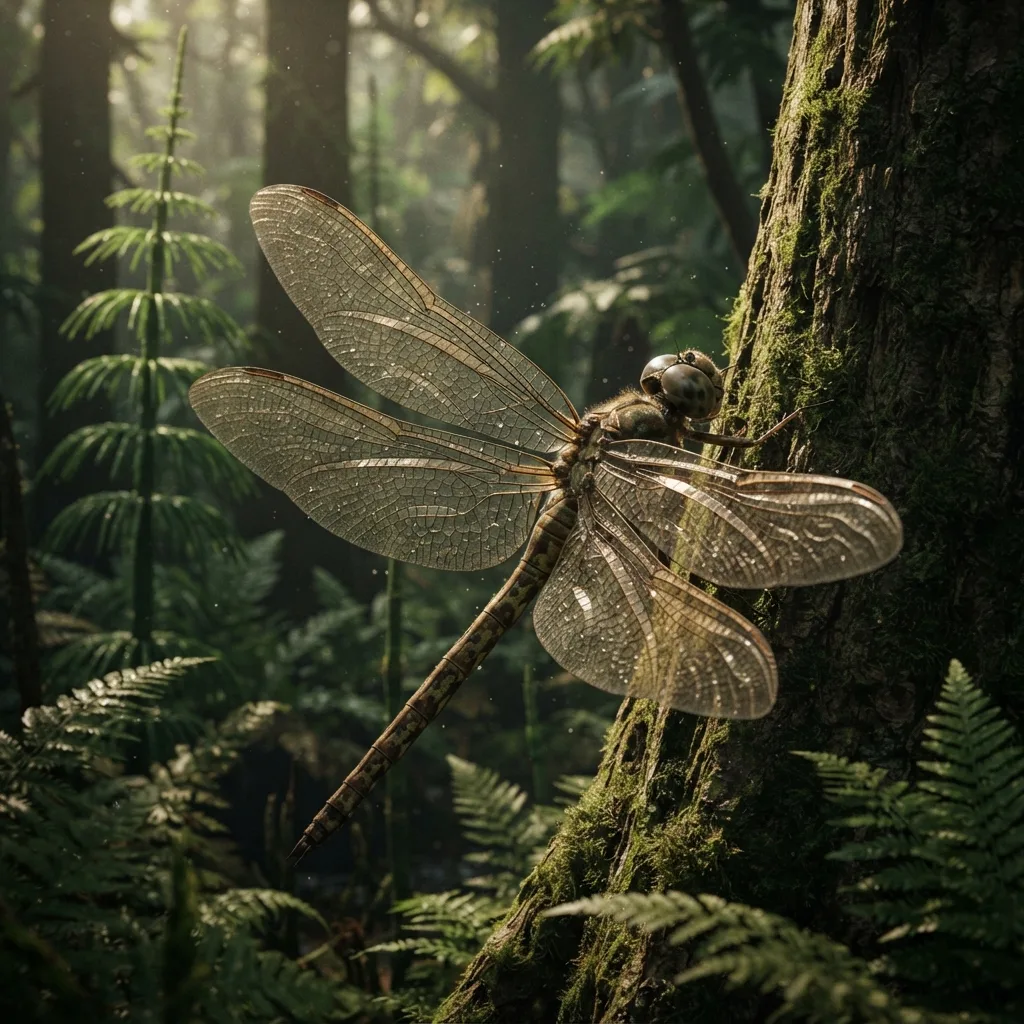
Meganeura monyi was a predatory insect resembling a giant dragonfly that lived 300 million years ago. Its massive size was enabled by Carboniferous atmospheric oxygen levels reaching 35%.

Wingspan reaching 70 centimeters.

Meganeura

Arthropleura

The largest land invertebrate in history.

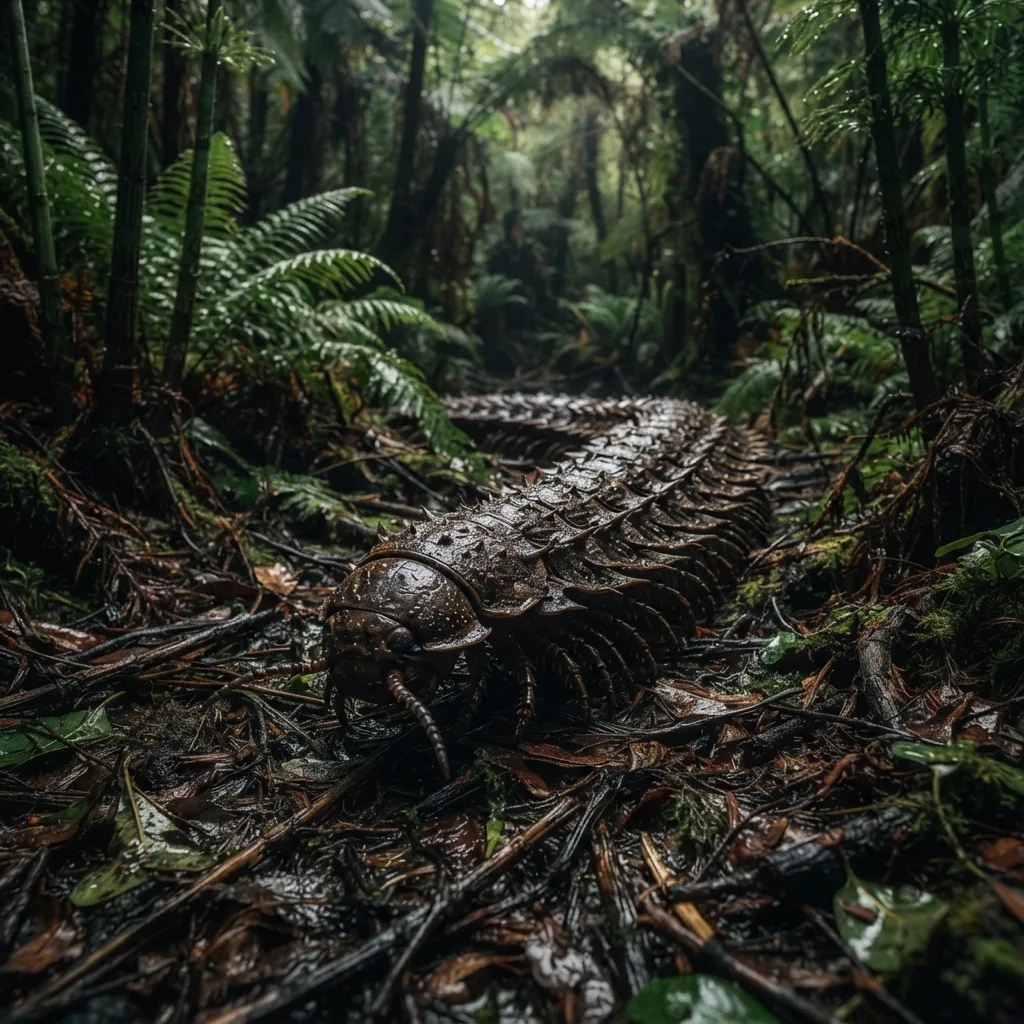
Arthropleura was a giant millipede relative that roamed Carboniferous forests. Measuring up to 2.6 meters long and weighing 50 kg, it is the largest terrestrial invertebrate ever discovered.

Reached lengths of over 2.5 meters.

Arthropleura

Placoderms (Armored Fish)

The first jawed marine predators.

Placoderms ruled Devonian seas as the earliest jawed vertebrates. Encased in bony head and thoracic shields, they represent a pivotal milestone in vertebrate evolutionary history.

Their heads were enclosed in solid armor plates.

Placoderms (Armored Fish)

Air grows thin. Ancient atmospheres differed greatly.

7

Mid Abyssal Zone

7,000 meters

Serpentine whales and prehistoric rhinos.

Basilosaurus

The whale with a serpentine body.

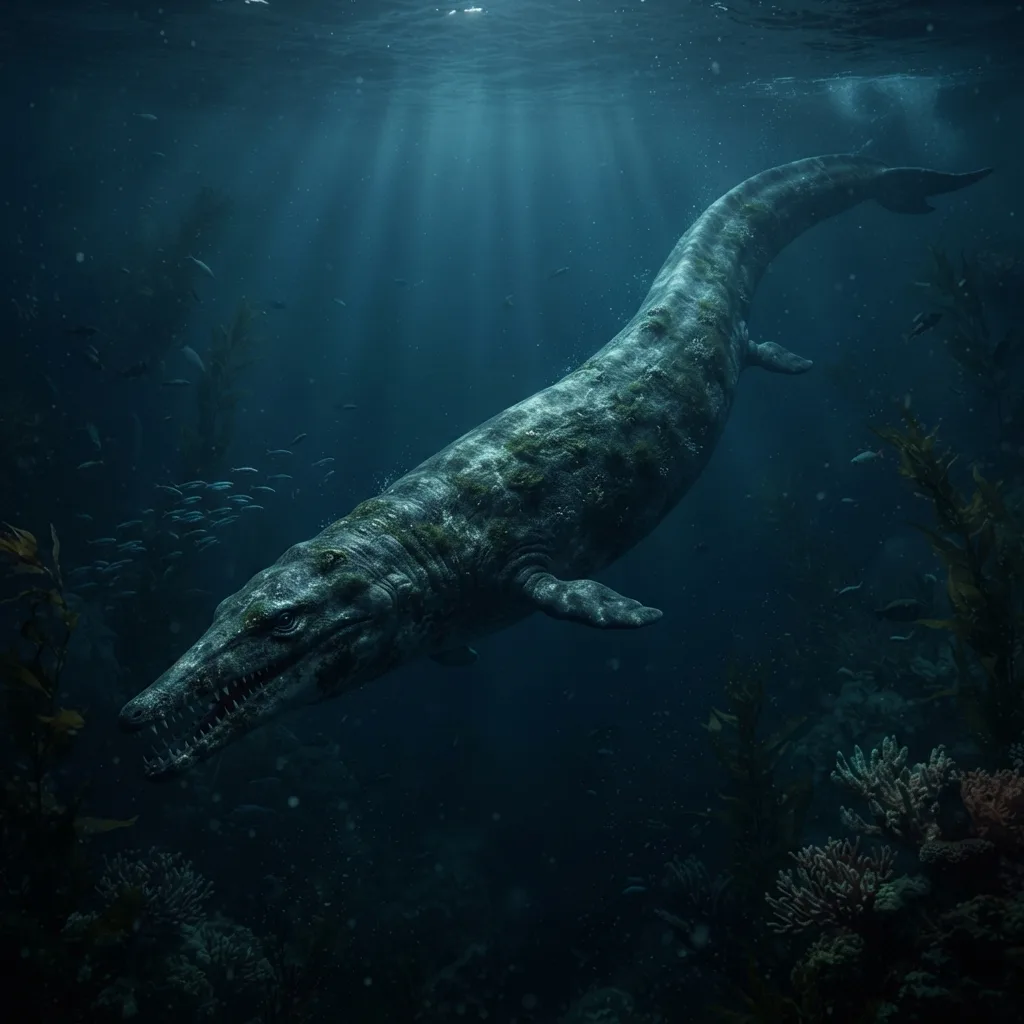
Basilosaurus was an early marine whale from the Eocene (35 million years ago). Originally mistaken for a reptile, it possessed an elongated body up to 18 meters long and tiny, vestigial hind feet.

Reached 18 meters long with vestigial hind limbs.

Basilosaurus

Leicester Devil

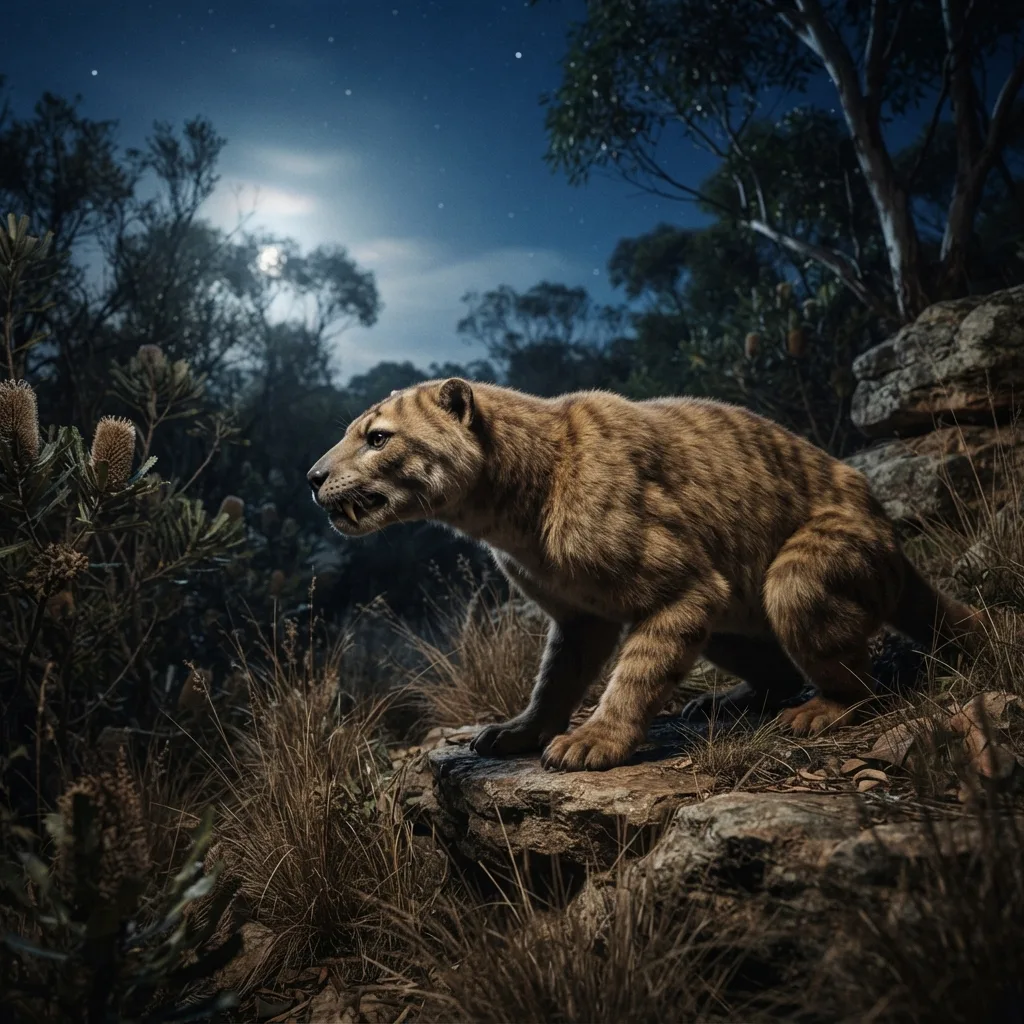
The lion-sized marsupial carnivore.

An ancient Australian carnivorous marsupial equipped with bone-crushing jaws. Hunting during prehistoric nights, it competed with predatory reptiles for apex dominance.

Leicester Devil

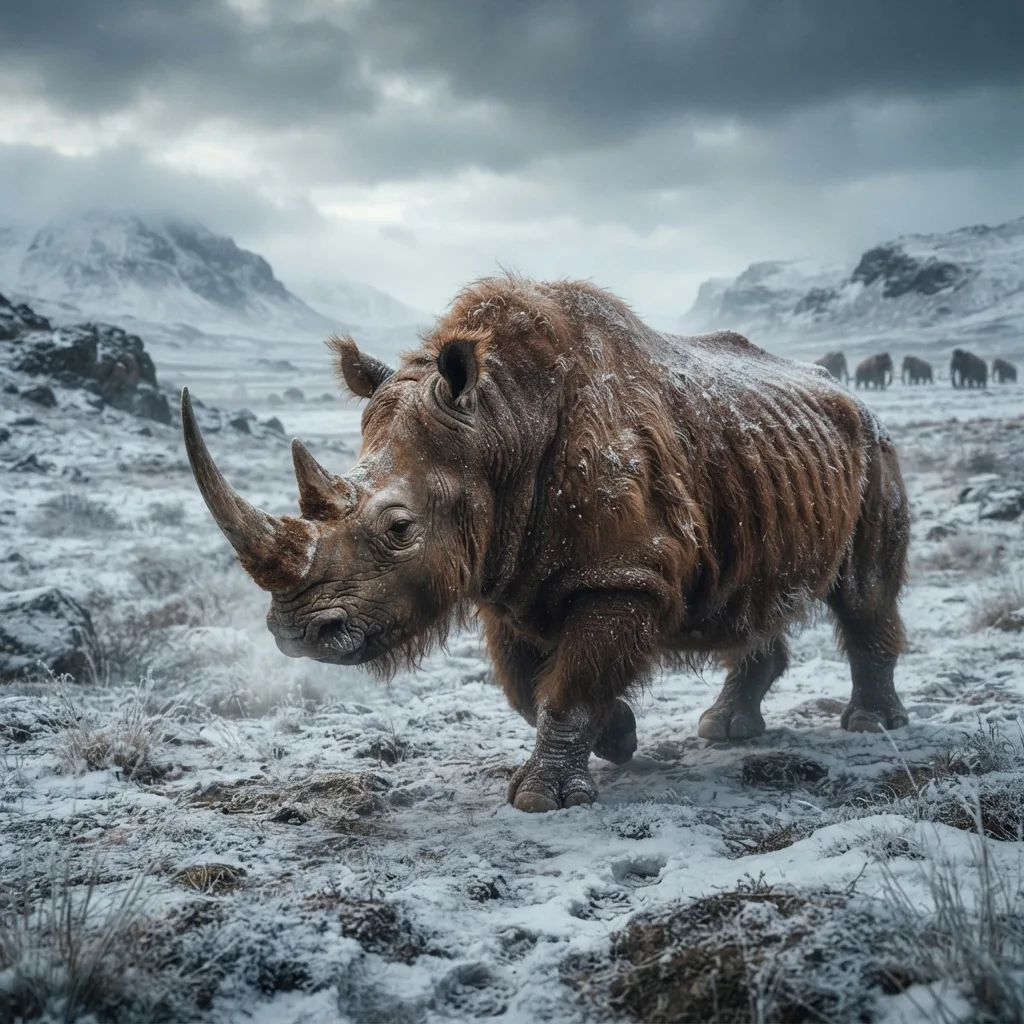
Woolly Rhinoceros

The Ice Age armored tank.

Coelodonta antiquitatis roamed Eurasian cold steppes during the Pleistocene. Covered in dense fur and possessing a flattened horn, it grazed on tundra vegetation alongside mammoths.

Thick fur protected it against -40°C temperatures.

Woolly Rhinoceros

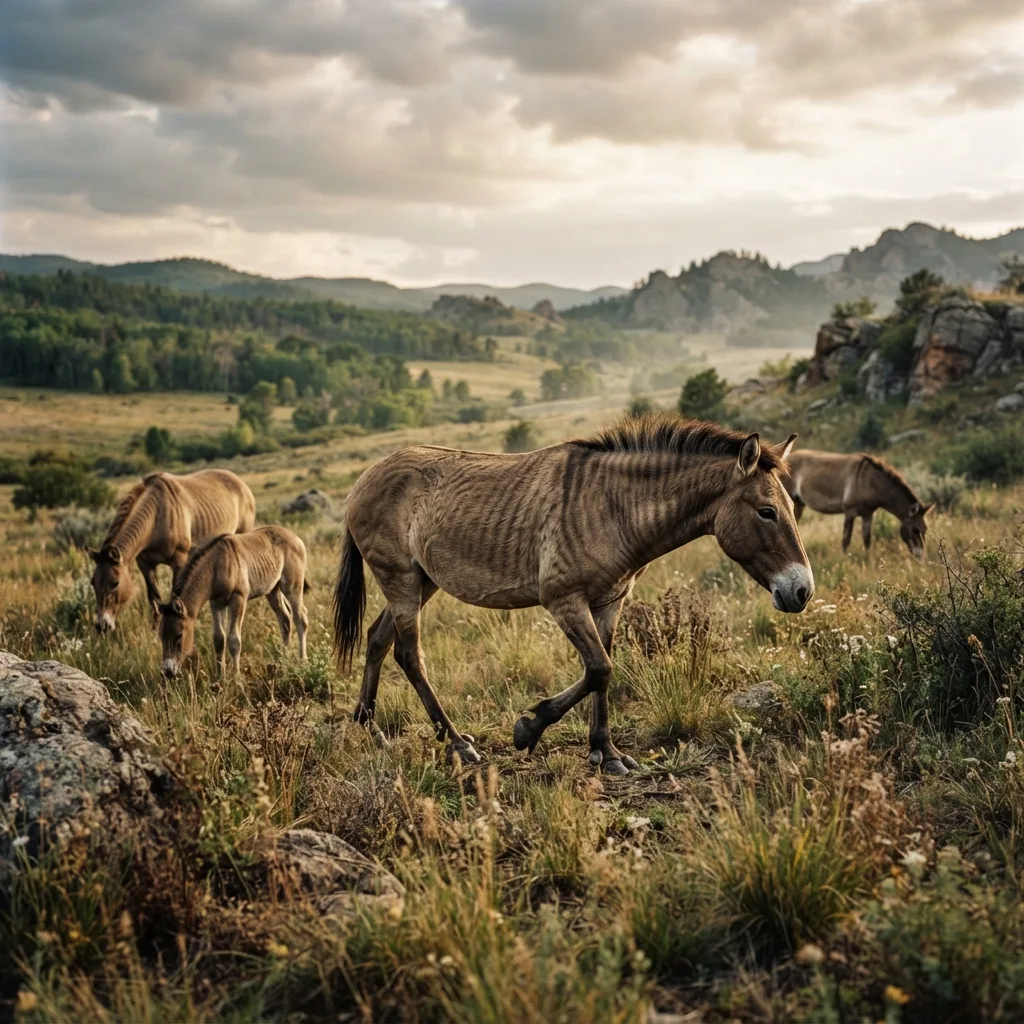
American Horse (Hipparion)

Horses that migrated across continents.

Hipparion was a genus of three-toed horses that originated in North America before spreading across Eurasia and Africa, flourishing for millions of years before going extinct.

Evolvers in North America before spreading to Eurasia.

American Horse (Hipparion)

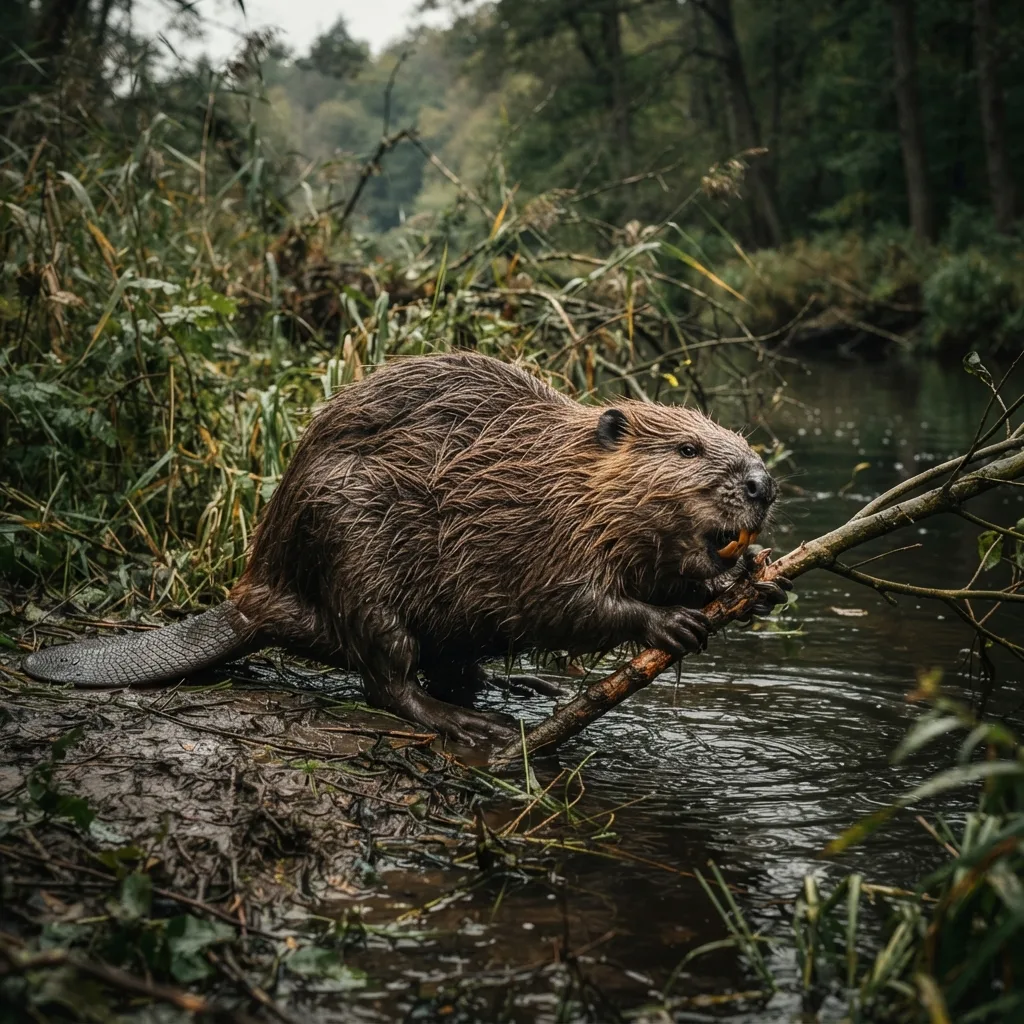
Giant Eurasian Beaver

The bear-sized rodent.

Trogontherium was a giant Pleistocene beaver that inhabited Eurasian waterways. Reaching 2.5 meters in length, its massive cutting teeth allowed it to forage in ancient wetland ecosystems.

Measured 2.5 meters long and weighed 200 kg.

Giant Eurasian Beaver

Forms distort as evolution experimented without boundaries.

8

Deep Abyssal Zone

9,000 meters

Marine apex predators and Cambrian oddities.

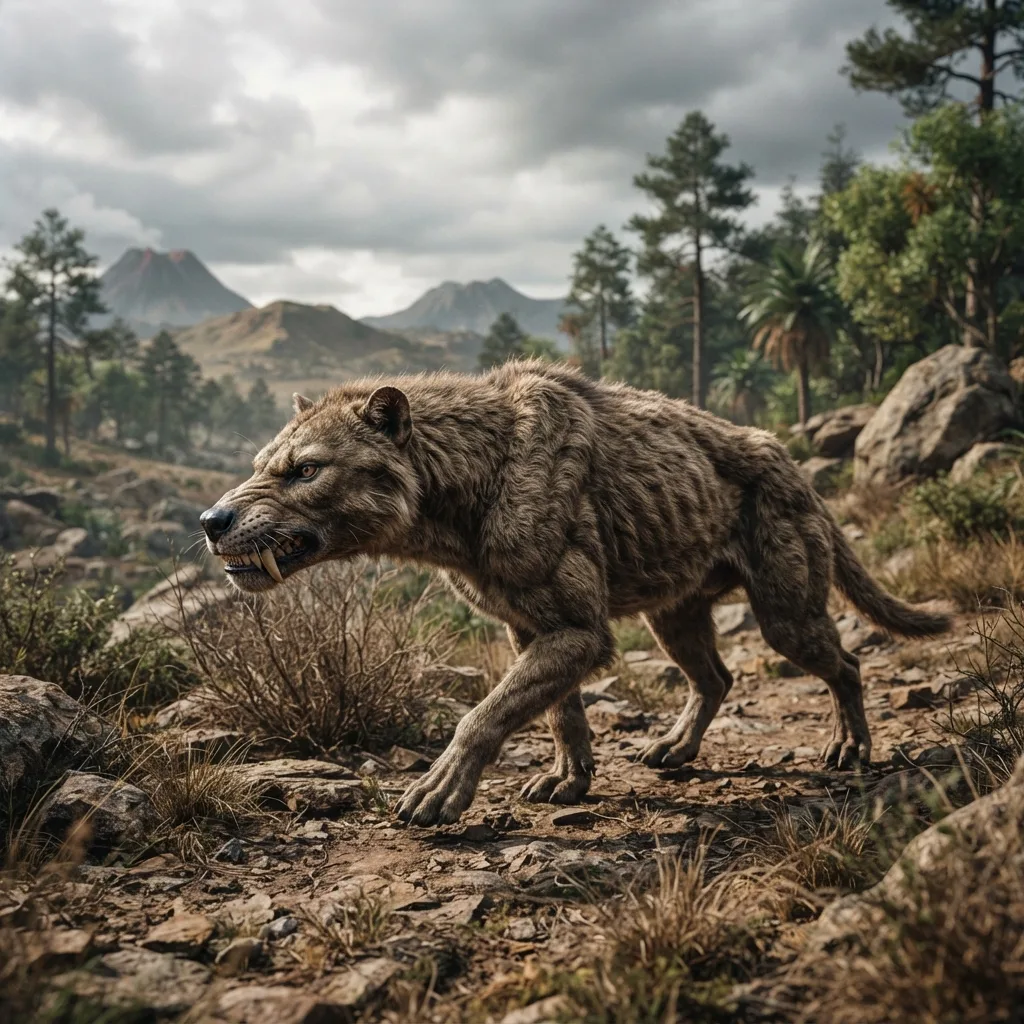
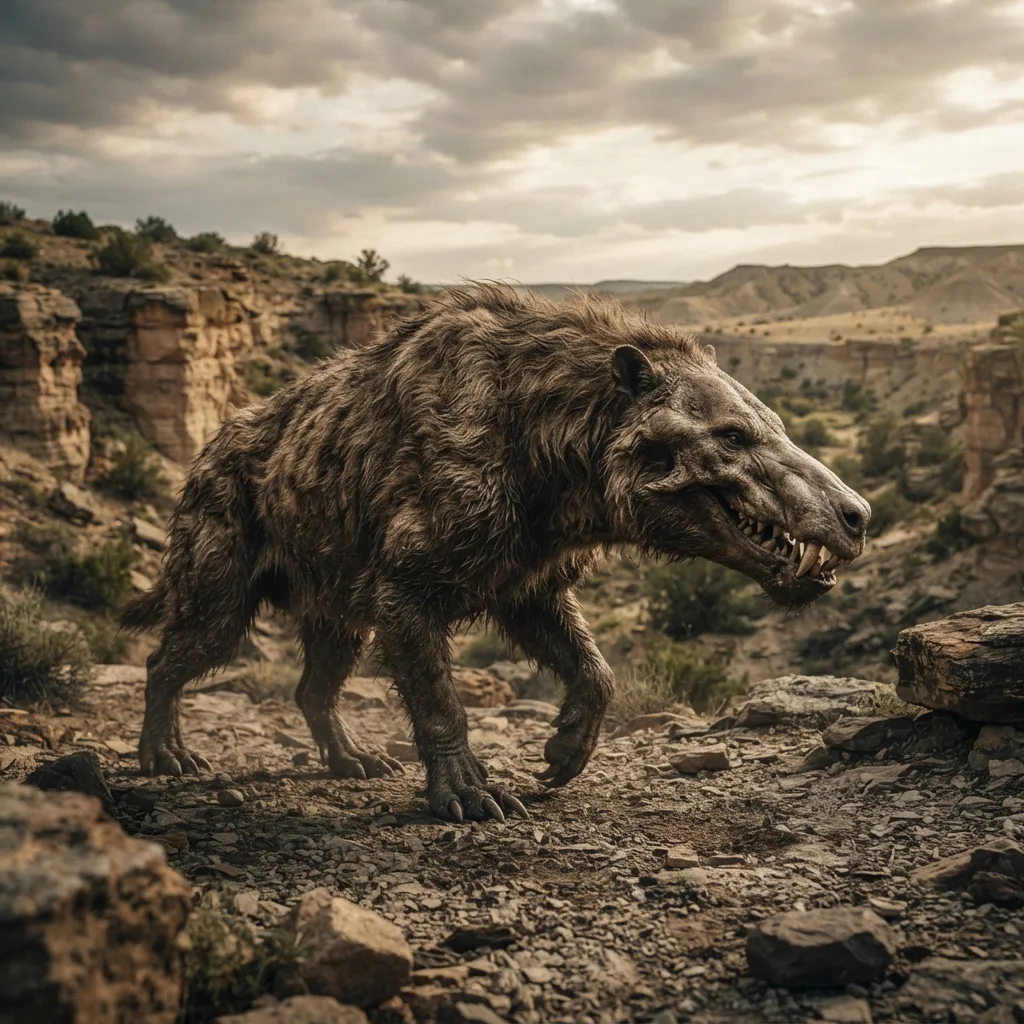
Hyaenodon

Carnivorous mammals before modern cats.

Hyaenodon was a long-lived genus of creodont predators that dominated North America, Europe, and Asia. Possessing powerful shearing jaw muscles, they occupied top predator niches for 15 million years.

Ruled apex niches before modern felids emerged.

Hyaenodon

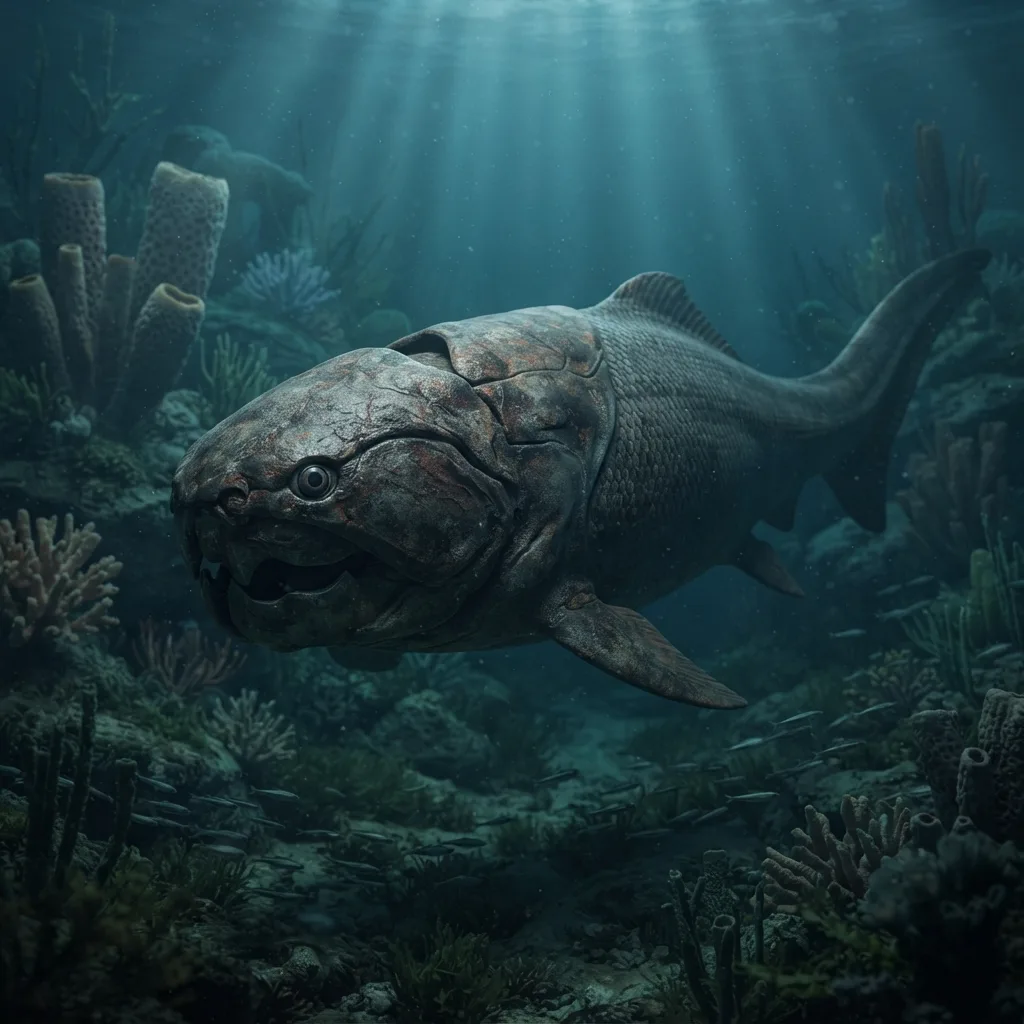
Dunkleosteus

The Devonian armored apex predator.

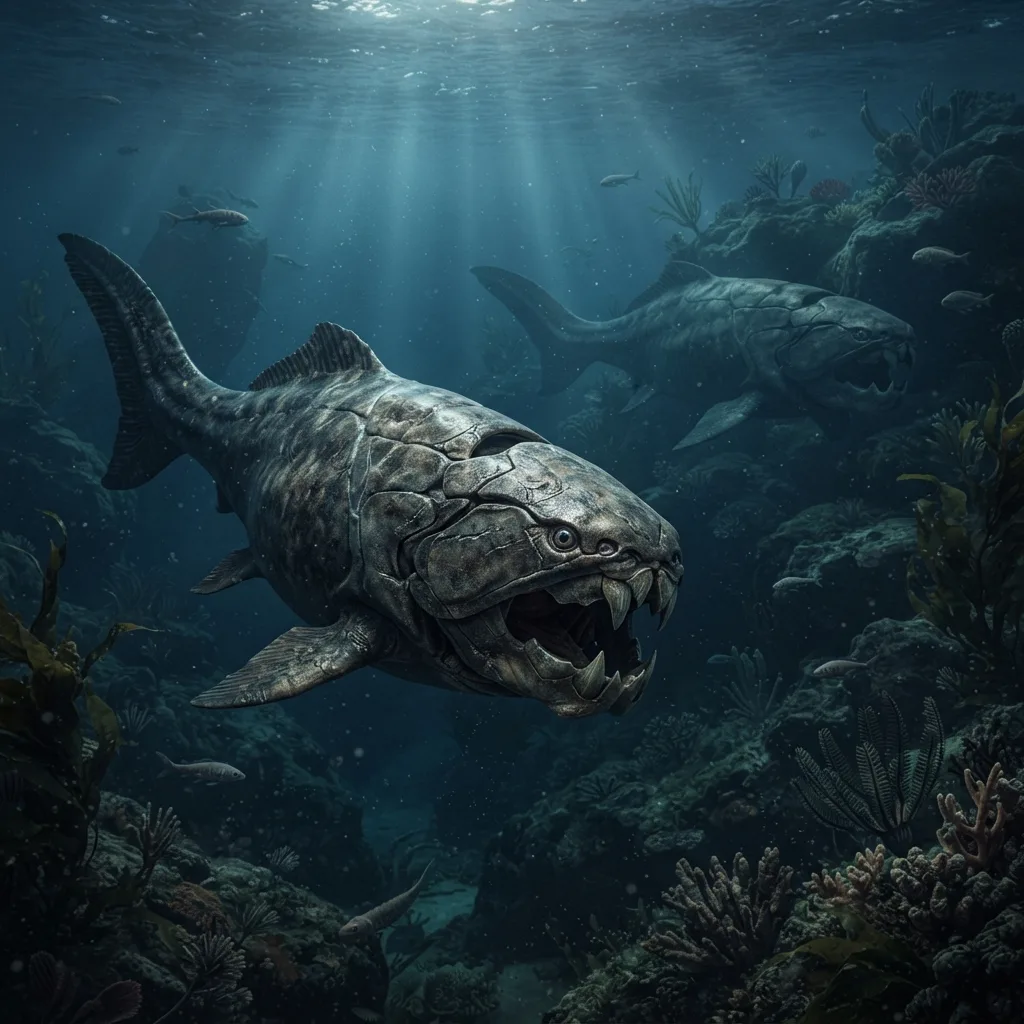
Dunkleosteus was a giant placoderm fish that roamed Late Devonian oceans 360 million years ago. Lacking true teeth, its armored jaws featured self-sharpening bony blades capable of snapping prey in half.

Reached 9 meters in length with blade-like jaw plates.

Dunkleosteus

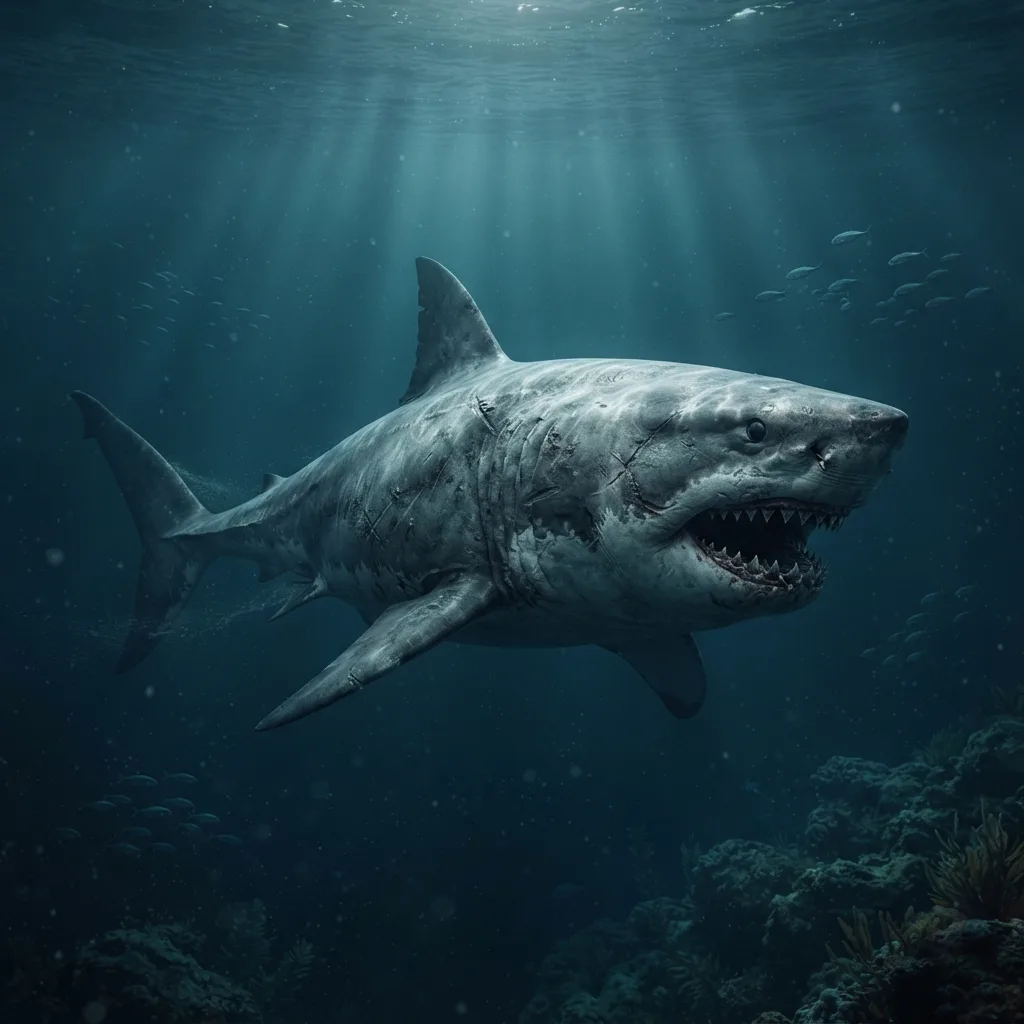
Megalodon

The largest shark in Earth's history.

Otodus megalodon dominated Neogene oceans between 23 and 3.6 million years ago. Reaching estimated lengths of 15–18 meters, its bite force exceeded 100,000 newtons, preying on prehistoric whales.

Teeth measured up to 19 centimeters long.

Megalodon

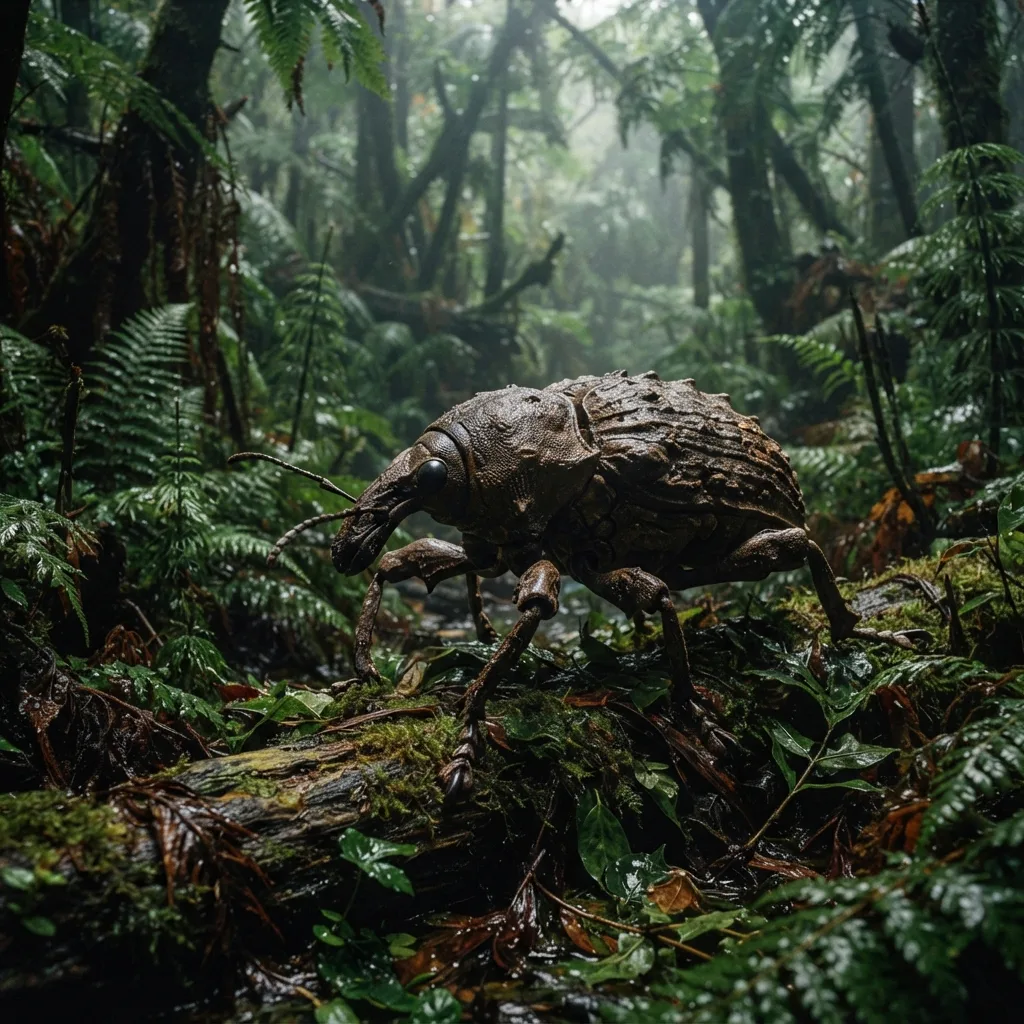
Listronotus

The giant Paleozoic beetle relative.

An ancient arthropod lineage that attained impressive dimensions on early continents. Its chitinous exoskeleton provided protection against early terrestrial predators.

Listronotus

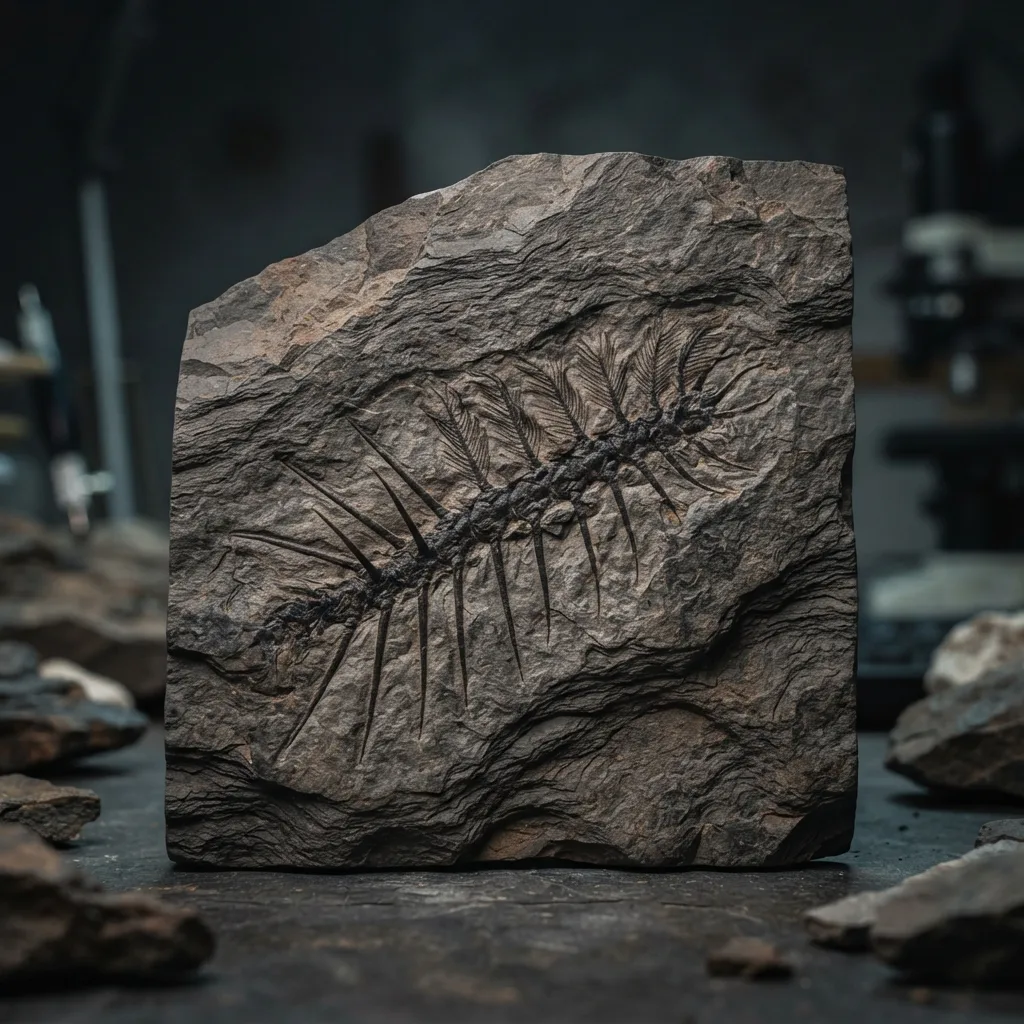
Hallucigenia

The most bizarre creature of the Cambrian.

Hallucigenia is an iconic Cambrian animal discovered in the Burgess Shale. Featuring rows of dorsal spines and tubular legs, its anatomical orientation was debated by paleontologists for decades.

Named for its surreal, hallucinatory appearance.

Hallucigenia

Time loses meaning. We touch the dawn of complex life.

9

Upper Hadal Zone

11,000 meters

Titanic serpents and ancient marine creatures.

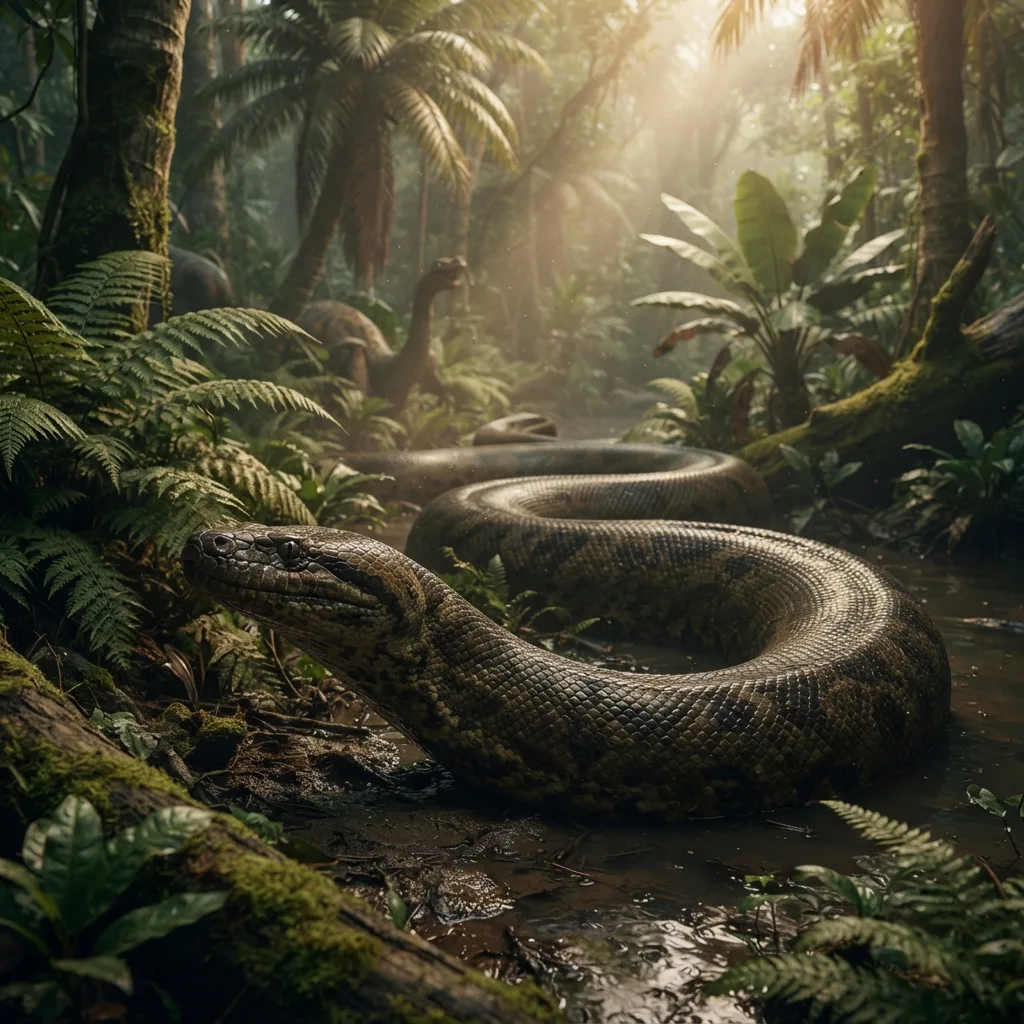
Titanoboa

The largest snake in Earth's history.

Titanoboa cerrejonensis lived in tropical South American rainforests 60 million years ago. Reaching 13–15 meters long and weighing 1,100 kg, it hunted in warm Paleocene waterways.

Reached 13 to 15 meters long and weighed over a ton.

Titanoboa

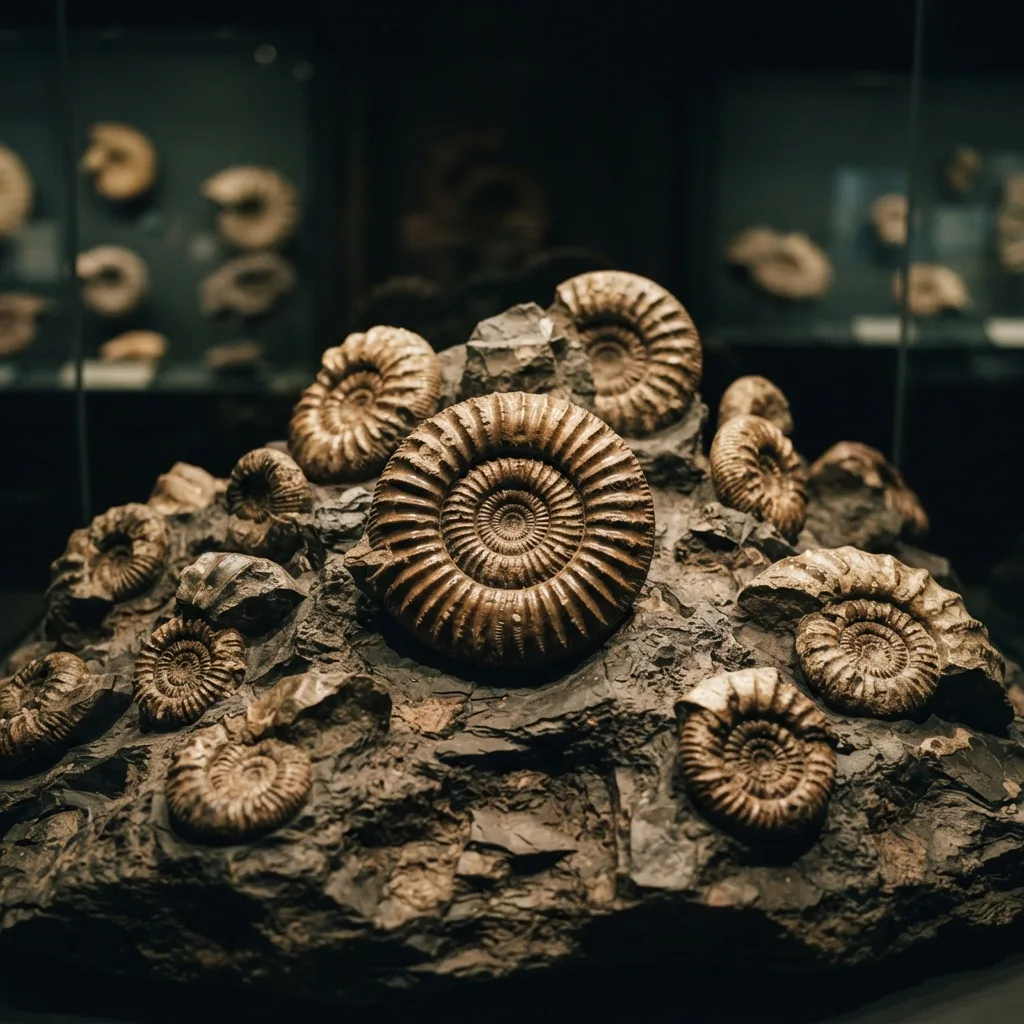
Ammonites

Index fossils of the Mesozoic Era.

Ammonites were marine cephalopods featuring chambered spiral shells. Flourishing for 300 million years, they serve as crucial index fossils until vanishing in the Cretaceous-Paleogene extinction.

Coiled shells tracking millions of years of geological time.

Ammonites

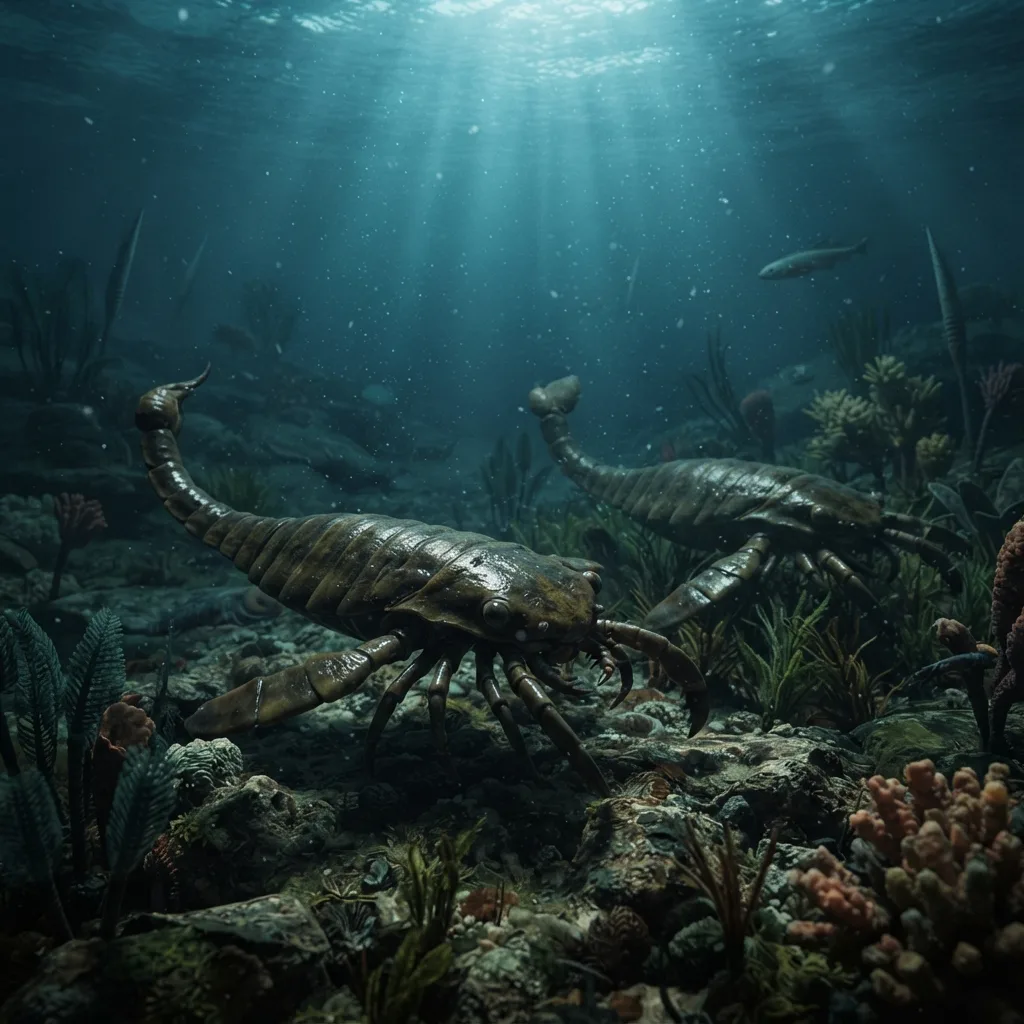
Eurypterids (Sea Scorpions)

Giant marine arthropods.

Eurypterids were ancient chelicerate arthropods that ruled Paleozoic waters. Species like Jaekelopterus rhenaniae reached 2.5 meters, acting as top marine predators.

Some species exceeded 2.5 meters in length.

Eurypterids (Sea Scorpions)

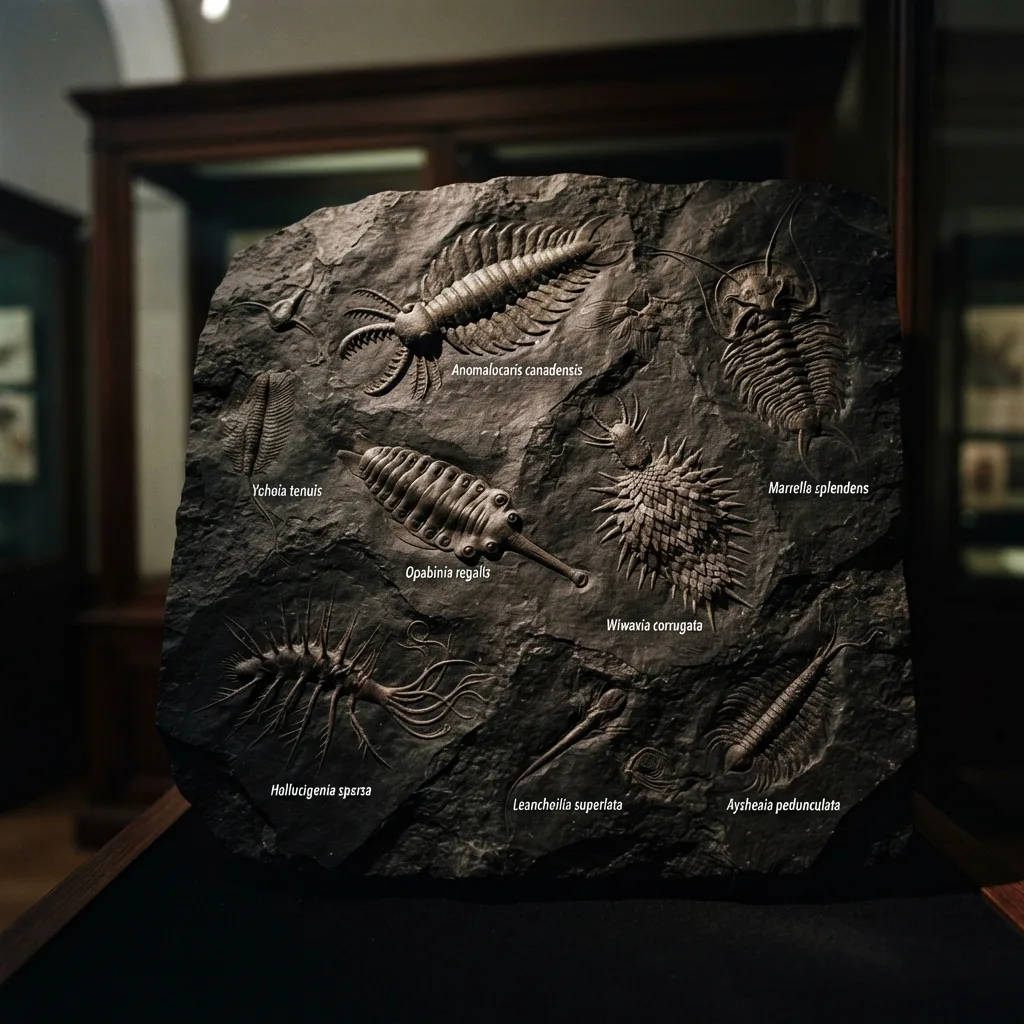
Cambrian Oddities

Failed evolutionary experiments.

During the Cambrian Explosion, animal life experimented with bizarre body architectures. Many of these strange anatomical designs vanished without leaving modern descendants.

Body plans forgotten by nature.

Cambrian Oddities

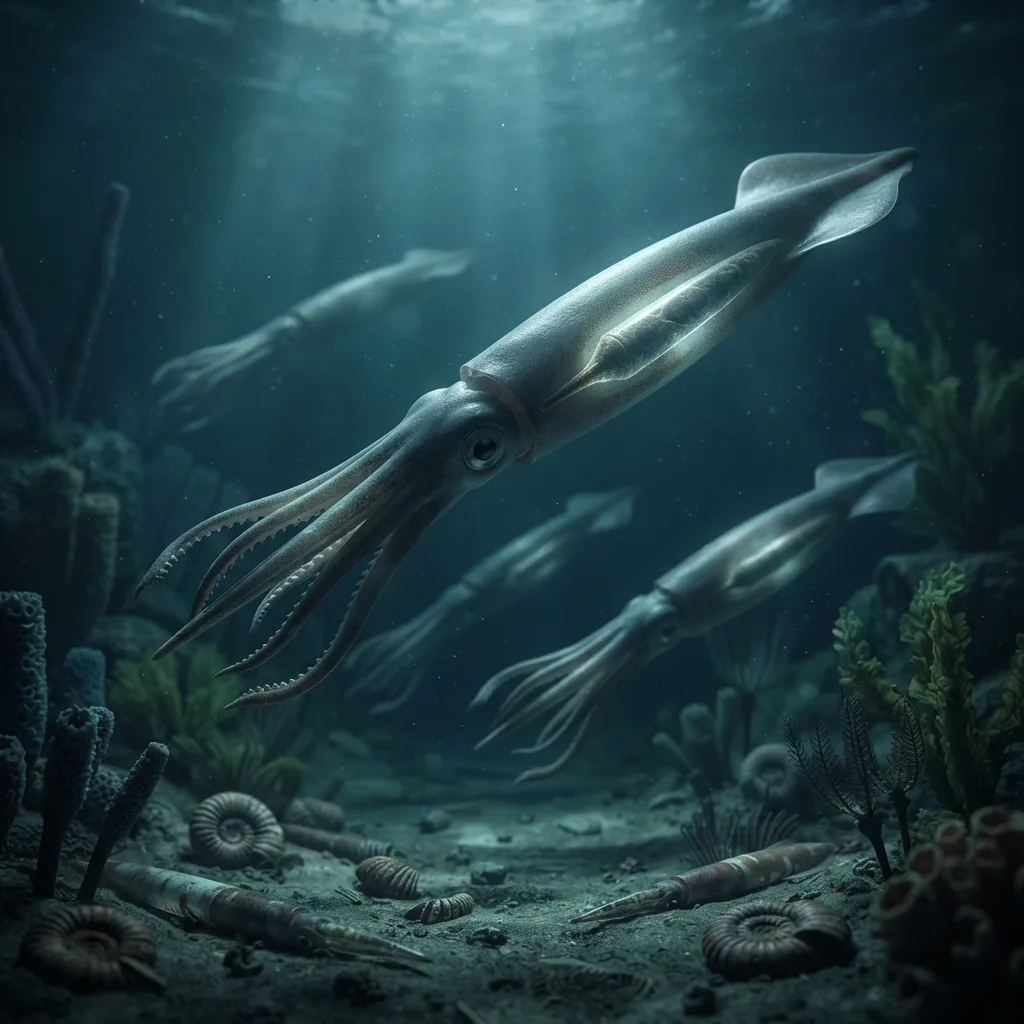
Giant Belemnites

Armored Mesozoic squids.

Belemnites were internal-shelled squid-like cephalopods that filled Mesozoic seas. Their bullet-shaped calcified guards are abundant in Jurassic and Cretaceous marine strata.

Giant Belemnites

Pressure is immense. Only robust lineages endured.

10

Mid Hadal Zone

13,000 meters

Colossal trilobites and impossible early biotas.

Transitional Archosauromorphs

Forgotten reptilian stepping stones.

Intermediate reptile lineages bridging early amniotes and dominant archosaurs. Fragmentary fossils document critical evolutionary transitions across Triassic recovery periods.

Transitional Archosauromorphs

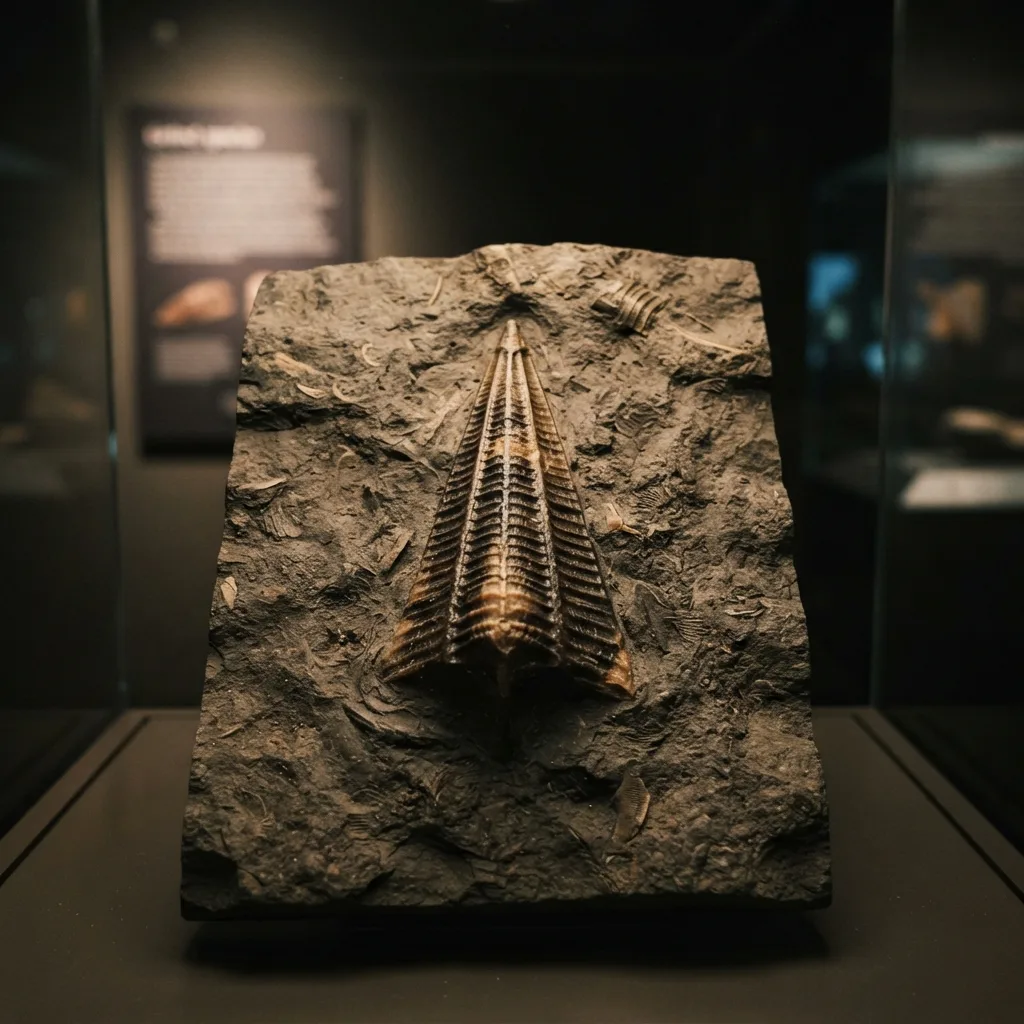
Conulariids

Shell-bearing cnidarians of mystery.

Conulariids were extinct marine organisms possessing four-sided pyramidal test shells. Persisting from the Ordovician to the Triassic, their precise taxonomic placement remains uncertain.

Their biological classification remains debated.

Conulariids

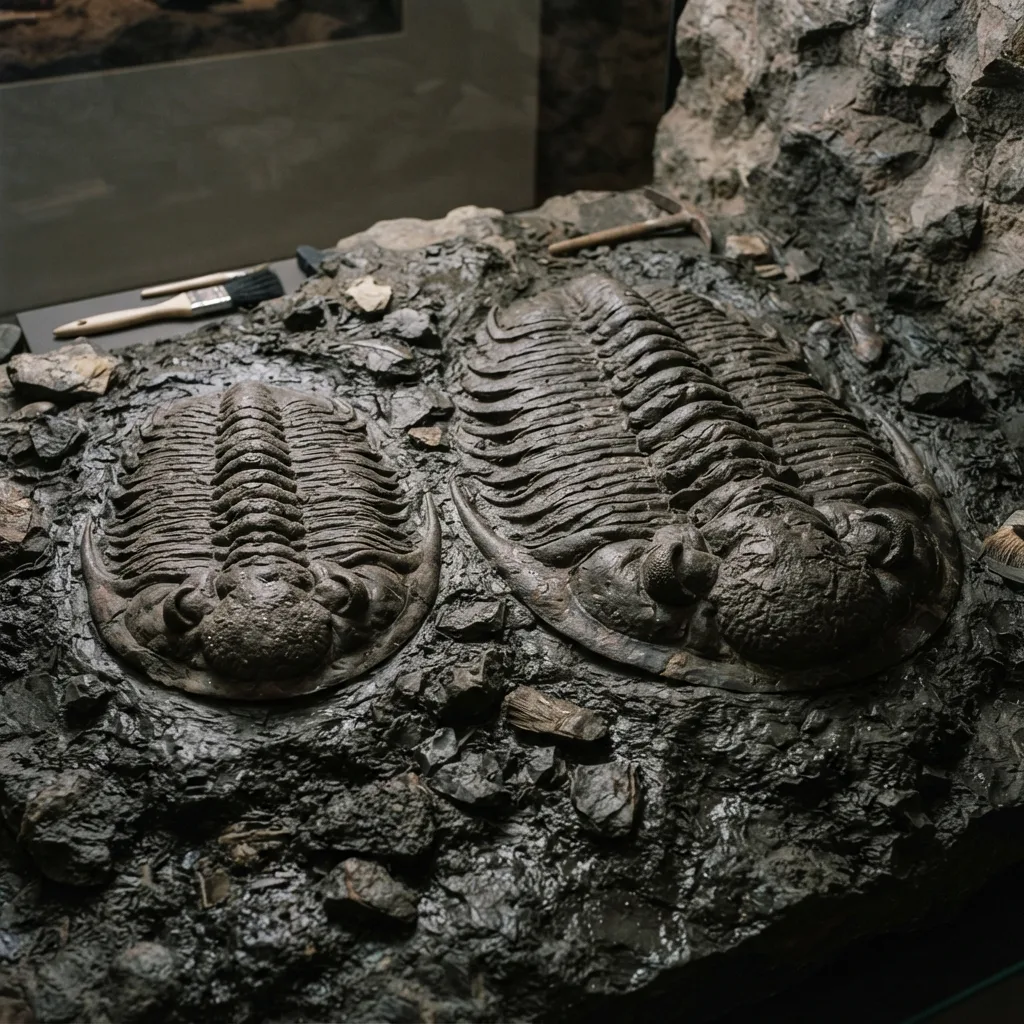
Giant Trilobites

Armored Paleozoic arthropods.

Ordovician trilobite species like Hungioides bohemicus grew up to 70 cm long. These benthic marine arthropods dominated seafloors across 270 million years of Earth history.

Some specimens reached 70 centimeters long.

Giant Trilobites

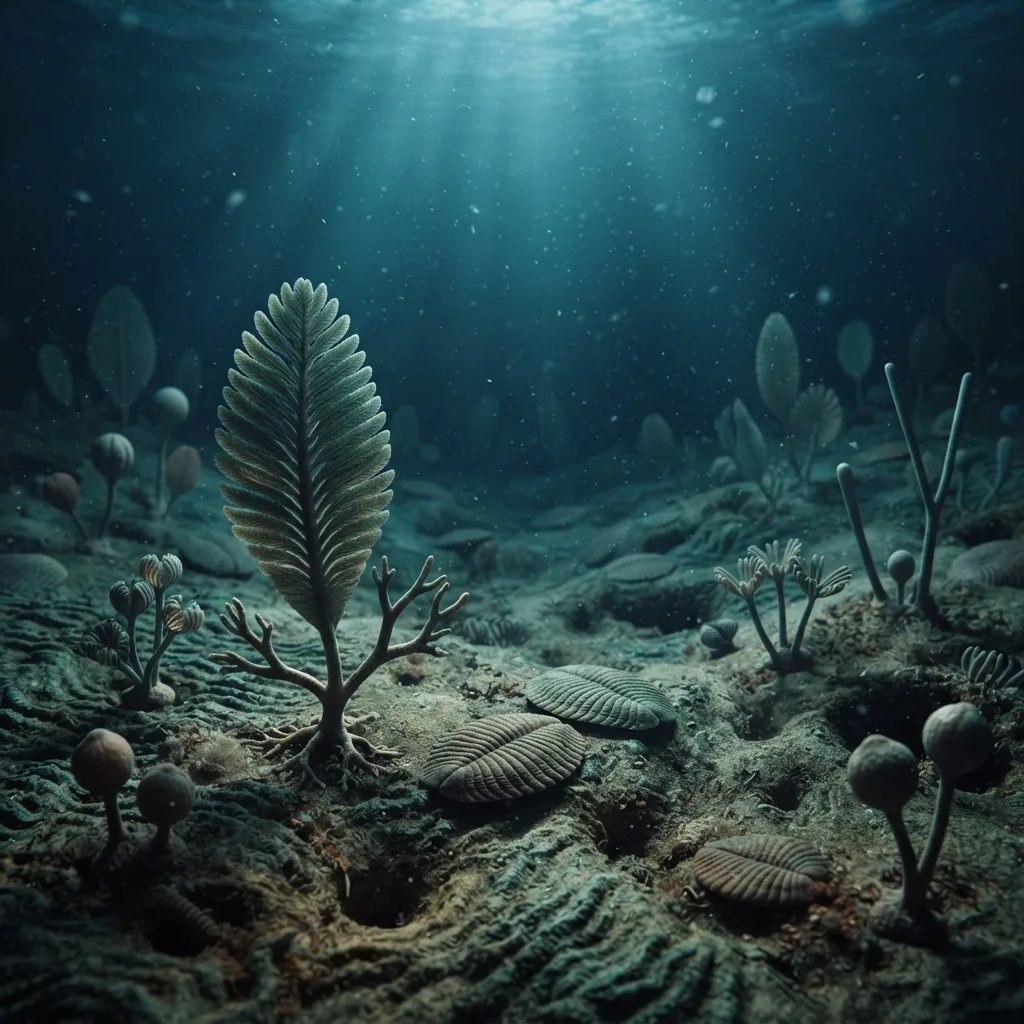
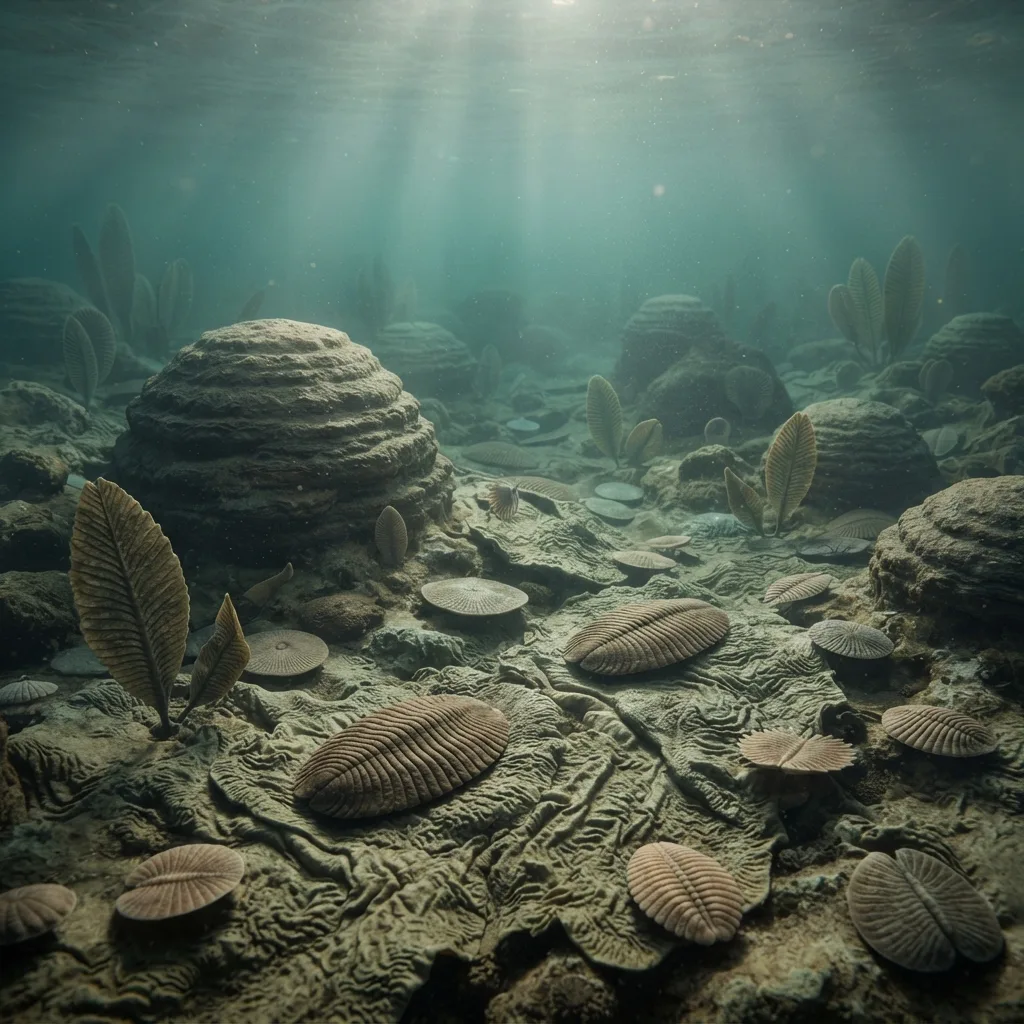
Strange Ediacaran Organisms

The earliest complex multicellular life.

The Ediacaran biota represents Earth's first macroscopic multicellular ecosystems. Soft-bodied organisms exhibiting quilt-like or radial frond architectures thrived prior to the Cambrian.

Existed 635 to 542 million years ago.

Strange Ediacaran Organisms

Ancient Paleozoic Reef Systems

Fossilized underwater cities.

Early reef systems built by stromatoporoids, rugose corals, and calcified sponges created massive marine habitats that collapsed during past mass extinction events.

Submerged marine communities billions of years old.

Ancient Paleozoic Reef Systems

Oxygen thins. Primitive atmospheres barely sustain life.

11

Deep Hadal Zone

15,000 meters

Terror birds and experimental Cenozoic mammals.

Ichthyornis

The toothed Cretaceous seabird.

Ichthyornis was a Cretaceous seabird resembling modern terns, yet retaining sharp teeth set in its jaws and primitive biconcave vertebrae, marking avian evolutionary steps.

Possessed fish-like biconcave vertebrae.

Ichthyornis

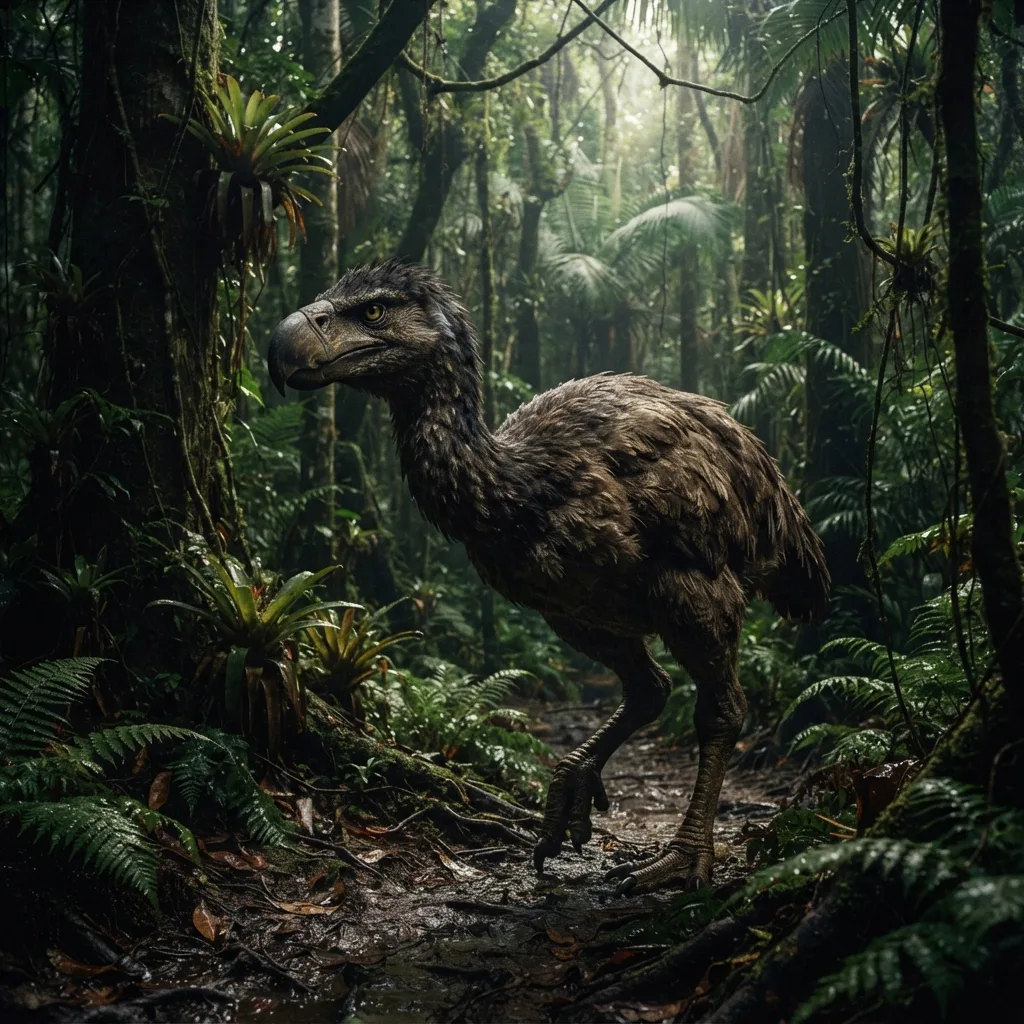
Phorusrhacidae (Terror Birds)

Apex avian predators of South America.

Phorusrhacids were large flightless carnivorous birds that ruled South America during the Cenozoic. Equipped with massive hooked beaks, they ran down prey on open plains.

Stood up to 3 meters tall with hooked beaks.

Phorusrhacidae (Terror Birds)

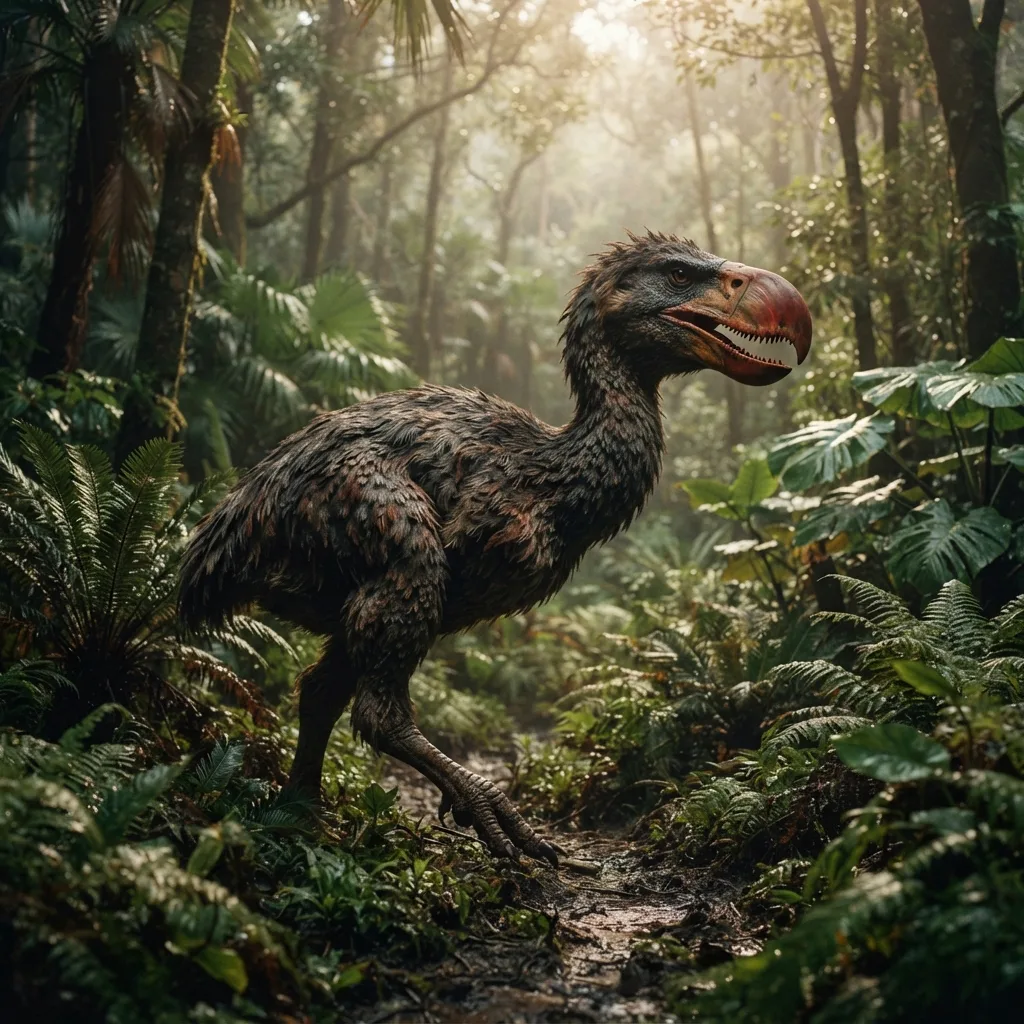
Gastornis

The giant Eocene bird.

Gastornis was a massive flightless bird that inhabited Paleogene forests in Europe and North America. Standing 2 meters tall, its powerful bill remains a subject of diet study.

Possessed a powerful bone-crushing beak.

Gastornis

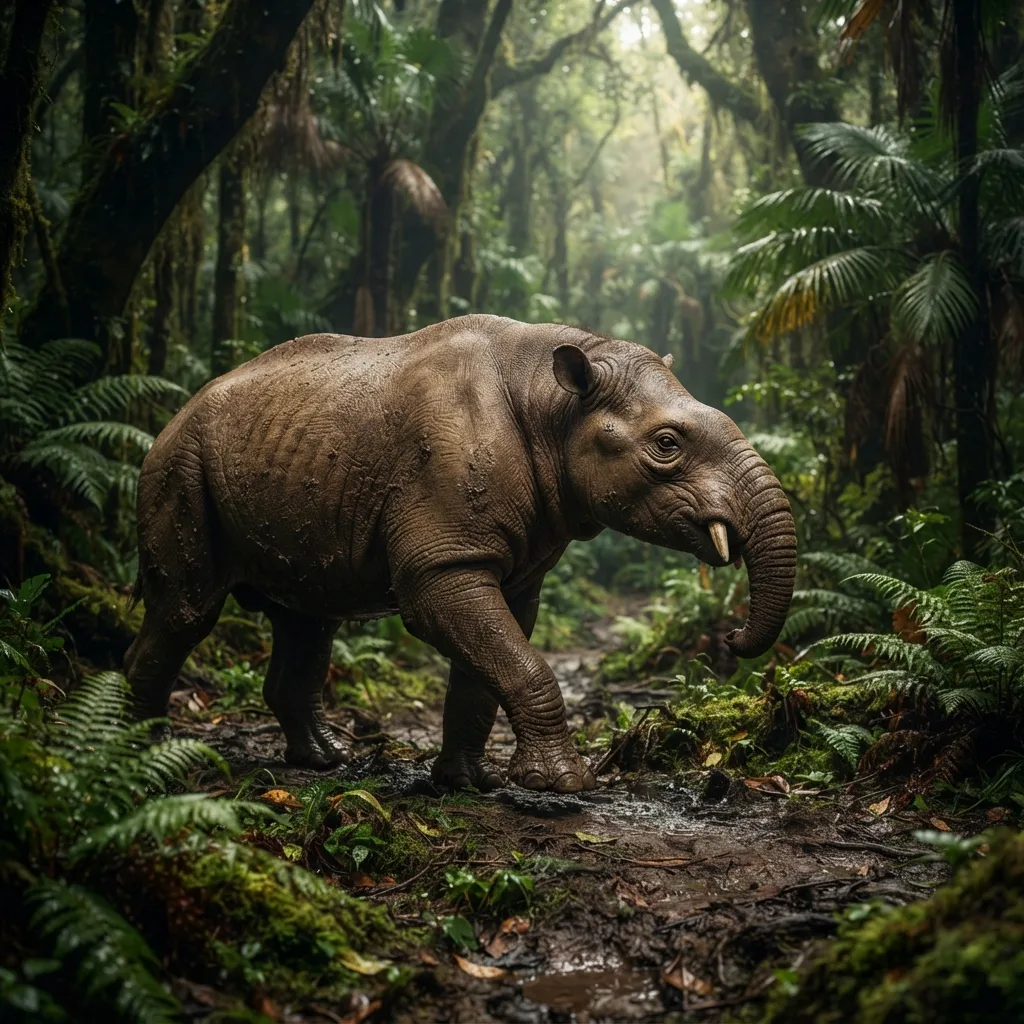
Astrapotherium

The trunked South American ungulate.

Astrapotherium was an enigmatic South American ungulate featuring a tapir-like proboscis and down-curved tusks, illustrating South America's long period of evolutionary isolation.

Reached 3 meters long with tusk-like teeth.

Astrapotherium

Andrewsarchus

The giant Eocene predatory mammal.

Andrewsarchus was a colossal Eocene mammal known from a massive skull discovered in Mongolia. Related to artiodactyls, it was one of the largest terrestrial carnivorous mammals ever.

Skull measured 83 centimeters in length.

Andrewsarchus

Light is a memory. Only shadows and echoes remain.

12

Abyssal Zone

17,000 meters

Vanished evolutionary branches and lost lineages.

Dwarf Dinornithids

Small, overlooked moa species.

Lesser-known small moa species occupied specialized forest understory habitats in New Zealand, going extinct alongside their giant relatives.

Dwarf Dinornithids

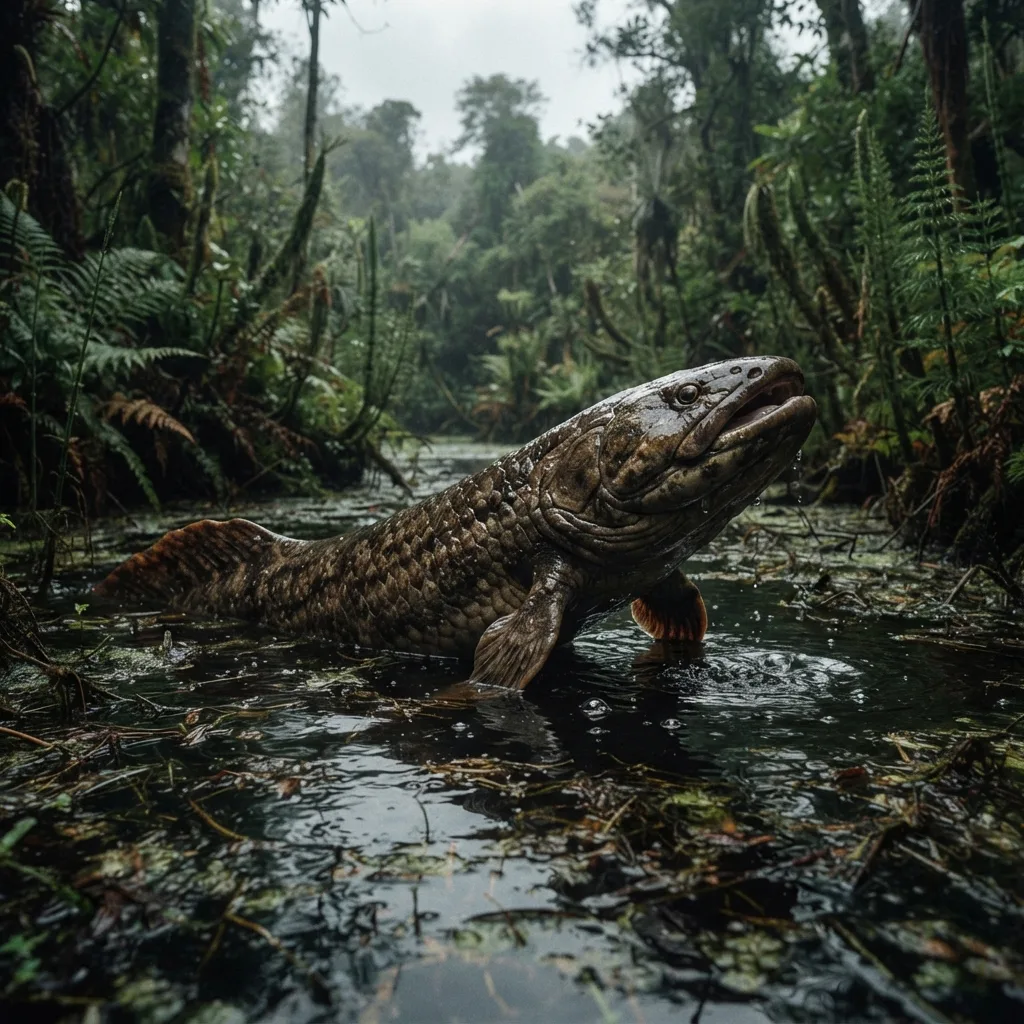
Giant Lungfish

Air-breathing Paleozoic fish.

Ancient dipnoans possessed lungs allowing them to breathe atmospheric air during seasonal droughts, representing close aquatic relatives of early tetrapods.

Survived severe mass extinction events.

Giant Lungfish

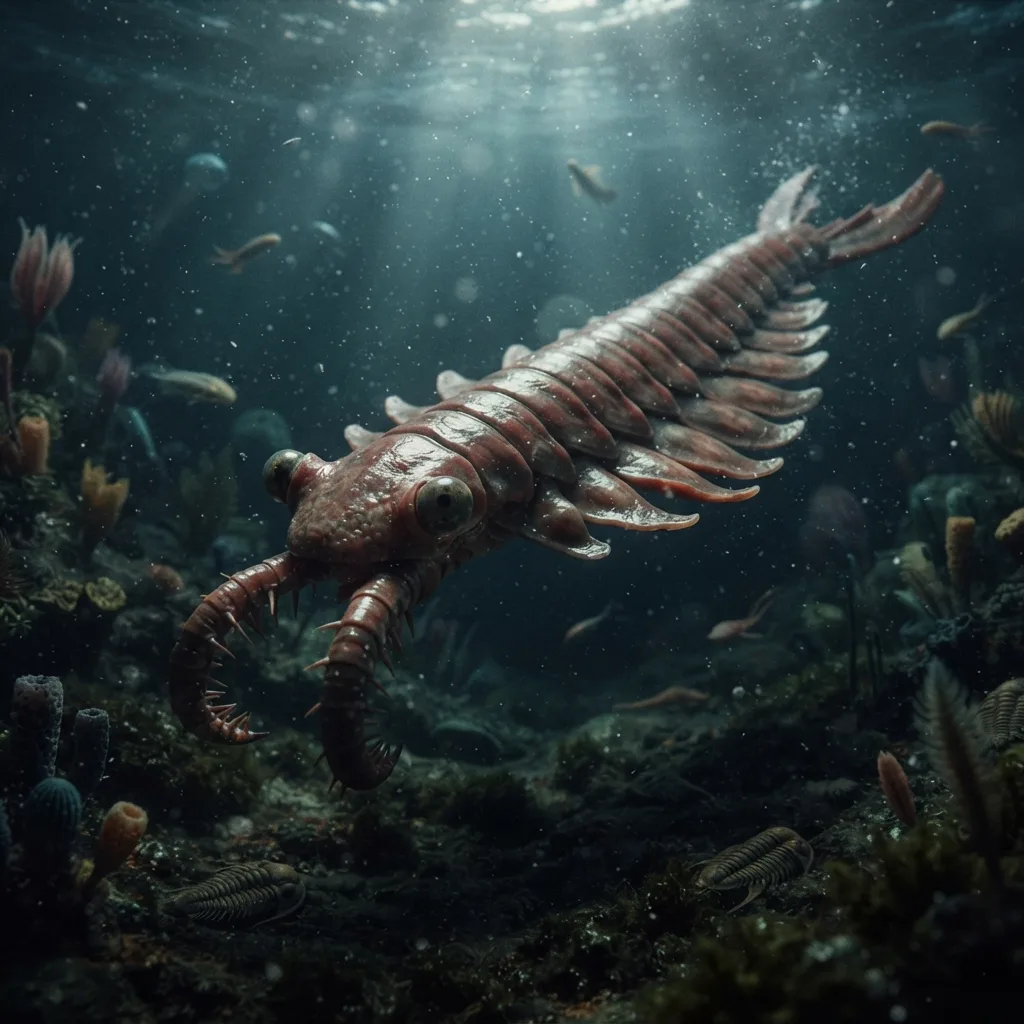
Anomalocaris

History's first apex superpredator.

Anomalocaris ruled Cambrian seas as the top marine predator. Equipped with compound eyes and frontal grasping appendages, it preyed on early trilobites.

Reached over 1 meter long during the Cambrian.

Anomalocaris

Placodonts

Armored marine reptiles of the Triassic.

Triassic marine reptiles possessing broad, flat tooth plates designed to crush shellfish, representing early reptilian adaptations to marine environments.

Placodonts

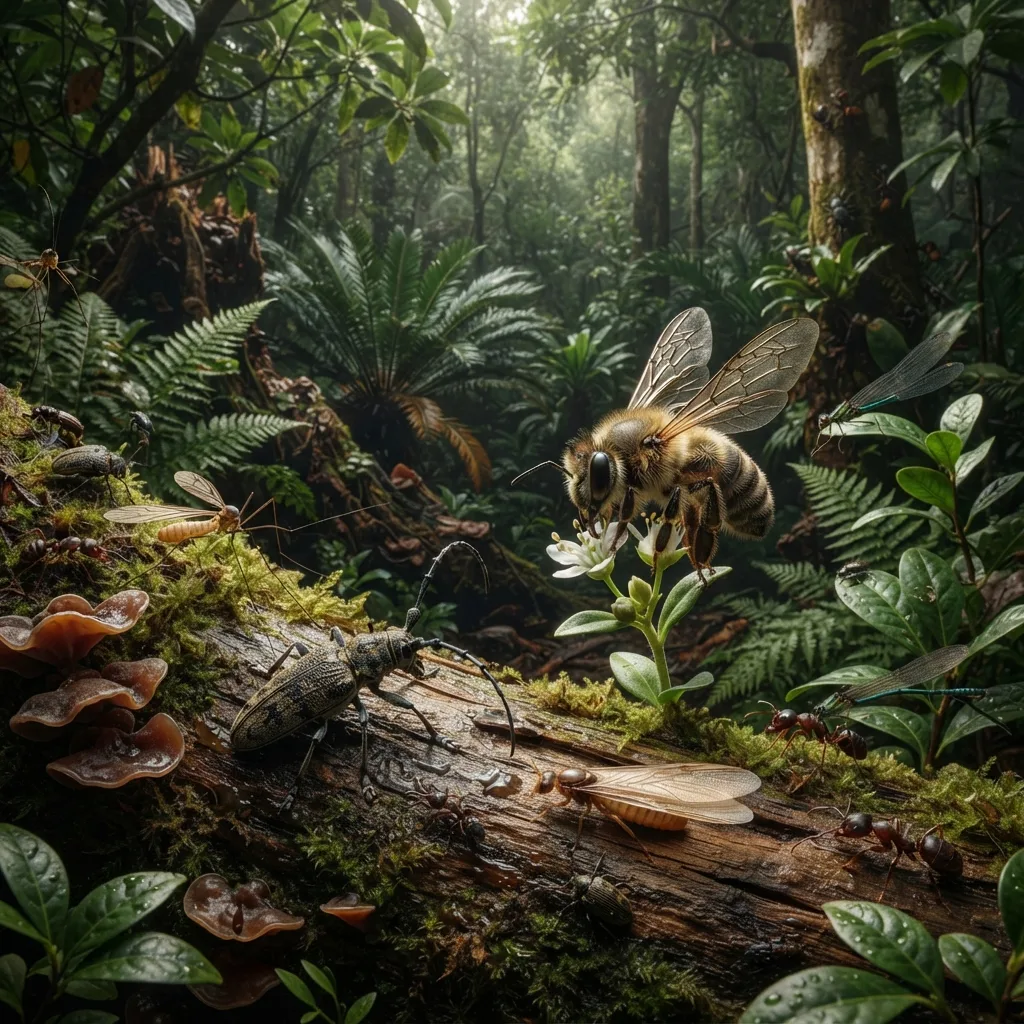
Paleocene Insects

Insects recovering after the K-Pg extinction.

Insect lineages that diversified rapidly following the Cretaceous extinction, co-evolving alongside emerging angiosperm flower plants.

Radiation following the demise of non-avian dinosaurs.

Paleocene Insects

The void surrounds us.

13

Trench Zone

19,000 meters

Lost genetic codes and ghost species.

Unknown Isotopic Signatures

Chemical footprints of unpreserved life.

Isotopic anomalies recorded in ancient sediments reveal metabolic activities of organisms that left no physical fossil remains behind.

Metabolic tracks in the rock record without fossil owners.

Unknown Isotopic Signatures

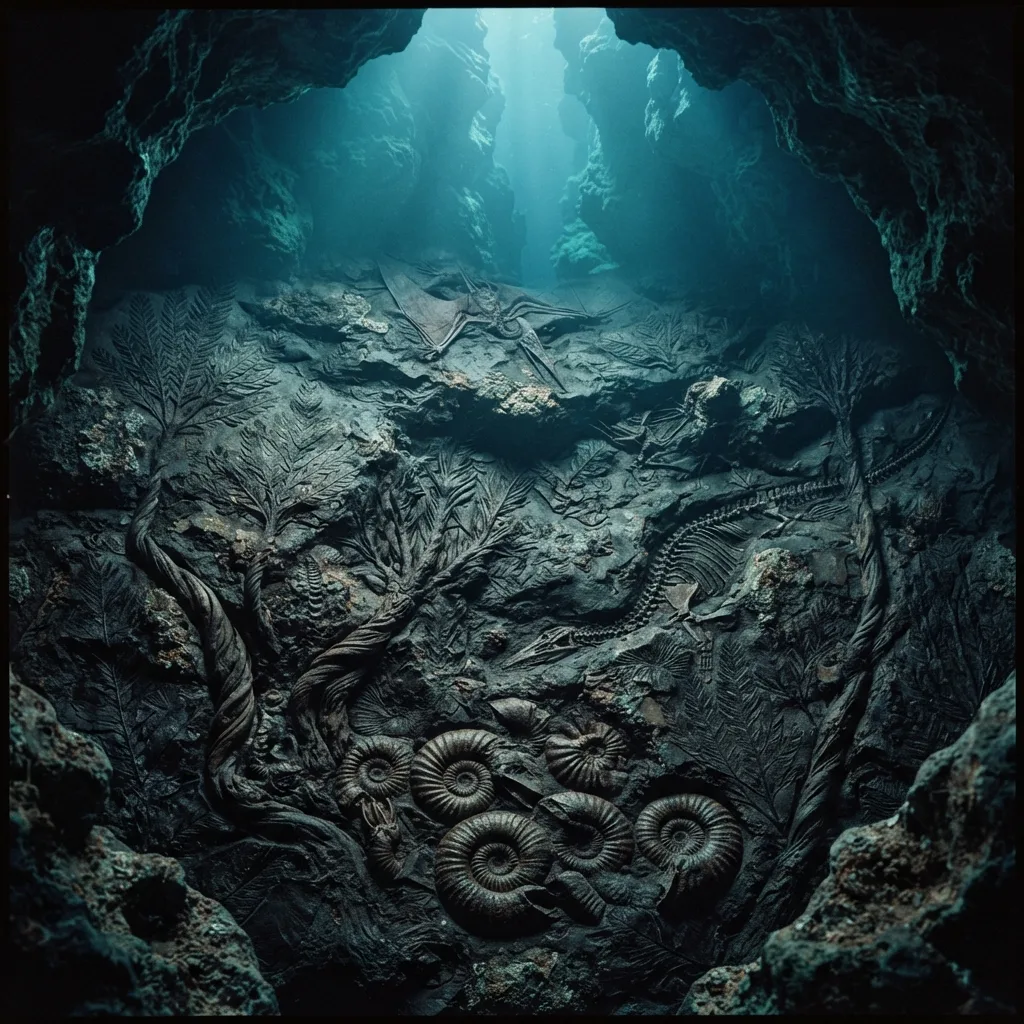
Unclassified Fossils

Incomplete puzzles of deep time.

Problematic fossil specimens that cannot be assigned to any known animal phylum, representing lost evolutionary experiments.

Specimen fragments defying taxonomic trees.

Unclassified Fossils

Unidentified Ancient DNA (eDNA)

Orphaned genetic sequences in deep sediments.

Environmental DNA fragments extracted from ancient permafrost and cave sediments matching no living or cataloged extinct organism.

Barcodes of species never seen by human eyes.

Unidentified Ancient DNA (eDNA)

Extinction-Erased Species

Casualties of global cataclysms.

Species eliminated entirely during Earth's Big Five mass extinctions before they could leave fossil traces.

Entire lineages wiped out in geological moments.

Extinction-Erased Species

Forever Lost Lineages

Broken branches of the tree of life.

Extinct higher taxa that left no living descendants, representing biological solutions pruned forever by natural selection.

Evolutionary innovations never to be repeated.

Forever Lost Lineages

Reality breaks down. Only fragments remain.

14

Total Abyssal Zone

21,000 meters

Microfossils and indecipherable Precambrian life.

Indecipherable Microfossils

Microscopic structures testing the definition of life.

Microscopic carbonaceous structures in Archean rocks whose biogenicity remains contested among astrobiologists.

Biological cell or inorganic crystal formation?

Indecipherable Microfossils

Ediacaran Biota Organisms

The earliest complex multicellular organisms.

Enigmatic frond-like and disk-shaped soft-bodied organisms that inhabited shallow seafloors prior to the Cambrian Explosion.

Thrived 600 million years ago.

Ediacaran Biota Organisms

Extinct Ancestral Bacteria

Earth's earliest metabolic pioneers.

Primitive anaerobic bacterial strains that flourished before the Great Oxidation Event, utilizing iron, sulfur, and methane pathways.

Ruled Earth for over 3 billion years.

Extinct Ancestral Bacteria

Ancestral Giant Viruses

Prehistoric genomic giants.

Ancient giant DNA viruses that infected early single-celled eukaryotes, retaining ancient genes dating back to early cellular evolution.

Genomes larger than some cellular bacteria.

Ancestral Giant Viruses

Precambrian Life Forms

Life before the explosion of diversity.

Stromatolite-building cyanobacteria and early eukaryotic cells that generated Earth's oxygenated atmosphere across éons.

4 billion years of silent microscopic evolution.

Precambrian Life Forms

Absolute silence.

15

The Eternal Abyss

Infinite meters

What we will never know, what left no trace.

Species We Will Never Know

The 99% of all life lost to time.

Over 99% of all species that ever lived on Earth left no fossil record, vanishing completely without a trace.

For every fossilized species, thousands vanished unrecorded.

Species We Will Never Know

Pre-Fossil Extinctions

Catastrophes on early Earth.

Early die-offs caused by atmospheric shifts and cosmic bombardments during the Archean and Proterozoic eons.

Mass die-offs before hard skeletons evolved.

Pre-Fossil Extinctions

Completely Lost Ecosystems

Entire worlds that vanished into deep subduction zones.

Whole marine and terrestrial biomes destroyed when ancient tectonic plates subducted into Earth's mantle.

Biological spheres lost to tectonic recycling.

Completely Lost Ecosystems

The Great Dying & Its Secrets

The Permian-Triassic extinction event.

Earth's most severe extinction event 252 million years ago, triggered by Siberian Traps volcanism, erasing almost all marine life.

96% of all marine species vanished.

The Great Dying & Its Secrets

Life That Existed Without a Trace

The ultimate silence.

Unrecorded biological lineages that occupied ancient niches, leaving only the vast silence of deep geological time.

They existed, lived, and died without witnesses.

Life That Existed Without a Trace

There is no return. Only the void remains.

Nivel 1/150 meters

Has llegado al fondo.

Todo iceberg termina aquí.

Pero siempre hay otro esperando
ser explorado.

Explorar otro iceberg