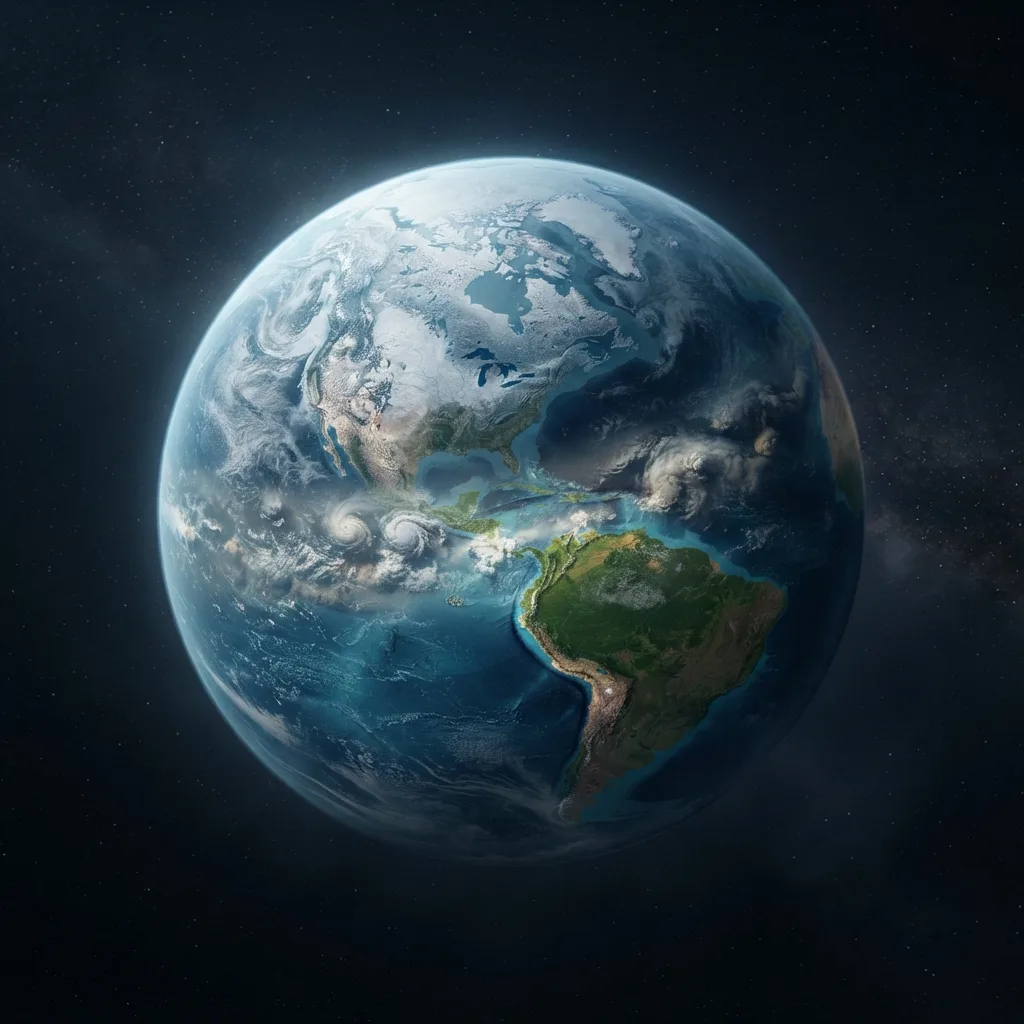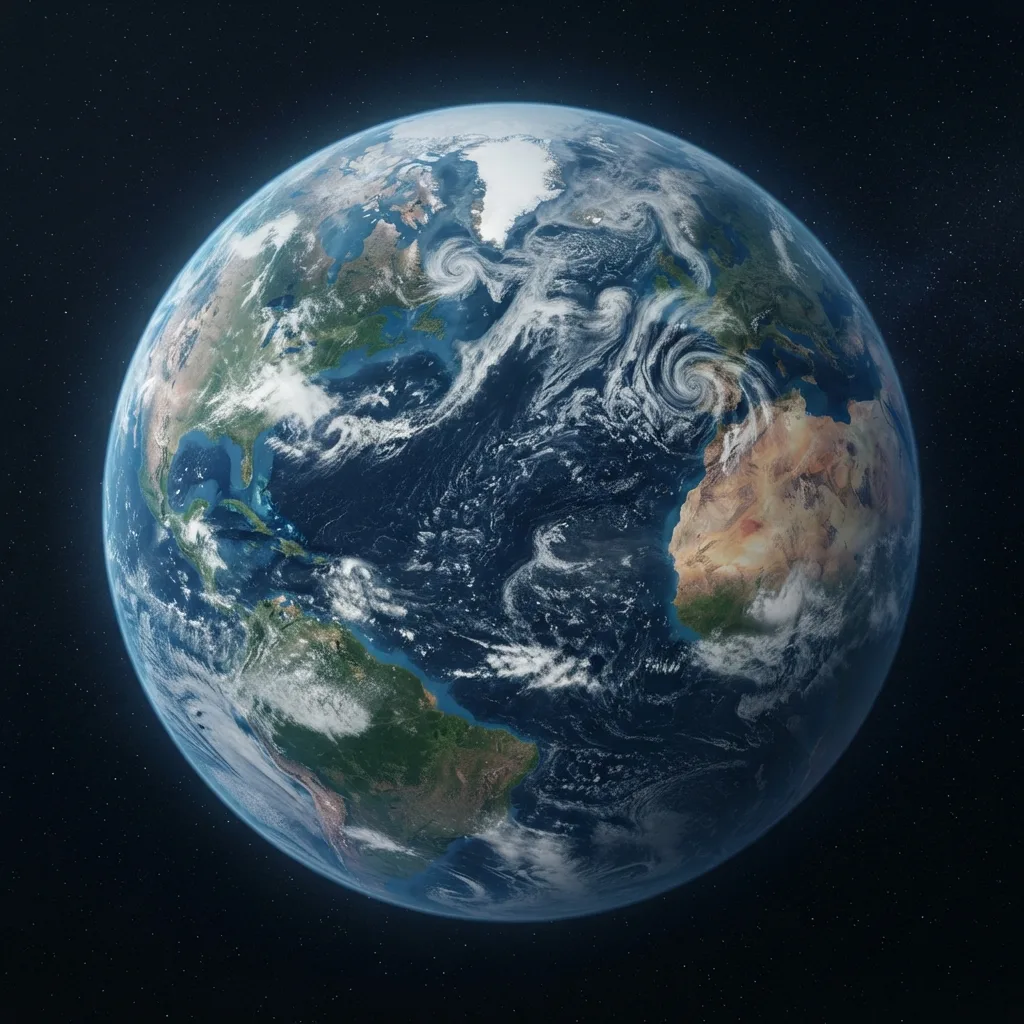
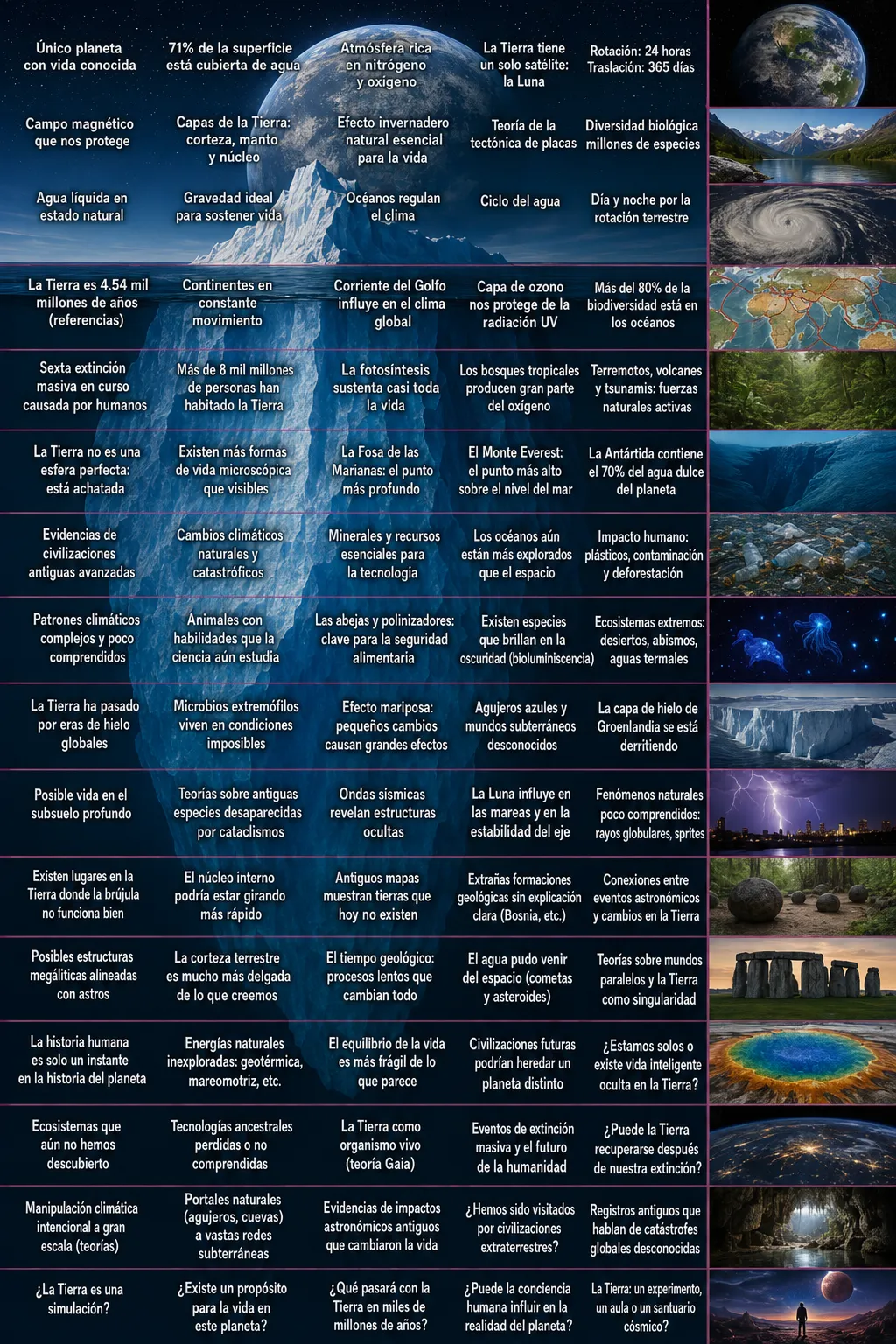
Iceberg of Planet Earth

A journey from the known facts of our planet to the deepest mysteries regarding its origin, evolution, and final destiny.

14 levels80 entries21 min read
Iceberg of Planet Earth
Click image to enlarge

Click image to enlarge

1

Surface

0 meters

The fundamentals everyone knows about our planetary home.

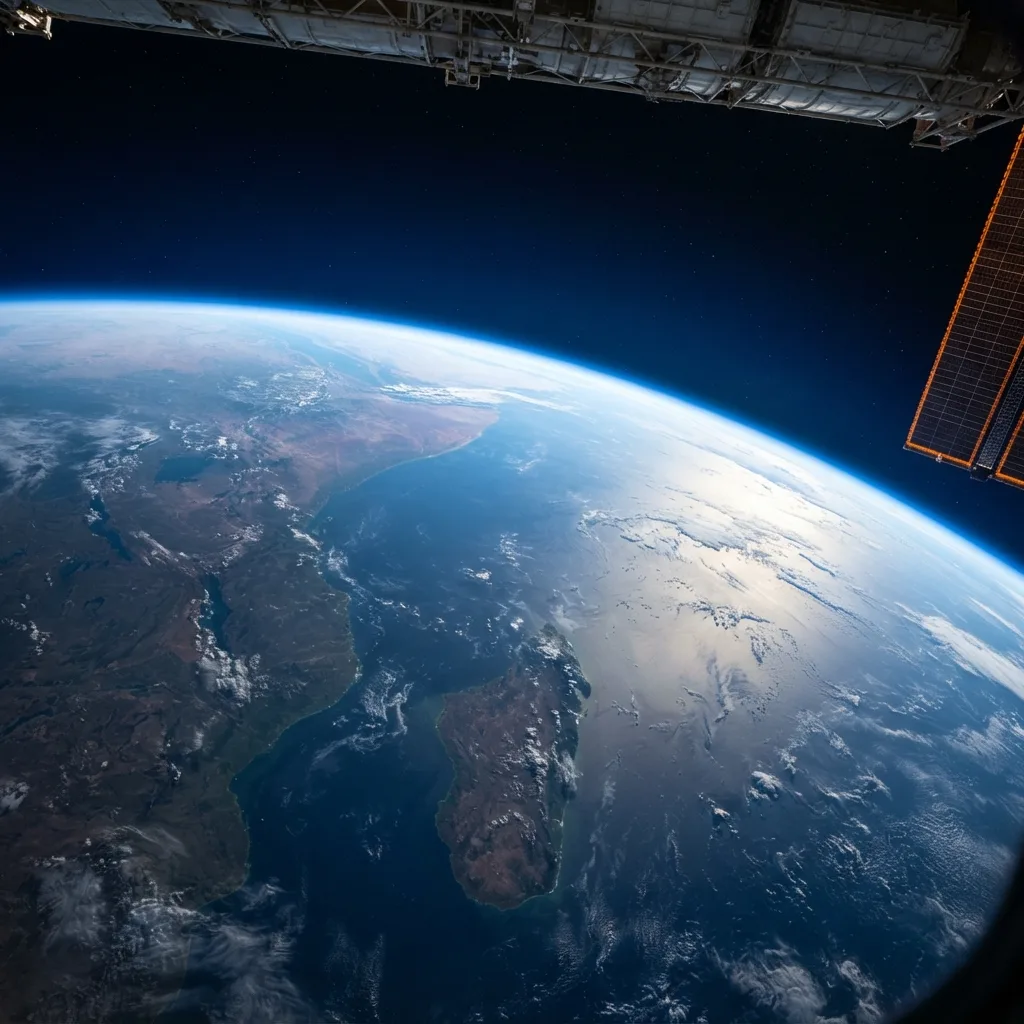
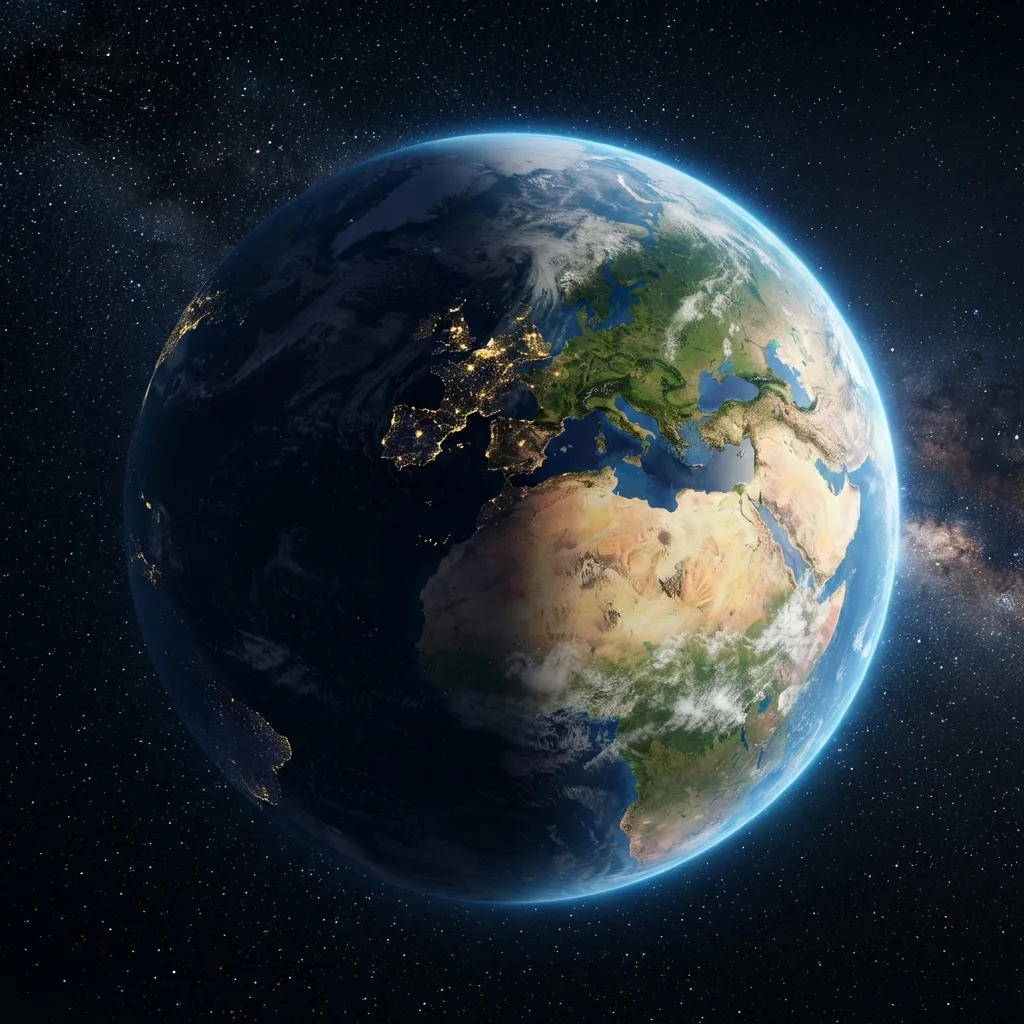
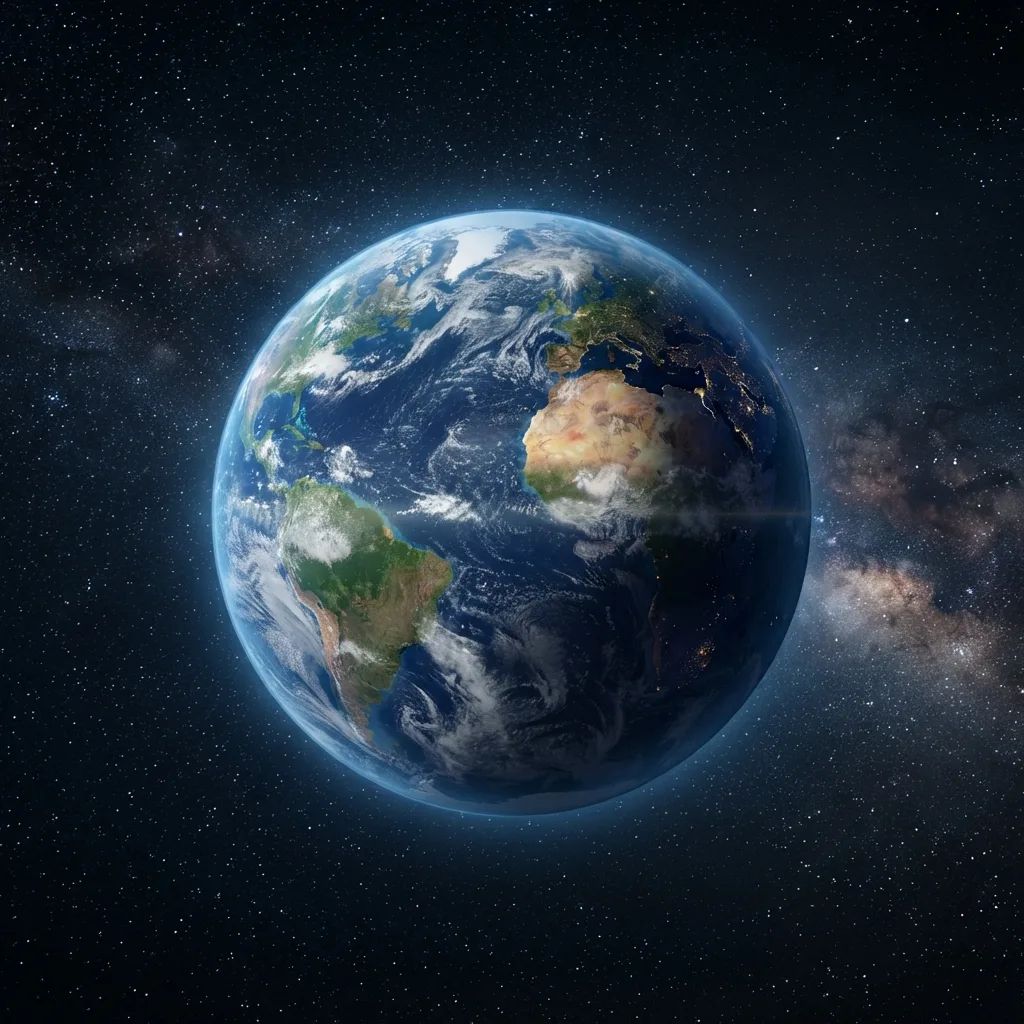
Only planet with known life

An oasis of life in a seemingly dead cosmos.

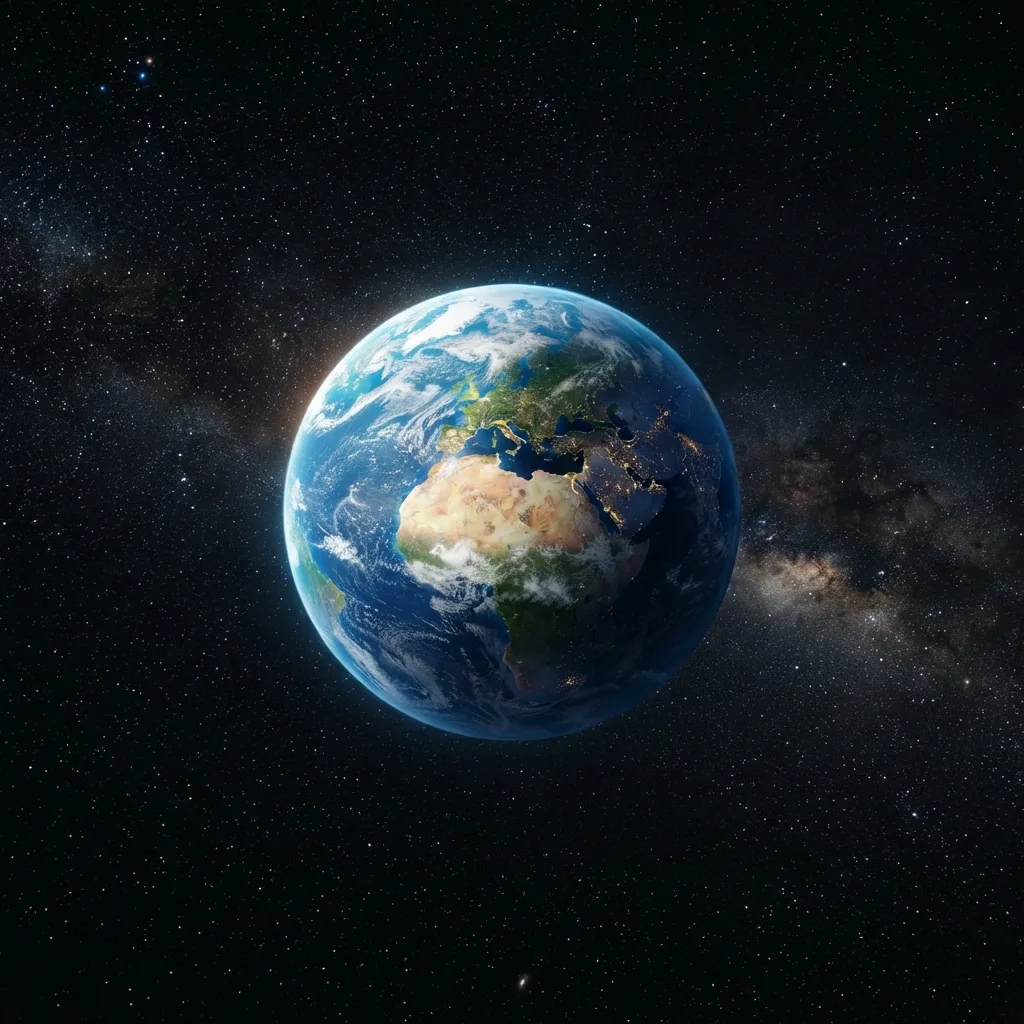
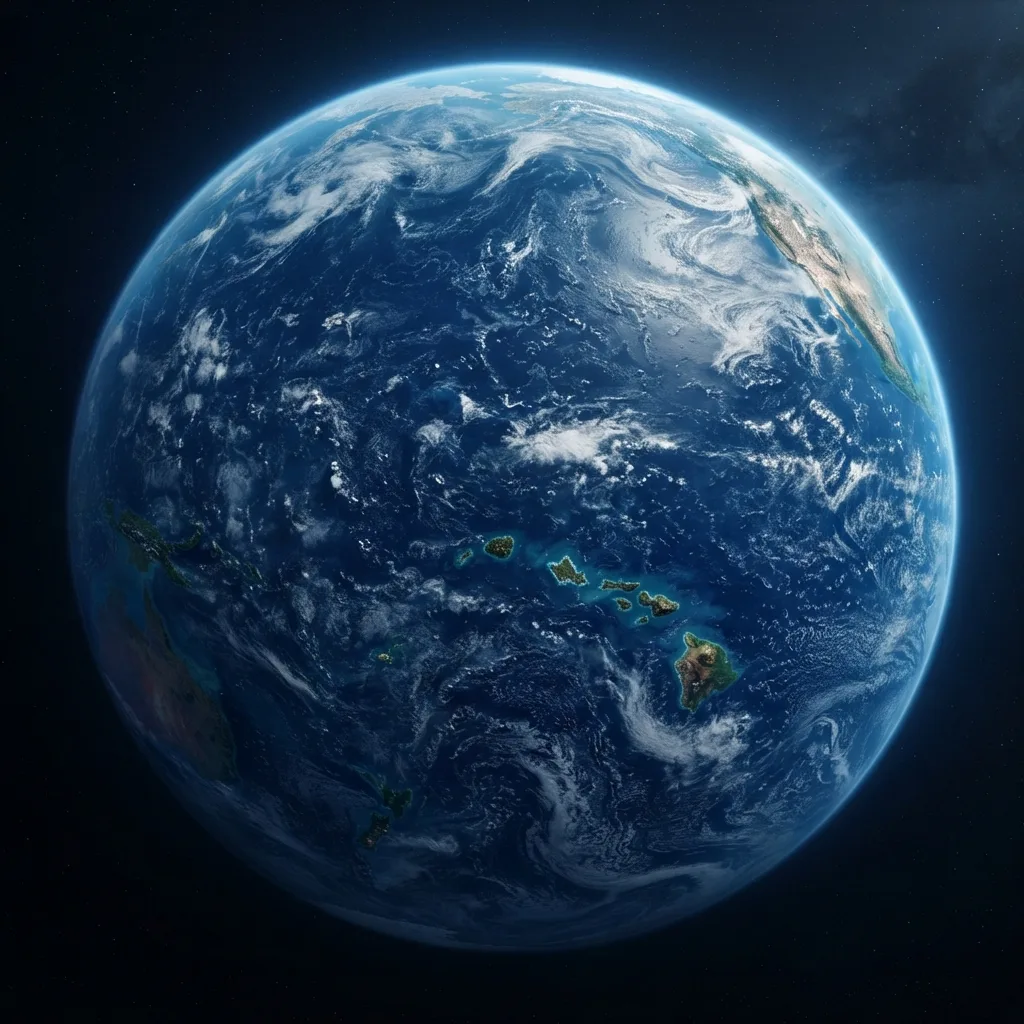
Earth is the only world where we have confirmed the existence of life. From bacteria to complex civilizations, the terrestrial biosphere encompasses millions of species in a delicate balance that has persisted for 3.8 billion years. Are we truly unique, or have we simply not looked hard enough?
Only planet with known life

71% of the surface is covered in water

An ocean planet with islands of land.

Water covers 361 million km² of the Earth's surface. The oceans contain 97% of all planetary water, with an average depth of 3,688 meters. If the surface were perfectly flat, water would submerge the Earth 2,700 meters deep. We are an aquatic world with emerged land.

71% of the surface is covered in water

Atmosphere rich in nitrogen and oxygen

The chemical mix sustaining life.

Our atmosphere contains 78% nitrogen, 21% oxygen, and 1% other gases. This unique composition enables aerobic respiration and shields against cosmic radiation. Free oxygen is a byproduct of photosynthesis: without life, our atmosphere would be toxic like Venus or Mars.

Atmosphere rich in nitrogen and oxygen

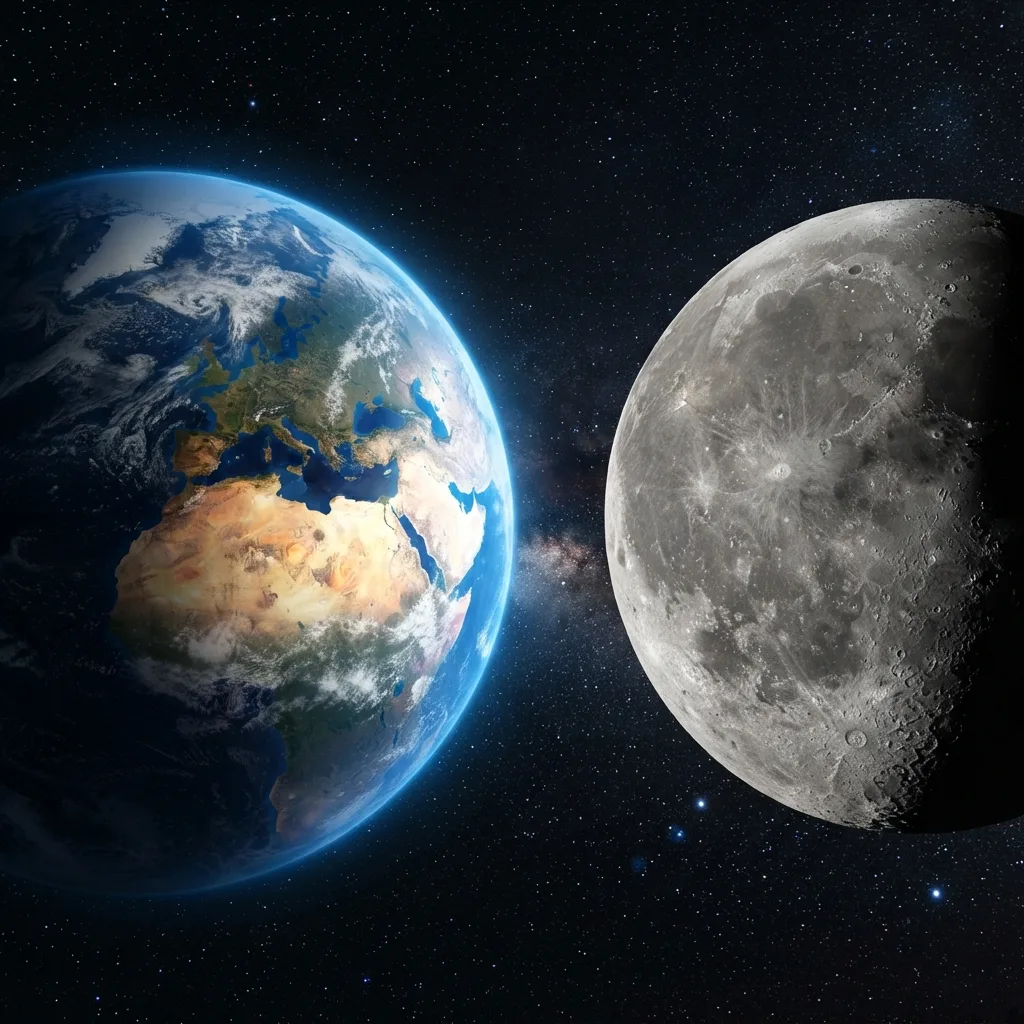
Earth has a single satellite: the Moon

Our 4.5-billion-year-old cosmic companion.

The Moon is the fifth largest satellite in the Solar System, spanning 3,474 km in diameter. Its gravitational pull stabilizes Earth's axial tilt (23.5°), creating predictable seasons. Without it, our axis would wobble chaotically, rendering climate unpredictable and complex life unlikely.

Earth has a single satellite: the Moon

Rotation: 24 hours / Revolution: 365 days

Fundamental rhythms defining time.

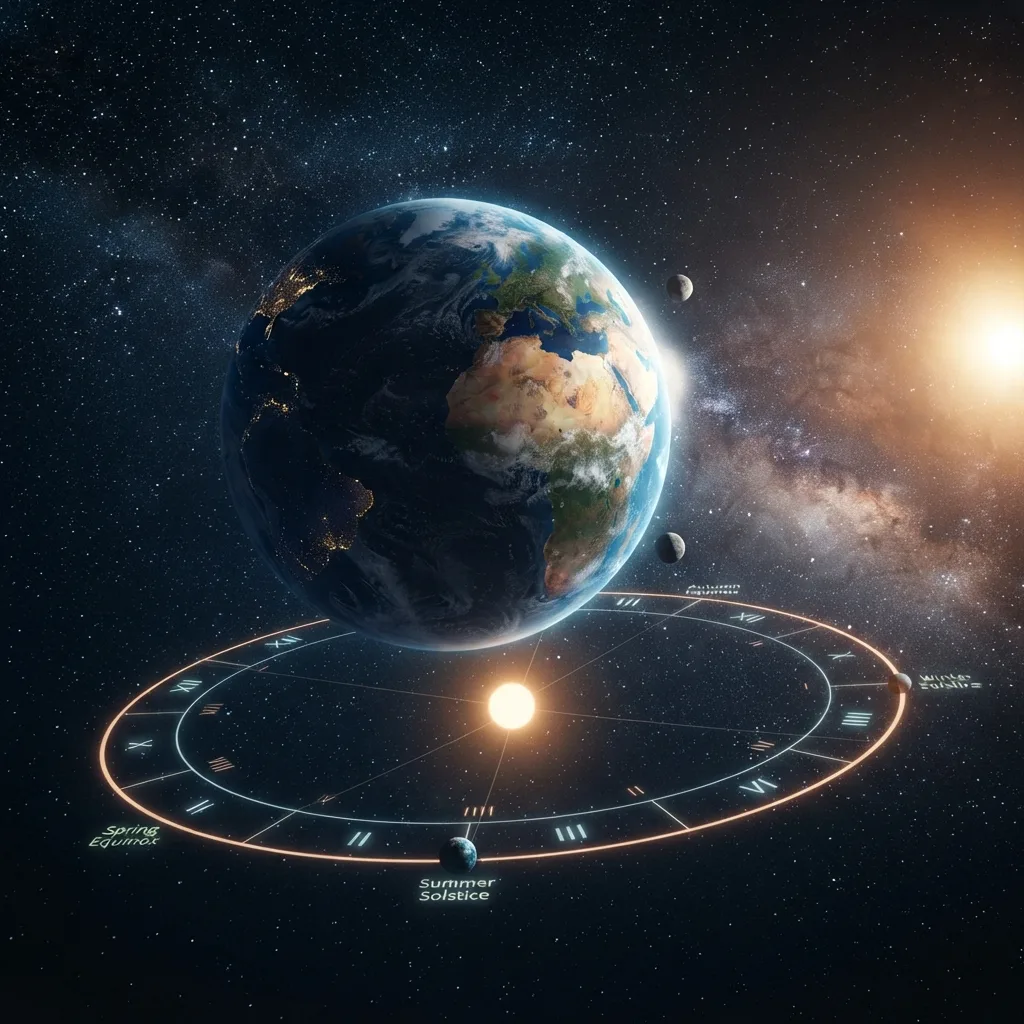
Earth completes a rotation every 23 hours, 56 minutes, and 4 seconds (sidereal day), but we use 24 hours (solar day). It orbits the Sun in 365.25 days, forming our calendar. This orbital dance defines days, years, and seasons shaping biological evolution.

Rotation: 24 hours / Revolution: 365 days

But beneath these basic facts hide far more complex realities...

2

Planetary Systems

200 meters

The mechanisms making Earth a habitable world.

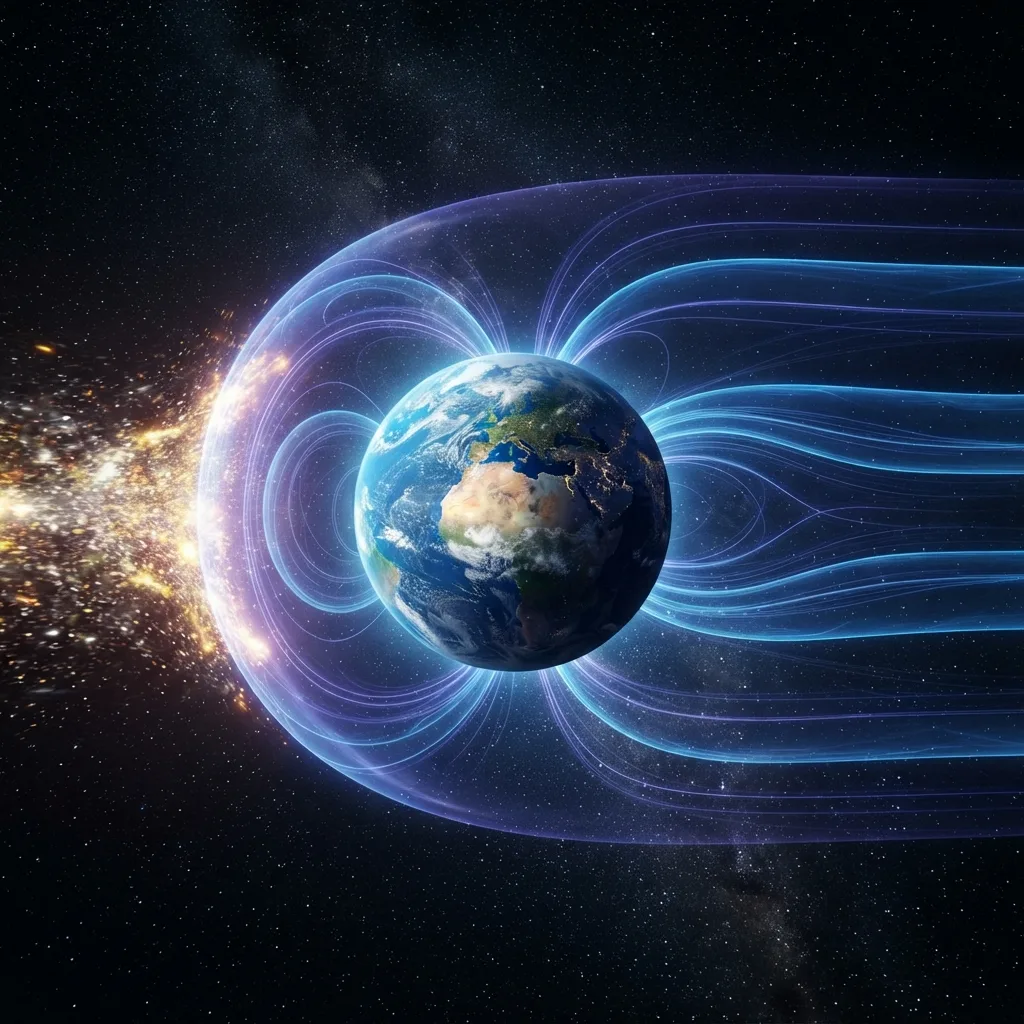
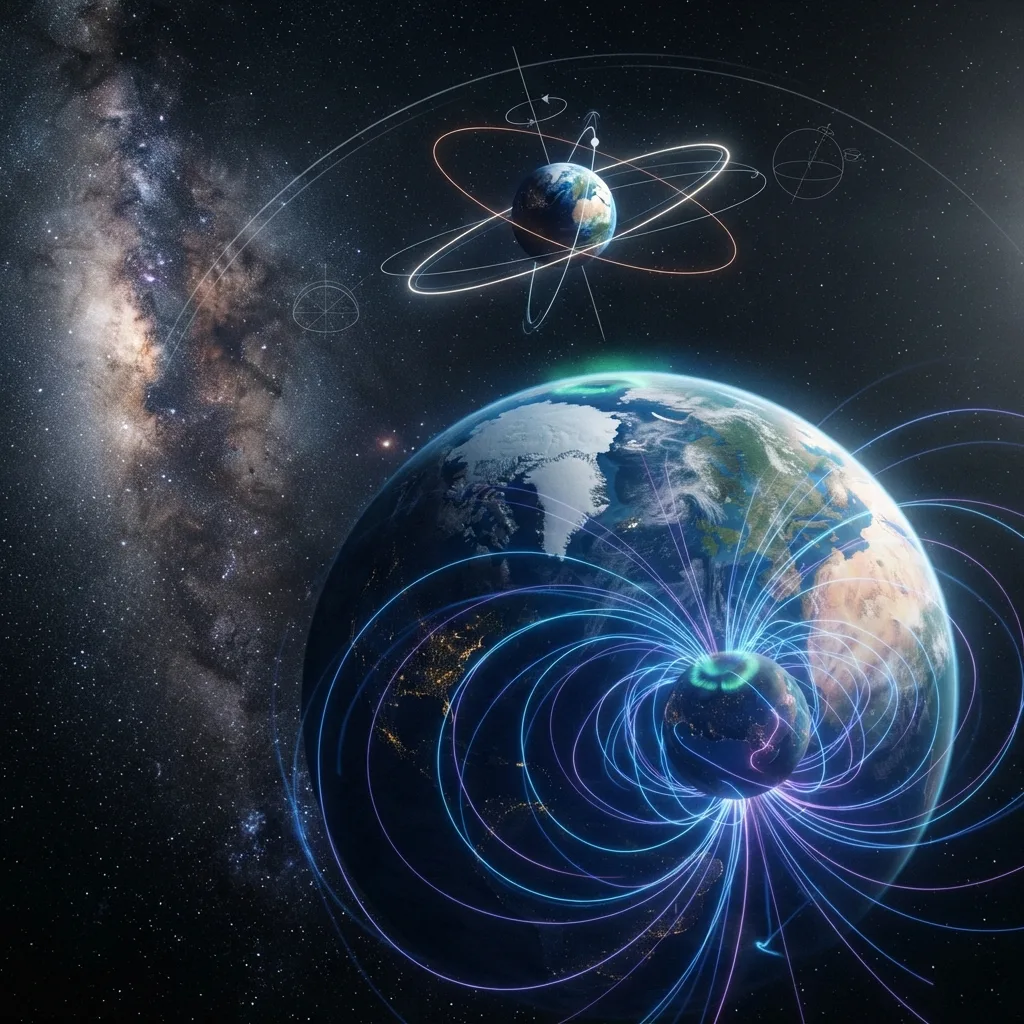
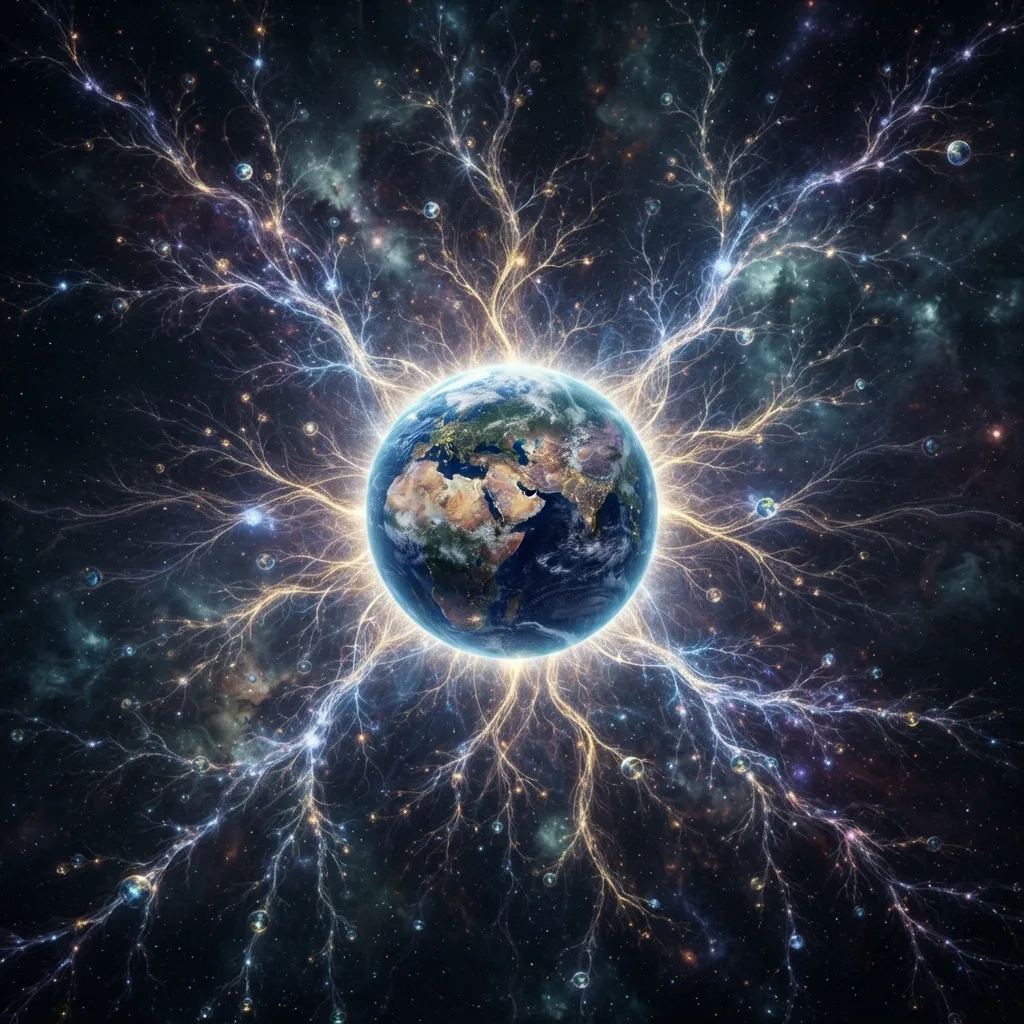
Protective magnetic field

An invisible shield against the solar wind.

Earth's magnetic field, generated by its molten iron core, extends 65,000 km into space. It deflects charged solar wind particles that would otherwise strip away our atmosphere and sterilize the surface. Without this shield, we would resemble Mars: a barren world.

Protective magnetic field

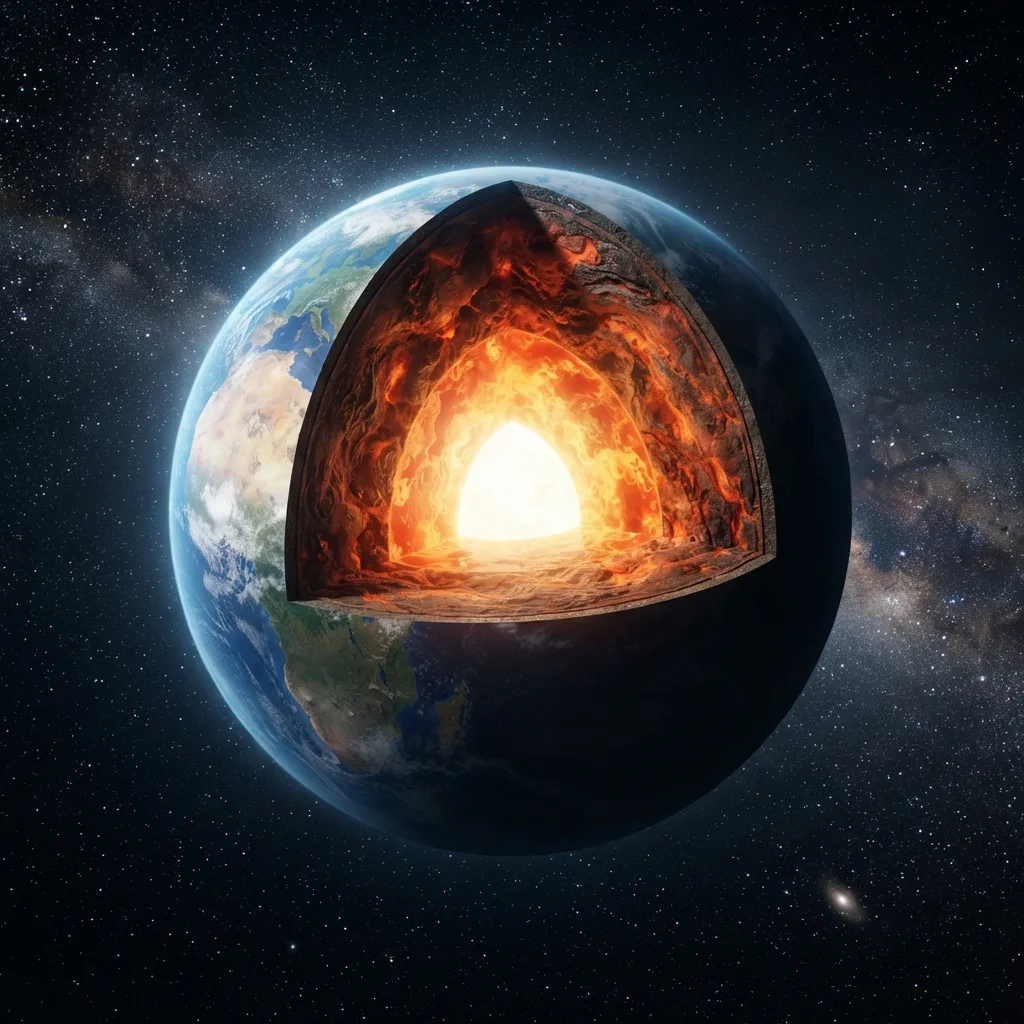
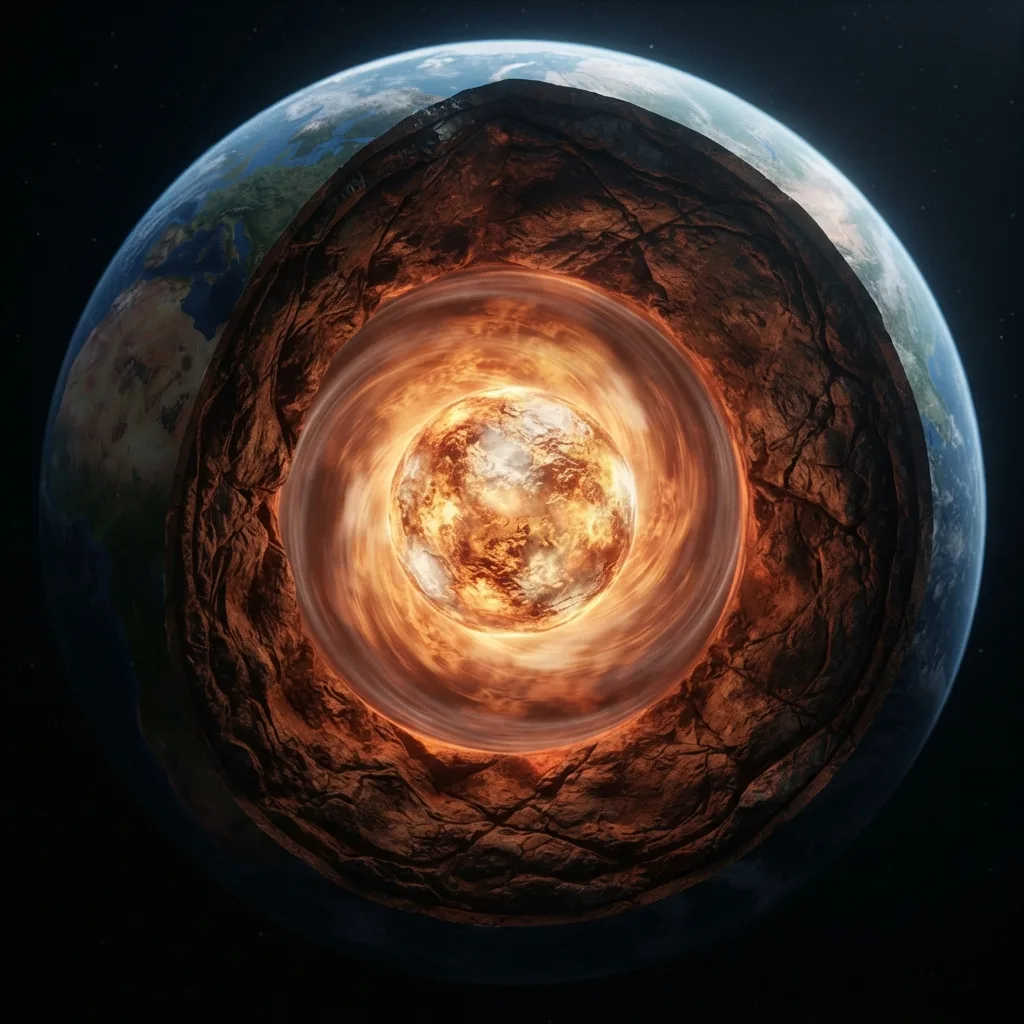
Layers of Earth: crust, mantle, and core

A layered structure like a cosmic onion.

Earth consists of the crust (5–70 km), mantle (2,900 km of hot silicates), outer liquid iron core, and solid inner iron core at 5,400°C. Each layer possesses unique properties generating plate tectonics, volcanism, and magnetic fields. A dynamic planet.

Layers of Earth: crust, mantle, and core

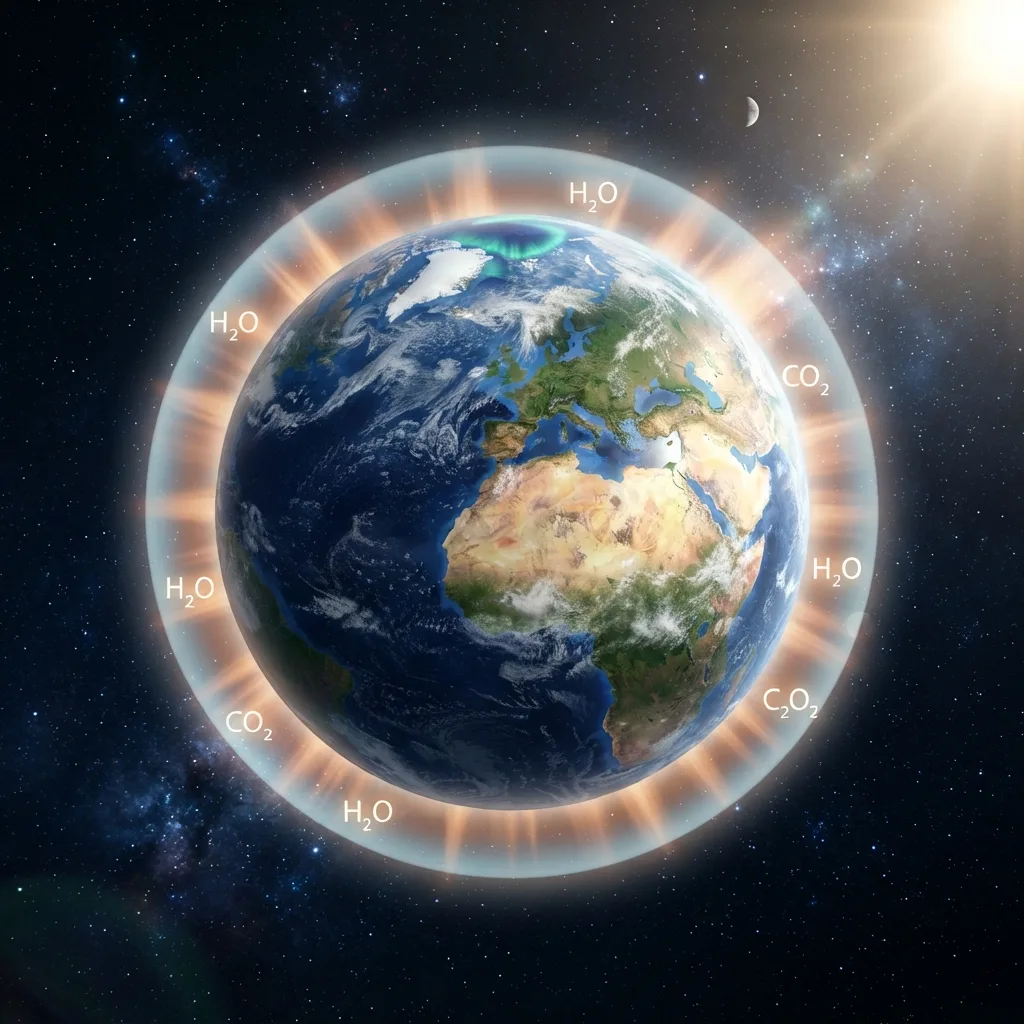
Natural greenhouse effect essential for life

Without it, Earth would be a frozen ice ball.

The natural greenhouse effect maintains average global temperatures at 15°C instead of -18°C. Gases like CO₂, water vapor, and methane trap solar heat. The problem is not the natural process, but its rapid intensification due to human activity altering climate stability.

Natural greenhouse effect essential for life

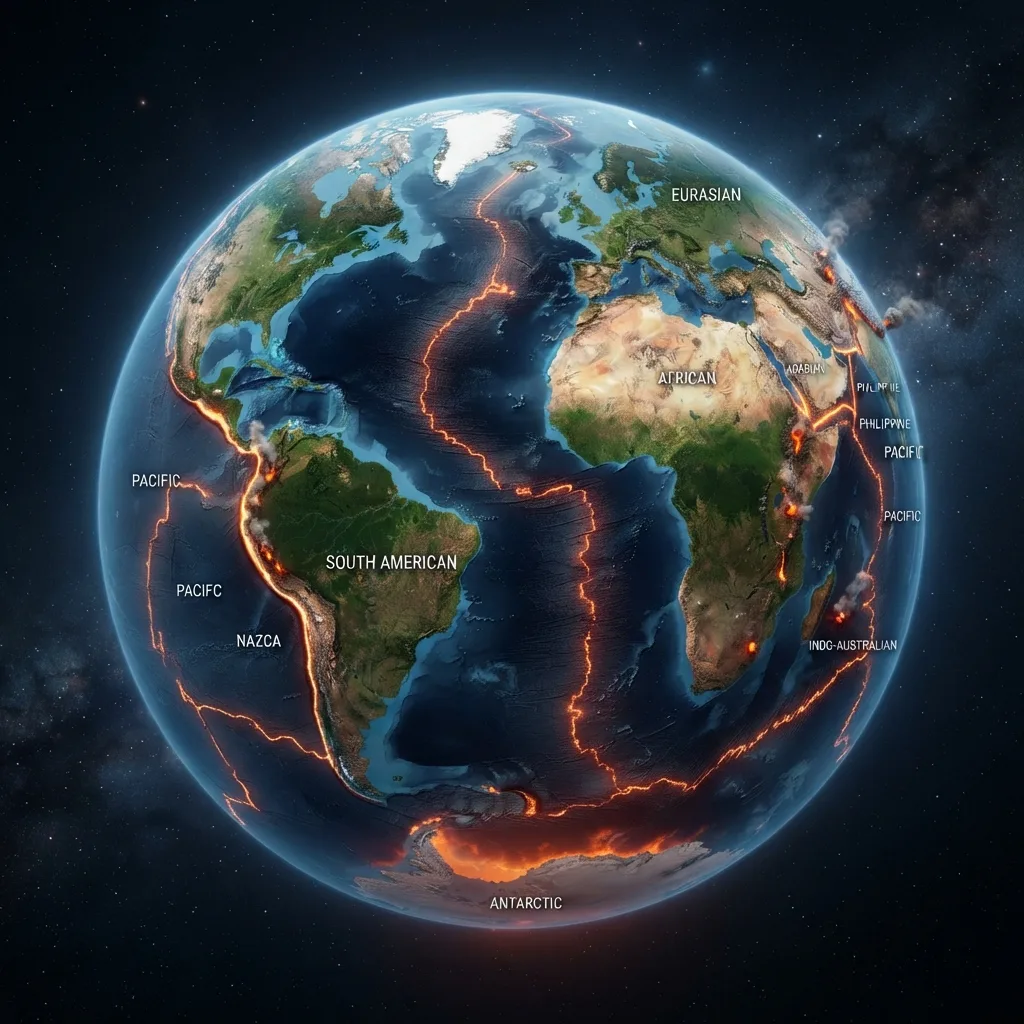
Theory of plate tectonics

The puzzle of moving continents.

The Earth's crust is fragmented into 7–8 major tectonic plates floating on the mantle. Their movement (2–15 cm/year) builds mountains, triggers earthquakes, and forms oceans. 300 million years ago, all continents formed Pangaea. Tectonics recycles carbon and regulates climate.

Theory of plate tectonics

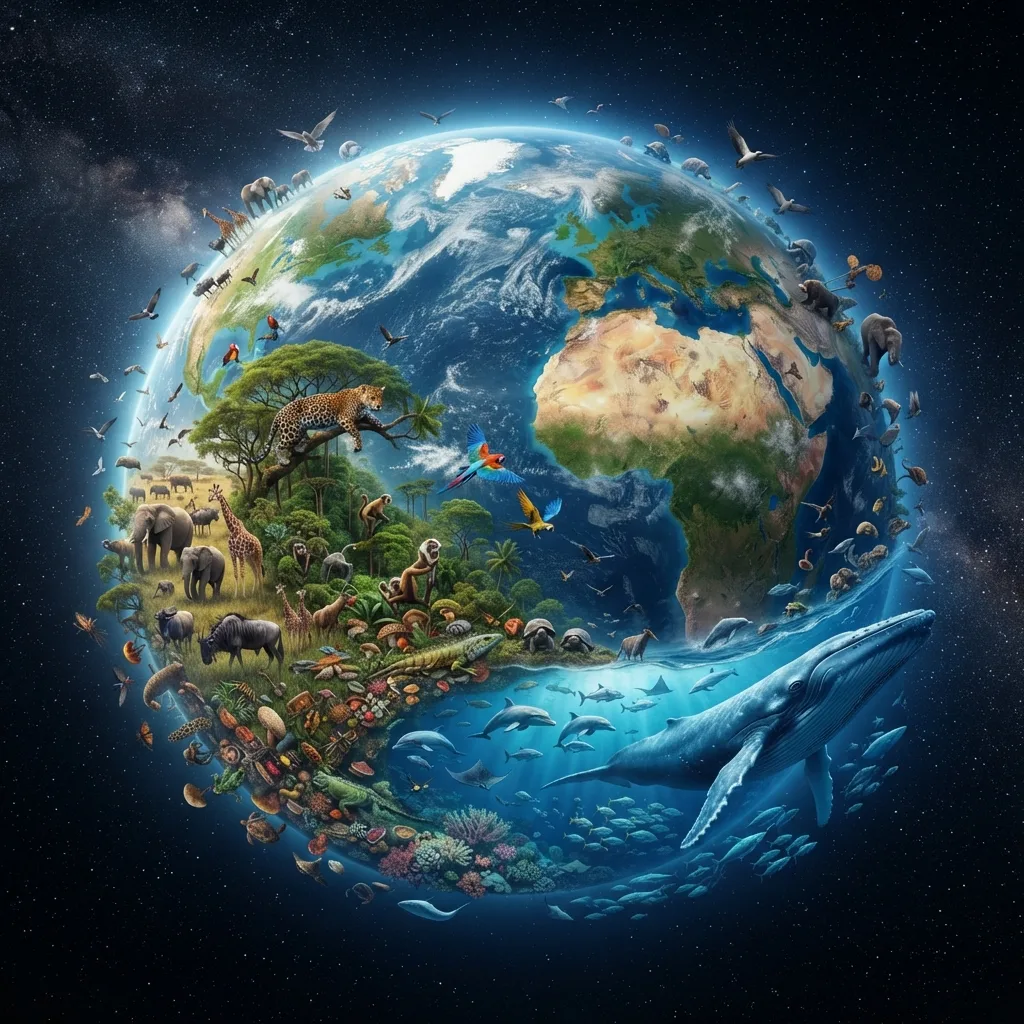
Biological diversity: millions of species

A 3.8-billion-year evolutionary experiment.

Science has cataloged 2 million species, but estimates suggest 8–20 million exist. From bacteria to blue whales, life has adapted to every niche. Biodiversity is the product of continuous evolution, mass extinctions, and resilience.

Biological diversity: millions of species

Yet these systems hide complexities we are just beginning to grasp...

3

Global Dynamics

500 meters

Processes regulating global climate and habitability.

Liquid water in natural state

The chemical anomaly allowing life.

Water is the only common substance existing naturally in all three states (solid, liquid, gas) under Earth conditions. Its maximum density at 4°C causes ice to float, preventing oceans from freezing solid. Aquatic life relies on this anomaly to survive ice ages.

Liquid water in natural state

Ideal gravity to sustain life

Neither too strong nor too weak.

Surface gravity (9.8 m/s²) holds a dense atmosphere without crushing biological structures. On Mars (3.7 m/s²), atmosphere escaped into space; on Jupiter (24.8 m/s²), gravity would crush terrestrial organisms. Earth's gravity is finely tuned for complex life.

Ideal gravity to sustain life

Oceans regulating global climate

The planetary global thermostat.

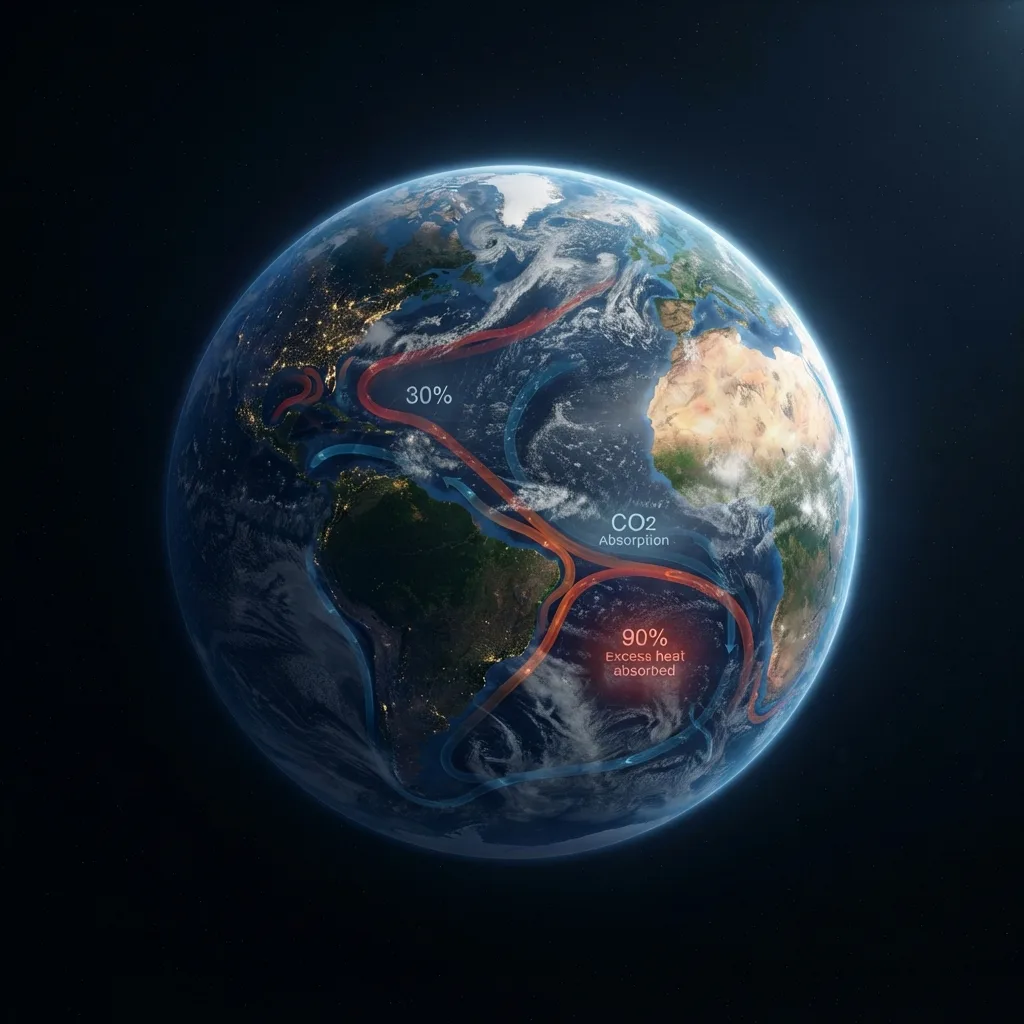
Oceans absorb 90% of excess climate heat and 30% of human CO₂ emissions. Marine currents distribute thermal energy from the equator to the poles. Without this regulation, Earth would experience extreme thermal divides: scorching deserts and frozen poles.

Oceans regulating global climate

The water cycle

Nature's perfect recycling system.

Water evaporates, forms clouds, precipitates, and flows back to oceans in a continuous loop. Every water molecule in your body has passed through ancient oceans, clouds, and organisms across billions of years, distributing freshwater and shaping land.

The water cycle

Day and night cycle

The rhythm governing terrestrial biology.

Rotation creates light-dark cycles regulating circadian rhythms across all organisms. Photosynthesis takes place by day, cellular respiration continuously. Without rotation, one side would be scorched while the other froze solid.

Day and night cycle

But these regulating systems can turn catastrophic...

4

Deep History and Biosphere

1,000 meters

The deep geological past of Earth and its inhabitants.

Earth is 4.54 billion years old

An ancient world with a turbulent past.

Determined by radiometric dating of meteorites and lunar rocks, Earth formed 4.54 billion years ago. Its first 500 million years (Hadean Eon) were a hellscape of magma and asteroid bombardments. Life emerged 3.8 billion years ago once surface crust cooled.

Earth is 4.54 billion years old

Continents in constant motion

A puzzle reorganizing every 500 million years.

Continents assemble and drift apart in 400–500 million year cycles (Wilson cycle). Pangaea (300 Ma) was the most recent supercontinent. The next, Pangaea Ultima, will form in 250 million years, drastically altering ocean currents and global climate.

Continents in constant motion

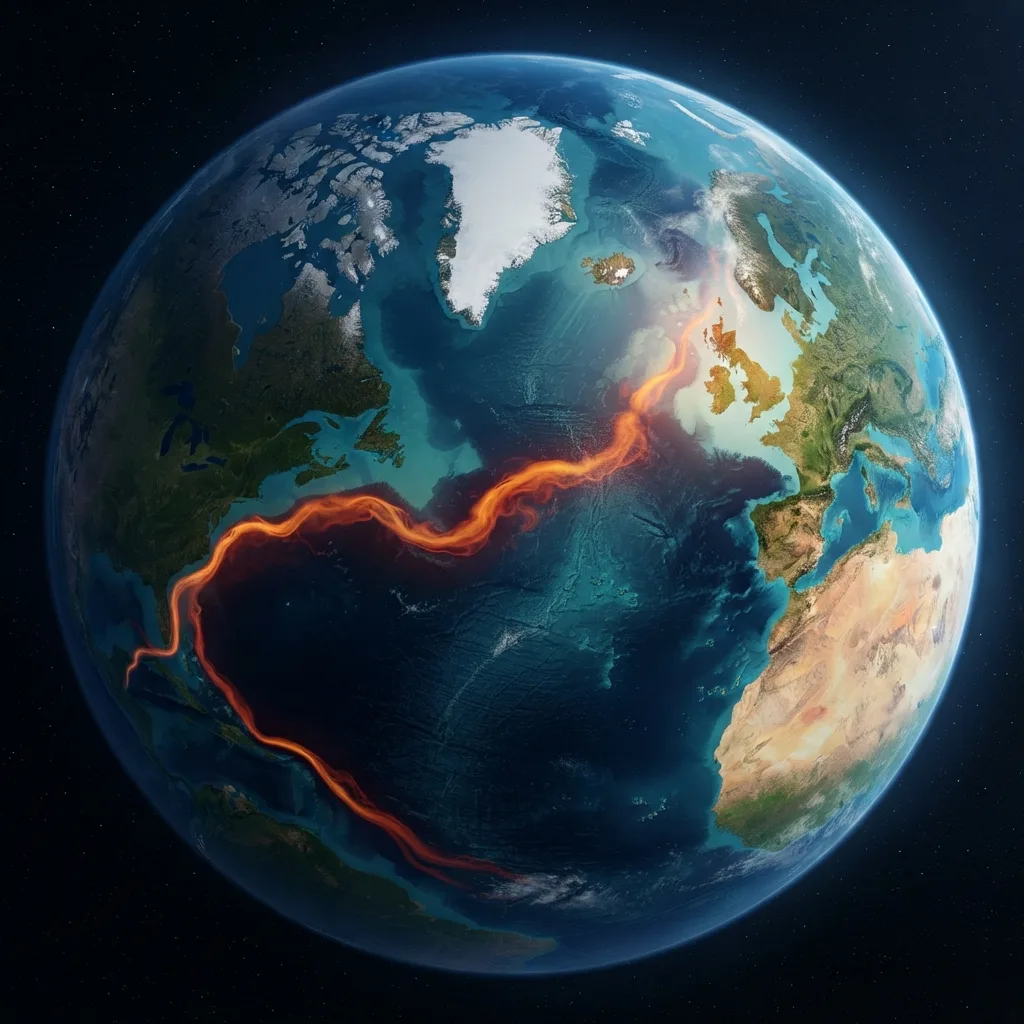
Gulf Stream influencing global weather

An oceanic conveyor belt heating Europe.

The Gulf Stream transports warm water from the Caribbean across the North Atlantic, warming Western Europe. Without it, London would endure Labrador's subarctic climate. The stream is part of global thermohaline circulation vulnerable to freshwater melting.

Gulf Stream influencing global weather

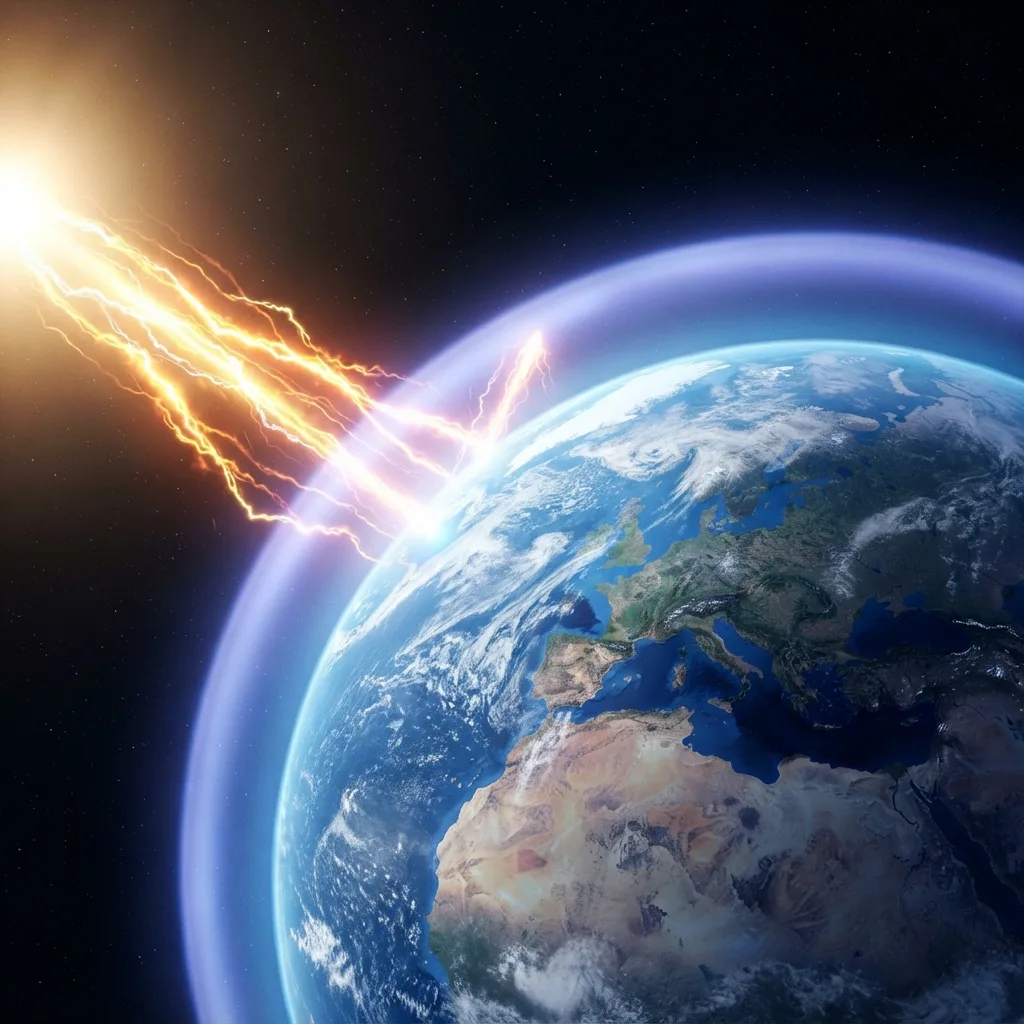
Ozone layer protecting against UV radiation

A planetary sunscreen 3 mm thick.

Stratospheric ozone (O₃) located 15–35 km up absorbs 97–99% of harmful ultraviolet radiation. Without it, DNA would be destroyed rapidly. CFCs damaged the layer in the 20th century, but global bans under the Montreal Protocol are enabling full recovery by 2060.

Ozone layer protecting against UV radiation

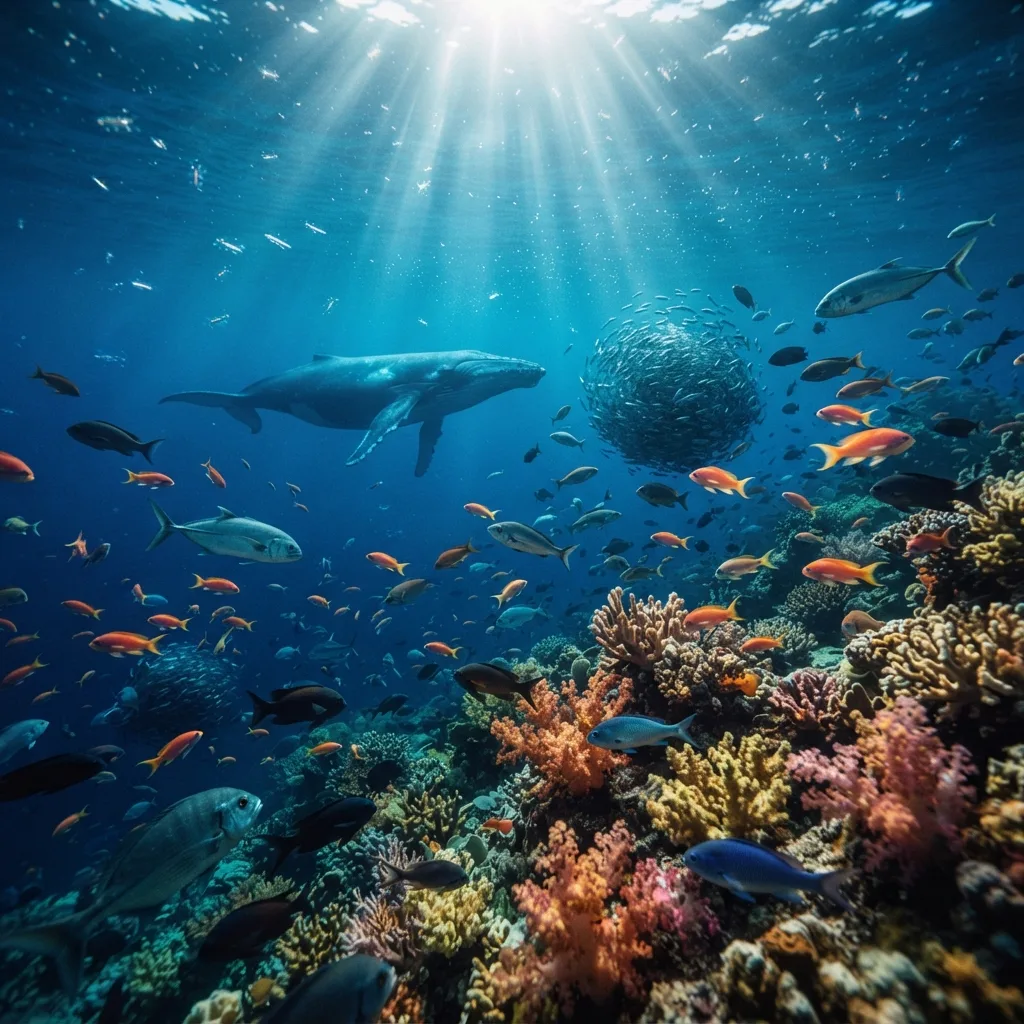
Over 80% of biodiversity lives in oceans

The true home of terrestrial life.

Oceans harbor 80% of Earth's total biomass, from microscopic phytoplankton to blue whales. Phytoplankton produces 50–80% of atmospheric oxygen. Coral reefs covering 0.1% of seafloors shelter 25% of all marine species, acting as the ocean's engines.

Over 80% of biodiversity lives in oceans

Yet history is not merely a record: it is a warning...

5

Threats and Crises

1,500 meters

Forces threatening global planetary stability.

Sixth mass extinction underway

The first extinction caused by a single species.

Current extinction rates are 100–1,000 times higher than natural background levels. Habitat loss, climate disruption, and pollution are driving the sixth mass extinction event. The previous mass extinction 66 million years ago wiped out non-avian dinosaurs.

"We are erasing species faster than we can discover them."

Sixth mass extinction underway

Over 8 billion human inhabitants

An unprecedented demographic explosion.

Out of 108 billion humans ever born, 8 billion are alive right now (7.4%). Population doubled since 1975, placing unprecedented pressure on ecosystems, freshwater, and climate. We are the first species capable of altering global geophysics.

Over 8 billion human inhabitants

Photosynthesis sustaining global life

Converting sunlight into biological energy.

Photosynthesis captures 130 terawatts of solar power—6 times human industrial consumption. Plants, algae, and cyanobacteria convert CO₂ and water into glucose and oxygen. Without this process, complex life and breathable air would collapse.

Photosynthesis sustaining global life

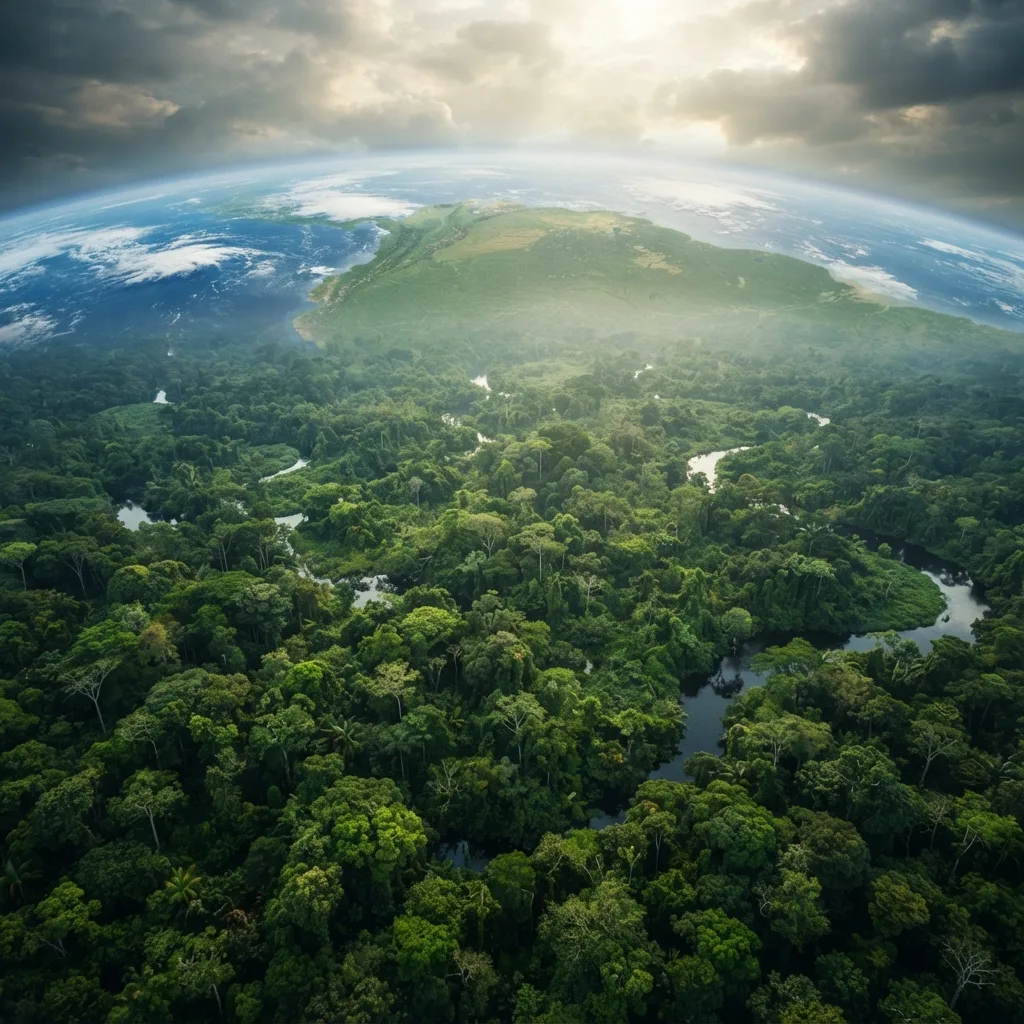
Rainforests producing atmospheric oxygen

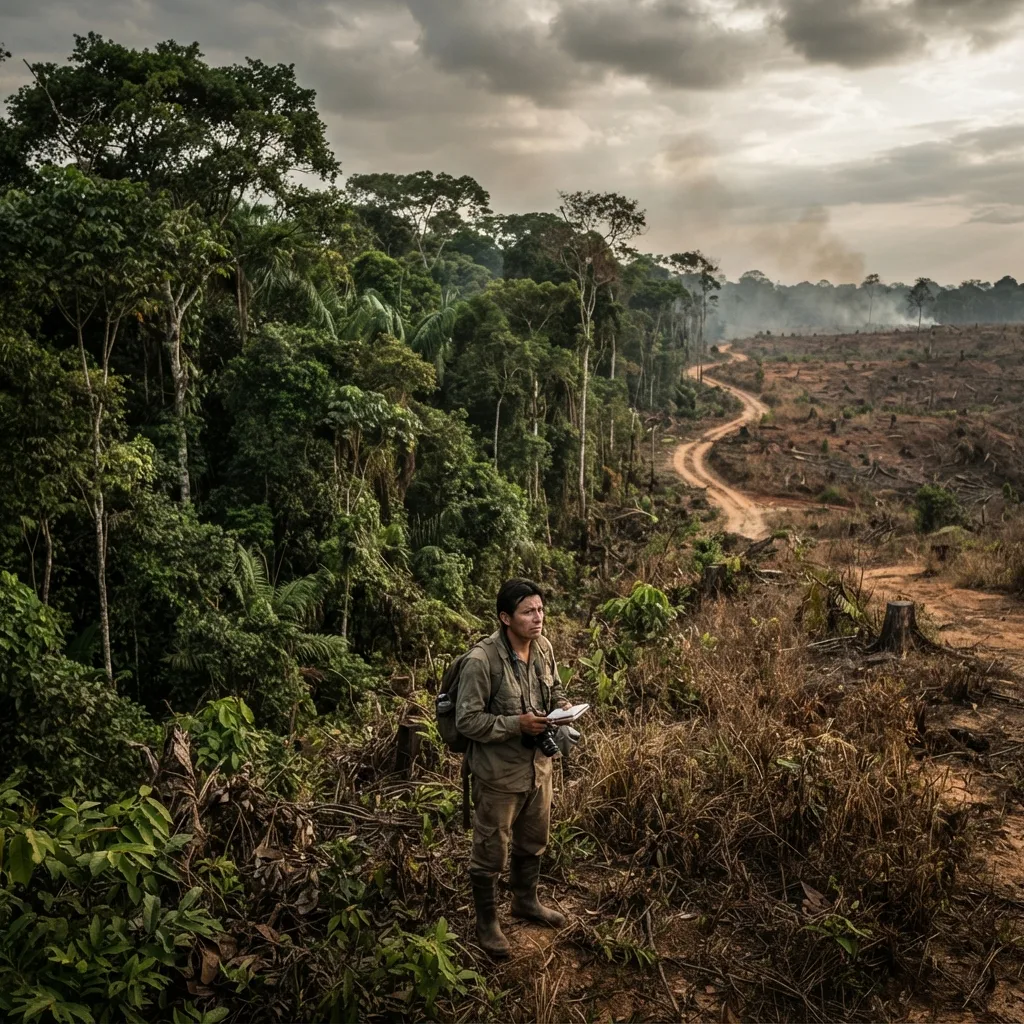
The green lungs of Earth.

The Amazon basin alone produces 20% of land-generated oxygen. Tropical forests cover 7% of land surface but shelter 50% of species. Deforesting millions of hectares annually threatens biodiversity, regional rainfall patterns, and carbon storage.

Rainforests producing atmospheric oxygen

Earthquakes, volcanoes, and tsunamis

Active natural forces reminding us of Earth's power.

Earth hosts 500,000 detectable earthquakes annually and 1,500 active volcanoes. The Pacific Ring of Fire accounts for 75% of active volcanoes and 90% of seismic shocks. Geological forces continuously build, destroy, and remap the surface.

Earthquakes, volcanoes, and tsunamis

And several of these threats are of our own making...

6

Geographic Anomalies

2,000 meters

Physical features defying everyday spatial perception.

Earth is an oblate spheroid, not a perfect sphere

A geoid with an equatorial bulge.

Earth's rotation creates an equatorial bulge, making its diameter 43 km wider at the equator than pole-to-pole. Equatorial diameter is 12,756 km versus 12,714 km polar. Newton predicted this oblate geoid shape in 1687, confirmed by 18th-century geodesy.

Earth is an oblate spheroid, not a perfect sphere

Microscopic life outweighs visible organisms

The invisible microbial world dominating the biosphere.

An estimated 5×10³⁰ bacteria inhabit Earth. Their total biomass eclipses all animal life combined. A single gram of fertile soil harbors a billion bacteria. Microscopic organisms are the true rulers of planetary geochemistry.

Microscopic life outweighs visible organisms

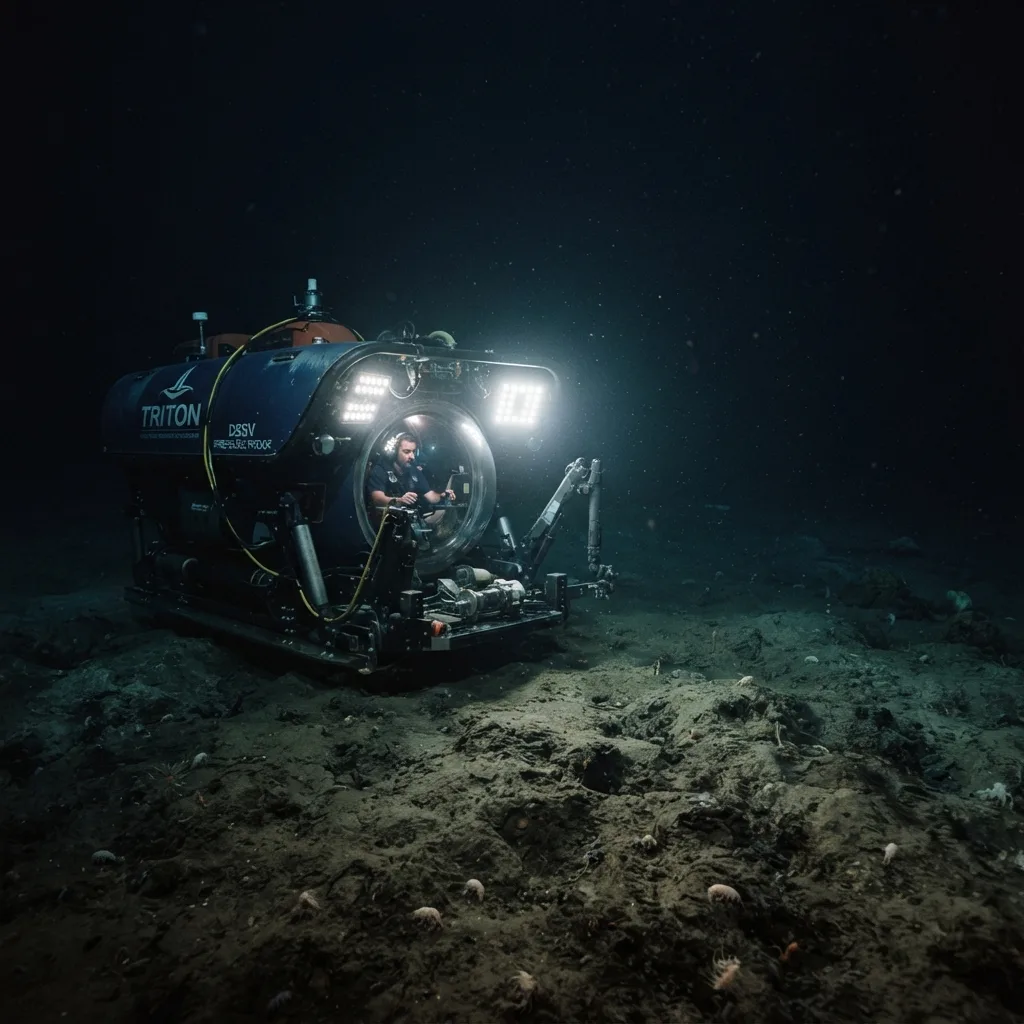
Mariana Trench: the deepest point

11,034 meters beneath sea level.

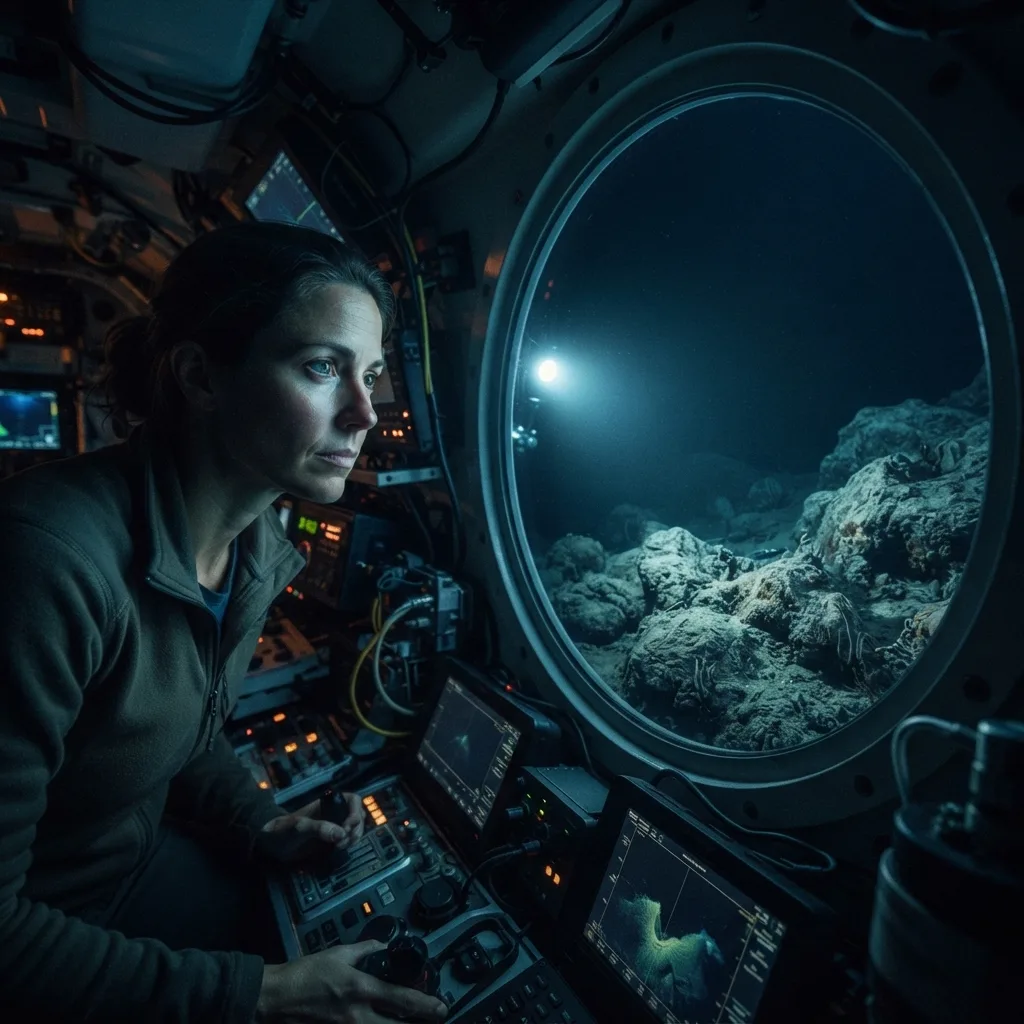
Challenger Deep in the Mariana Trench reaches 11,034 meters depth. Pressure exceeds 1,000 atmospheres. Specialized extremophiles and bioluminescent organisms thrive in perpetual darkness under extreme pressure.

Mariana Trench: the deepest point

Mount Everest: highest peak above sea level

8,849 meters of rock and ice.

Everest rises 8,849 meters above sea level, growing 4 mm annually due to the Indian-Eurasian tectonic collision. However, Ecuador's Mount Chimborazo's peak is furthest from Earth's center due to the equatorial bulge.

Mount Everest: highest peak above sea level

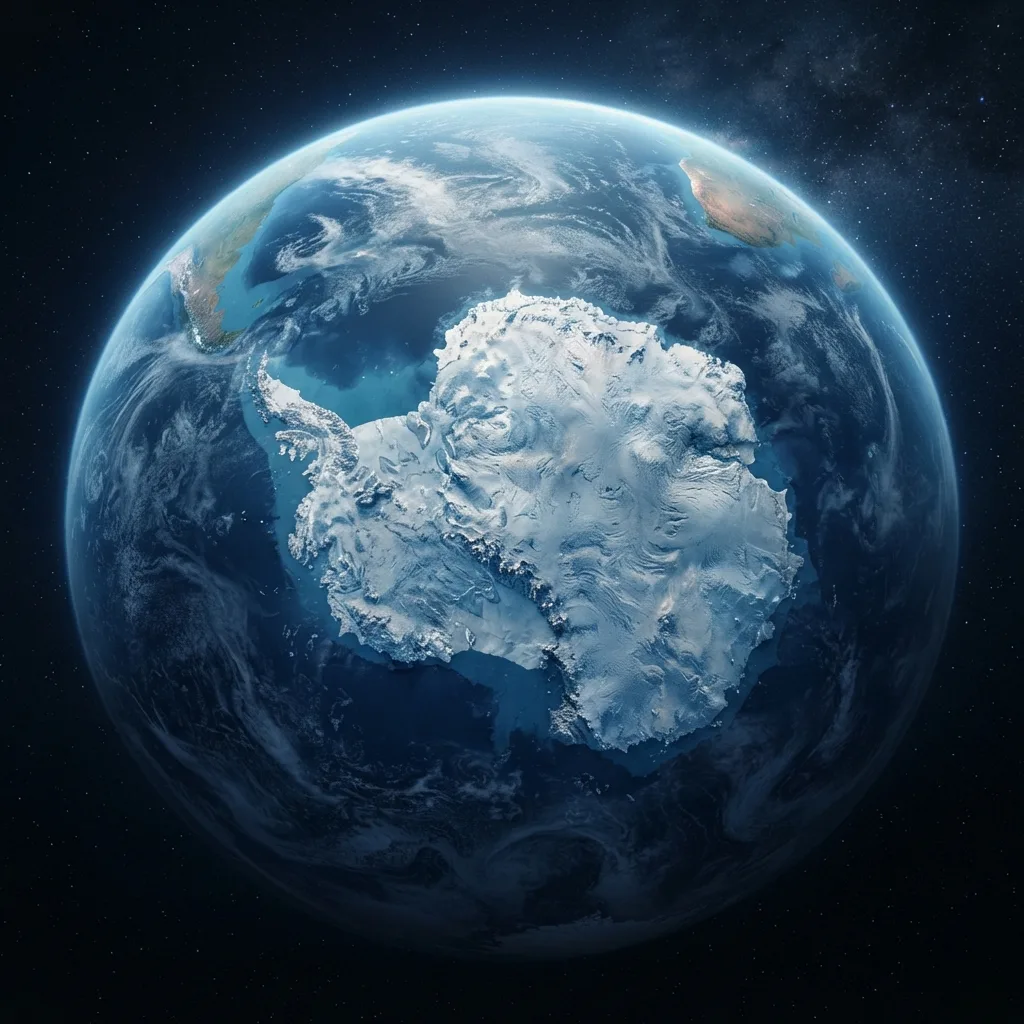
Antarctica holds 70% of global freshwater

An ice sheet capable of reshaping world coastlines.

The Antarctic ice sheet locks 26.5 million km³ of ice (90% of Earth's ice). Complete melting would raise global sea levels by 58 meters. Beneath its ice lie subglacial lakes isolated for millions of years.

Antarctica holds 70% of global freshwater

But Earth's physical shape is stranger than maps suggest...

7

Mysteries and Exploration

2,500 meters

Phenomena science has yet to fully explain.

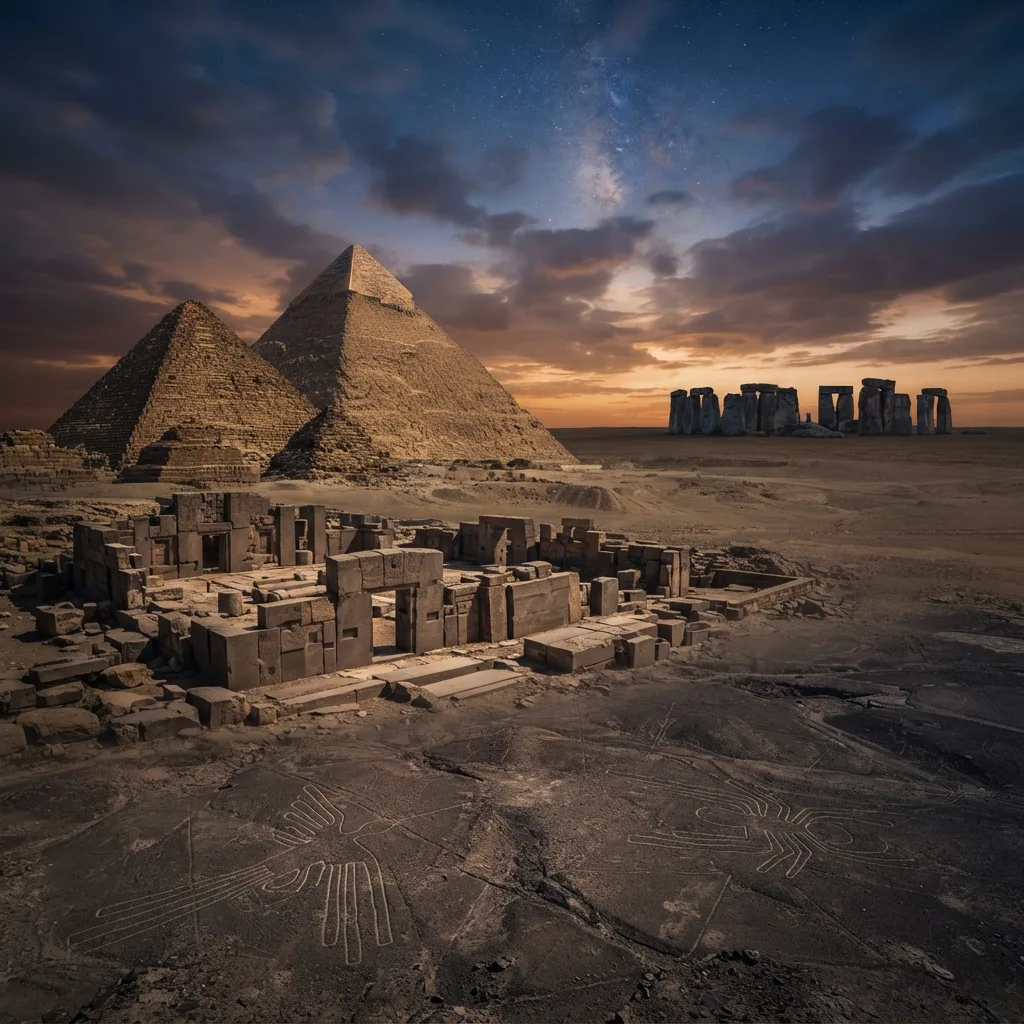
Evidence of advanced ancient monumental engineering

Ancient monuments challenging historical models.

Structures like Giza's pyramids, Puma Punku, and Baalbek present engineering precision, astronomical alignments, and stone logistics that spur debate over ancient tools, organizational methods, and historical timelines.

"How were these stone masses quarry-carved and aligned?"

Evidence of advanced ancient monumental engineering

Catastrophic natural climate shifts

Earth's climate has flipped violently in the past.

Past epochs experienced extreme climate states: Snowball Earth (700 Ma), ice-free polar Eocene hothouses, and abrupt shifts like the Younger Dryas (12,900 BP). Current warming rates exceed past natural transitions tenfold.

Catastrophic natural climate shifts

Critical mineral resources powering technology

The physical bedrock of modern civilization.

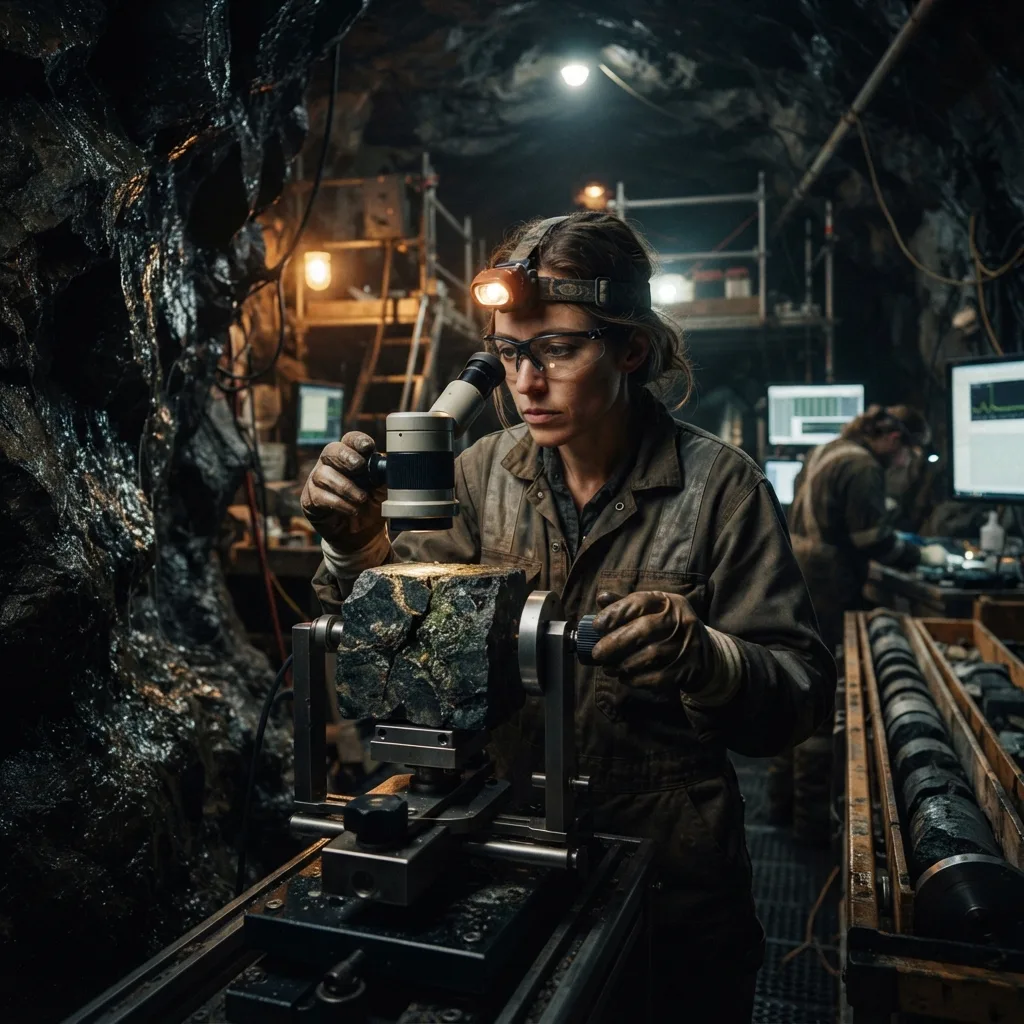
Modern electronics depend on 60+ mined elements including lithium, cobalt, and rare earths. Humanity extracts 70 billion tons of raw materials annually. Clean energy transitions require billions of tons of specialized metals.

Critical mineral resources powering technology

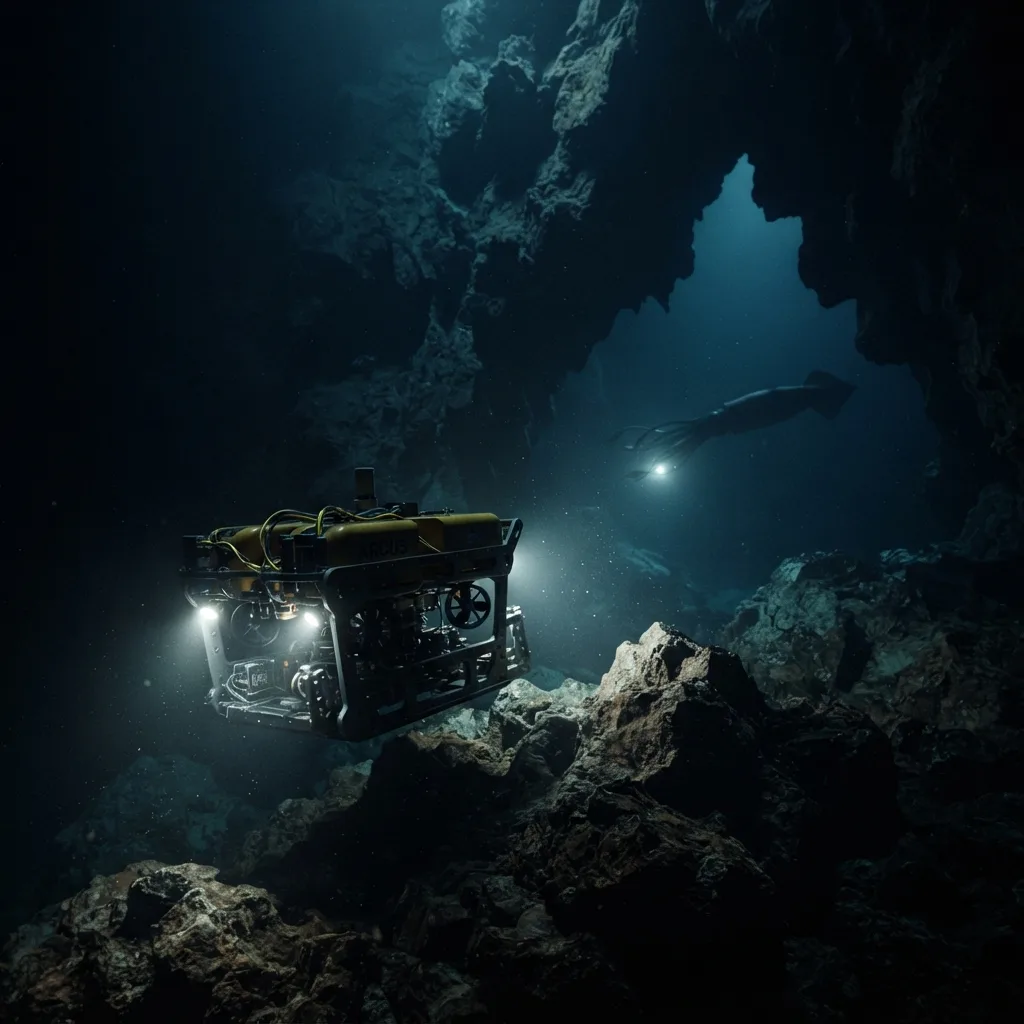
Seafloors less mapped than outer space

We know the surface of Mars better than our ocean floors.

Only 20% of seafloors have been mapped with high-resolution sonar. 80% remains unmapped in detail. Water blocks optical and satellite signals, making abyssal depths harder to survey than planetary surfaces.

Seafloors less mapped than outer space

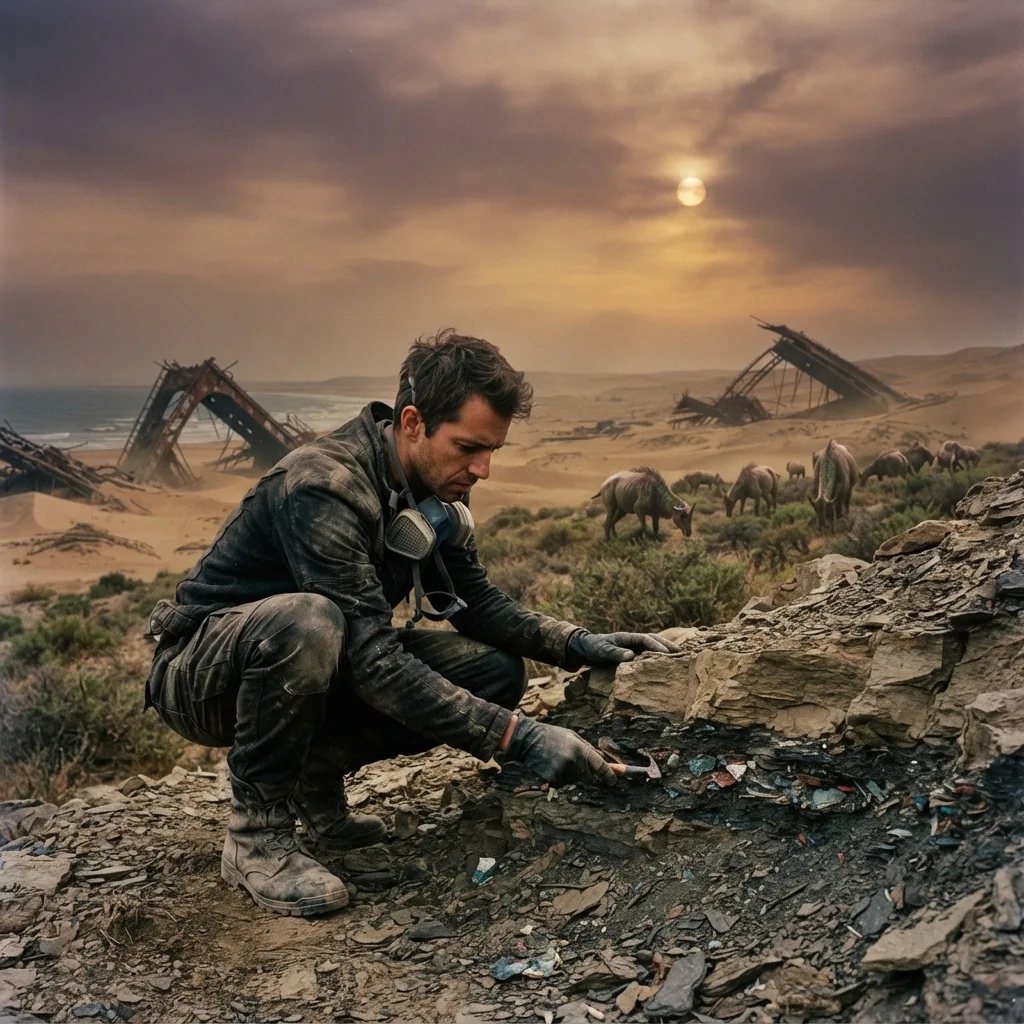
Human planetary footprint: plastics and pollution

The indelible geological signature of the Anthropocene.

Humanity produces 400 million tons of plastic yearly, forming oceanic garbage patches and microplastic layers. CO₂ levels (420+ ppm) match Pliocene peaks, establishing a new geological epoch: the Anthropocene.

Human planetary footprint: plastics and pollution

And the unknown on our own planet is vast...

8

Complex Systems

3,000 meters

Non-linear systems challenging scientific predictability.

Chaotic global climate feedback loops

Non-linear climate dynamics.

Earth's climate operates as a chaotic non-linear system. Minor perturbations trigger major feedback shifts (El Niño, AMOC circulation, monsoon patterns), complicating long-range regional forecasting.

Chaotic global climate feedback loops

Animal senses baffling modern biology

Biological capabilities defying conventional science.

Migratory birds navigate using quantum magnetoreception; electric eels discharge 860 volts; Turritopsis jellyfish reverse biological aging. Evolution has produced biological mechanisms science is still trying to decode.

Animal senses baffling modern biology

Bees and pollinators critical to agriculture

Keystones of global food security.

75% of leading global food crops rely on animal pollination. Colony collapse disorder, pesticides, and habitat loss threaten managed and wild pollinators, posing risks to global agricultural stability.

Bees and pollinators critical to agriculture

Deep sea bioluminescence

Organisms generating their own light.

80% of deep-sea species produce bioluminescence via luciferin chemical reactions. Used for hunting, communication, camouflage, and defense, bioluminescence evolved independently over 50 times.

Deep sea bioluminescence

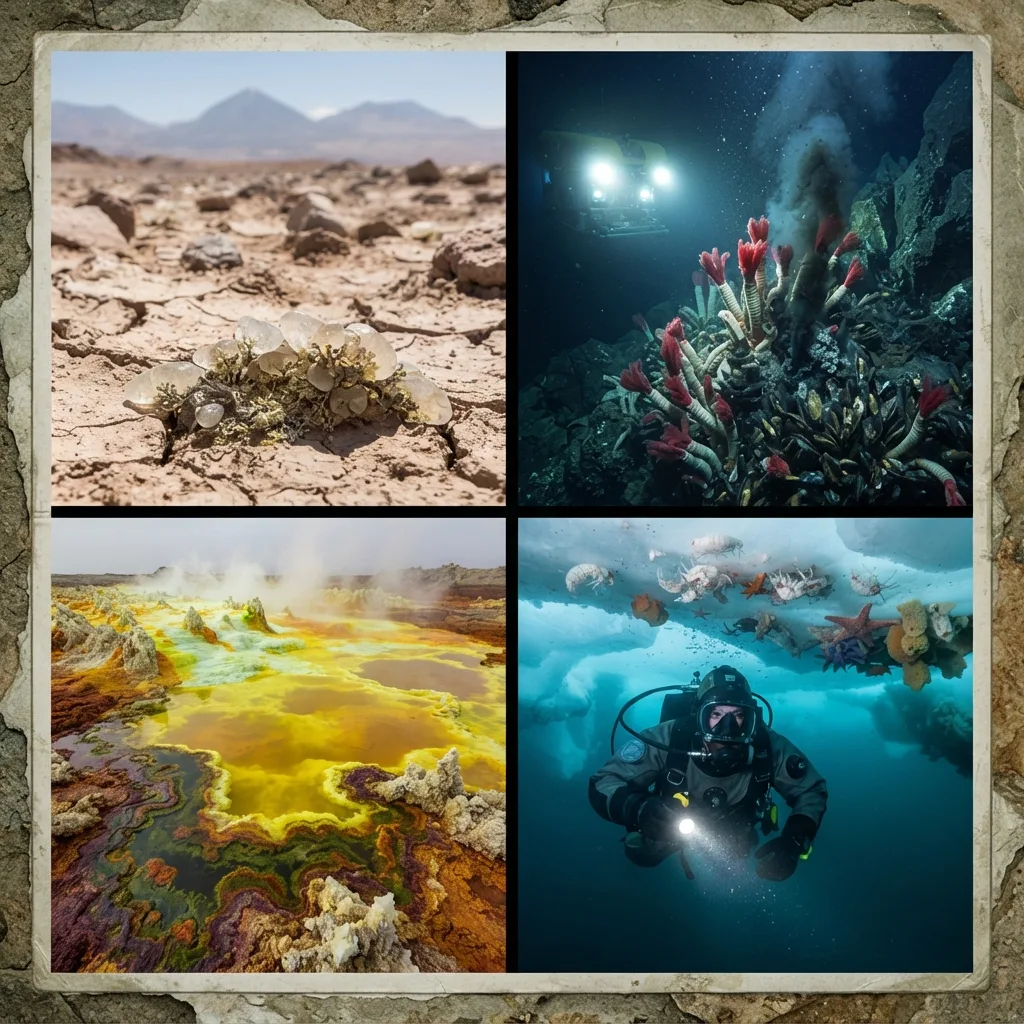
Extremophile ecosystems

Life thriving in extreme environmental hazards.

Life exists in Atacama desert hyper-aridity, 400°C hydrothermal vents under 400 atmospheres, pH 0 acid lakes, and subglacial Antarctic ice. Extremophiles expand our definitions of habitability across the universe.

Extremophile ecosystems

Complexity intensifies as we probe deeper...

9

Deep Eras and Extremes

4,000 meters

Deep planetary cycles and resilient life forms.

Snowball Earth glaciations

Global ice sheets covering the equator.

During the Cryogenian (700 Ma), Earth froze completely into a "Snowball Earth" with global temperatures dropping to -50°C. Volcanic CO₂ buildup over millions of years eventually triggered extreme greenhouse deglaciation.

Snowball Earth glaciations

Extremophile microbes in extreme conditions

Organisms challenging biological limits.

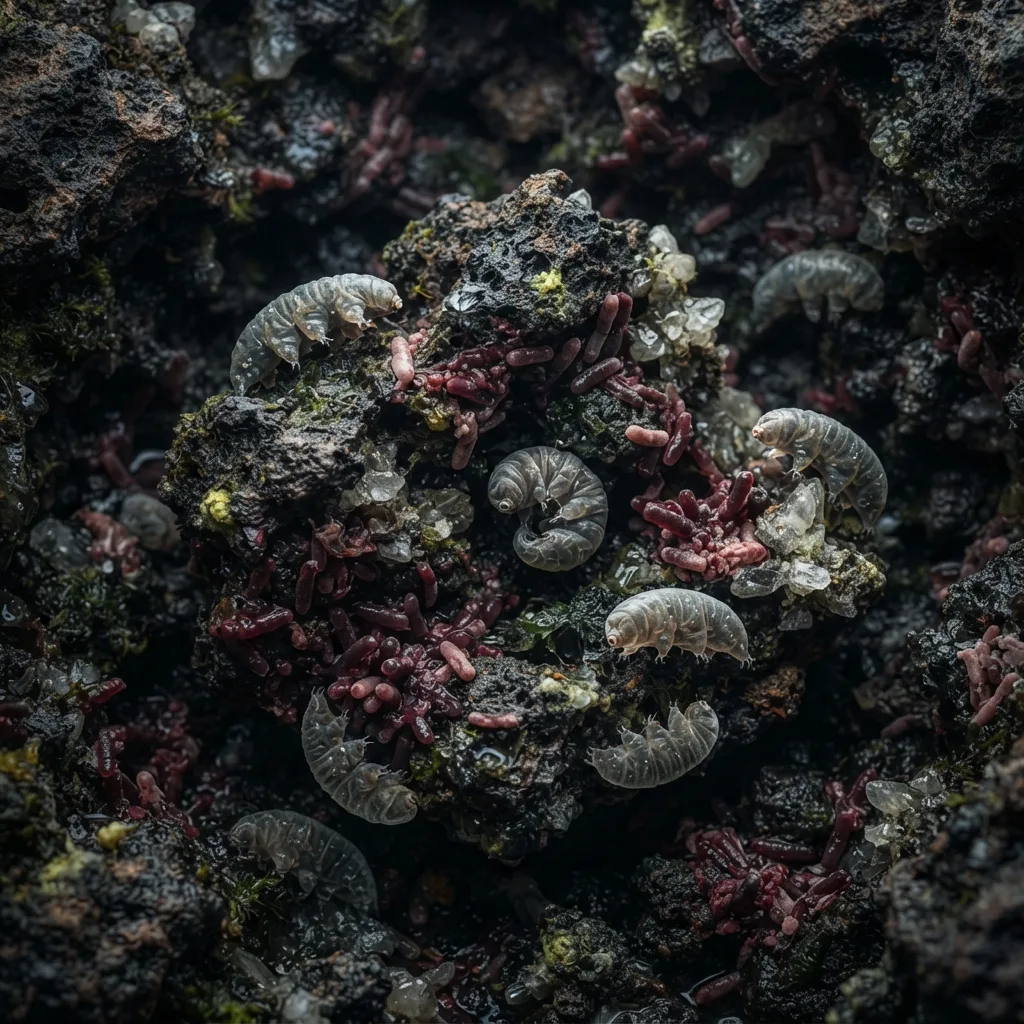
Deinococcus radiodurans survives 1,000 times lethal human radiation doses; tardigrades endure vacuum, near absolute zero, and 6,000 atmospheres. Microbes 5 km deep inside solid rock metabolize chemical reactions without sunlight.

Extremophile microbes in extreme conditions

Butterfly effect in planetary systems

Extreme sensitivity to initial conditions.

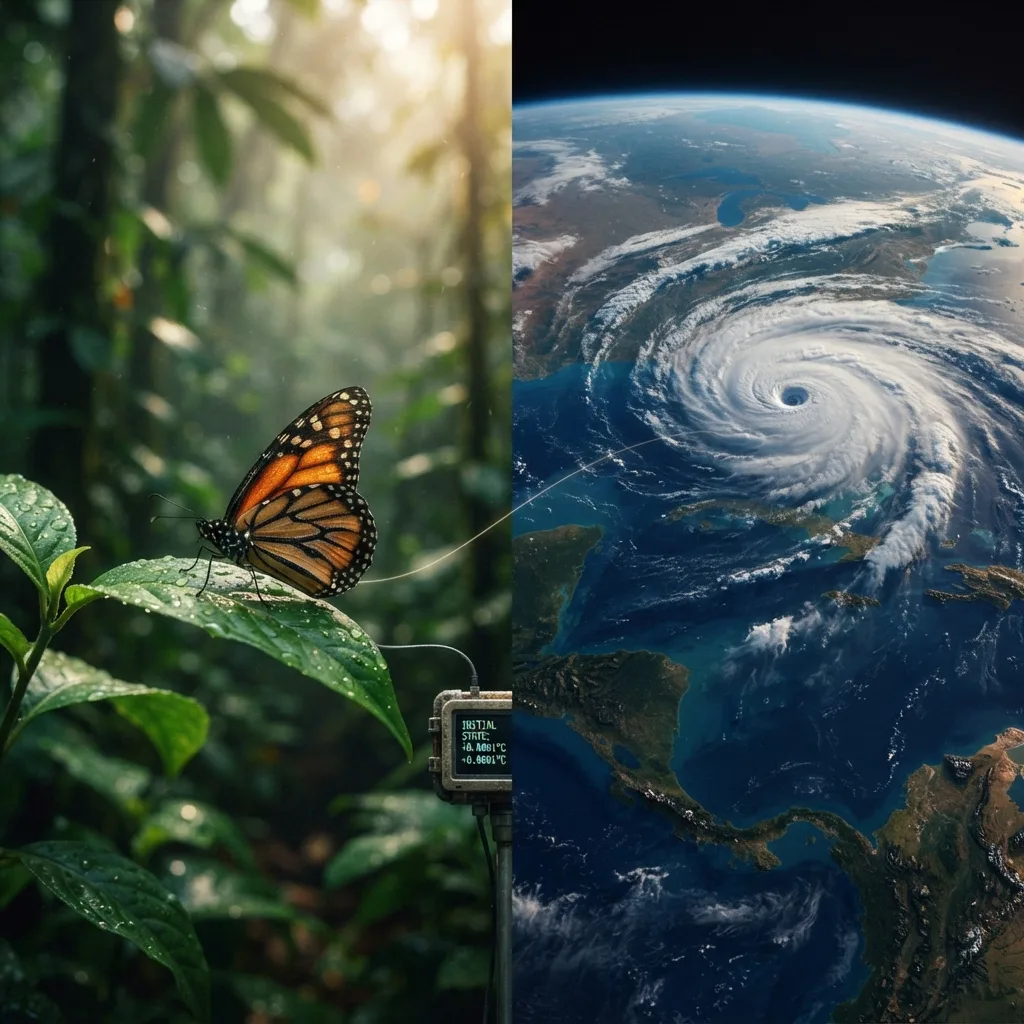
Chaos theory demonstrates that complex planetary systems (weather, seismic faults, ecological food webs) display extreme sensitivity to initial conditions, placing mathematical limits on long-term predictions.

"Flap of a butterfly's wings causing a hurricane."

Butterfly effect in planetary systems

Blue holes and subterranean karst networks

Portals to unmapped underground worlds.

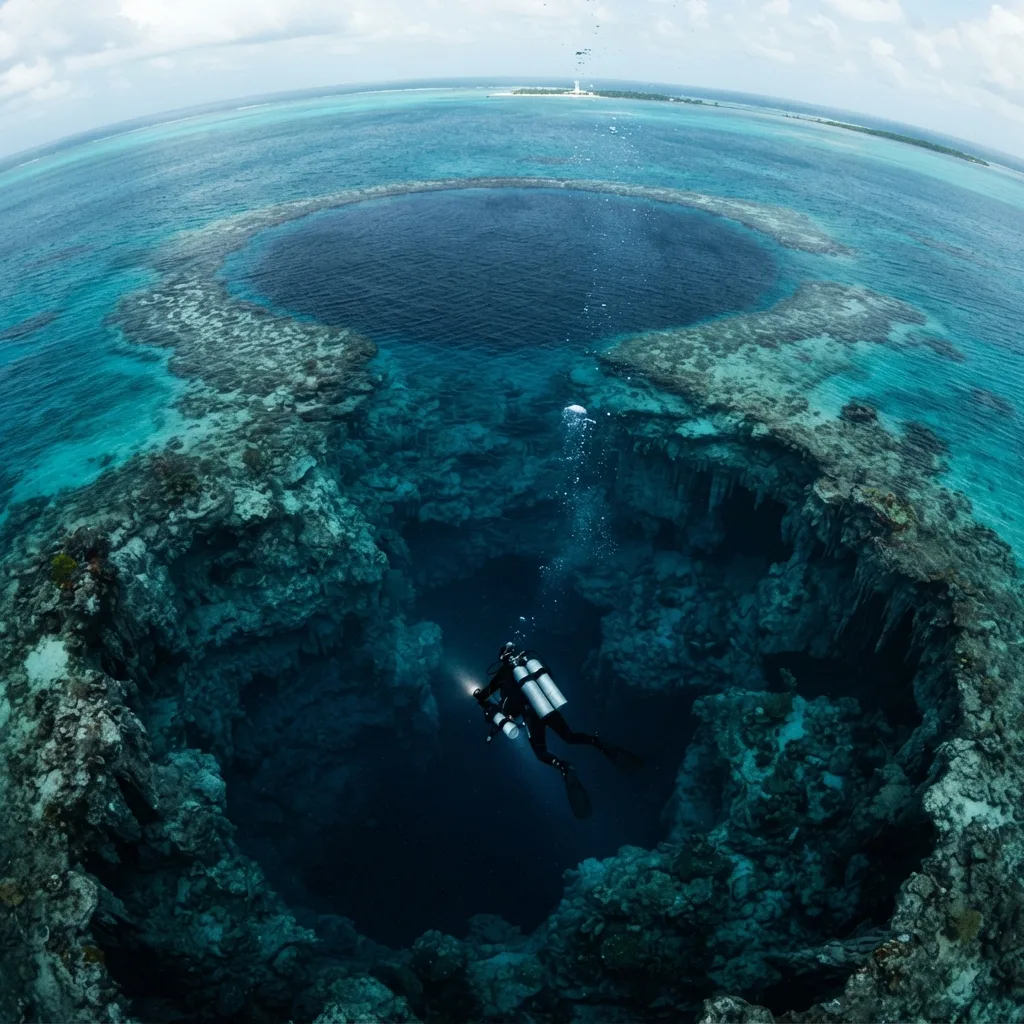
Blue holes and sinkholes connect to vast submerged cave networks. Belize's Great Blue Hole drops 125 meters. Romania's Movile Cave harbored an isolated chemosynthetic ecosystem for 5.5 million years without sunlight.

Blue holes and subterranean karst networks

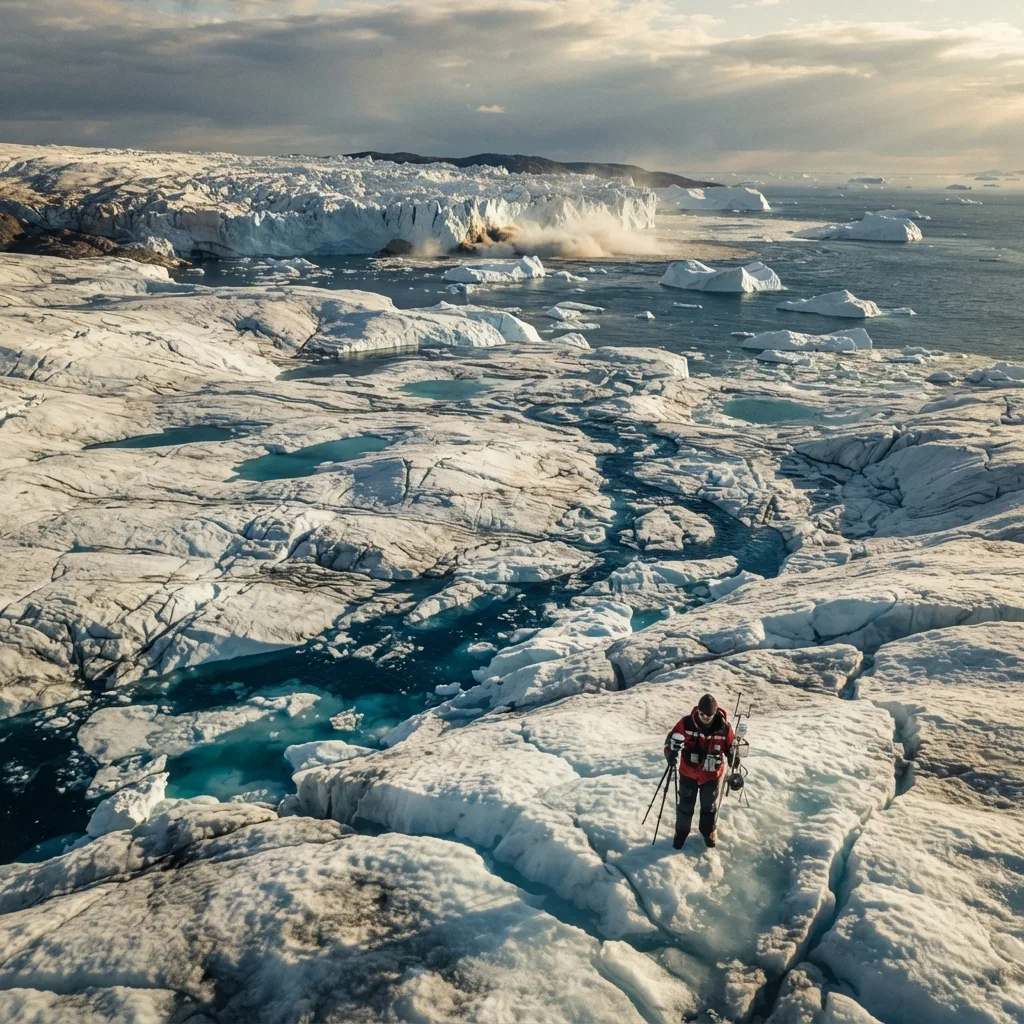
Greenland ice sheet melting acceleration

2.9 million km³ of ice at risk.

Greenland sheds 270 billion tons of ice annually. Complete melting would add 7.4 meters to global sea levels. Influxes of cold freshwater threaten to disrupt North Atlantic circulation currents.

Greenland ice sheet melting acceleration

Yet environmental extremes pale beside sub-surface realms...

10

Deep Subsurface Life

5,000 meters

Ecosystems thriving miles beneath Earth's crust without sunlight.

Deep intraterrestrial biosphere

A subterranean biomass rivaling surface life.

Microorganisms inhabiting rock pores 5 km deep constitute the "deep biosphere," estimated at 15–23 billion tons of carbon biomass. Living via chemosynthesis, subsurface life may outweigh surface land organisms.

Deep intraterrestrial biosphere

Extinct lineages lost to past mass extinctions

Vanished branches of the tree of life.

The Big Five mass extinctions eliminated 75–96% of active species. Trilobites, ammonites, and non-avian dinosaurs vanished forever. Countless un-fossilized soft-bodied lineages disappeared without leaving a geological trace.

Extinct lineages lost to past mass extinctions

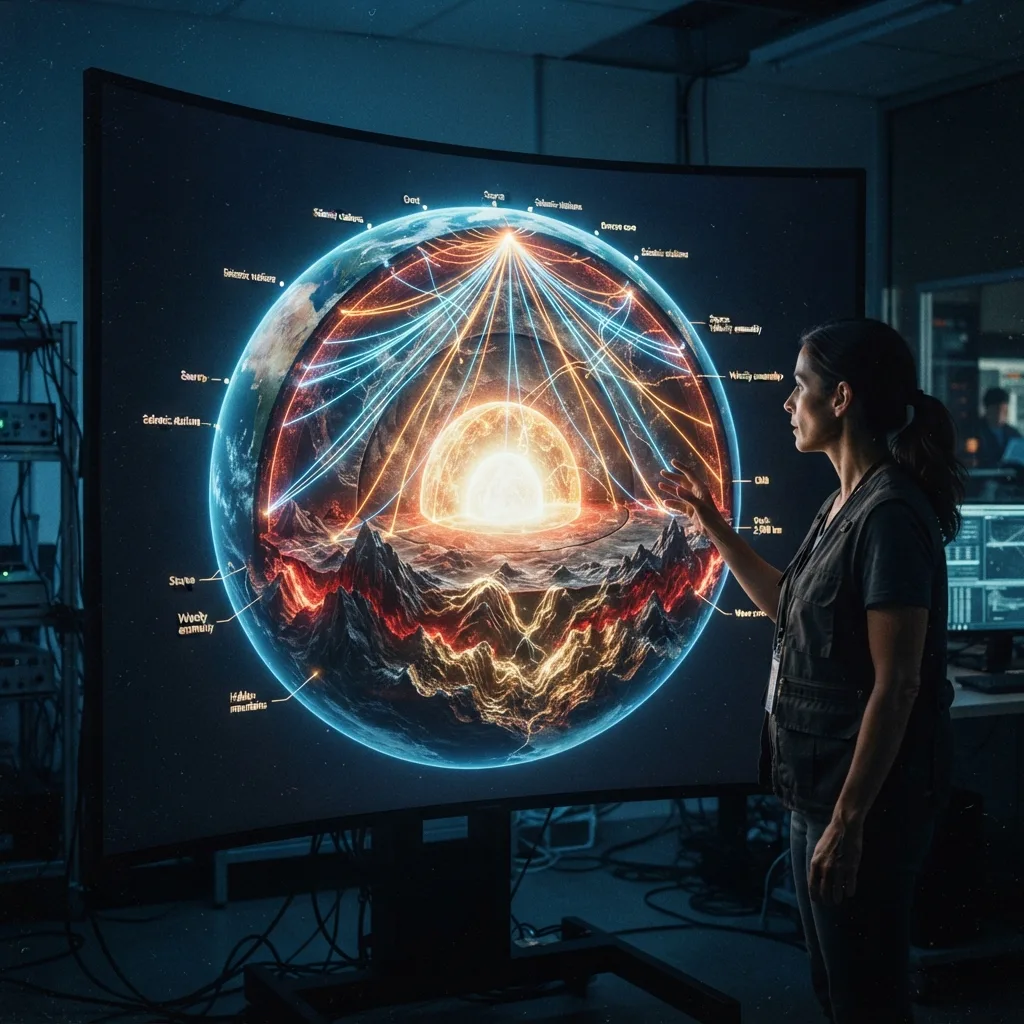
Seismic tomography revealing mantle structures

X-raying Earth's deep interior.

Seismologists map internal structures using earthquake wave refraction. They discovered continental-sized thermochemical structures (LLVPs) sitting atop the core-mantle boundary 2,900 km beneath our feet.

Seismic tomography revealing mantle structures

Lunar stabilization of Earth's axial tilt

The Moon as planetary climate stabilizer.

Lunar gravitational pull drives ocean tides and stabilizes Earth's 23.5° axial tilt. Without the Moon, solar and planetary perturbations would cause chaotic tilt swings (0–85°), triggering extreme climatic shifts.

Lunar stabilization of Earth's axial tilt

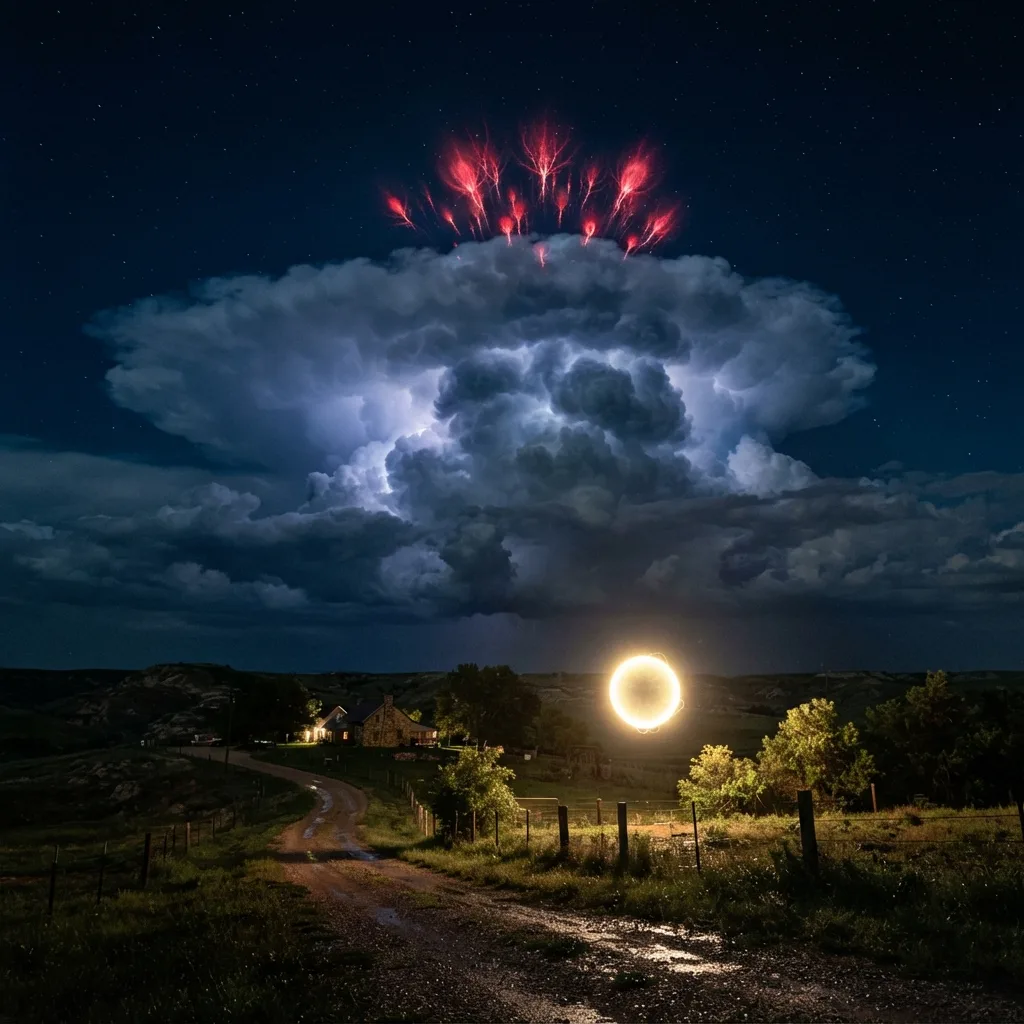
Atmospheric electrical phenomena: ball lightning and sprites

High-altitude transient luminous events.

Transient luminous events (sprites, blue jets, elves) discharge electrical energy 50–90 km above thunderstorm clouds into the mesosphere. Ball lightning remains an elusive electrical phenomenon undergoing study.

Atmospheric electrical phenomena: ball lightning and sprites

And beneath hidden sub-surface worlds, questions turn weirder...

11

Magnetic and Geologic Anomalies

6,000 meters

Regions where geomagnetic and physical baselines skew.

Geomagnetic anomalies

Regional magnetic field weaknesses and spikes.

The South Atlantic Anomaly represents a massive depression in Earth's magnetic field where radiation belts dip closest to the surface. Local magnetic anomalies in Kursk and Bangui stem from massive subterranean iron deposits.

Geomagnetic anomalies

Inner core super-rotation

An iron core spinning independently inside liquid.

Seismic measurements indicate the solid iron inner core rotates at a slightly different rate than the mantle (super-rotation). Recent studies suggest this differential rotation fluctuates, altering day length by milliseconds.

Inner core super-rotation

Ancient maps depicting unmapped landmasses

Cartographic anomalies challenging historical timelines.

Historic portolan charts like the 1513 Piri Reis map depict coastlines of South America and Antarctica with surprising detail, sparking ongoing debates between mainstream cartographic historians and alternative researchers.

"Did ancient cartographers map ice-free coastlines?"

Ancient maps depicting unmapped landmasses

Enigmatic natural geological formations

Natural rock structures mimicking human architecture.

Formations like the Giant's Causeway basalt columns, Yonaguni submerged terraces, and Costa Rica stone spheres highlight the fine line between natural geological crystallization and deliberate human stonework.

Enigmatic natural geological formations

Astronomical cycles driving long-term climate

Milankovitch cycles dictating ice ages.

Periodic variations in Earth's orbital eccentricity (100,000 yrs), axial tilt (41,000 yrs), and precession (23,000 yrs)—known as Milankovitch cycles—alter solar radiation distribution, driving Quaternary ice age cycles.

Astronomical cycles driving long-term climate

But physical anomalies extend beyond magnetic fields...

12

Mysterious Structures

7,000 meters

Megalithic monuments aligned with cosmic cycles.

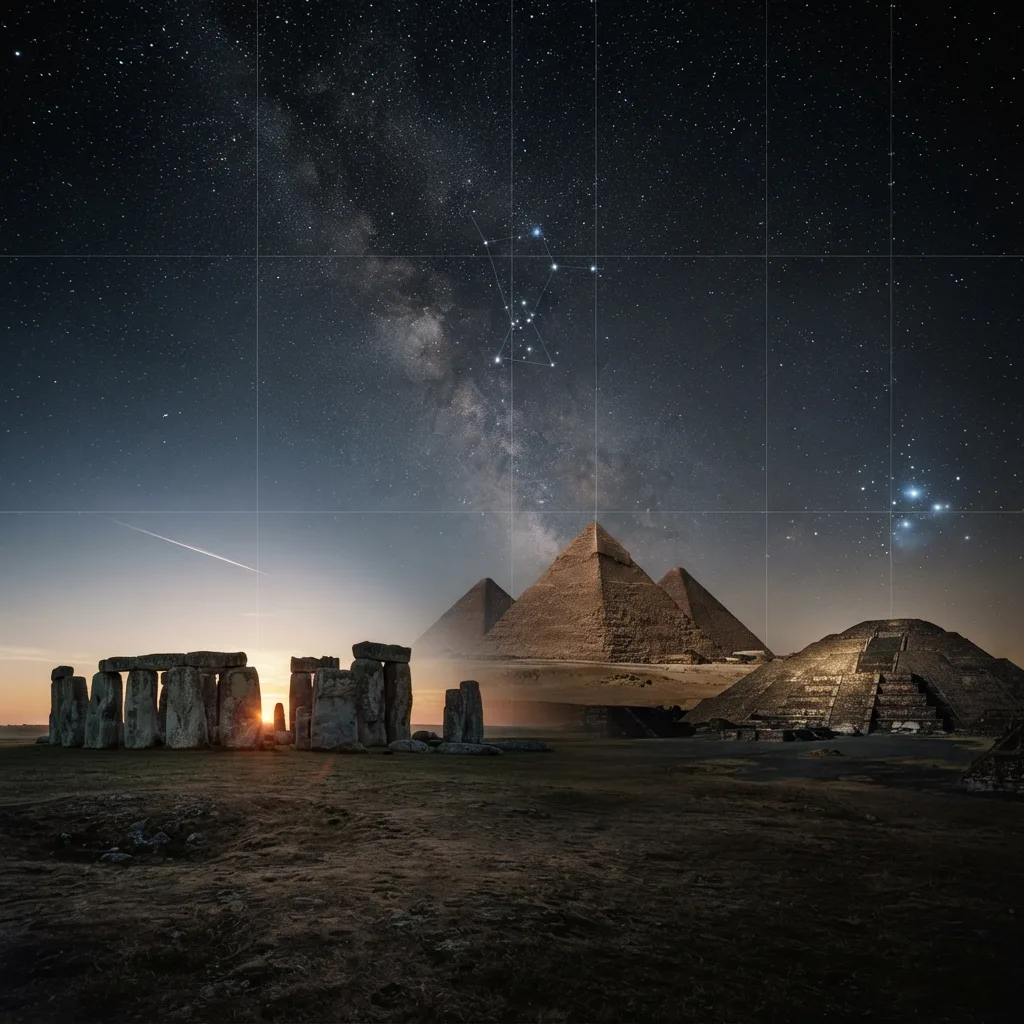
Megalithic astronomy and alignments

Ancient stone engineering aligned with solstices.

Stonehenge, Giza Pyramids, and Göbekli Tepe incorporate solar, lunar, and stellar alignments. Giza's Great Pyramid aligns to true north within 0.05°, reflecting sophisticated astronomical survey techniques.

Megalithic astronomy and alignments

Thinness of the Earth's crust

A paper-thin shell over a molten interior.

Earth's crust spans only 5–70 km over a 6,371 km radius—proportionally thinner than an apple skin. The underlying 2,900 km silicate mantle and iron core constitute 99% of planetary volume.

Thinness of the Earth's crust

Deep geological time scale

Deep time spanning billions of years.

Geological time operates across millions of years. Tectonic drift, mountain uplift, and erosion alter landscapes imperceptibly. Human history (10,000 years) occupies less than 0.0002% of total Earth history.

Deep geological time scale

Extraterrestrial origin of terrestrial water

Cometary and asteroidal delivery of water.

Isotopic D/H matching indicates Earth's surface water was delivered primarily by carbonaceous chondrite asteroid impacts during late accretion phases 4.0 billion years ago. We drink extraterrestrial water.

Extraterrestrial origin of terrestrial water

Simulation hypothesis and planetary consciousness

Philosophical frameworks probing reality's nature.

The simulation hypothesis proposes physical reality and planetary physics could represent a computational simulation. While unprovable by current physics, it remains a popular philosophical paradigm.

Simulation hypothesis and planetary consciousness

These ancient structures hint at forgotten knowledge...

13

Temporal and Energetic Perspective

8,000 meters

Time scales reframing human presence on Earth.

Human existence as a geological instant

300,000 years versus 4.54 billion years.

On a 24-hour clock representing Earth history, Homo sapiens appear at 23:59:56. Recorded human civilization occupies the final 0.1 seconds. Earth existed for eons before us and will persist long after.

Human existence as a geological instant

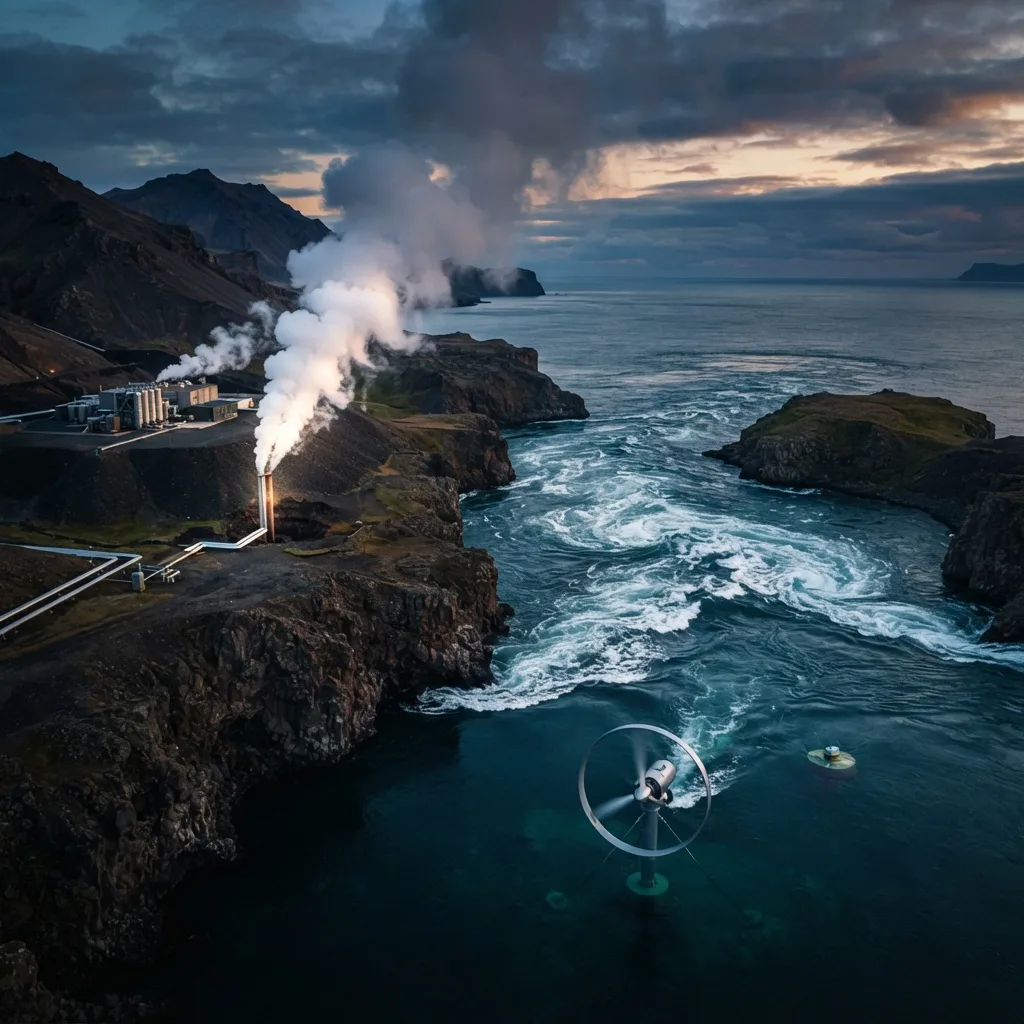
Untapped natural energy reserves

Geothermal and marine energy potential.

Earth's internal geothermal heat flow contains 100,000 times more energy than current human annual consumption. Harnessing deep geothermal and tidal power presents vast untapped clean energy potential.

Untapped natural energy reserves

Fragility of ecological tipping points

Ecosystems approaching irreversible thresholds.

Planetary boundary models identify critical tipping points (Amazon dieback, AMOC shutdown, ice sheet collapse) where gradual change triggers sudden, irreversible shifts in planetary habitability.

Fragility of ecological tipping points

The long-term geological legacy of humanity

What structural traces remain in 100,000 years?

In 100,000 years, cities will crumble into fine sediment layers. Plastics, synthetic isotopes (plutonium), and mass extinction boundary layers will form our permanent geological technofossil footprint.

"What will geologists find in the strata 10 million years from now?"

The long-term geological legacy of humanity

Subterranean life and unmapped biomes

Unmapped biomes beneath the surface.

With 80% of seafloors and vast subterranean cave networks unmapped, undiscovered extremophile biomes exist isolated from surface sunlight, challenging assumptions about planetary biology.

Subterranean life and unmapped biomes

At this scale, fundamental questions become existential...

14

The Abyss

10,000+ meters

In the deepest abyssal reaches, fundamental questions remain.

Undiscovered subglacial and abyssal ecosystems

Isolated evolutionary time capsules.

Antarctica's Lake Vostok, sealed under 4 km of ice for 15 million years, harbors isolated micro-organisms. Similar subglacial environments offer analogues for extraterrestrial life on icy moons.

Undiscovered subglacial and abyssal ecosystems

Lost ancient metallurgical and architectural techniques

Vanished technological know-how.

Historical formulations like Greek Fire, original Damascus steel crucible forging, and Roman self-healing underwater concrete were lost for centuries, illustrating the fragility of human knowledge.

Lost ancient metallurgical and architectural techniques

Gaia hypothesis: Earth as a self-regulating system

Is the biosphere an integrated superorganism?

Formulated by James Lovelock, the Gaia hypothesis posits that organic life interacts with inorganic surroundings to maintain self-regulating planetary feedback systems suitable for habitability.

"Earth is not a stage for life; Earth is a living system."

Gaia hypothesis: Earth as a self-regulating system

Future planetary habitability and mass extinction cycle

Will humanity survive the next planetary filter?

Past mass extinctions reshaped life every 50–100 million years. Whether humanity navigates Anthropocene ecological disruptions determines whether we survive long-term or join extinct fossil strata.

Future planetary habitability and mass extinction cycle

Earth's recovery post-humanity

The planet will endure with or without us.

If humanity vanishes, atmospheric CO₂ will normalize over 100,000 years. Infrastructure decays, biodiversity recovers over millions of years. Earth does not need saving; humanity needs Earth.

Earth's recovery post-humanity

Geoengineering and climate intervention theories

Solar radiation management and carbon removal risks.

Proposed planetary-scale geoengineering (stratospheric aerosol injection, ocean iron fertilization) aims to offset warming artificially, carrying unquantified global ecological side effects.

Geoengineering and climate intervention theories

Karst cave systems spanning unexplored continents

Inverted subterranean wildernesses.

Mammoth Cave (685 km mapped) and Yucatán's flooded cenotes span vast unexplored limestone labyrinths. Subterranean aquifers constitute an unexplored wilderness beneath our feet.

Karst cave systems spanning unexplored continents

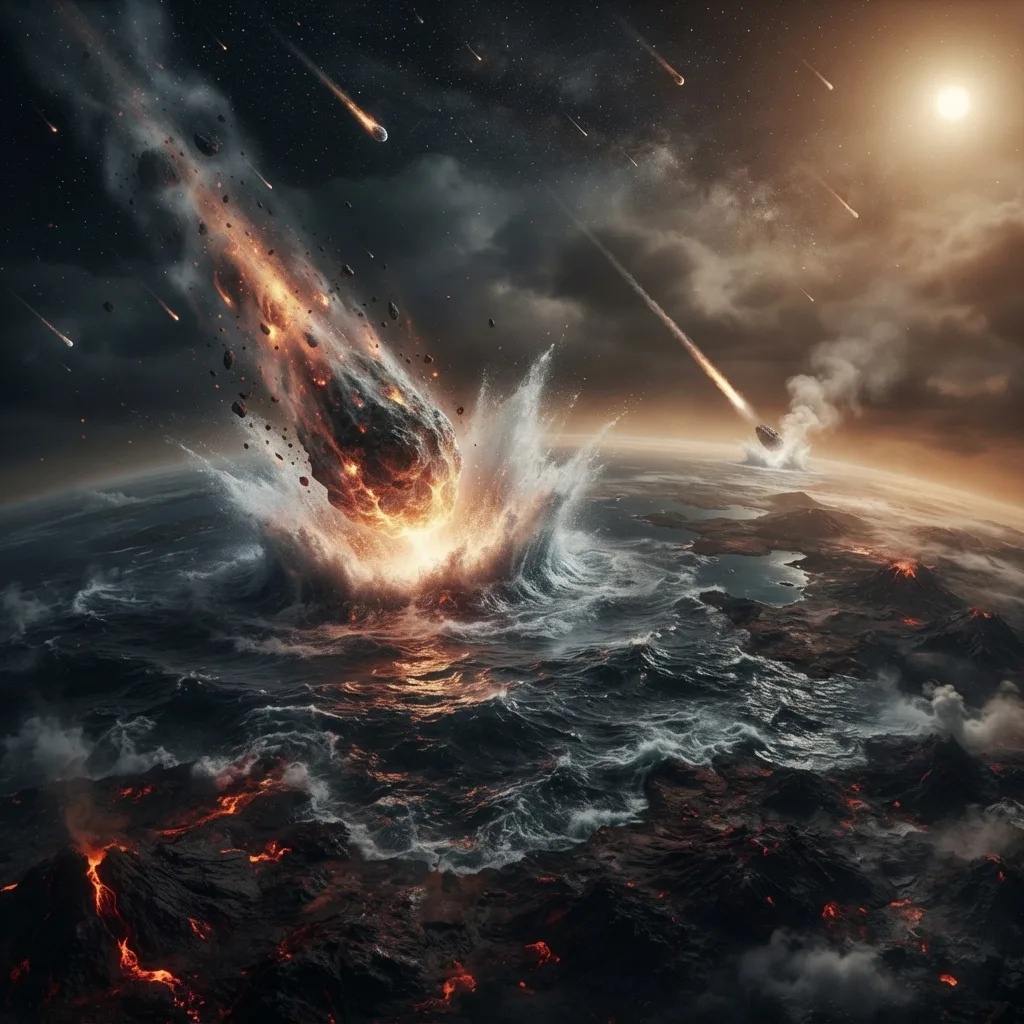
Ancient cosmic impact scars

Traces of cosmic collisions in Earth's crust.

Over 190 crater structures, including Chicxulub and Vredefort, document periodic cosmic bombardments that repeatedly reset evolutionary trajectories throughout Earth's history.

Ancient cosmic impact scars

Unidentified aerial and sub-surface phenomena

Documented aerial anomalies defying current physics.

Government-validated sensor data of Unidentified Anomaly Phenomena (UAP) exhibiting trans-medium travel and rapid acceleration remain under rigorous scientific investigation.

"Absence of evidence is not evidence of absence."

Unidentified aerial and sub-surface phenomena

Flood myths and prehistoric cataclysm oral histories

Global folklore recording post-glacial sea level rises.

Widespread flood mythologies across isolated cultures may preserve 10,000-year-old oral memories of Meltwater Pulse 1A, when post-glacial sea levels rose 20 meters, submerging coastal shelves.

Flood myths and prehistoric cataclysm oral histories

The simulation argument applied to Earth

Bostrom's trilemma and simulated realities.

Nick Bostrom's simulation argument calculates that if advanced civilizations create ancestor simulations, statistical probability suggests our observed reality could be simulated.

The simulation argument applied to Earth

Purpose of life on Earth

The ultimate existential inquiry.

Science explains the mechanisms of life, while philosophy and theology probe its purpose. Whether life is a cosmic accident or a conscious milestone dictates how we inhabit our world.

Purpose of life on Earth

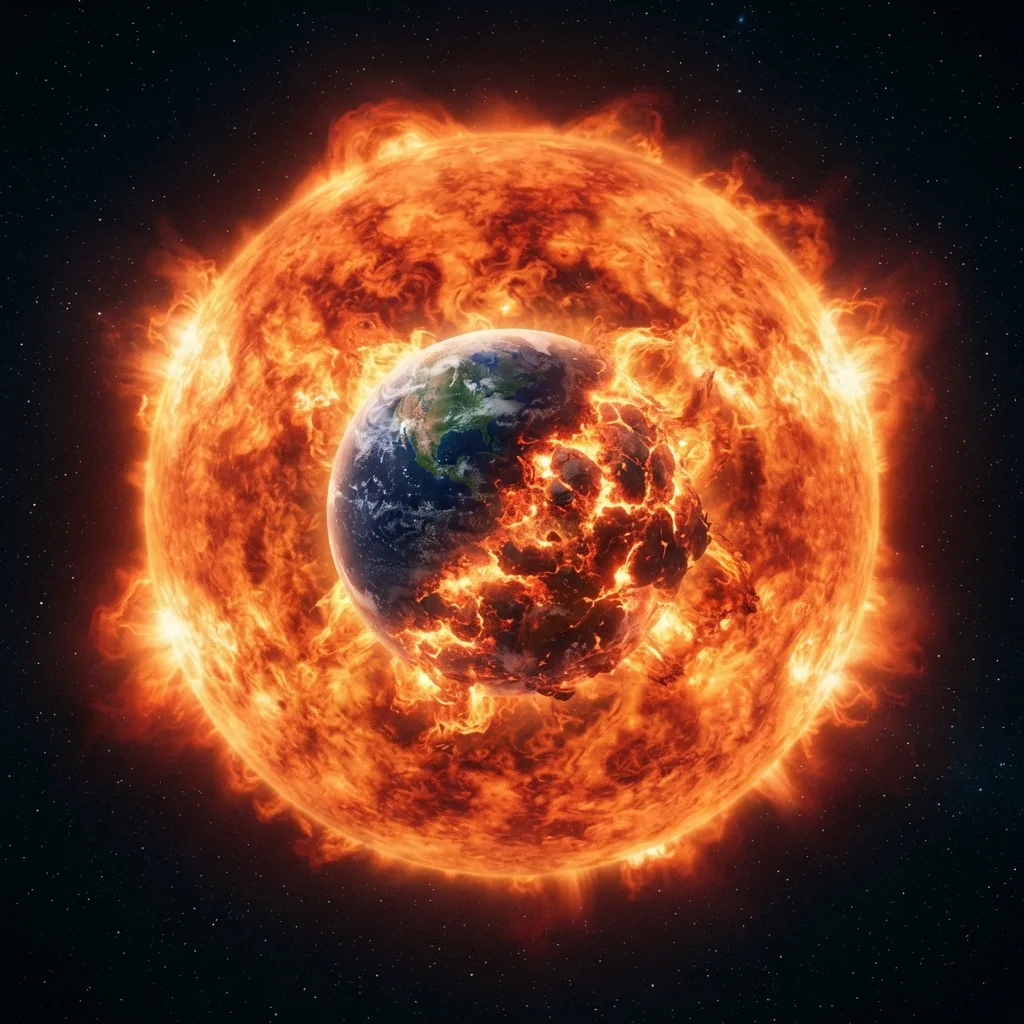
Earth's ultimate fate in 5 billion years

The inevitable solar expansion.

In 1 billion years, increasing solar luminosity will evaporate oceans. In 5 billion years, the Sun will expand into a Red Giant, likely engulfing Earth—the physical fate of all terrestrial worlds.

Earth's ultimate fate in 5 billion years

Human consciousness interacting with physical reality

Quantum observer effects and planetary consciousness.

Quantum mechanics demonstrates measurement affects subatomic states. Hypotheses explore whether collective consciousness interacts with physical systems, a subject of ongoing debate.

Human consciousness interacting with physical reality

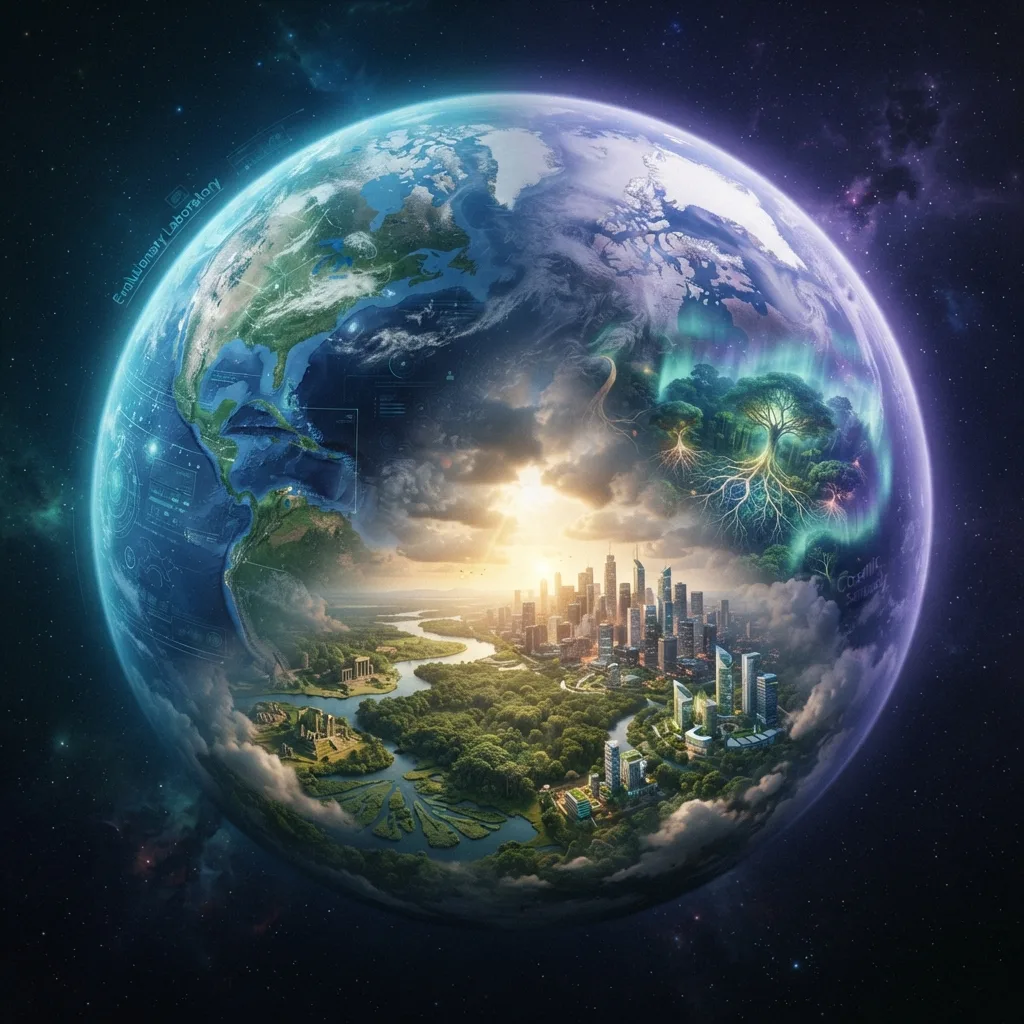
Earth: laboratory, classroom, or sanctuary

The ultimate meaning of our planetary home.

Whether Earth is viewed as an evolutionary laboratory, a spiritual classroom, or a sacred planetary sanctuary shapes human stewardship and determines our species' long-term destiny.

"We are the universe experiencing itself."

Earth: laboratory, classroom, or sanctuary

What else remains hidden on our home world?

Nivel 1/140 meters

Has llegado al fondo.

Todo iceberg termina aquí.

Pero siempre hay otro esperando
ser explorado.

Explorar otro iceberg