Iceberg of Books

A journey from the printed page to the buried secrets of literature: discover hidden power, lost stories, and the mysteries that books hold.

14 levels75 entries19 min read
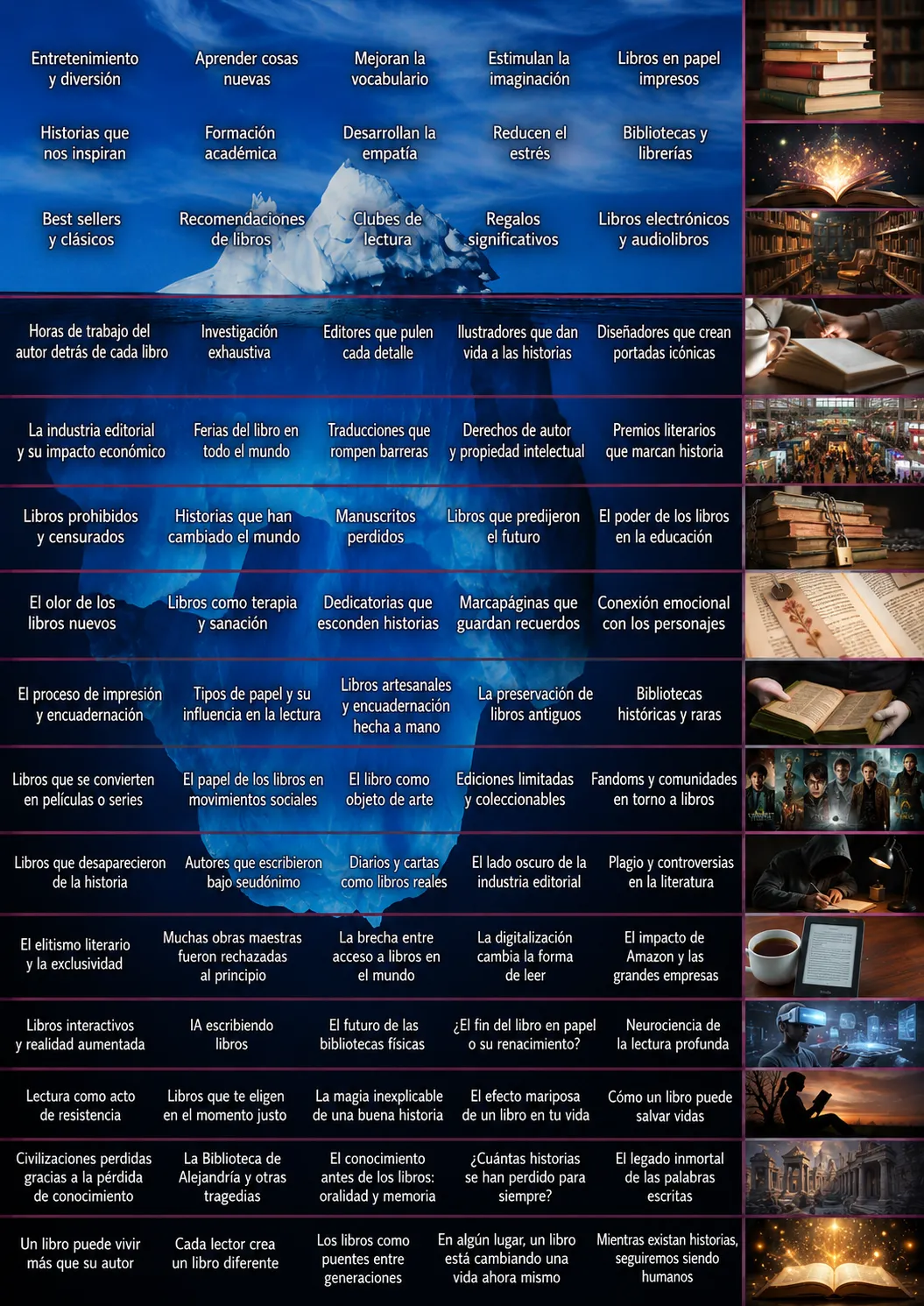
Iceberg of Books
Click image to enlarge

Click image to enlarge

1

Surface

0 meters

What we all know about books. The self-evident truths we see every day.

Entertainment and fun

The oldest escape.

Books have entertained ever since human beings traced their first words in clay. They are portals to non-existent worlds, stories you never lived, lives that are not yours. Open a book and you cease to be where you are.
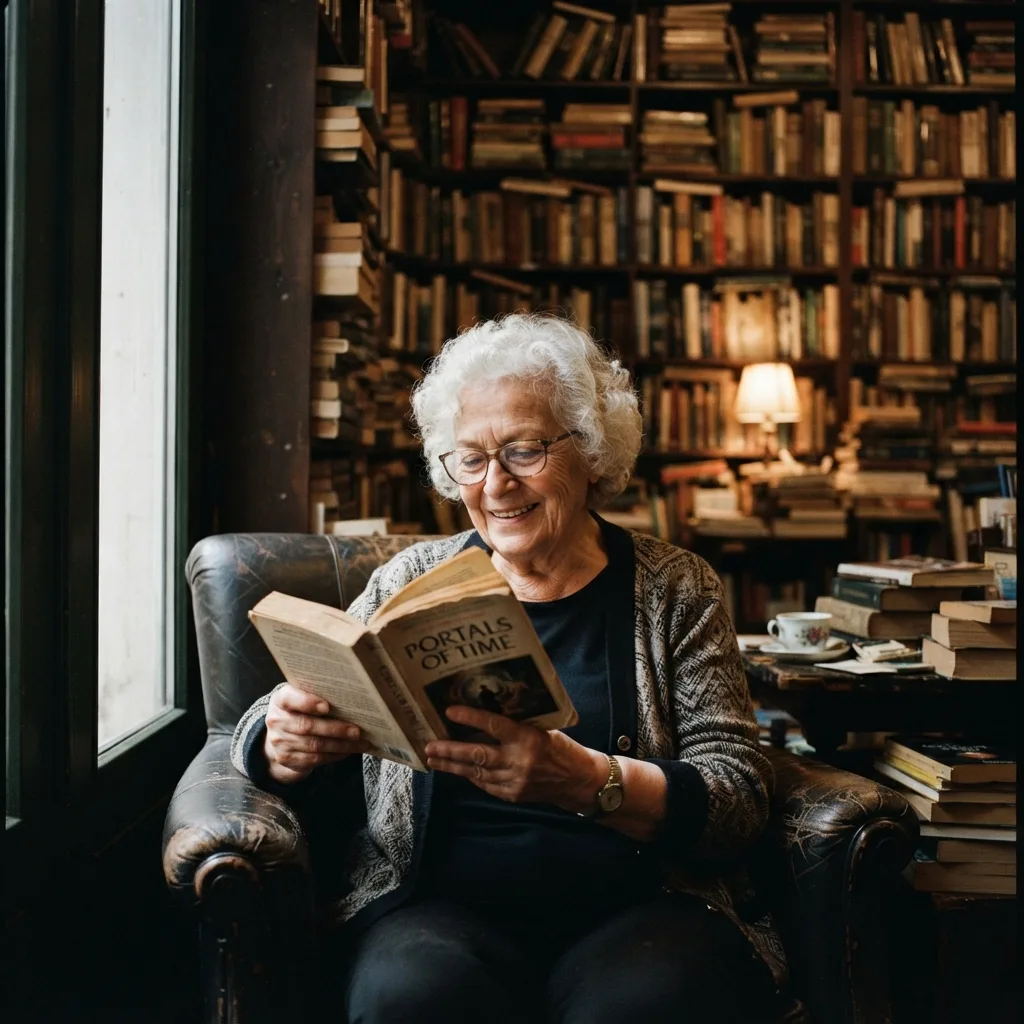

Entertainment and fun

Learning new things

Packaged knowledge.

Every book is a mind condensed into ink. You can learn quantum physics, Thai cooking, or Roman history without leaving your room. The book is the time machine of knowledge.

Learning new things

Expanding vocabulary

Words you didn't know you needed.

Reading expands your vocabulary naturally. Every book gifts you new words, nuances, and ways to express what you couldn't name before. He who reads speaks with greater precision; he who speaks with precision thinks with clarity.

Expanding vocabulary

Stimulating imagination

The gym of the mind.

Unlike cinema, a book shows you nothing. It gives you words and you build the worlds. Every reader imagines a different Hogwarts, a distinct Gatsby. The book is a co-creation between author and reader.

Stimulating imagination

Printed paper books

The physical object.

A paper book has weight, smell, and texture. You can underline it, fold its pages, gift it. It is a physical object that occupies space and ages alongside you. Digital formats cannot replicate that.

Printed paper books

But the surface only hides the obvious. Books hold secrets that pages do not reveal.

2

Basic Knowledge

100 meters

What culture has revealed about books. The truths everyone accepts.

Stories that inspire us

Words that change lives.

Don Quixote inspired idealism. Les Misérables inspired justice. 1984 inspired resistance. Great stories do not merely entertain: they transform. A single book can alter the trajectory of an entire life.

Stories that inspire us

Academic education

The foundation of knowledge.

Textbooks, treatises, manuals: they form the backbone of education. Without them, knowledge would fail to pass from generation to generation. Every career, every profession is built upon books.

Academic education

Developing empathy

Living other lives.

Reading literary fiction enhances your ability to understand the emotions of others. When you read, you step inside the head of someone entirely different from yourself. It is the most powerful exercise in empathy that exists.

Developing empathy

Stress reduction

The paper refuge.

Studies from the University of Sussex proved that reading for just 6 minutes reduces stress by 68%. More than music, more than walking. A book is a natural anti-anxiety tool with zero side effects.

Stress reduction

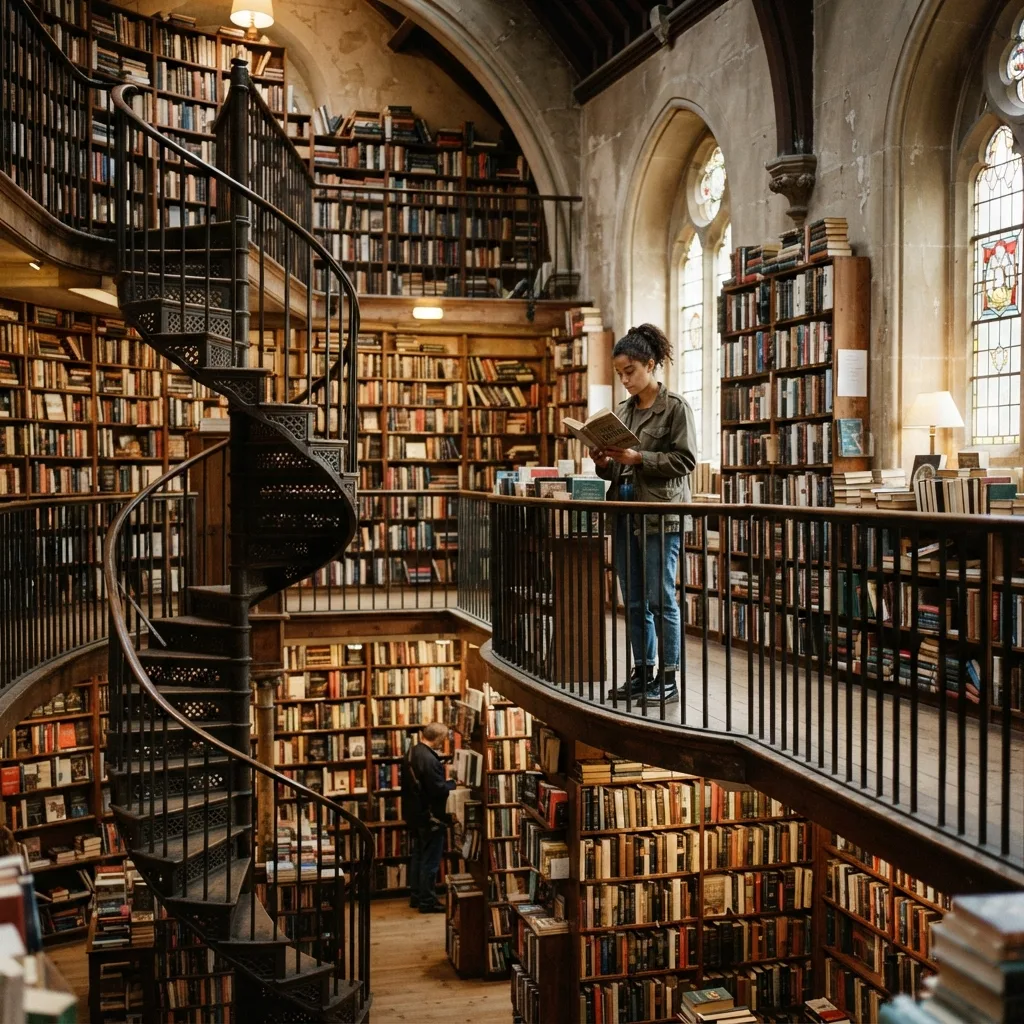
Libraries and bookstores

Temples of knowledge.

Libraries are the only places where you can walk in without buying a thing and walk out with entire worlds. Bookstores are labyrinths of possibilities. Both are sanctuaries humanity must protect.

Libraries and bookstores

But there is more below the surface. Inspiring stories, forming minds.

3

Hidden Reality

500 meters

What few know about the world of books. Cultural phenomena.

Bestsellers and classics

Those that survived time.

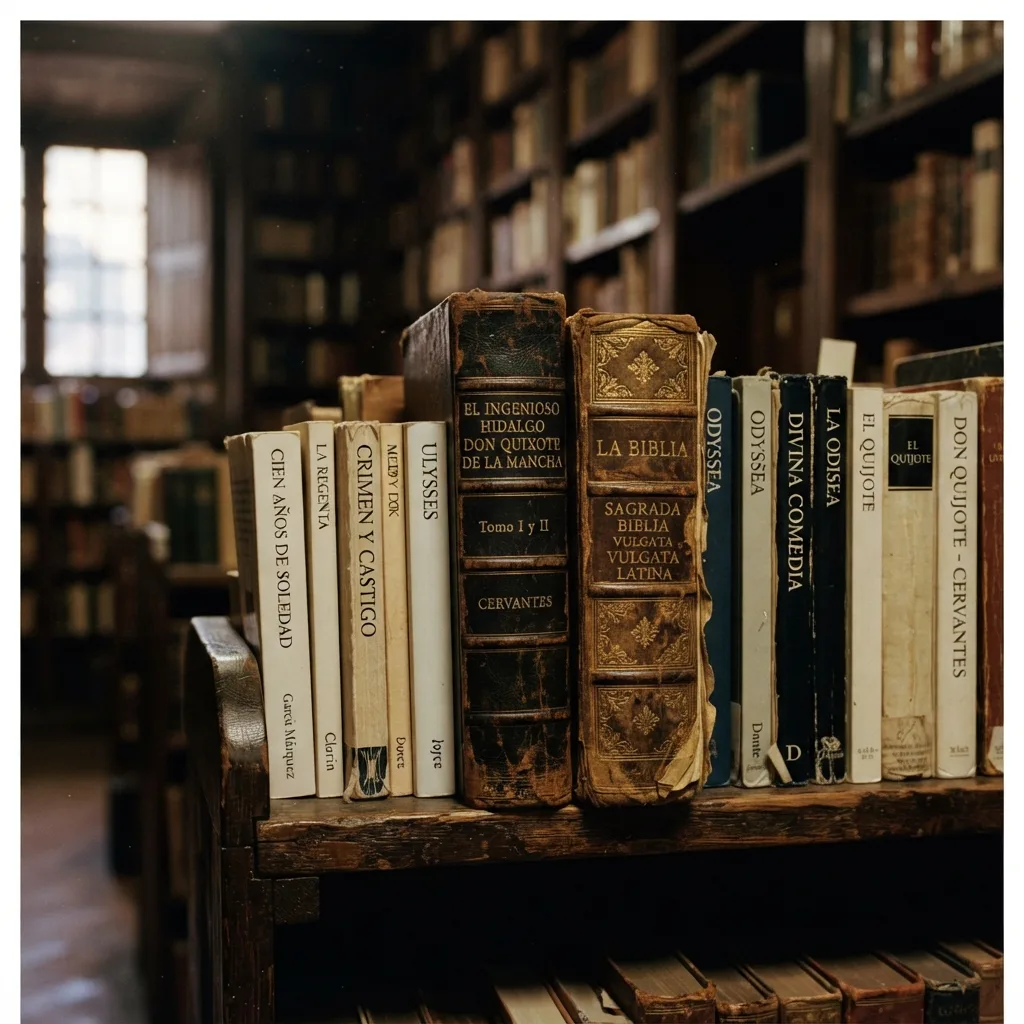
Don Quixote is the best-selling fiction book in history with over 500 million copies. The Bible has surpassed 5 billion. Classics are not old books: they are books that withstood the test of time.

Bestsellers and classics

Book recommendations

Literary word-of-mouth.

Seventy percent of readers discover new books through recommendations. Not through ads, not through algorithms: through people. A book recommended by someone you love carries a power no marketing campaign can match.

Book recommendations

Book clubs

The reading community.

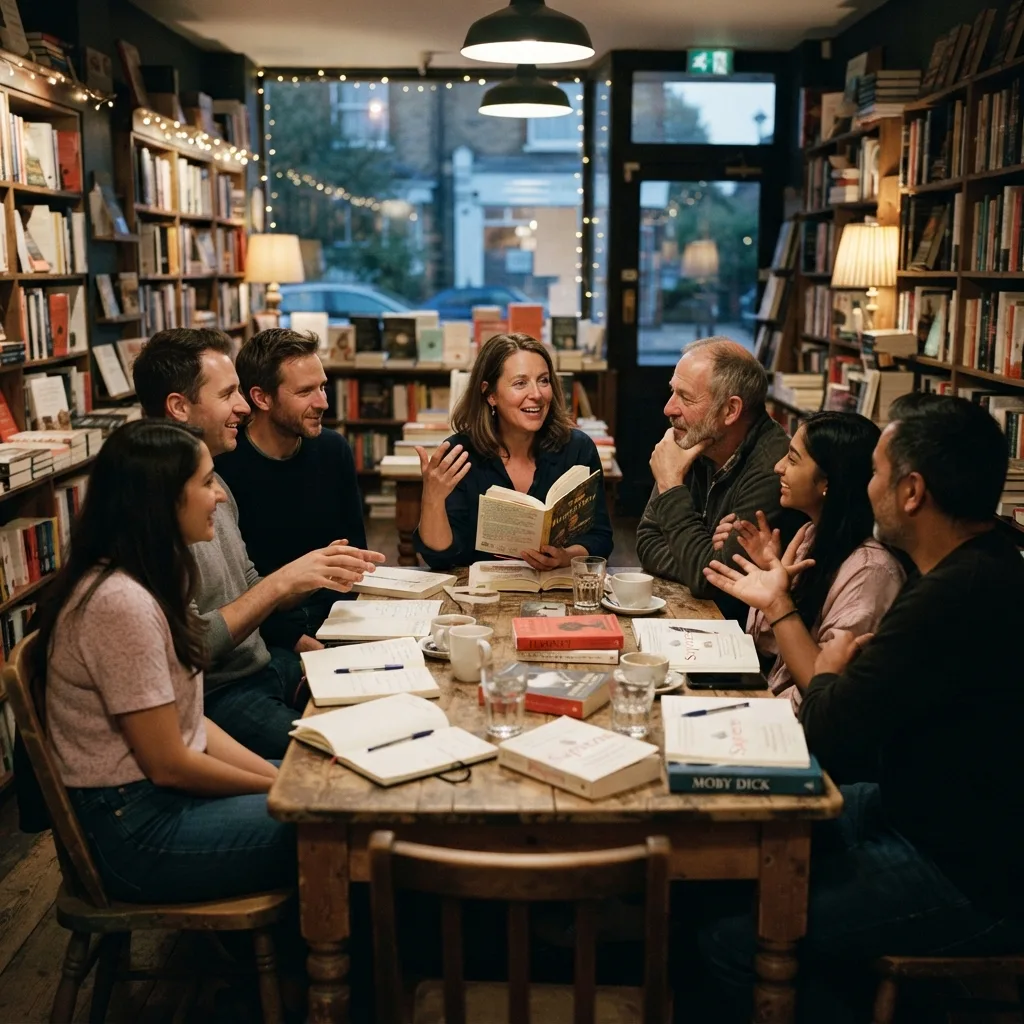
Book clubs have existed since the 18th century. They gather people to discuss, debate, and share interpretations. Reading is solitary, but talking about books is communal. Books create tribes.

Book clubs

Meaningful gifts

The book as an offering.

Gifting a book is saying: "I thought of you." It is intimate, personal, and meaningful. A gifted book carries a dedication, an intention, a message. It is one of the most powerful gifts in existence.

Meaningful gifts

E-books and audiobooks

Format evolution.

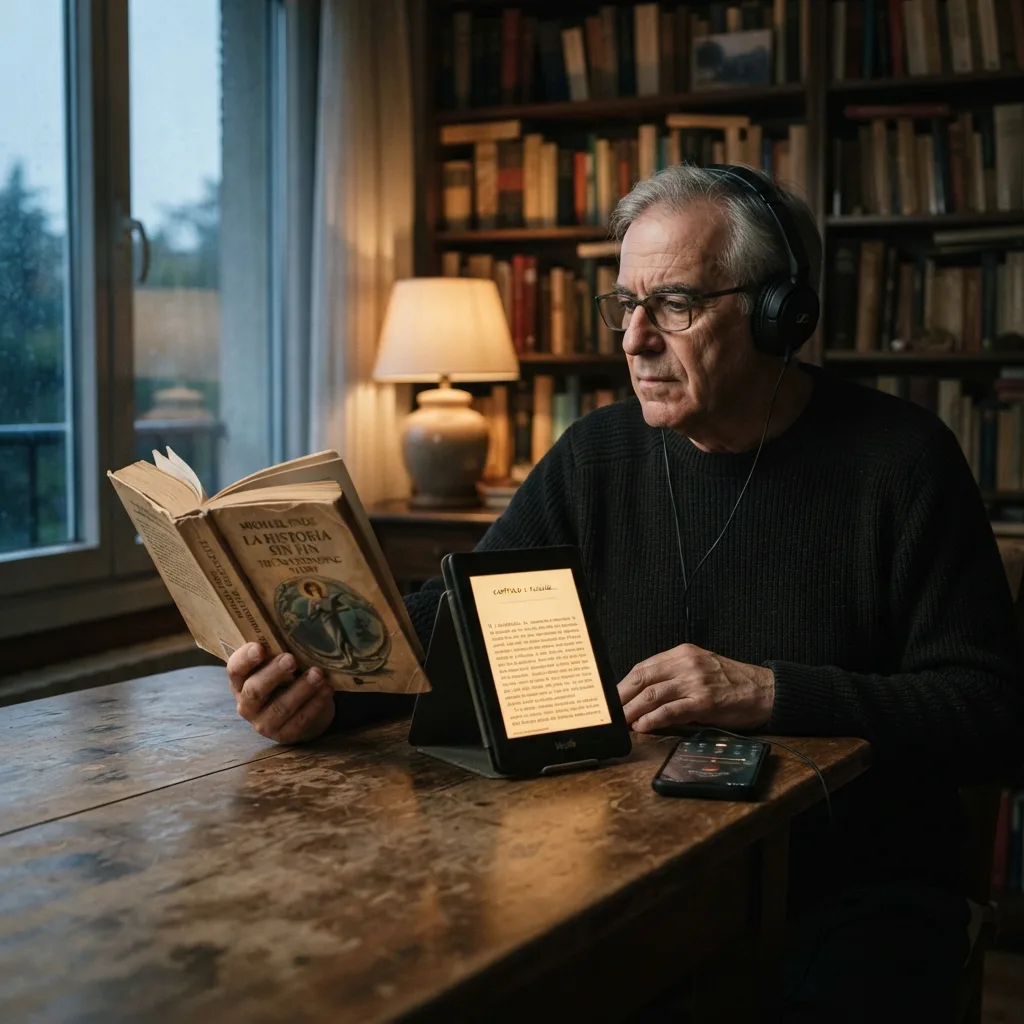
The Kindle launched in 2007. Audiobooks grew by 40% over the last decade. The format changes, but the core remains. The medium adapts, yet story remains story.

E-books and audiobooks

Now you enter territory where books become social phenomena.

4

Behind the Book

1,000 meters

What happens before a book reaches your hands. The invisible labor.

Author work hours behind every book

Years condensed into pages.

Stephen King writes 2,000 words a day. Tolkien took 12 years to write The Lord of the Rings. Haruki Murakami writes 10 hours daily. Behind every book lie years of life surrendered to words.

Author work hours behind every book

Exhaustive research

Truth behind fiction.

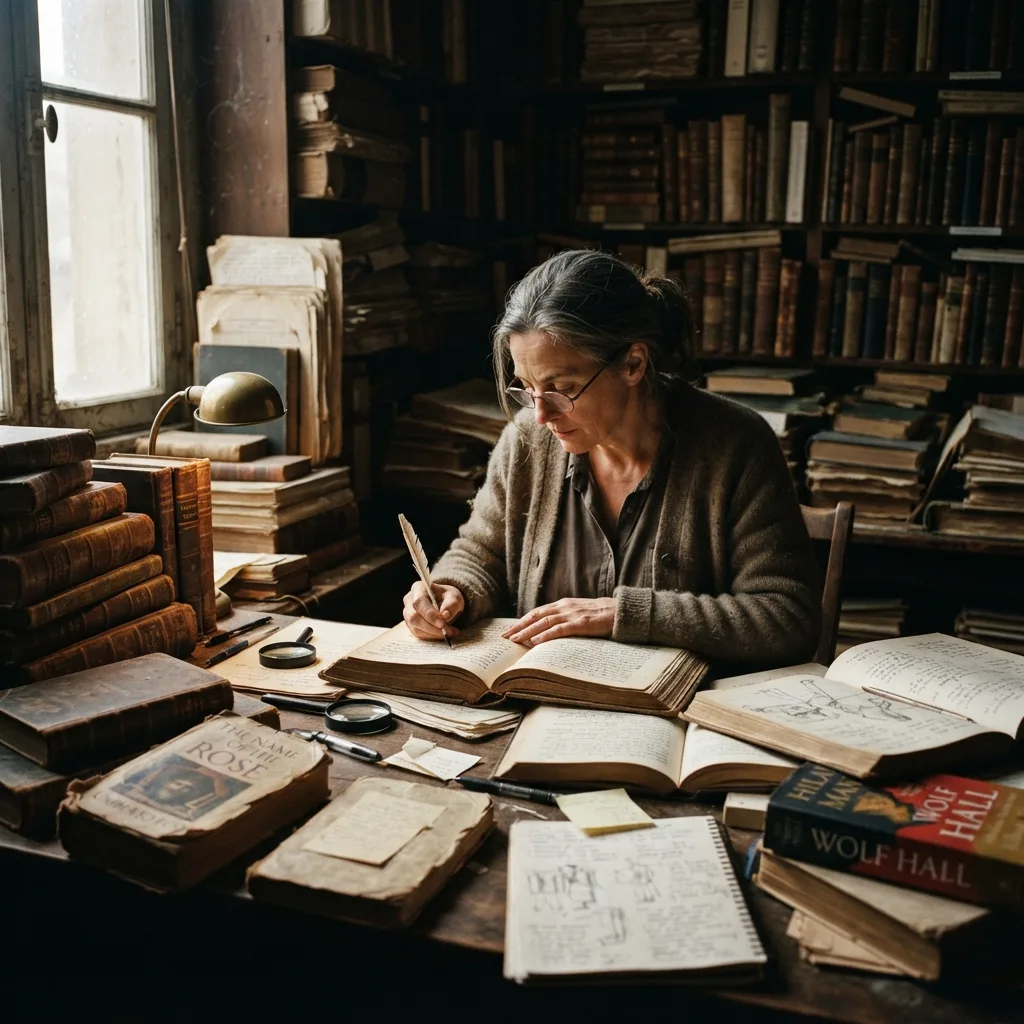
Umberto Eco spent years researching for The Name of the Rose. Hilary Mantel visited Tudor archives for Wolf Hall. Great works of historical fiction are constructed atop mountains of genuine research.

Exhaustive research

Editors polishing every detail

Surgeons of words.

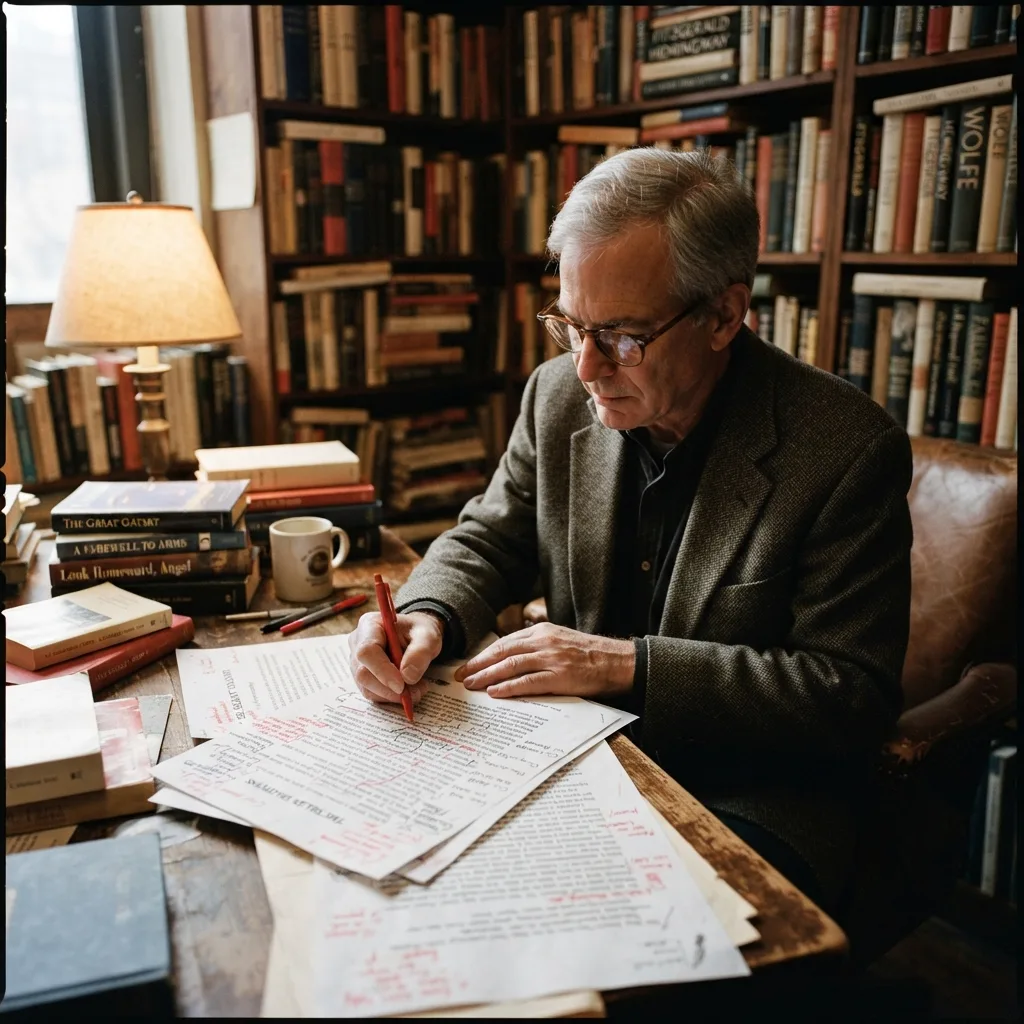
Maxwell Perkins edited Hemingway, Fitzgerald, and Thomas Wolfe. Without editors, there are no great books. They trim, reorganize, and question. They are the invisible architects behind every masterpiece.

Editors polishing every detail

Illustrators breathing life into stories

Visual wizards.

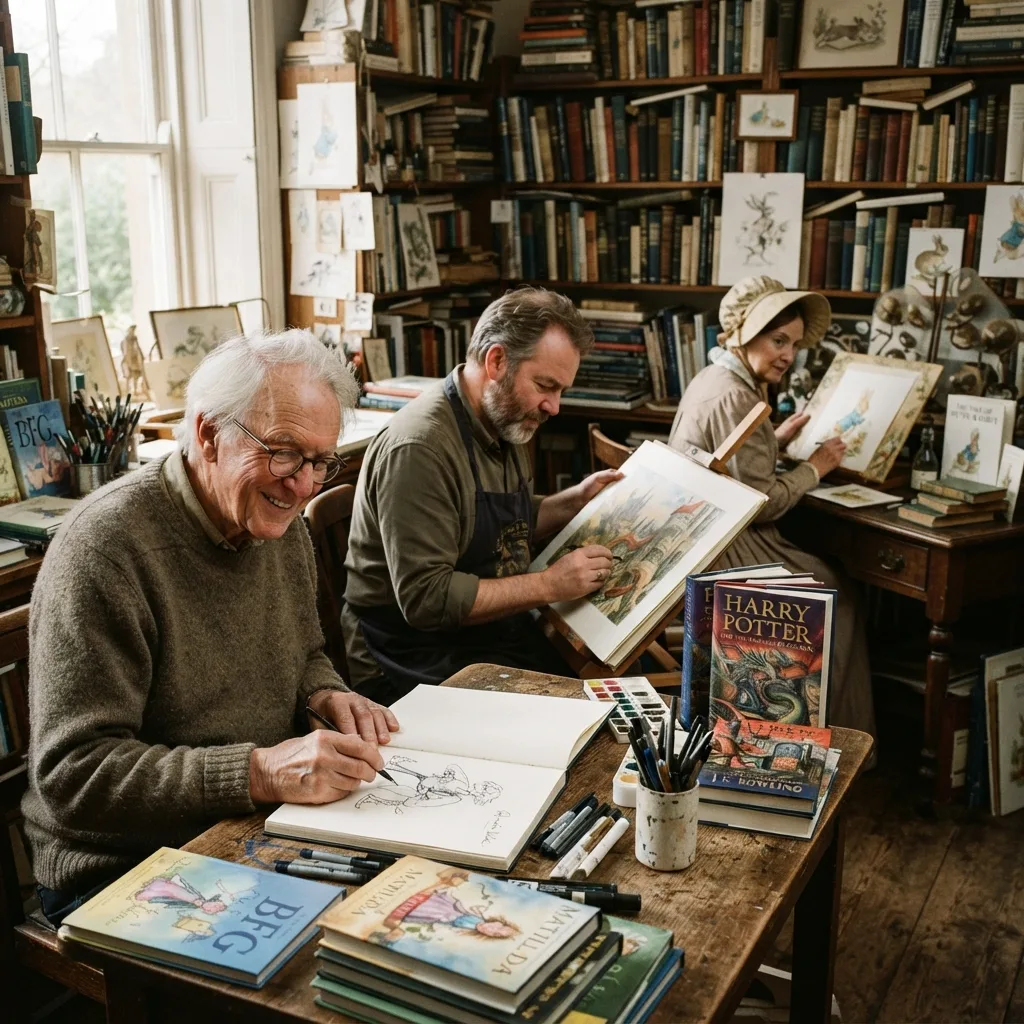
Quentin Blake brought Roald Dahl to life. Jim Kay illustrated Harry Potter. Beatrix Potter wrote and illustrated her own works. Illustrators translate words into images etched forever into memory.

Illustrators breathing life into stories

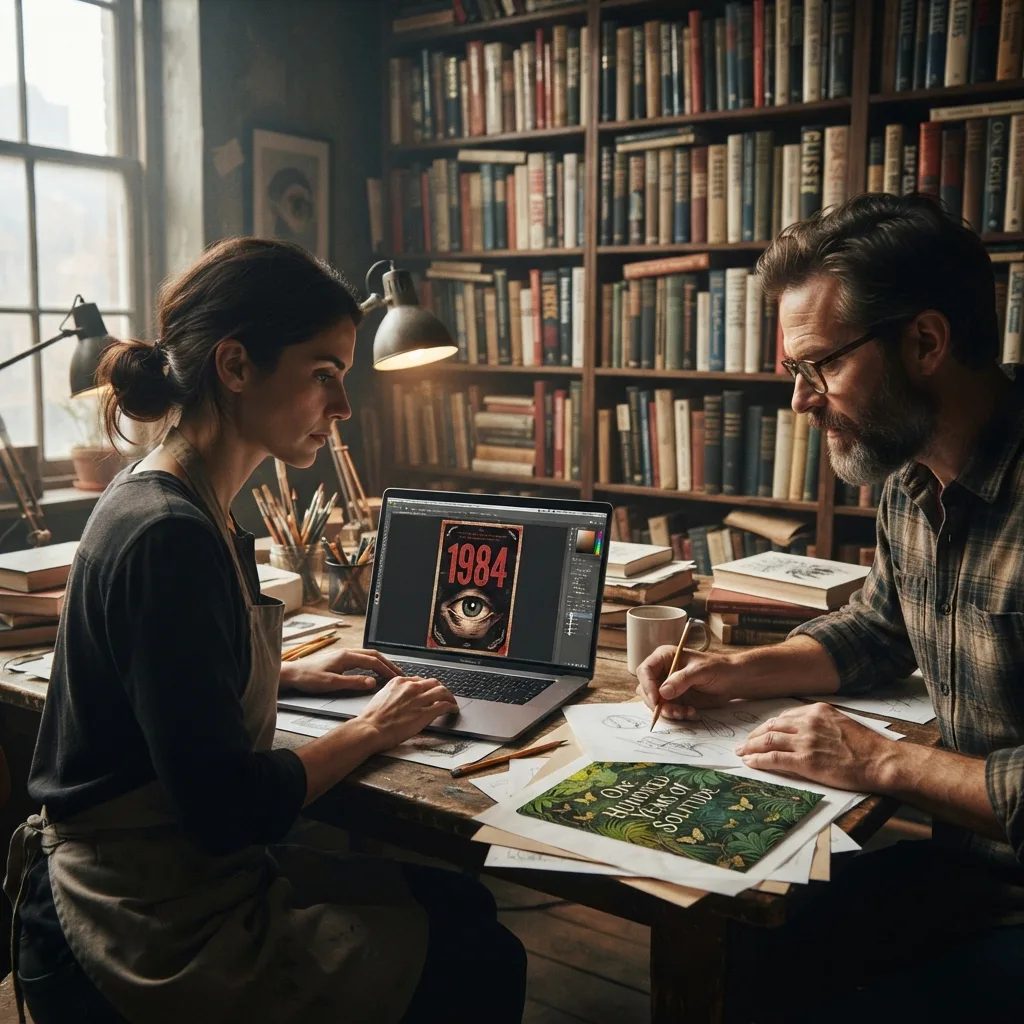
Designers creating iconic covers

The first impression.

The cover of 1984 featuring the eye of Big Brother. One Hundred Years of Solitude with its yellow butterflies. Iconic covers transform into cultural symbols. They are the gateway to the book.

Designers creating iconic covers

Every book you hold conceals hours of labor you will never see.

5

The Industry

2,500 meters

The business behind the words. Fairs, rights, awards.

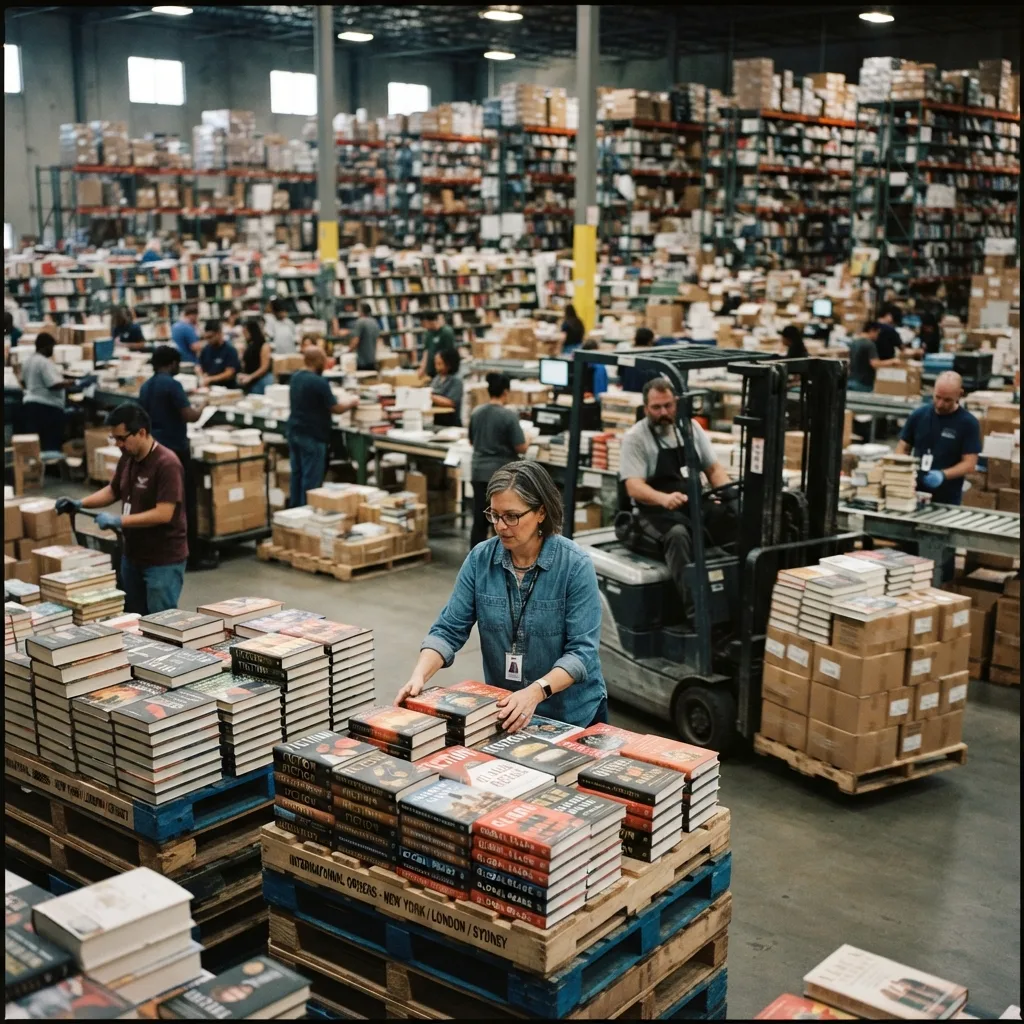
The publishing industry and economic impact

A multi-billion business.

The global publishing industry generates over 100 billion dollars annually. It employs millions: authors, editors, printers, booksellers. It is an industry that survives technological crises time and time again.

The publishing industry and economic impact

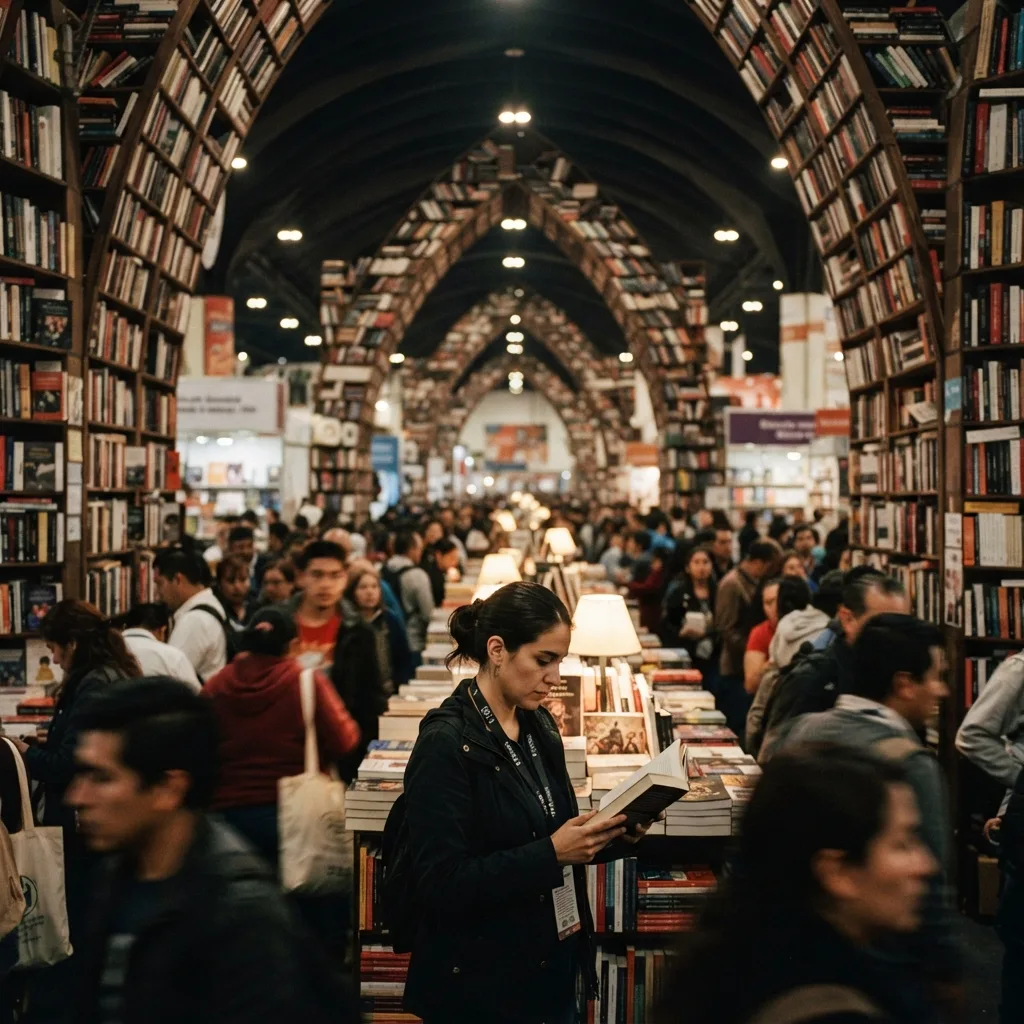
Book fairs worldwide

Temporary cathedrals.

The Frankfurt Book Fair is the largest on Earth. Guadalajara is the premier Spanish-language fair. Buenos Aires, Paris, London. These are grounds where books are celebrated like sacred relics.

Book fairs worldwide

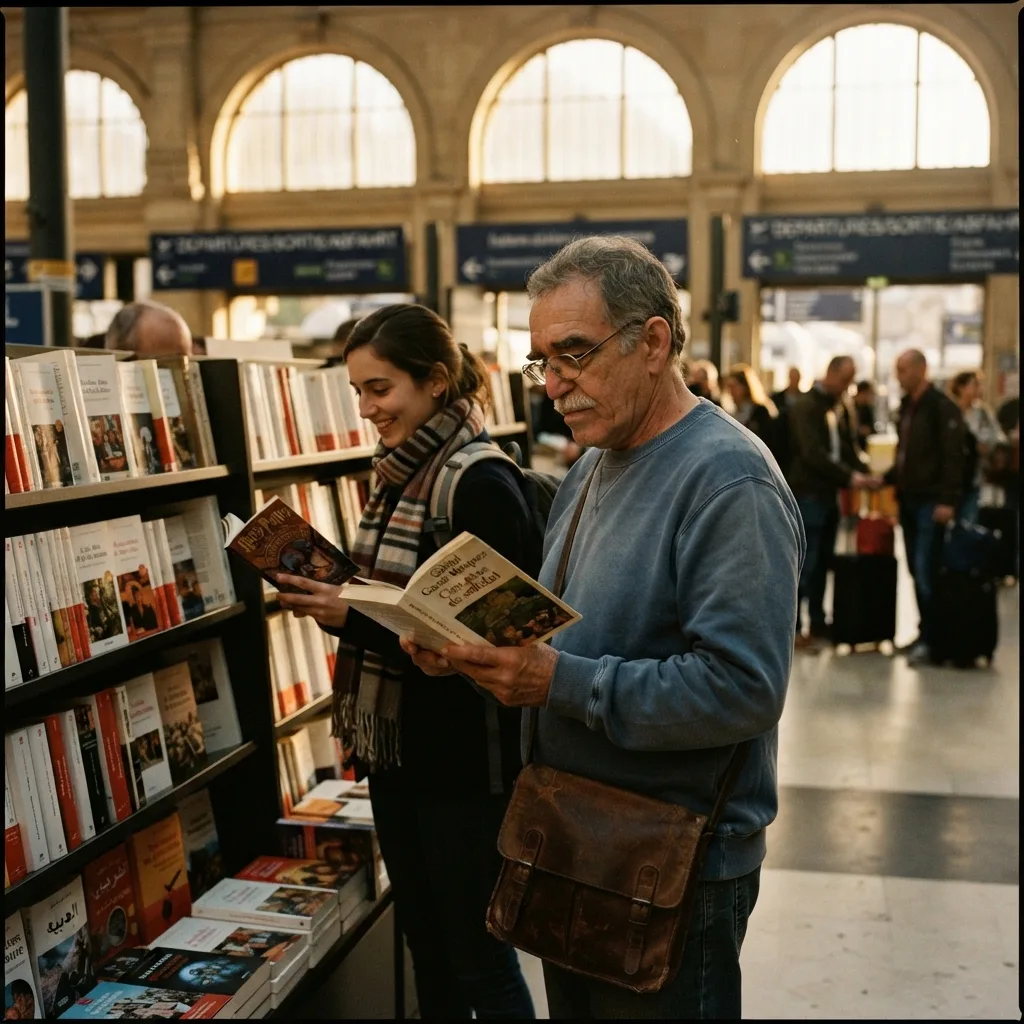
Translations breaking boundaries

Words crossing borders.

One Hundred Years of Solitude has been translated into 46 languages. Harry Potter into 80. Translations allow stories to travel. A great translator does not translate words: they translate worlds.

Translations breaking boundaries

Literary awards defining history

Stamps of quality.

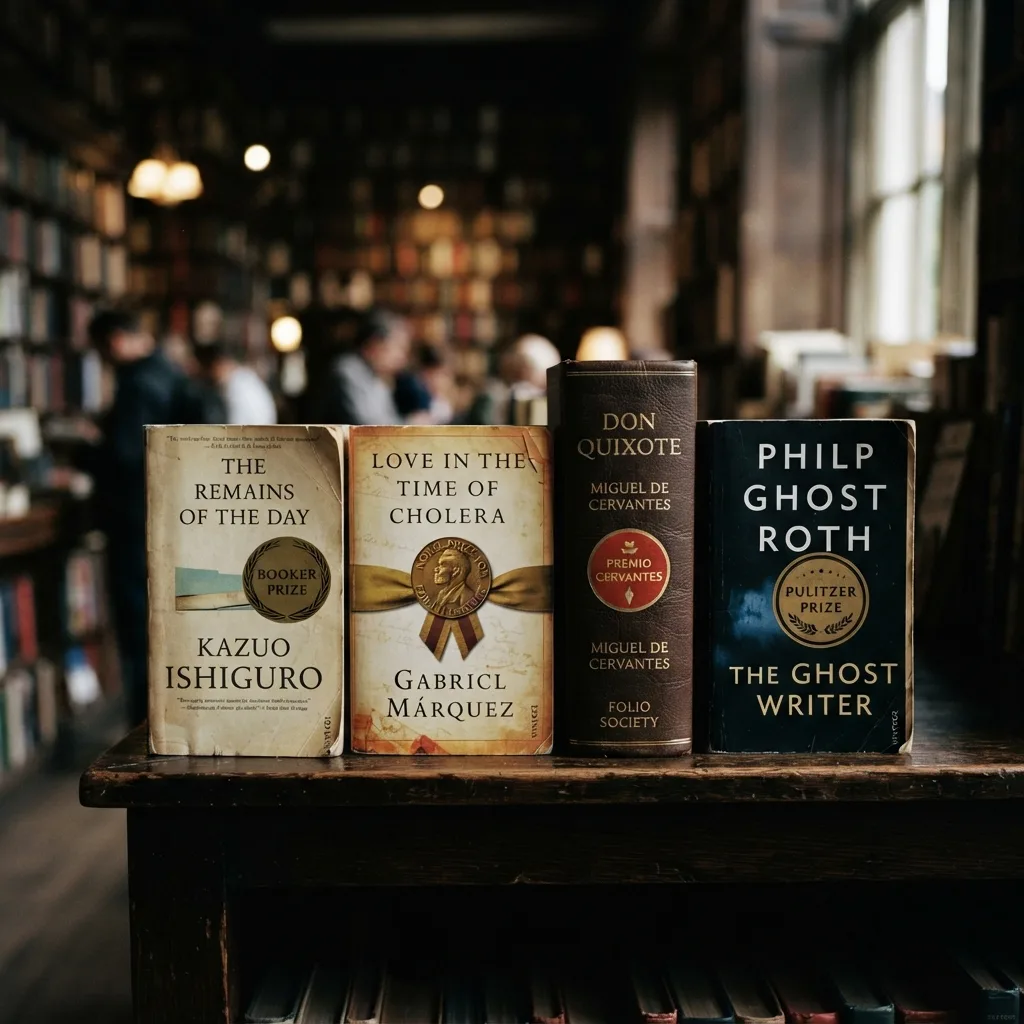
The Nobel, the Booker, the Cervantes, the Pulitzer. Winning one can multiply sales tenfold. Yet controversies rage: who decides what constitutes literature? Who wields the power to canonize?

Literary awards defining history

Books are also merchandise. And the market enforces its rules.

6

Power and Danger

4,000 meters

Books that were banned, lost, or predicted the future.

Banned and censored books

Words feared by authority.

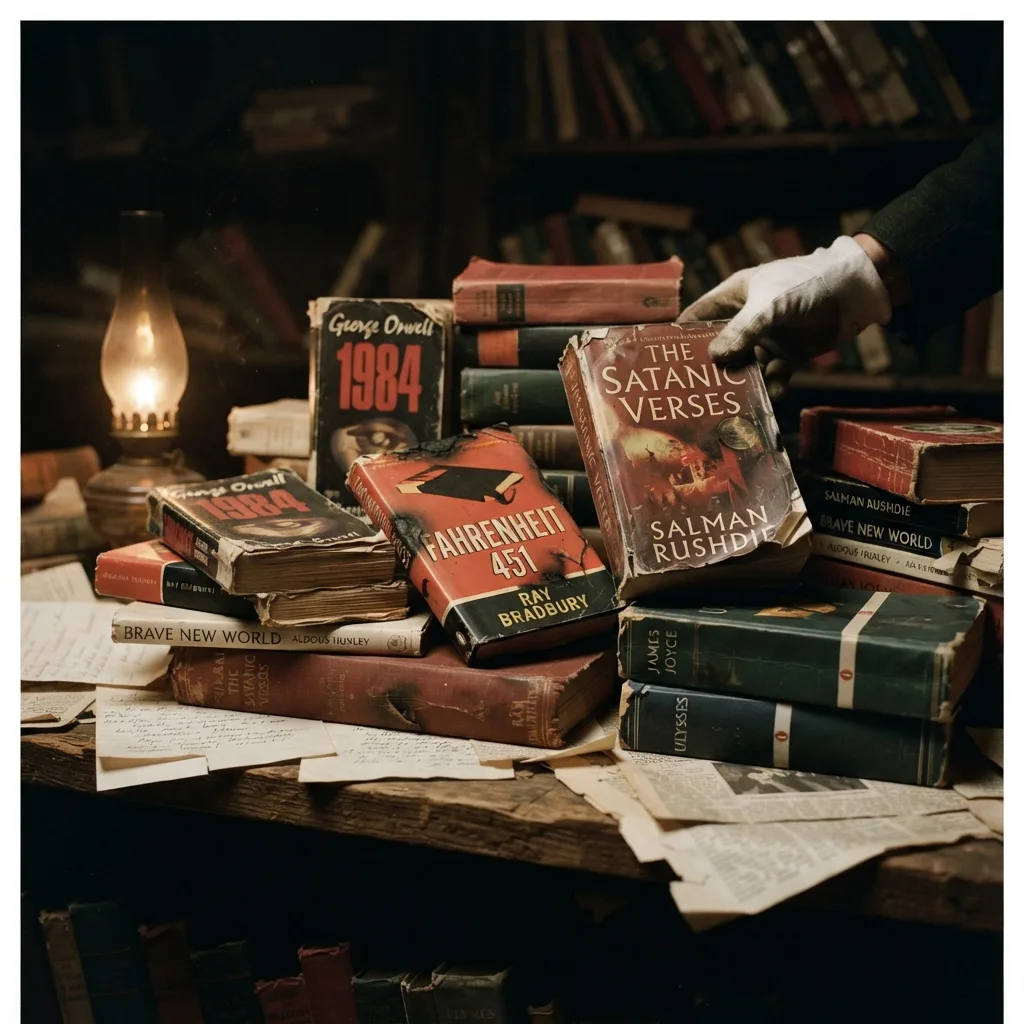
Orwell's 1984 was banned in the USSR. Rushdie's The Satanic Verses triggered a fatwa. Fahrenheit 451 speaks of burning books. Censoring a book is admitting its raw power.

"A banned book is a book someone fears you might read."

Banned and censored books

Stories that changed the world

Words moving mountains.

The Communist Manifesto altered global politics. Uncle Tom's Cabin fueled abolitionism. Rachel Carson's Silent Spring sparked the modern environmental movement. Books alter the arc of history.

Stories that changed the world

Lost manuscripts

Voices silenced by time.

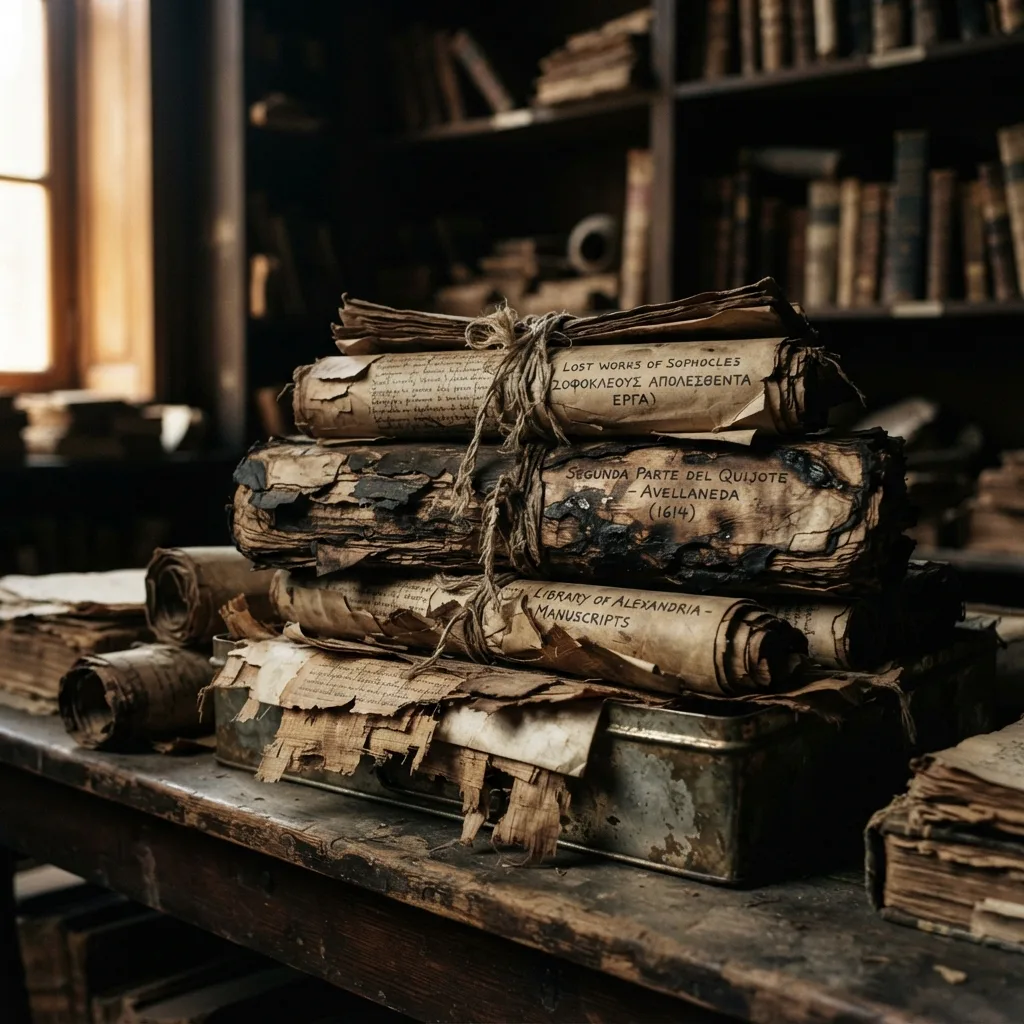
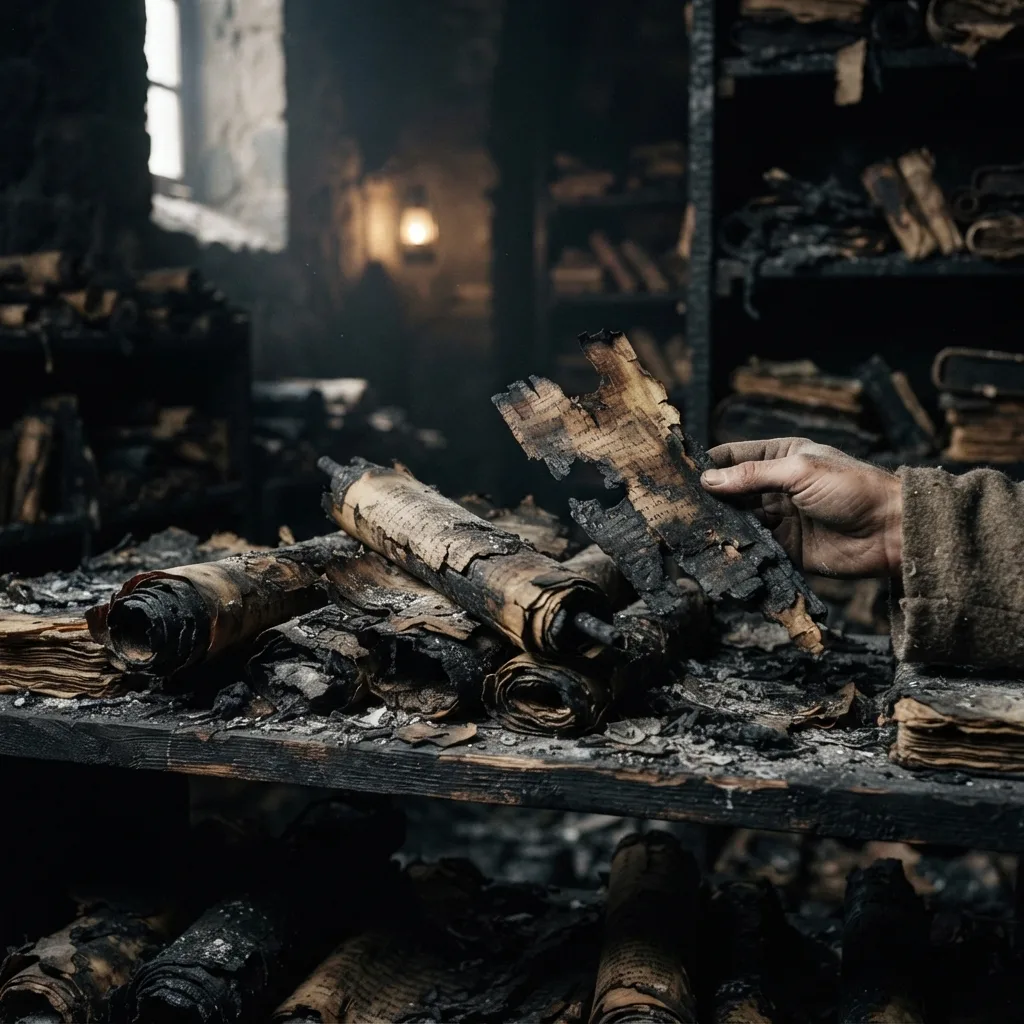
The lost works of Sophocles. Unrecorded codices of antiquity. The lost manuscripts burned at Alexandria. Every lost book is a voice we will never hear again.

Lost manuscripts

Books that predicted the future

Paper prophecies.

1984 foretold mass surveillance. Brave New World foretold genetic engineering. The Uninhabitable Earth foretold climate collapse. Great writers do not invent the future: they see it coming.

Books that predicted the future

The power of books in education

The engine of transformation.

A child with access to books is 5 times more likely to graduate university. Book-based education breaks generational poverty. The book is the most effective social ladder ever devised.

The power of books in education

Books possess power. And power terrifies those who control it.

7

Sensory and Emotion

6,000 meters

Smell, therapy, dedications, bookmarks. What books awaken inside us.

The scent of new books

The paper fragrance.

The scent of a fresh book stems from the breakdown of lignin in paper. It releases volatile compounds that our brains associate with knowledge and adventure. It is a scent book lovers recognize instantly.

The scent of new books

Books as therapy and healing

Bibliotherapy.

Bibliotherapy is a genuine clinical practice. Reading literary fiction reduces depression, anxiety, and isolation. Books do not cure, but they accompany. Sometimes, that is enough.

Books as therapy and healing

Dedications hiding stories

Words within words.

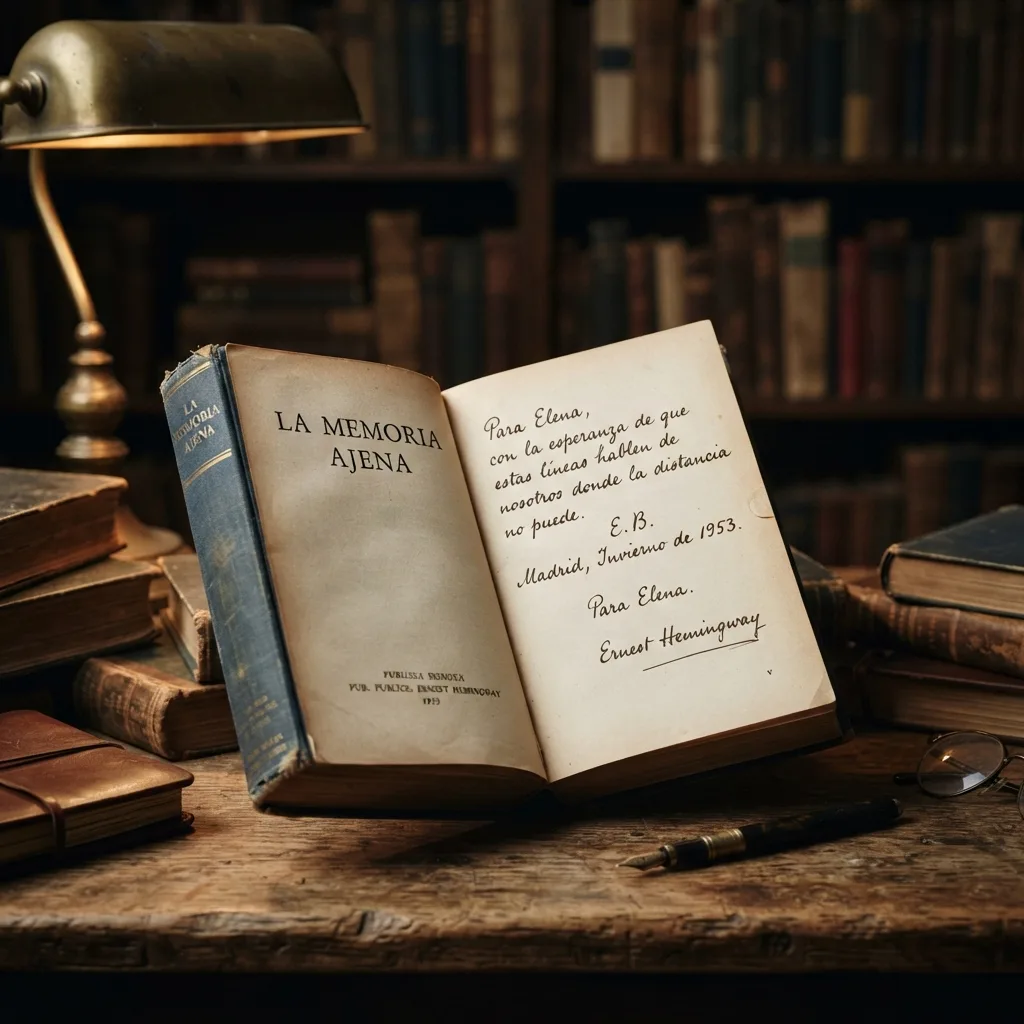
A dedication can reveal secret loves, broken friendships, debts of gratitude. Dedications by Hemingway, Borges, or Cortázar are mini-literary masterpieces. Public confessions written in ink.

Dedications hiding stories

Bookmarks holding memories

Silent witnesses.

A bookmark can be a photograph, a letter, a dried flower, a train ticket. It marks not just the page: it marks a slice of your life. Returning to a book means returning to who you were when you read it.

Bookmarks holding memories

Emotional connection with characters

Paper friends.

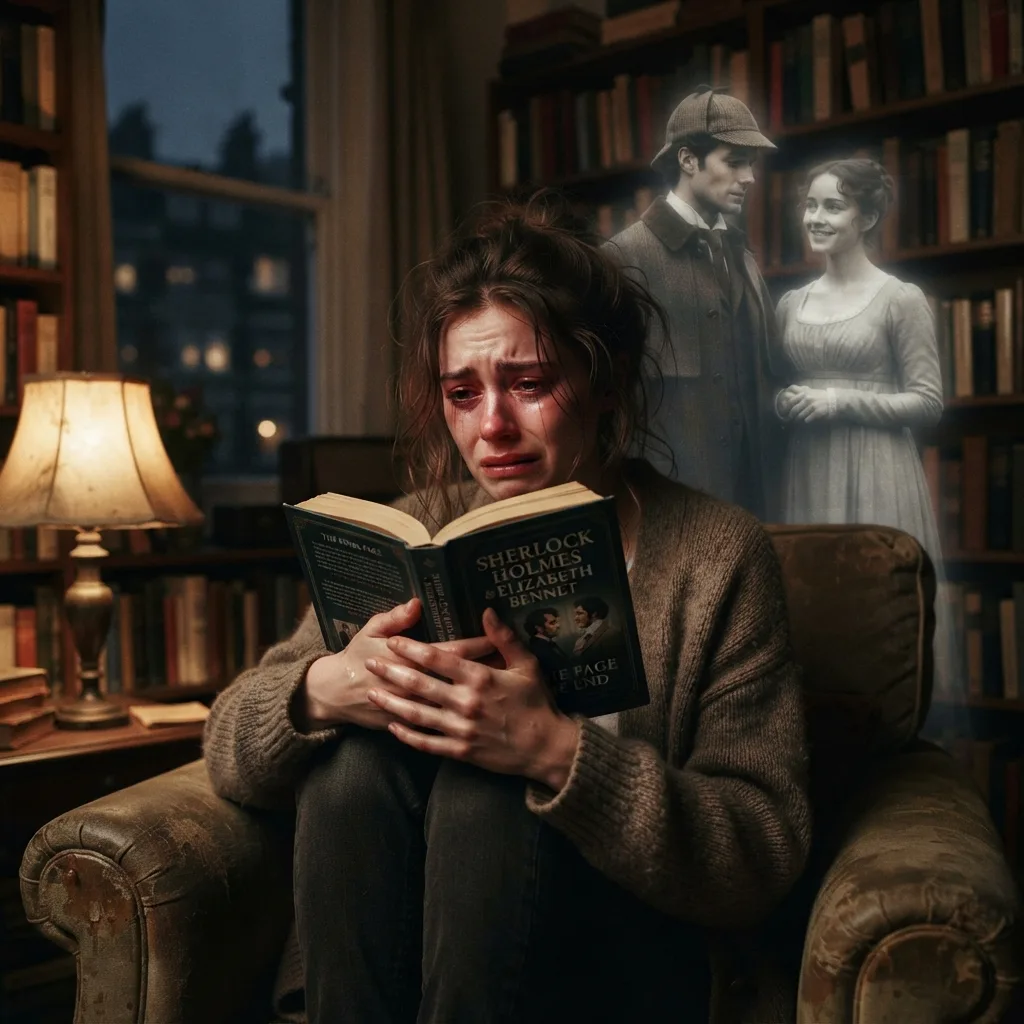
Readers report genuine grief when a beloved book ends. Characters become imaginary companions. Sherlock Holmes, Elizabeth Bennet, Holden Caulfield: they live within the minds of those who read them.

Emotional connection with characters

Books are not merely read. They are felt, smelled, and lived.

8

The Physical Object

8,000 meters

Printing, paper, handcrafted binding. The physics of the book.

Printing and binding process

From ink to spine.

Modern offset printing can yield 15,000 pages per hour. Hand-sewn binding can take days. Every book is the culmination of an industrial or artisanal craft turning paper into object.

Printing and binding process

Paper types and reading impact

The texture of words.

Cream-tinted paper reduces visual fatigue. Coated paper glares. Cotton paper lasts centuries. The choice of paper dictates how reading feels. Reading on bible paper is nothing like reading on cardstock.

Paper types and reading impact

Handcrafted books and hand binding

The book as artwork.

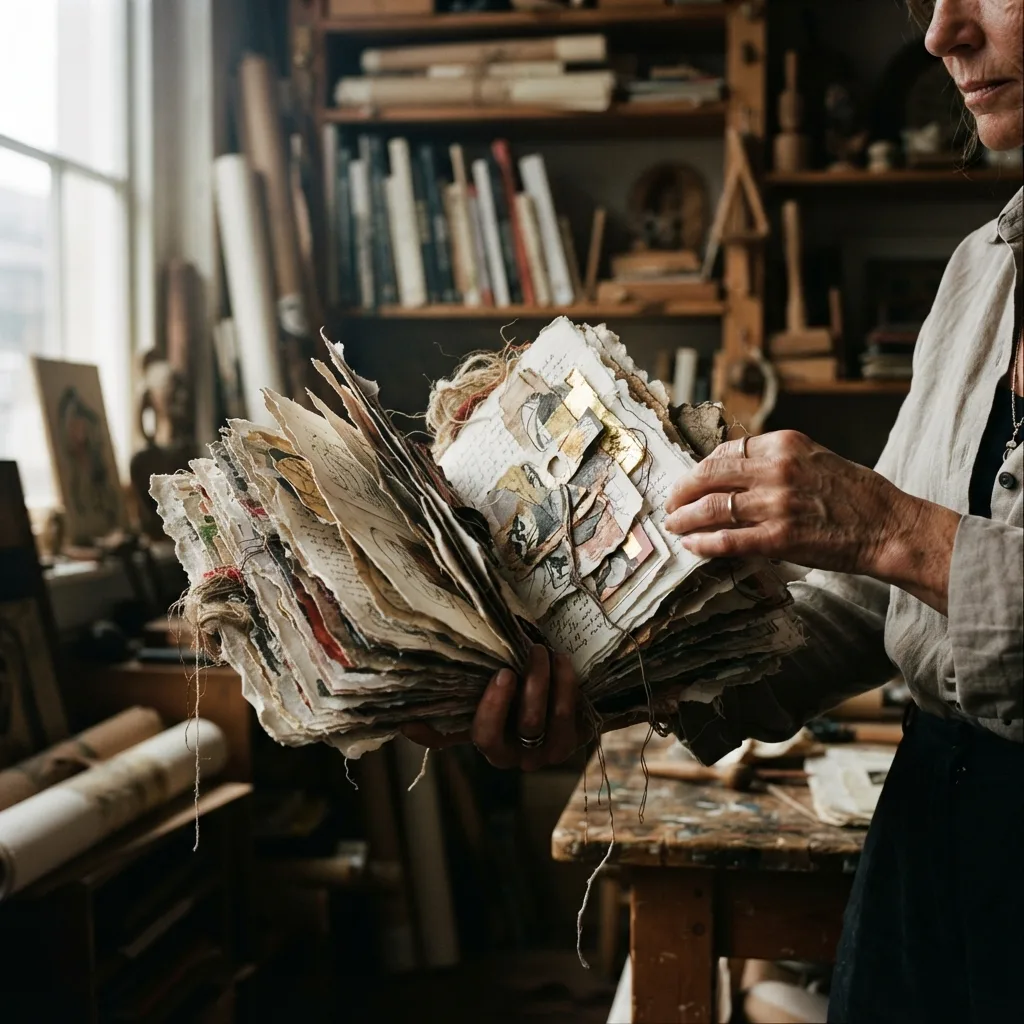
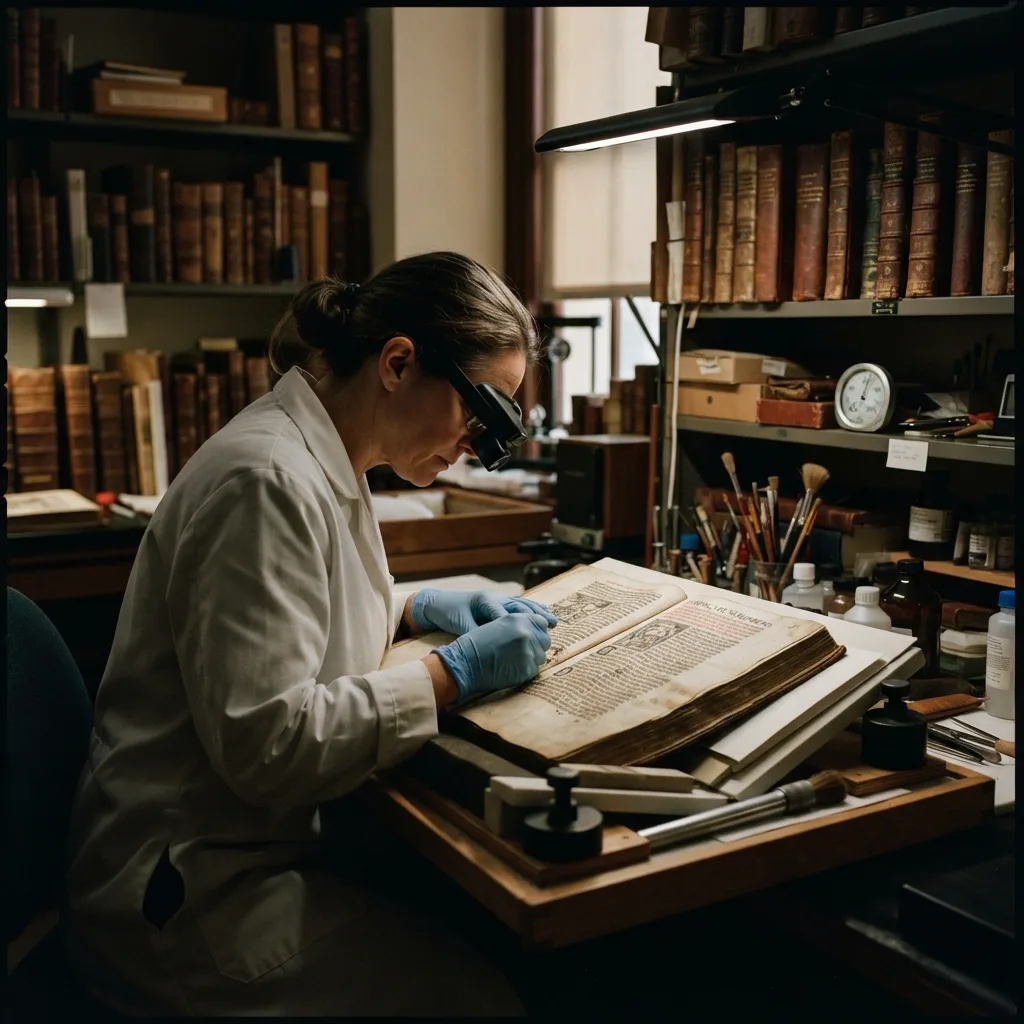
Artisanal binders employ medieval techniques: hand sewing, tanned leather, gold leaf. A hand-bound book can cost thousands. It is a unique, unrepeatable object built to outlast generations.

Handcrafted books and hand binding

Preservation of ancient books

Saving the past.

The Library of Congress maintains conservation labs restoring 15th-century books. They regulate humidity, temperature, light. Each ancient book is a patient under intensive care.

Preservation of ancient books

Historic and rare libraries

Cathedrals of knowledge.

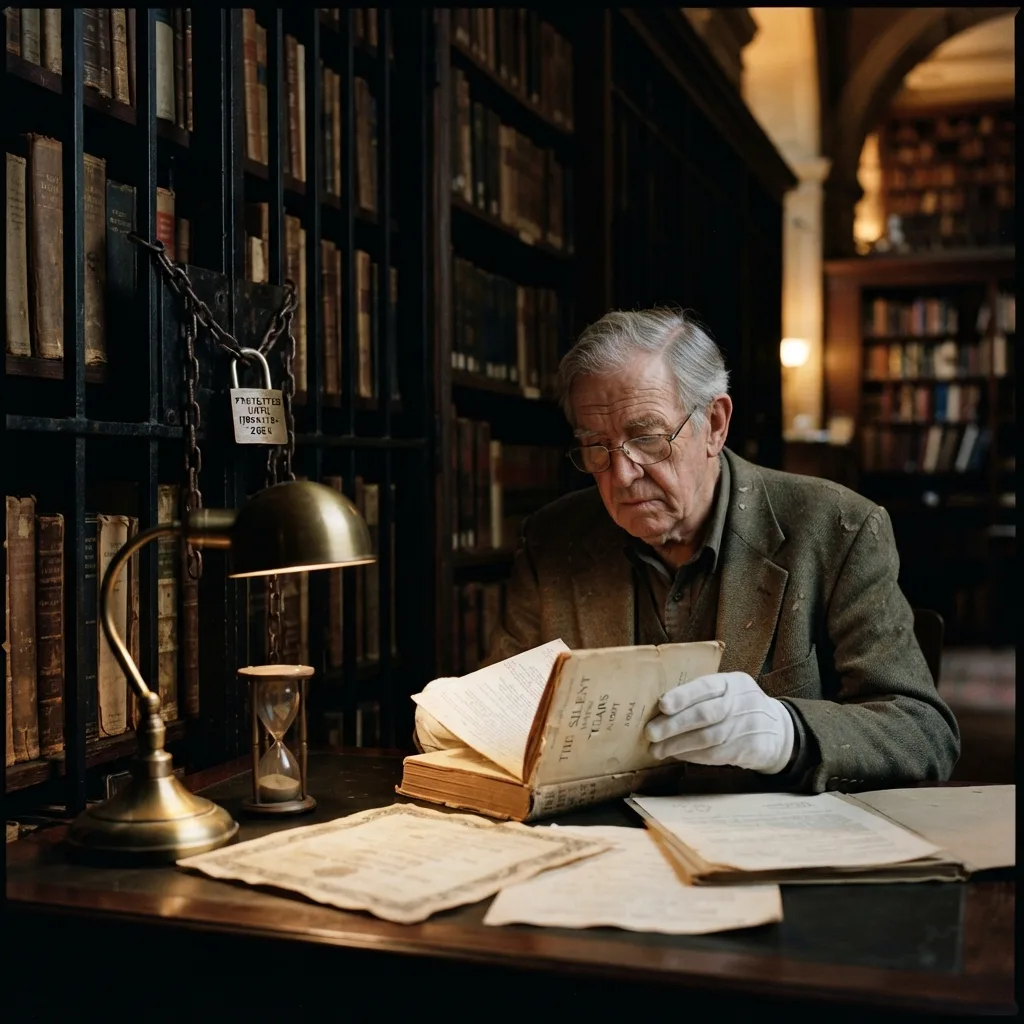
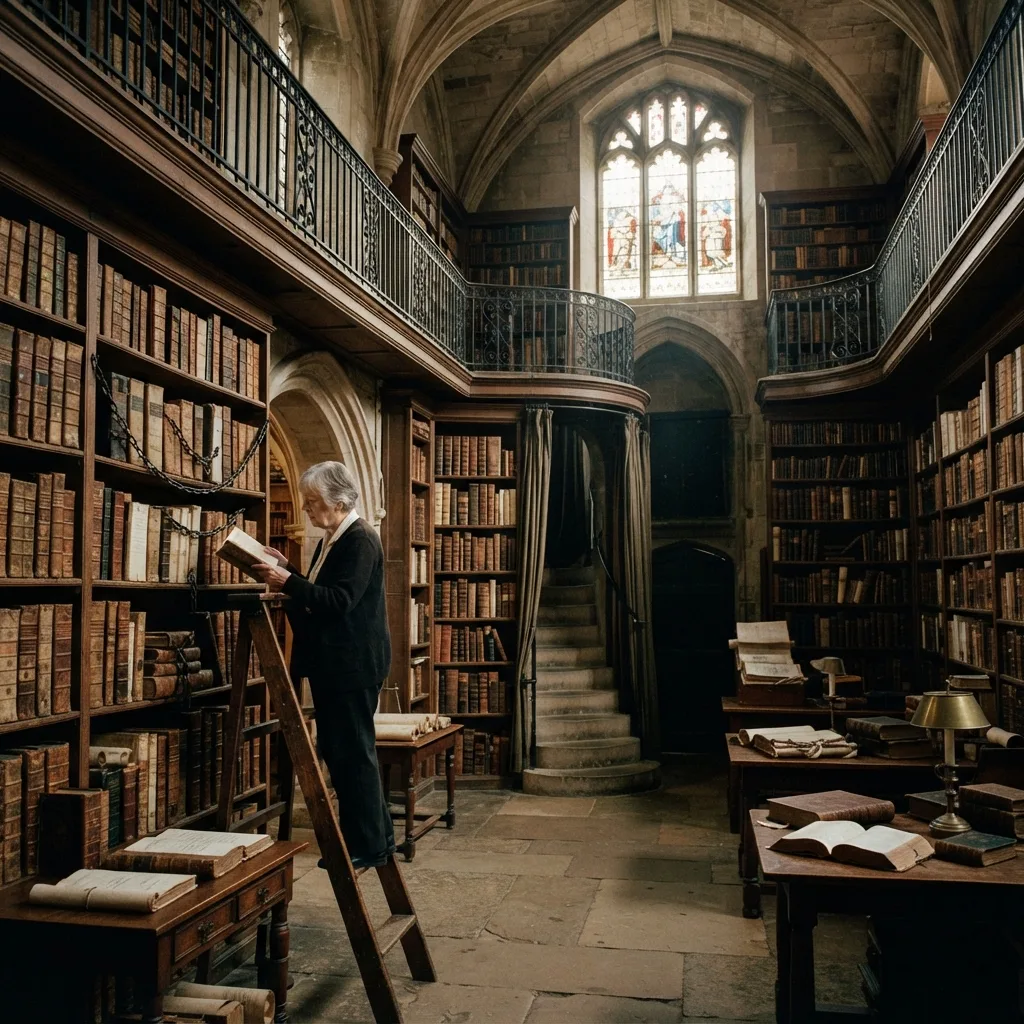
The Library of Alexandria, Oxford's Bodleian, the Vatican Library, Spain's National Library. Some chain their books to desks; others hide secret chambers. Places where time stands still.

Historic and rare libraries

The book is a physical artifact imbued with history, craft, and art.

9

Cultural Impact

10,000 meters

Books turning into films, social movements, artworks.

Books adapted into movies or series

From page to screen.

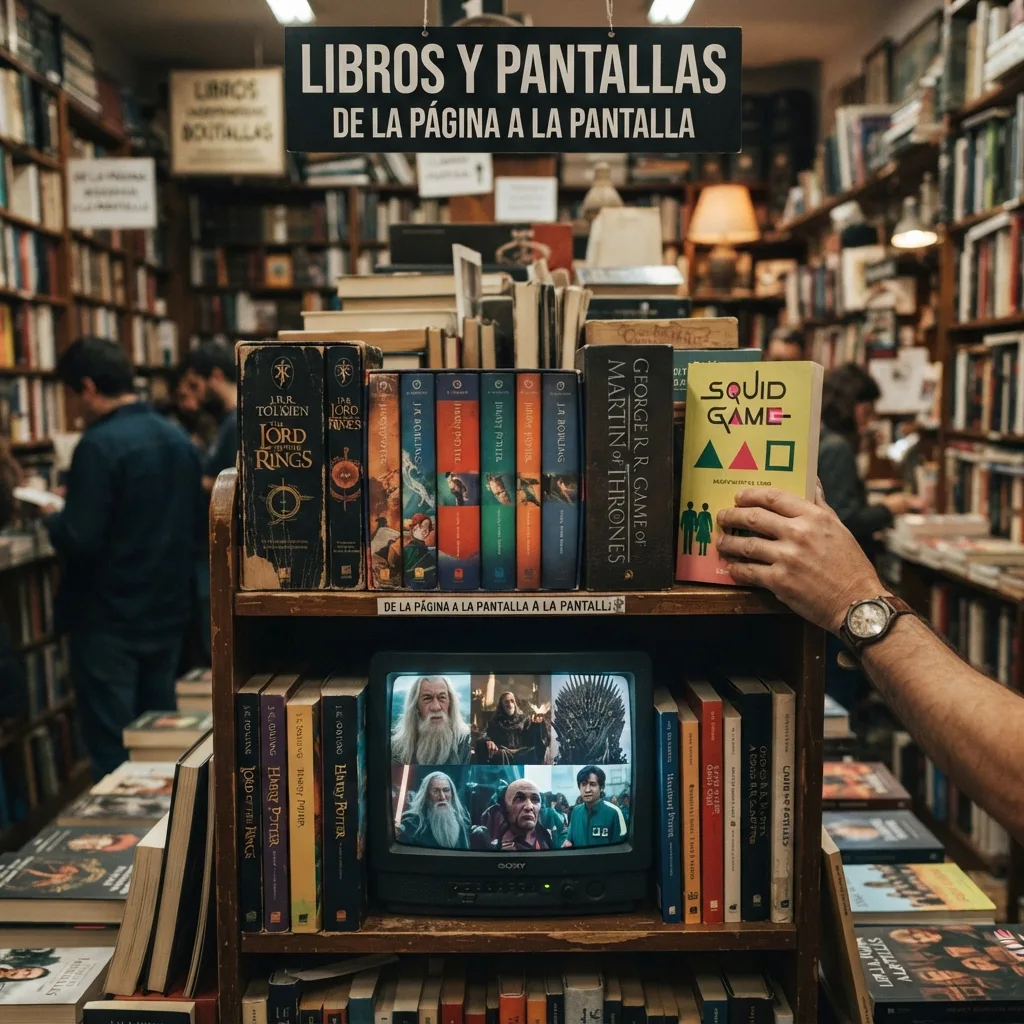
The Lord of the Rings, Harry Potter, Game of Thrones. Adaptations can boost original book sales a hundredfold. Yet they can also betray the text. The screen is never the book.

Books adapted into movies or series

Role of books in social movements

Words that mobilize.

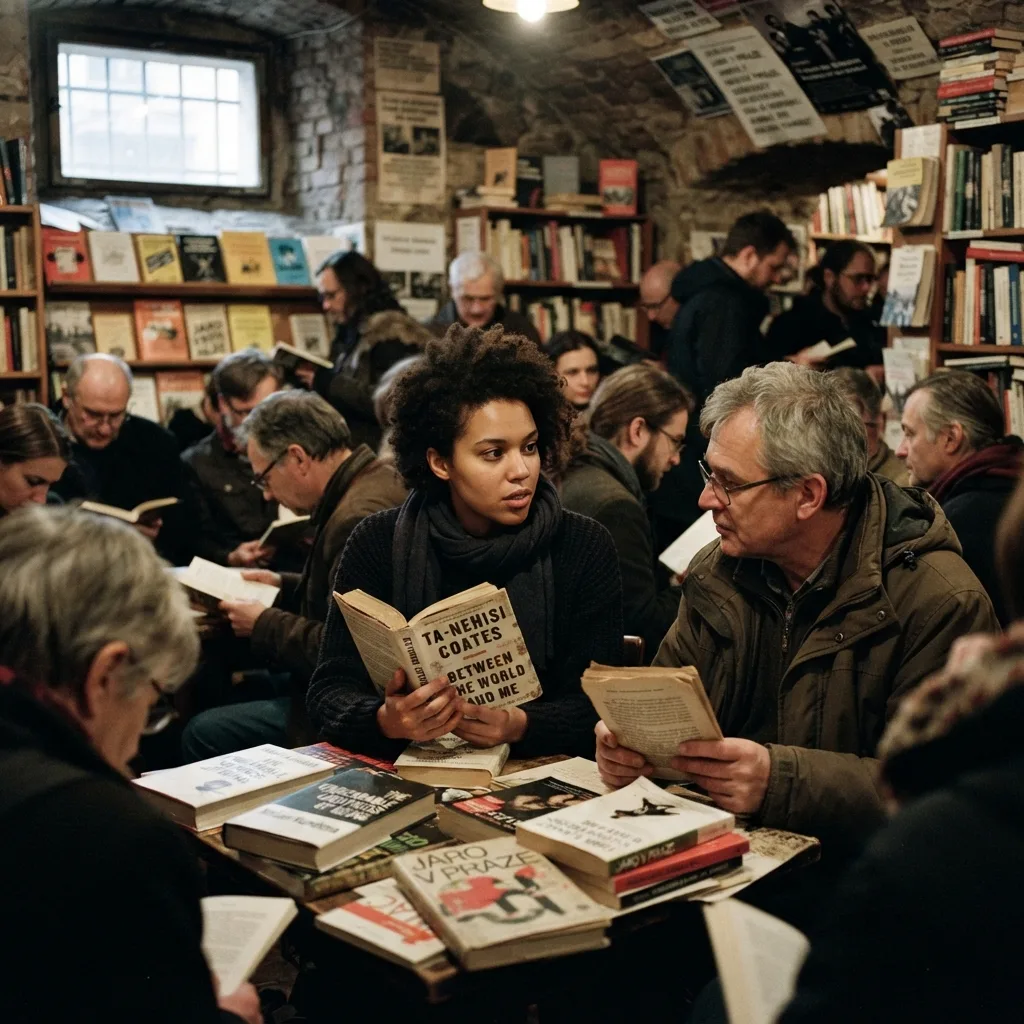
The Prague Spring was fueled by samizdat literature. Movements for racial justice draw foundational strength from books like Between the World and Me. Books provide vocabulary for revolution.


Role of books in social movements

The book as an art object

More than content.

Matisse's artist books, Da Vinci's codices, contemporary book art. The book can function as sculpture, painting, performance. A format art has probed for centuries.

The book as an art object

Limited and collectible editions

Scarcity as value.

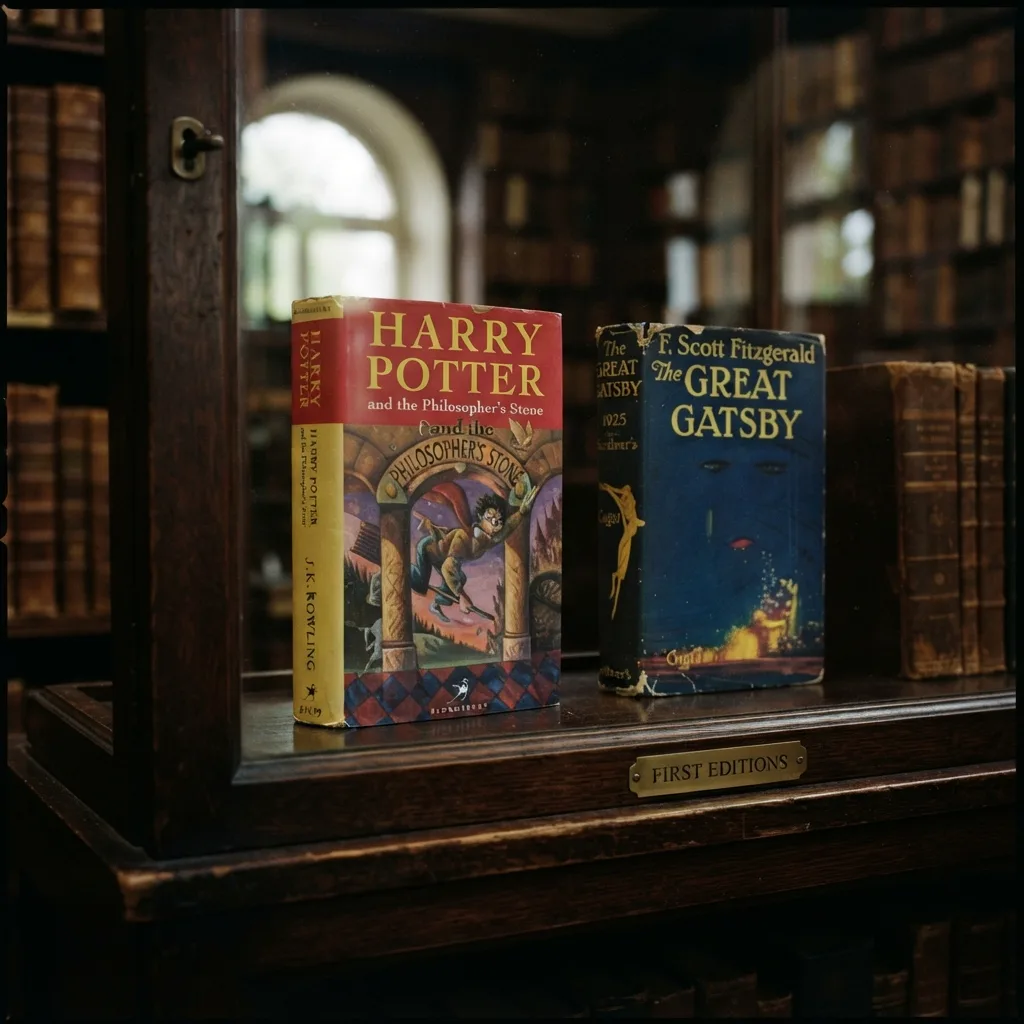
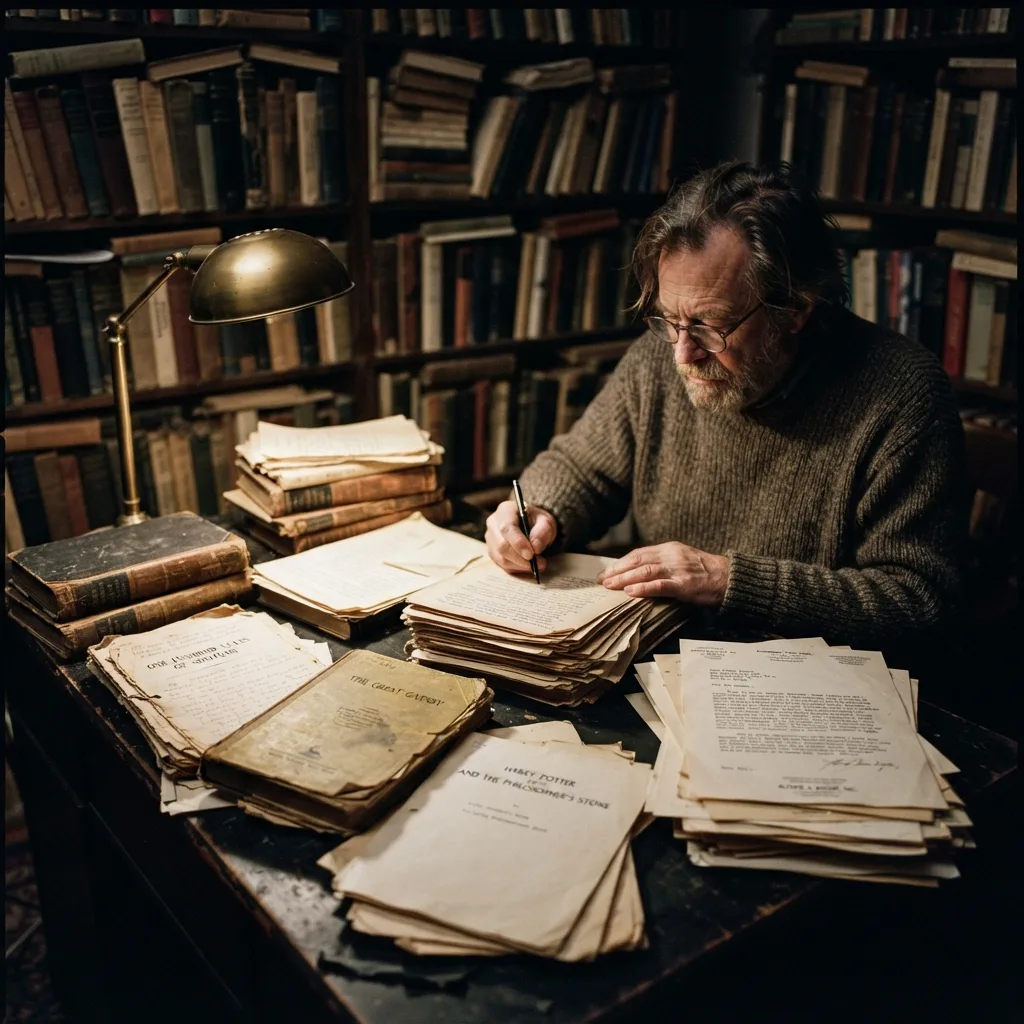
A first edition of Harry Potter and the Philosopher's Stone commands over 50,000 euros. A first edition of The Great Gatsby, over 100,000. Scarcity generates value; collectors hunt books like treasure.

Limited and collectible editions

Fandoms and communities around books

Literary tribes.

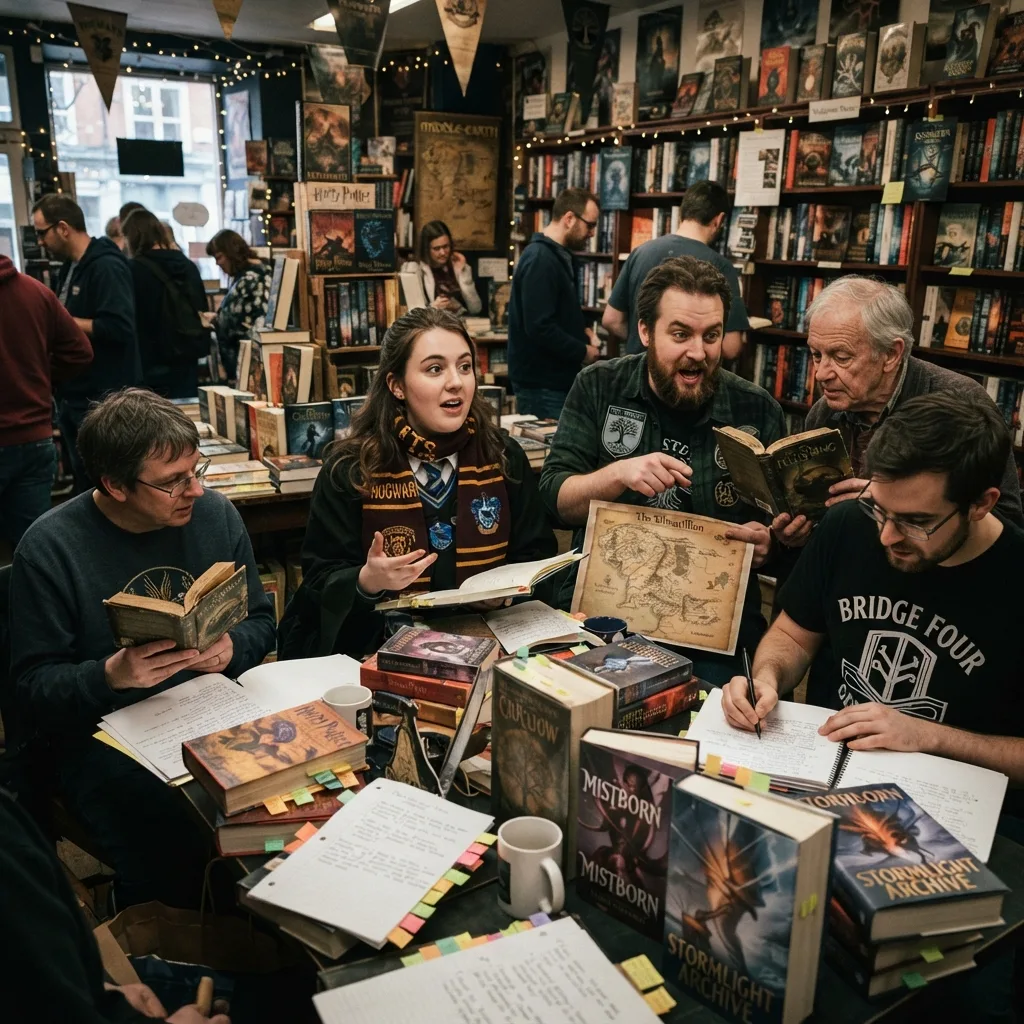
Potterheads, Tolkienists, Brandon Sanderson fans. Literary fandoms build fanfiction, theories, communities. A book sparks living culture long beyond the author's control.

Fandoms and communities around books

Books transcend their physical pages. They become phenomena.

10

The Dark Side

12,000 meters

Vanished books, pseudonyms, publishing exploitation, plagiarisms.

Books that vanished from history

Erased voices.

The Nazis burned 25,000 books in 1933. Alexandria lost hundreds of thousands of scrolls. Entire classical works evaporated into thin air. Every lost book is an unvisited universe.

"Burning a book is erasing a voice."

Books that vanished from history

Authors writing under pseudonyms

Hidden identities.

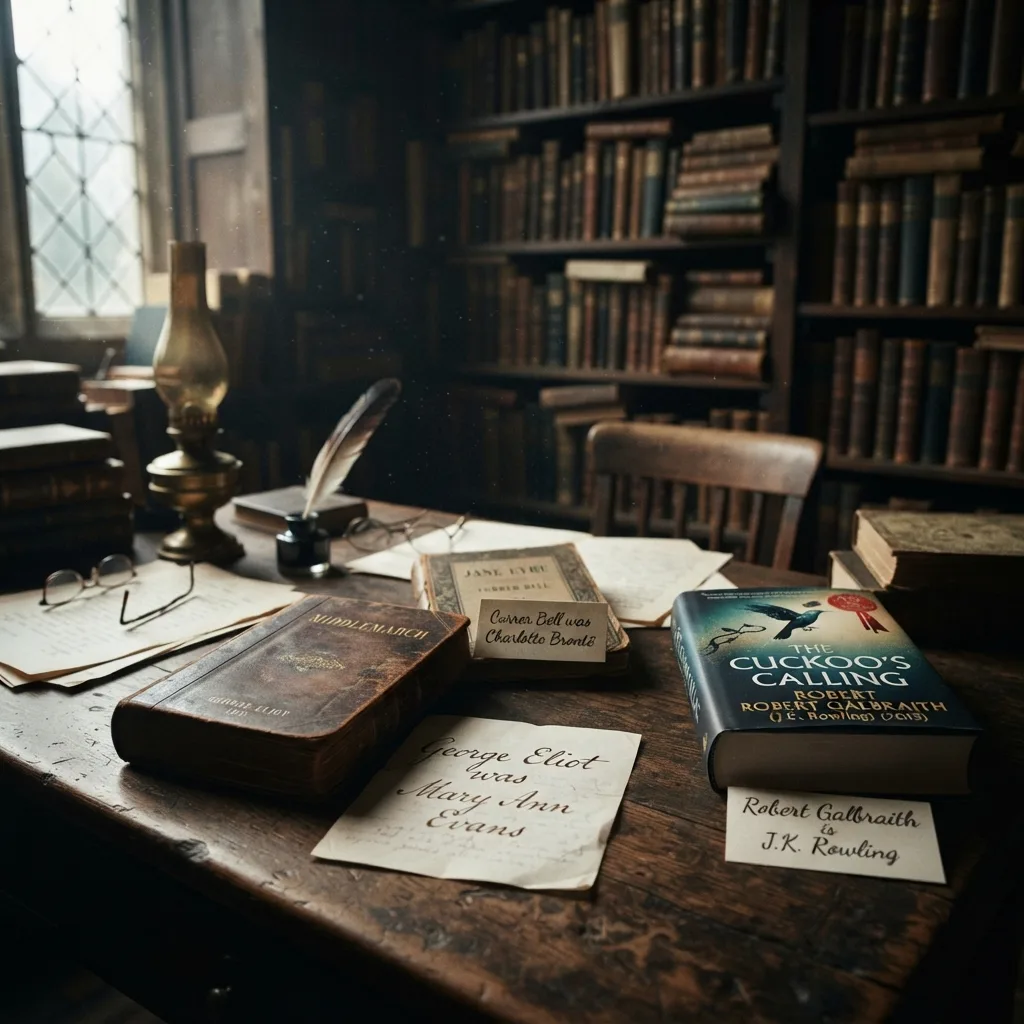
George Eliot was Mary Ann Evans. Currer Bell was Charlotte Brontë. J.K. Rowling penned as Robert Galbraith. Pseudonyms shield, liberate, deceive. Sometimes an author must vanish for the book to live.

Authors writing under pseudonyms

Diaries and letters published as literature

Life turned into art.

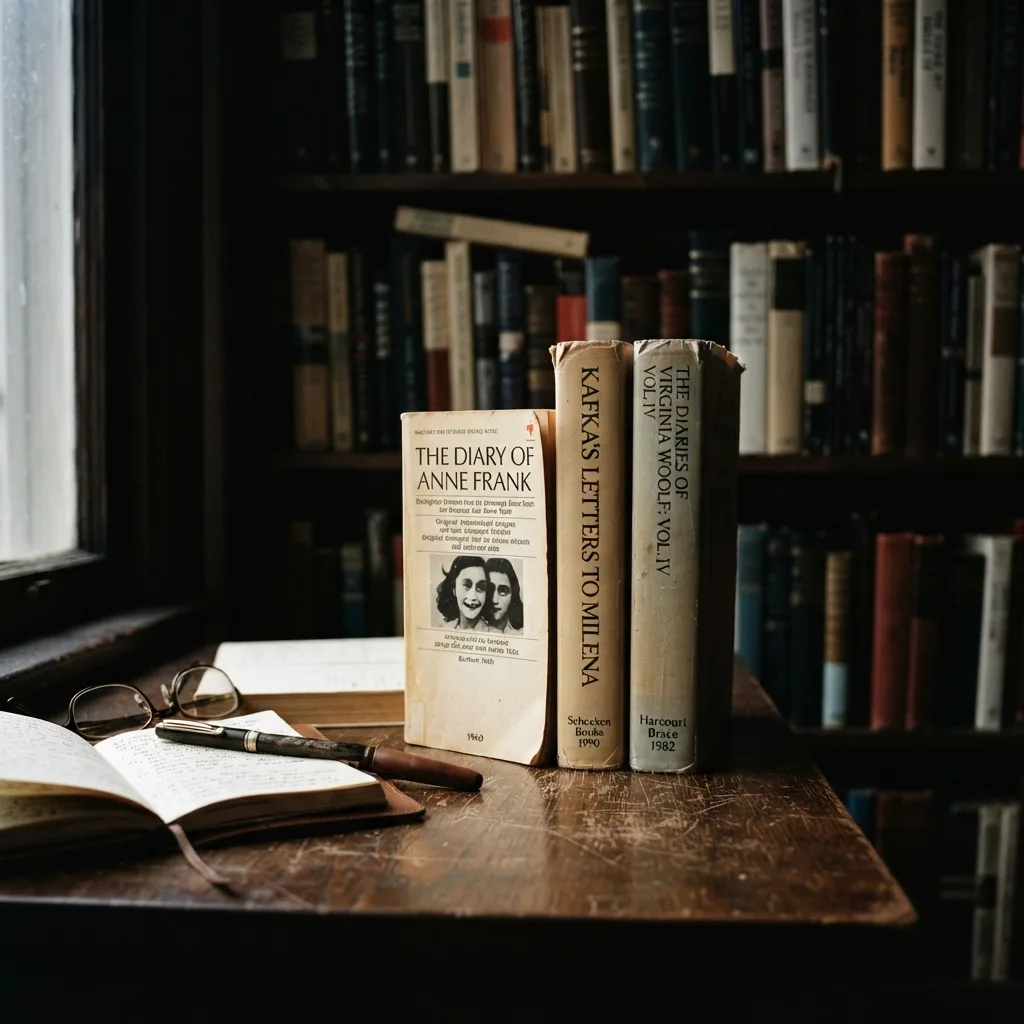
The Diary of Anne Frank. Kafka's Letters to Milena. Virginia Woolf's diaries. Private existence, when exposed to print, turns into literature. Other people's grief becomes art.

Diaries and letters published as literature

Dark side of the publishing industry

Exploitation behind glamour.

Authors earning less than 1 euro per copy sold. Predatory contracts binding writers for decades. Publishers exploiting novice labor. The industry harbours a grim underbelly few witness.

Dark side of the publishing industry

Plagiarism and literary controversies

Stolen words.

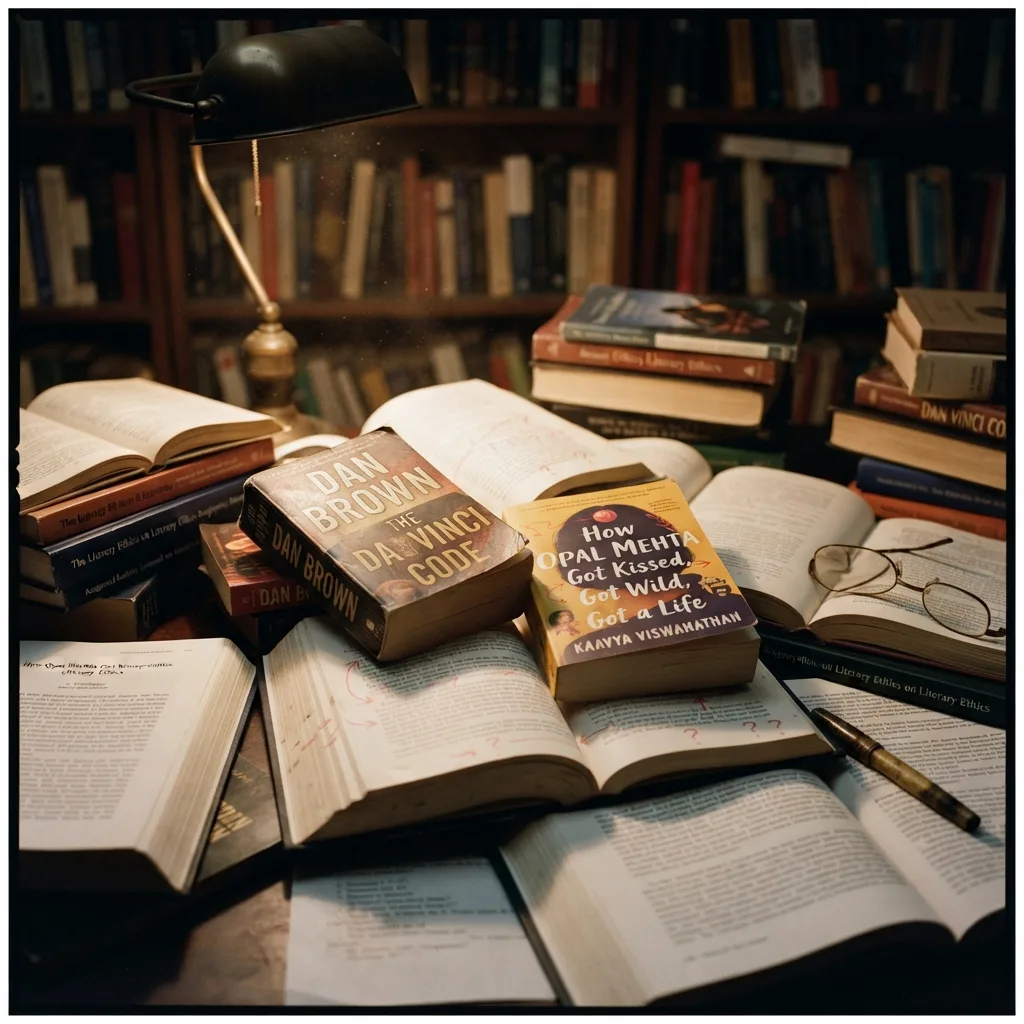
Dan Brown faced plagiarism lawsuits. Kaavya Viswanathan lost her deal over copycat passages. Literary theft is an unforgivable sin. Yet the boundary between inspiration and theft is razor-thin.

Plagiarism and literary controversies

Not all that glitters in the literary world is gold.

11

Exclusivity and Access

15,000 meters

Elitism, rejected masterpieces, access divides, digitization, monopolies.

Literary elitism and exclusivity

Literature as a private club.

Certain literary circles sneer at commercial fiction. Others elevate "difficult" prose above accessible work. Elitism erects barriers. Yet who dictates what constitutes quality literature?

Literary elitism and exclusivity

Masterpieces initially rejected

Misunderstood geniuses.

Harry Potter was rejected by 12 publishers. One Hundred Years of Solitude was turned away. The Great Gatsby sold poorly in Fitzgerald's lifetime. Masterpieces are born of rejection; time vindicates them.

Masterpieces initially rejected

Global divide in book access

The privilege of reading.

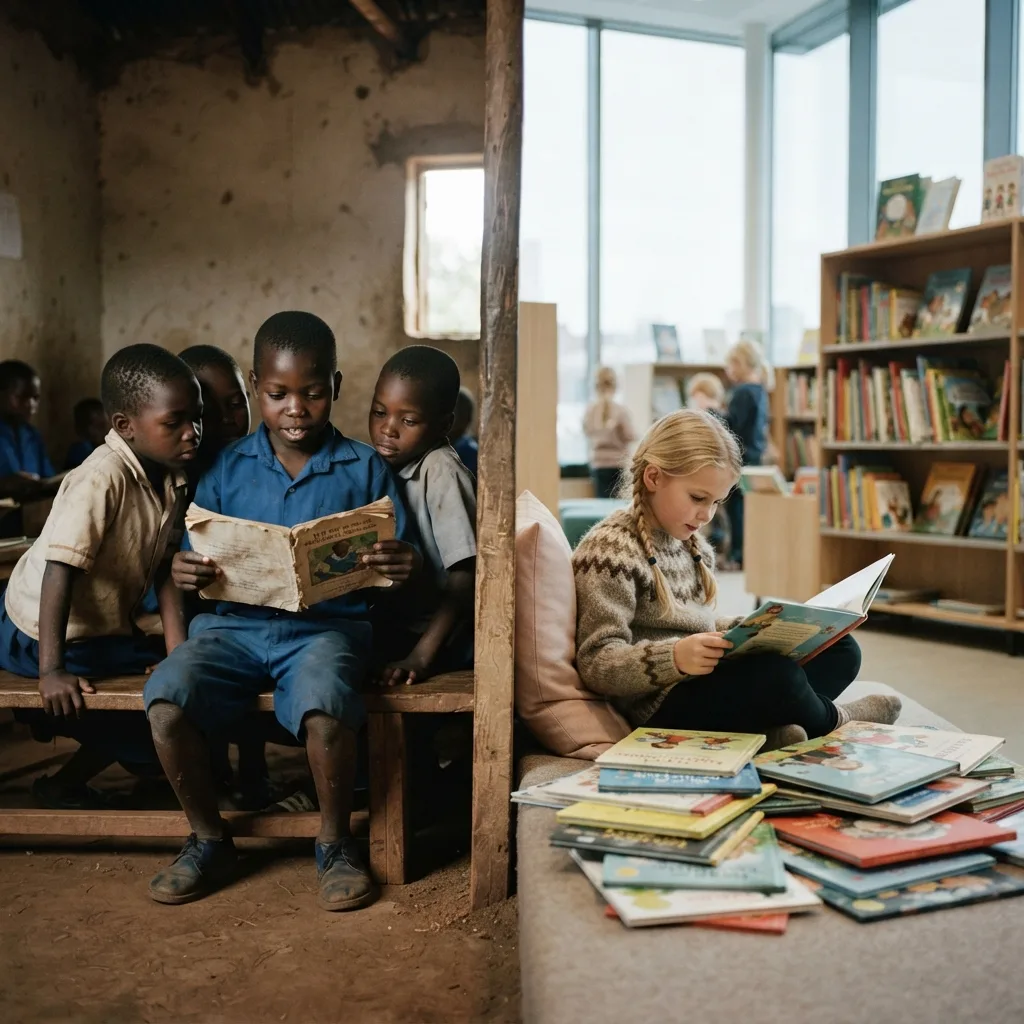
In Sub-Saharan Africa, there is 1 book for every 300 children. In Nordic nations, 10 books per child. The divide in book access is a divide in human opportunity. Reading is a privilege denied to many.

Global divide in book access

Digitization altering reading habits

From page to pixels.

Thirty percent of readers have transitioned to digital. E-readers carry 1,000 volumes in a pocket. Yet screen reading remains skimmed and shallow. Technology changes how we consume, not what we consume.

Digitization altering reading habits

Corporate monopolies on literature

The book monopoly.

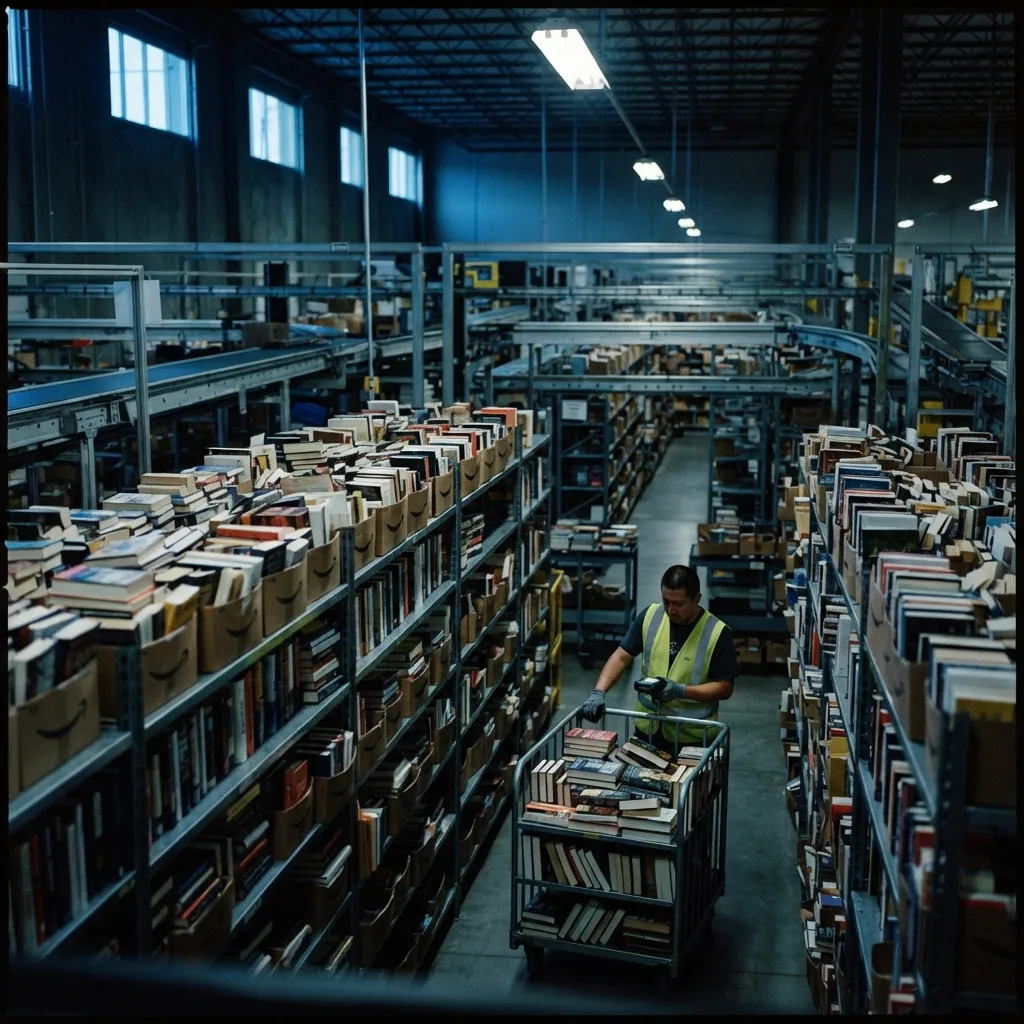
Amazon controls over 50% of the US book market. It determines which titles sell, at what price, with what visibility. Corporate leverage over literature is an ongoing battleground.

Corporate monopolies on literature

Not all books reach everyone. Nor do all that reach deserve to.

12

Future and Technology

20,000 meters

Interactive books, AI authors, futuristic libraries, neuroscience of reading.

Interactive books and augmented reality

The book that responds.

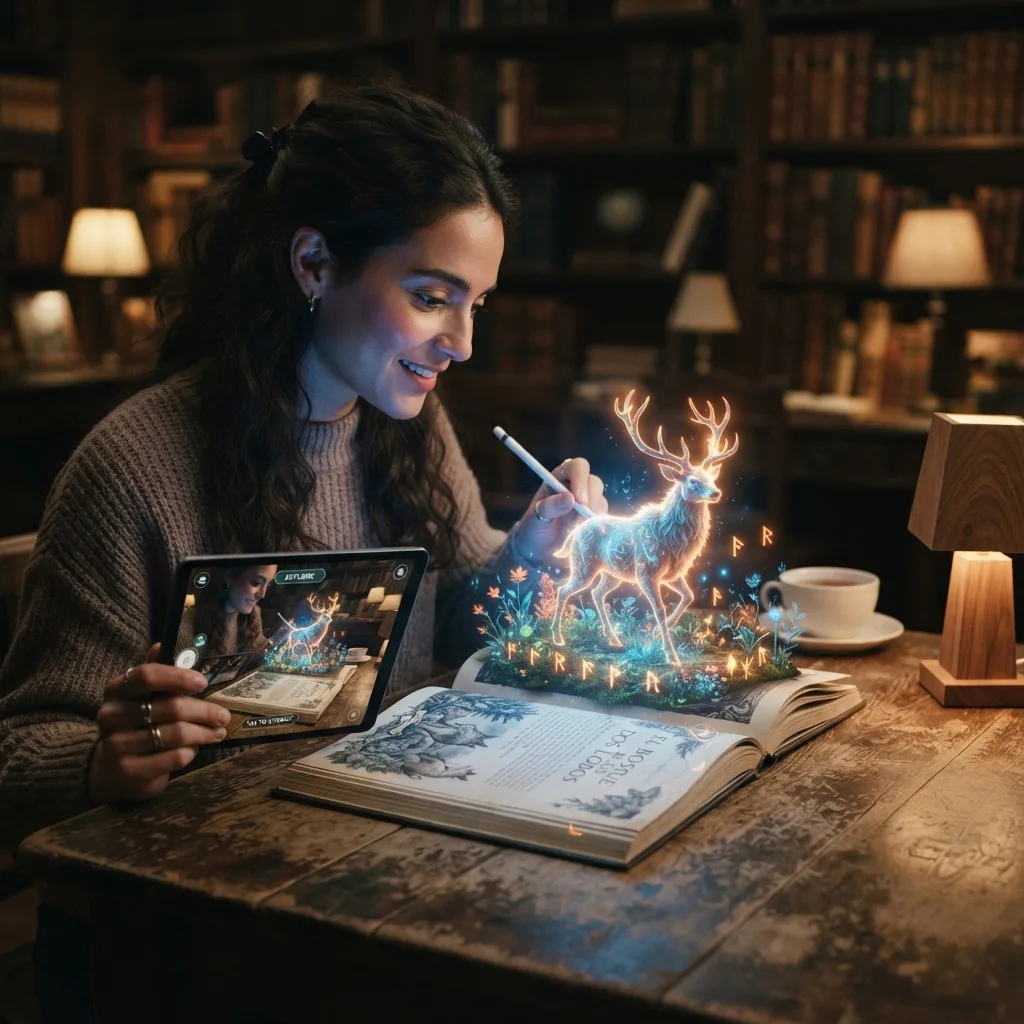
AR books render 3D figures, audio narration, and interactive pathways. The future book will not remain static: it will be a multimodal experience. The page transforms into a doorway.

Interactive books and augmented reality

AI writing books

The artificial author.

AI writes novels, poetry, and essays. Titles are published partially or entirely written by algorithms. The debate rages: is it literature? Does it possess a soul, or is it empty text without living experience?

"Can a machine write a book that brings you to tears?"

AI writing books

Future of physical libraries

Will they survive?

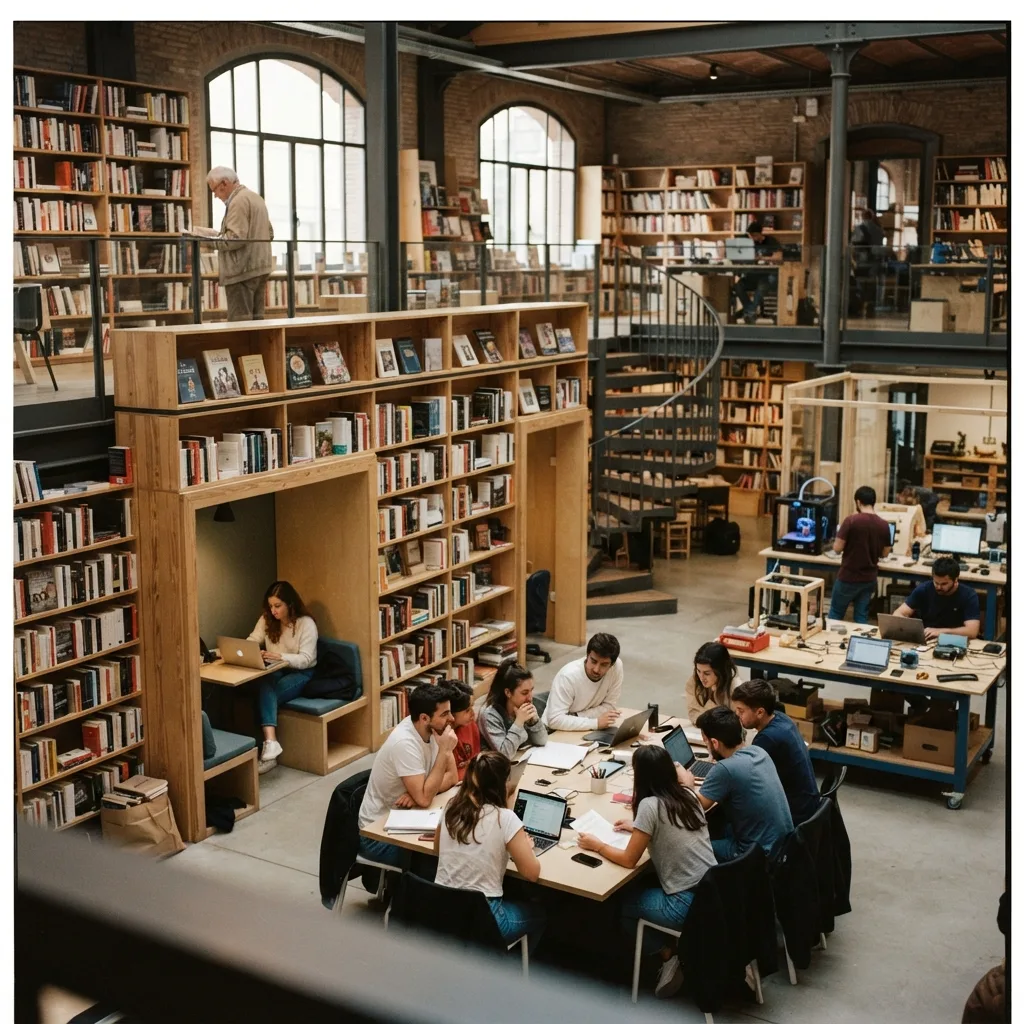
Libraries are evolving into community hubs, makerspaces, and co-working labs. They are no longer mere warehouses of paper: they are places of human assembly. Their future rests in people, not pages.

Future of physical libraries

Death of paper or its rebirth?

Resistance of the physical object.

Paper book sales surged during global lockdowns. Youth aged 18-25 buy more physical books than ever. The paper book is not dying: it is reinventing itself as a luxury item, a artifact of resistance.

Death of paper or its rebirth?

Neuroscience of deep reading

Words reshaping the brain.

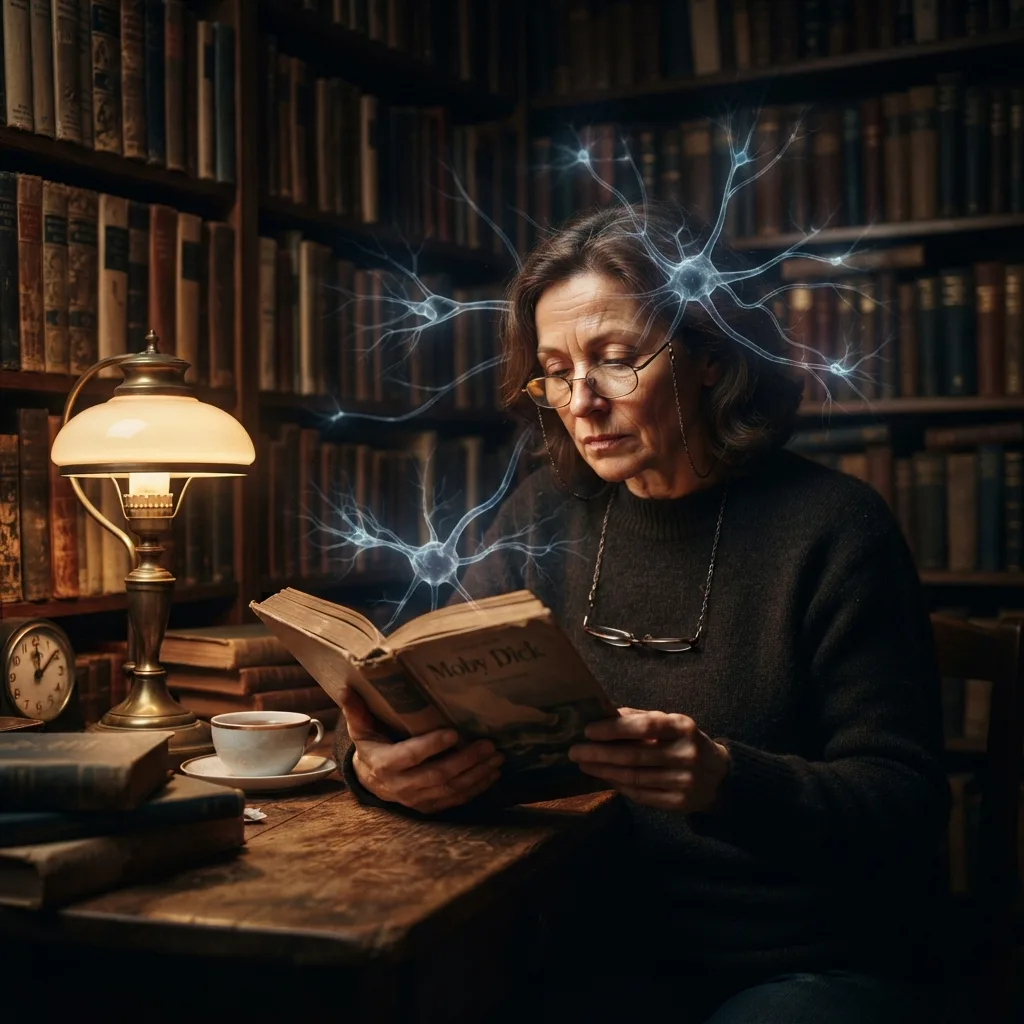
Deep reading activates over 30 brain regions simultaneously. It strengthens white matter and enhances neural connectivity. Reading does not just inform: it physically rewires your brain.

Neuroscience of deep reading

The book of tomorrow is already here. And it looks nothing like yesterday.

13

Resistance and Magic

Infinite meters

Reading as resistance, books that find you, butterfly effects, saving lives.

Reading as an act of resistance

Reading is rebelling.

Under authoritarian regimes, reading contraband books is a political statement. In an era of constant distraction, deep reading is rebellion. Every book finished is a strike against superficiality.

Reading as an act of resistance

Books that find you at the right time

The right book at the right moment.

Certain books cross your path exactly when needed. You were not searching for them, yet they appeared. They spoke what you needed to hear. Synchronicity, fate, magic.

Books that find you at the right time

Inexplicable magic of a great story

The unexplainable pull.

Certain books ensnare you from line one. You cannot articulate why. The prose is unexceptional, the plot unoriginal. Yet something holds you captive. The inexplicable spell of storytelling.

"A book grips you and you cannot explain why."

Inexplicable magic of a great story

The butterfly effect of a book on your life

A book that alters everything.

A book read at 15 dictates your lifelong career. Another at 30 rescues you from despair. Another at 60 grants peace. Books produce butterfly effects: subtle shifts transforming entire existences.

The butterfly effect of a book on your life

How a book can save lives

Words that rescue.

The Diary of Anne Frank preserved the memory of millions. Viktor Frankl's works helped survivors endure the Holocaust. Books can be the razor margin between giving up and holding on.

How a book can save lives

A book is not just an object. It is an act. Magic. Resistance.

14

The Abyss

Infinite meters

Lost civilizations, Alexandria, oral tradition, erased tales, immortal legacy.

Civilizations lost to knowledge destruction

When books die, worlds perish.

Mayan civilization lost vast knowledge when codices were burned. The Library of Alexandria burned, taking centuries of wisdom with it. When books vanish, entire civilizations fade from memory.

Civilizations lost to knowledge destruction

The Library of Alexandria and other tragedies

Catastrophic losses.

Alexandria held up to 700,000 scrolls. Its destruction remains the greatest cultural tragedy in history. Yet it was not alone: Nalanda, Baghdad, Louvain.

"The day Alexandria burned, humanity lost its memory."

The Library of Alexandria and other tragedies

Knowledge before books: oral tradition and memory

When words took flight.

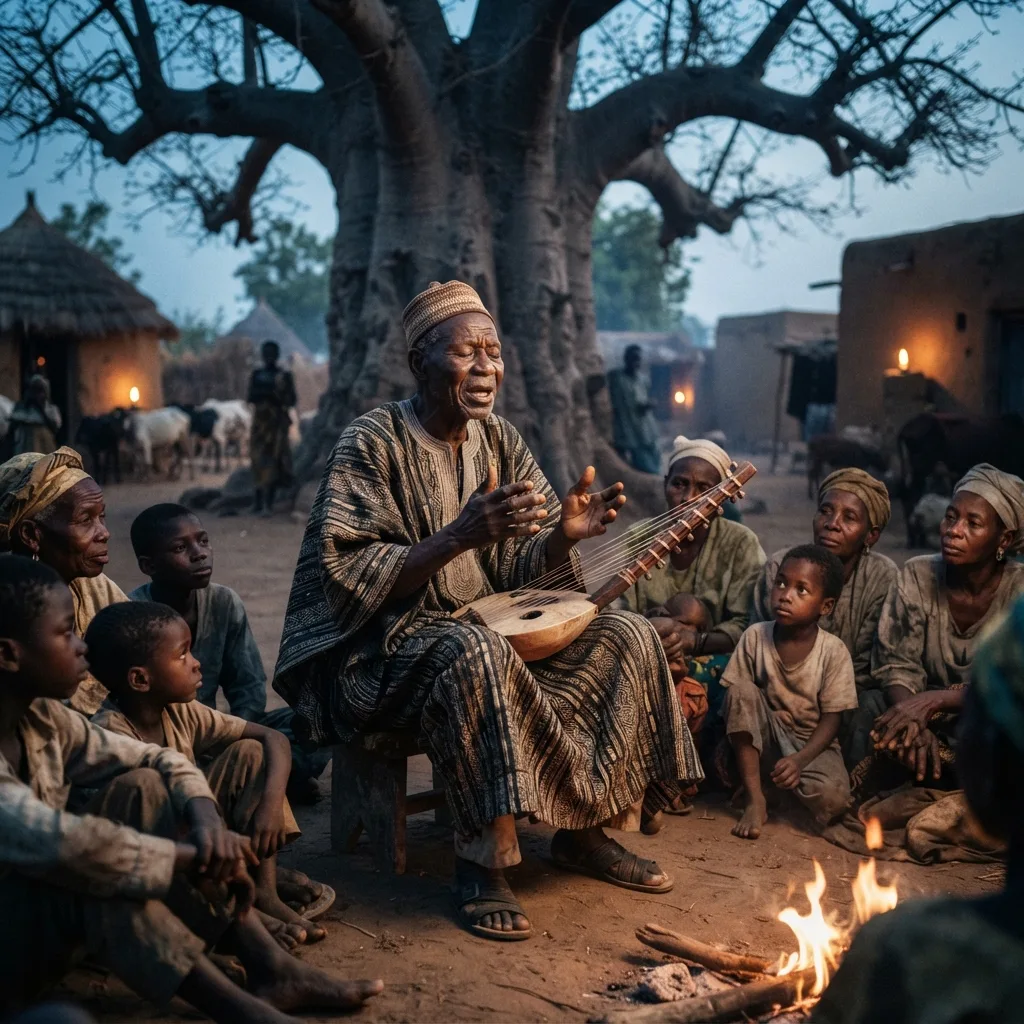
Before script, knowledge lived in oral recitation. African griots, Celtic bards, Greek rhapsodes. Human memory was the library. Every elder was a living archive.

Knowledge before books: oral tradition and memory

How many stories are lost forever?

The silence of the unwritten.

It is estimated that 99% of all written literature throughout time has been lost. A minuscule fraction survives. Every war, fire, and flood swallows tales we will never read.

How many stories are lost forever?

Immortal legacy of written words

What remains.

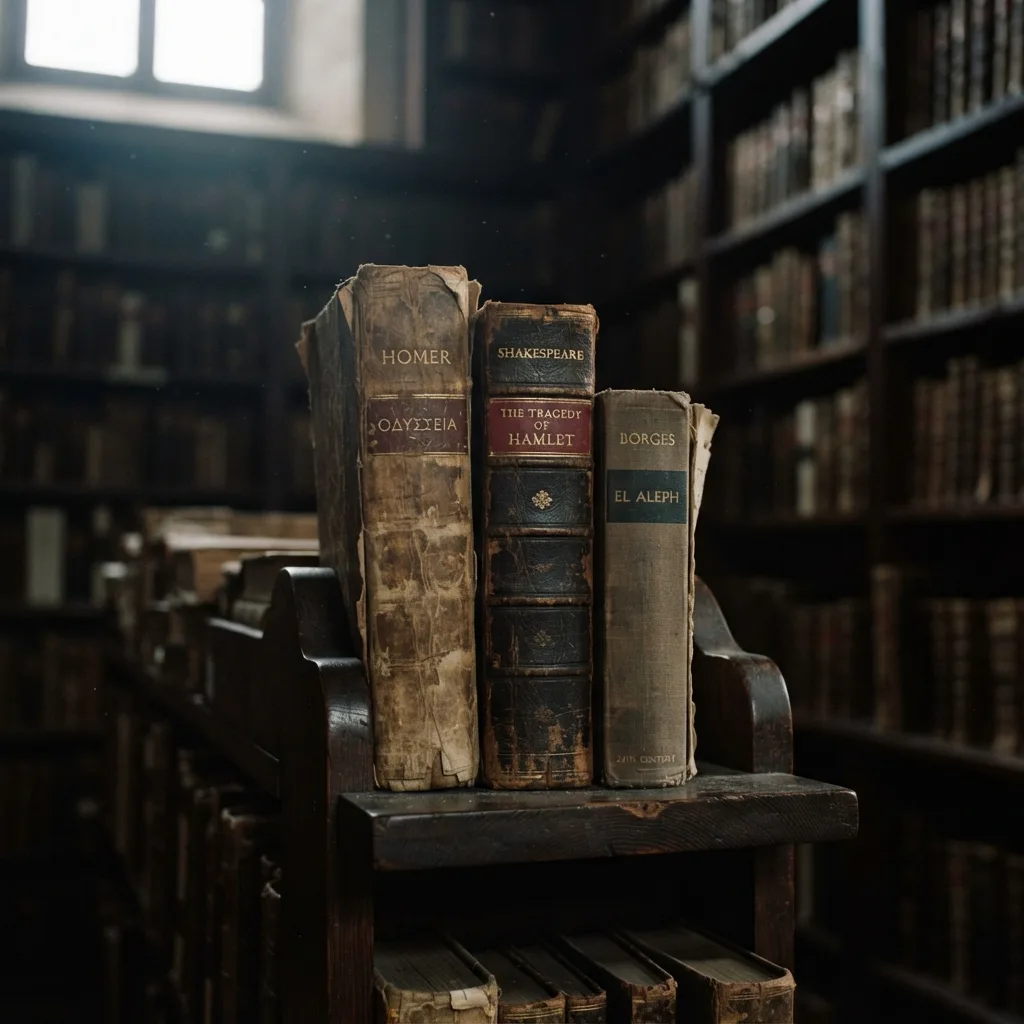
Homer's words are 2,800 years old and remain alive. Shakespeare's, 400. Borges's, 50. The book is the most potent vessel for immortality humans ever devised. So long as a reader exists, the author lives.

Immortal legacy of written words

A book outliving its author

Paper immortality.

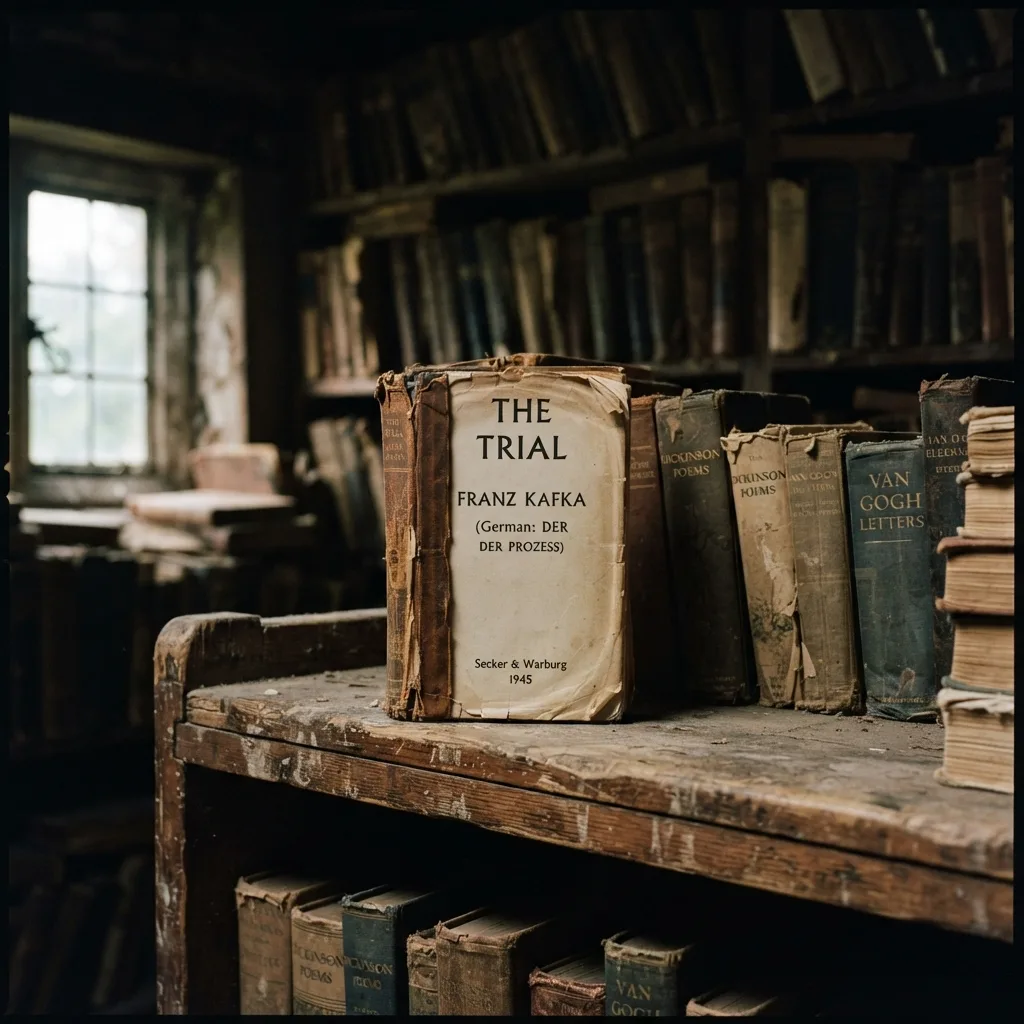
Kafka died believing he was a failure. Emily Dickinson published only 10 poems in life. Van Gogh sold one painting. The book survives its creator. The purest form of life after death.

A book outliving its author

Every reader creates a distinct book

Reading as creation.

Every reader interprets, visualizes, and feels uniquely. My Don Quixote is not yours. My One Hundred Years of Solitude is one of a kind. A book does not truly exist until read.

"You do not read the same book I read. You read yours."

Every reader creates a distinct book

Books as bridges across generations

The thread of time.

A grandparent reads their grandchild the exact volume their own parent read to them. Books link generations that never met. A temporal bridge binding the living and the dead.

Books as bridges across generations

Somewhere, a book is changing a life right now

The eternal present.

At this very second, someone somewhere on Earth is reading a book that will alter their destiny. They do not know it yet. But a decade from now, they will recall this moment.

Somewhere, a book is changing a life right now

As long as stories exist, we remain human

The human essence.

From cave paintings to digital screens, humanity has never ceased storytelling. It is what defines us. As long as someone tells a story and another listens, humanity endures. Books are proof that we are human.

"We are the species that tells stories."

As long as stories exist, we remain human

You have reached the bottom. Where books dissolve into eternity.

Nivel 1/140 meters

Has llegado al fondo.

Todo iceberg termina aquí.

Pero siempre hay otro esperando
ser explorado.

Explorar otro iceberg