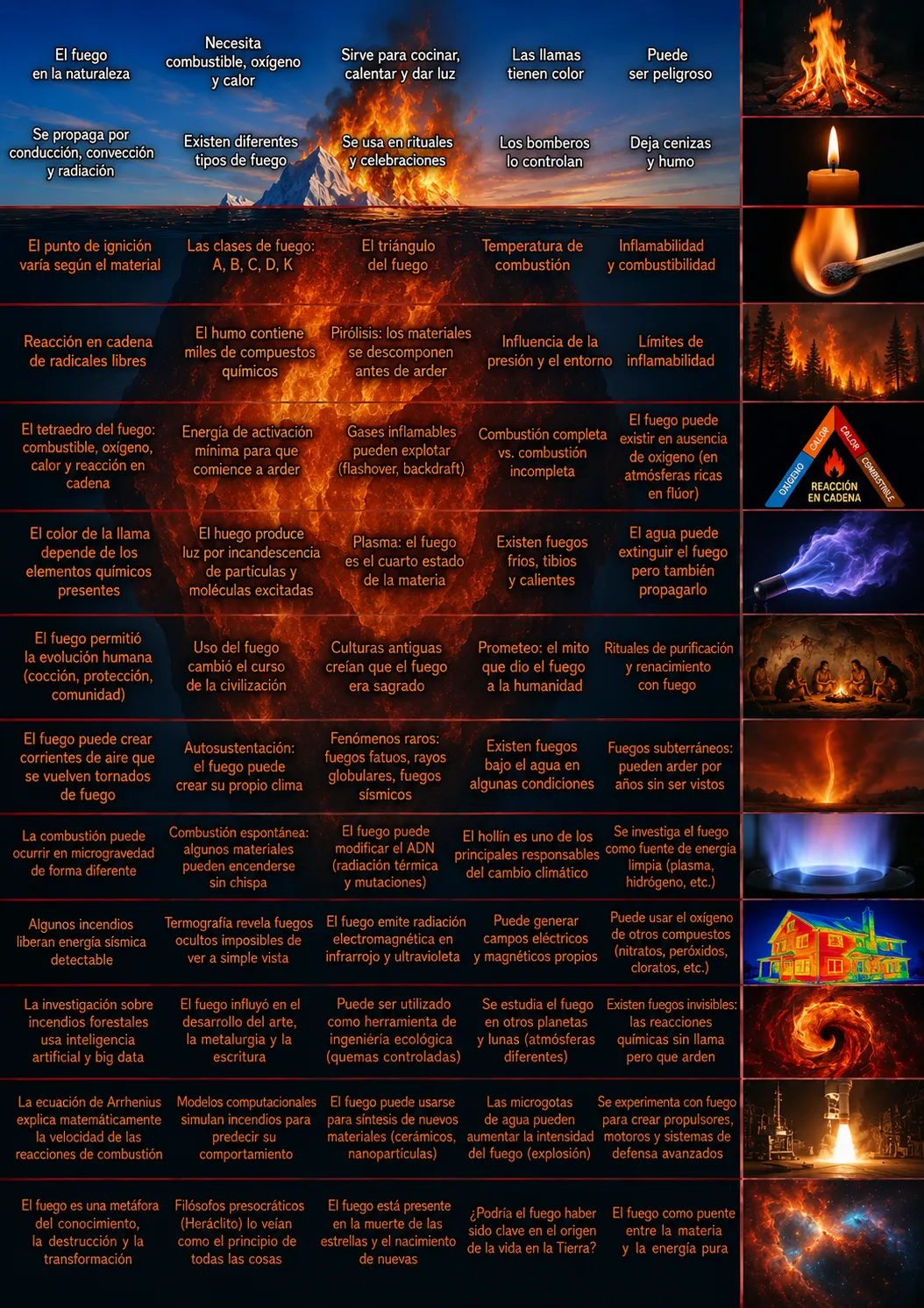
Iceberg of Fire

A journey from visible flames to the abyss of pure energy: discover secrets, dangers, and mysteries of the element that forged civilization and could destroy it.

13 ebenen65 einträge15 Min. Lesezeit
Iceberg of Fire
Klicken zum Vergrößern

Klicken zum Vergrößern

Dieser Eisberg wird derzeit auf Spanisch angezeigt, während die Übersetzung fertiggestellt wird.

1

Surface

0 meters

What we all know about fire. The evident truths we witness every single day.

Fire in Nature

The primordial force.

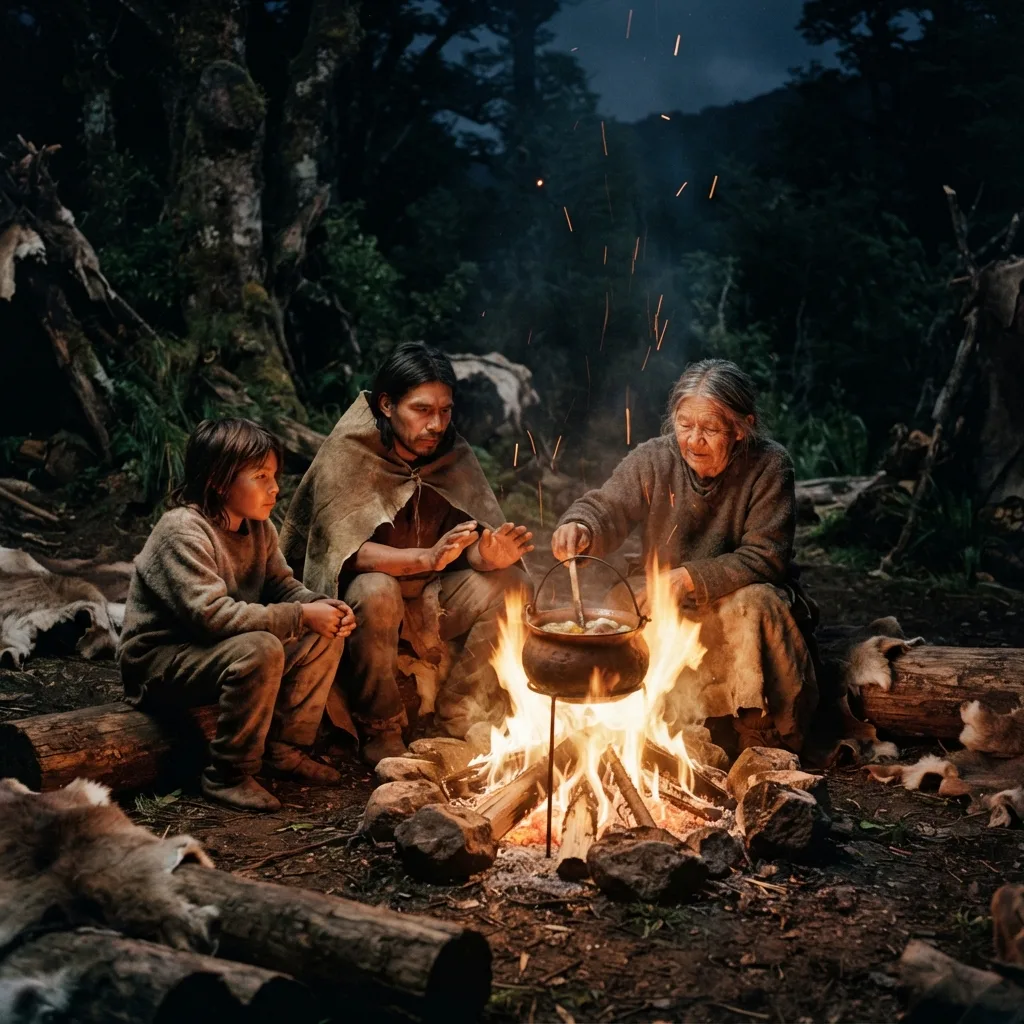
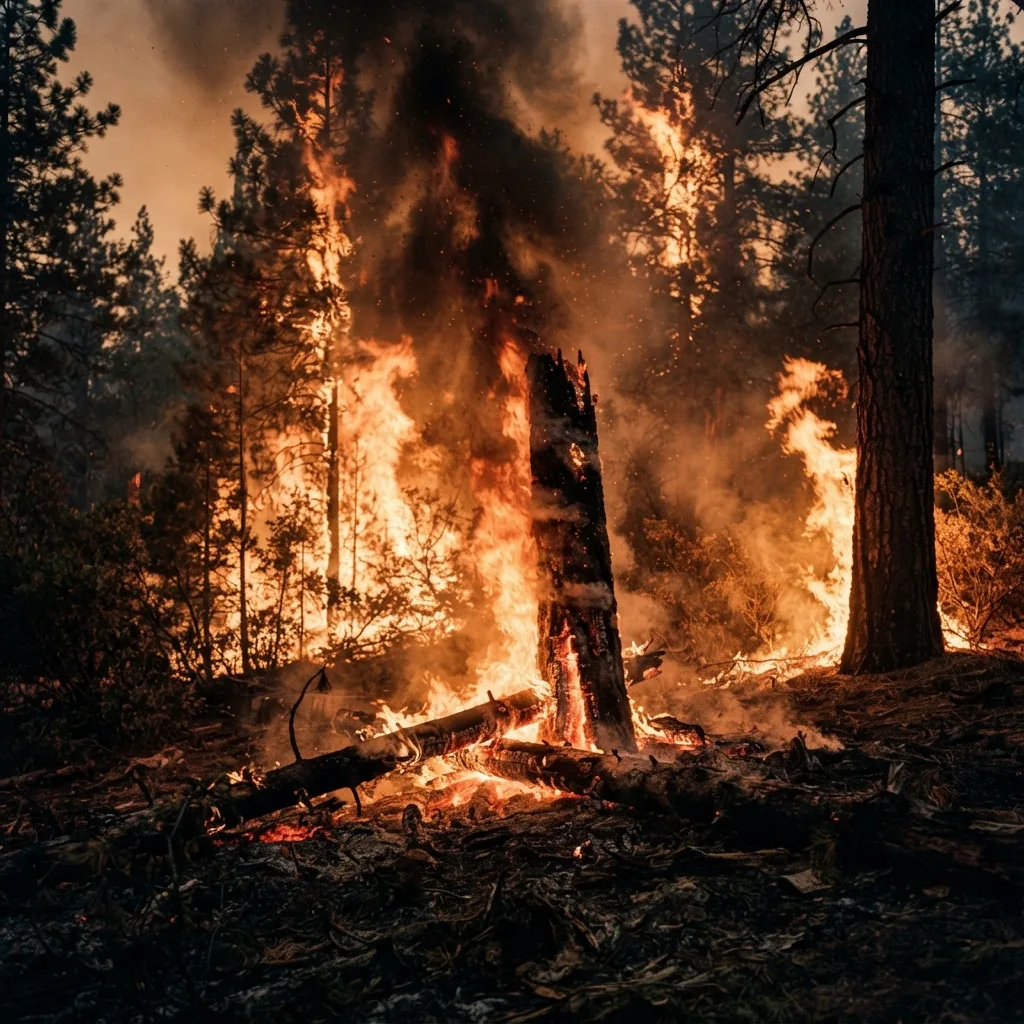
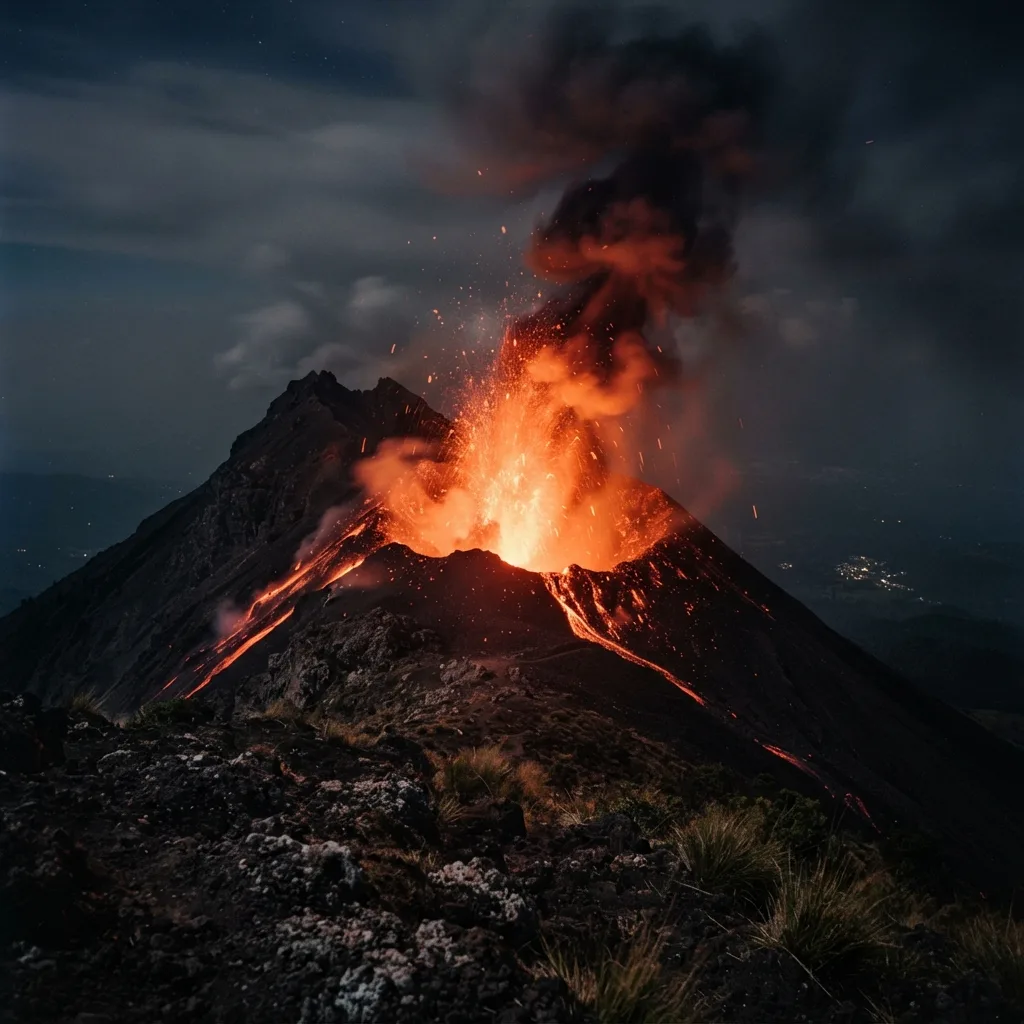
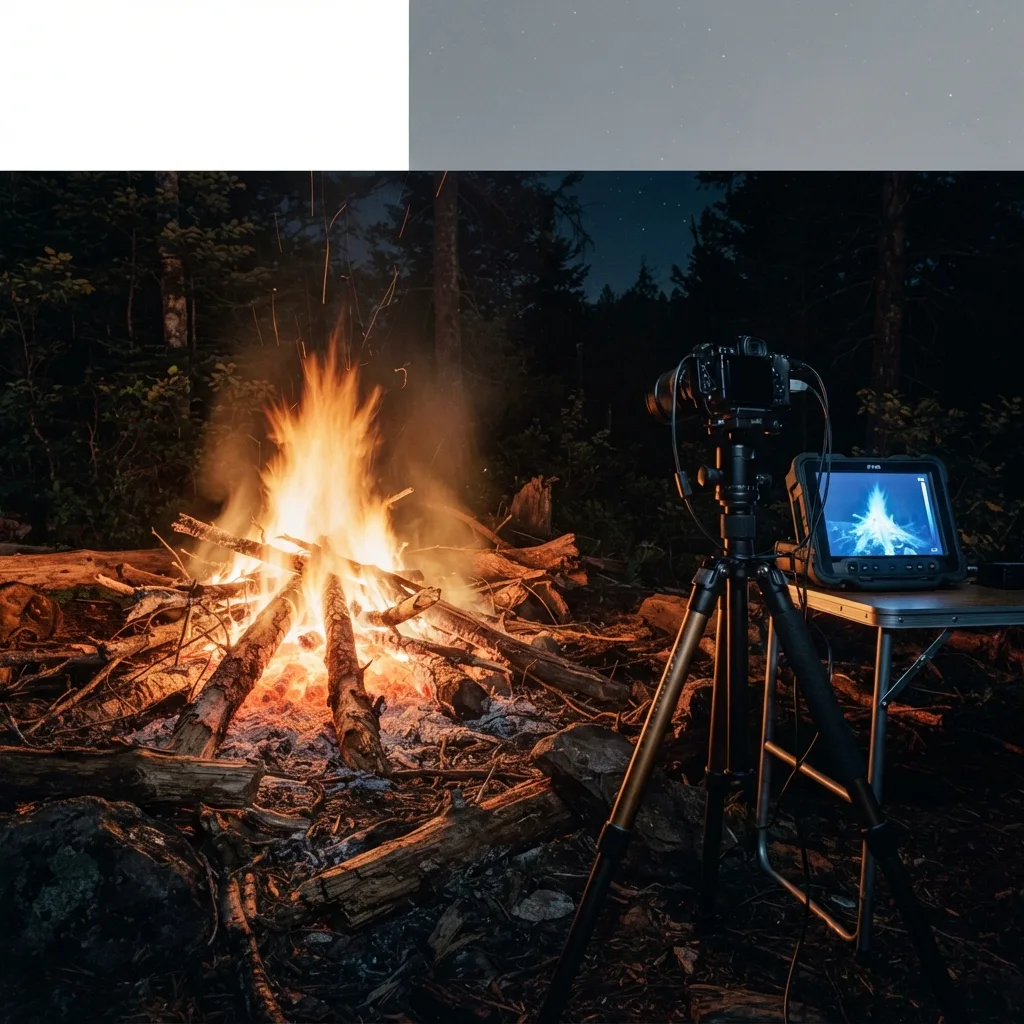
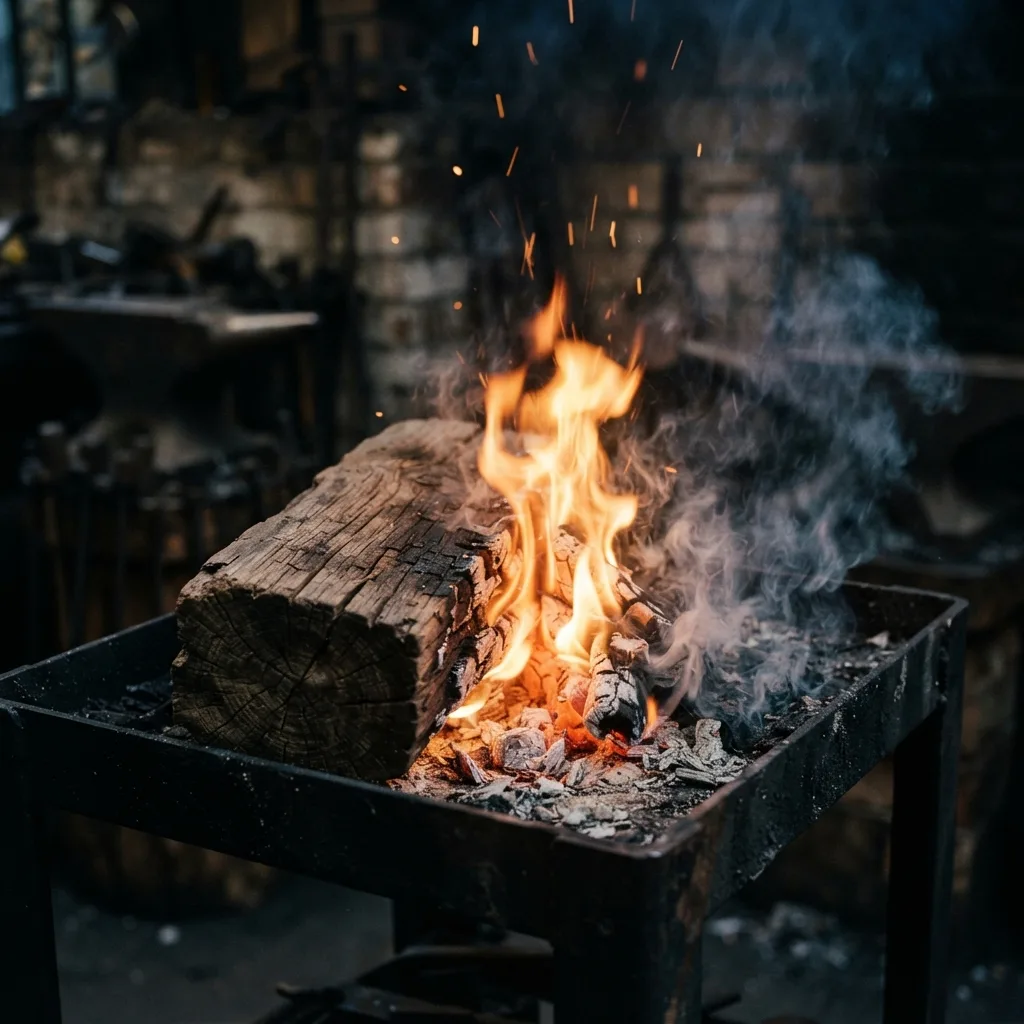
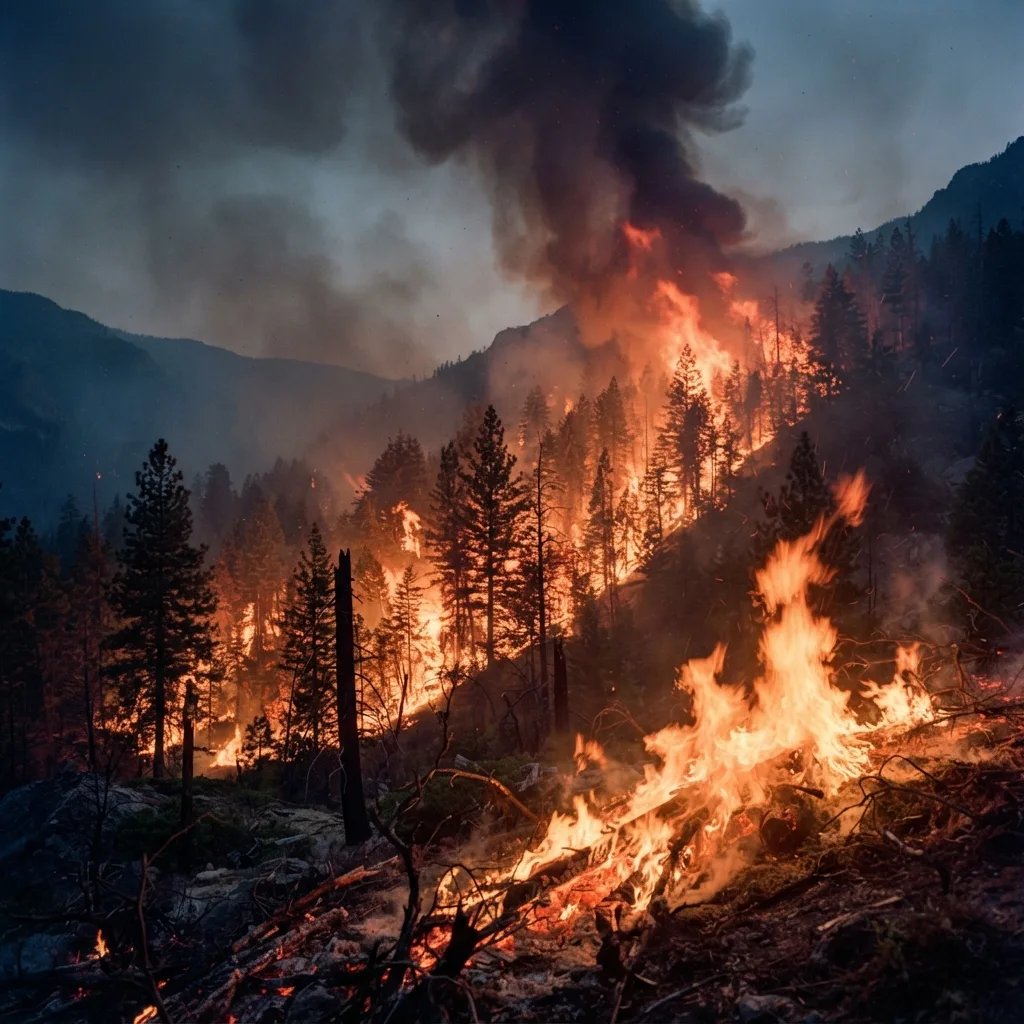
Fire has existed in nature long before humanity ever walked the Earth. Lightning strikes, volcanic eruptions, and spontaneous combustion are its birthright. It is a force that asks no permission to exist. It lingers everywhere, silently waiting for the right spark.
Fire in Nature

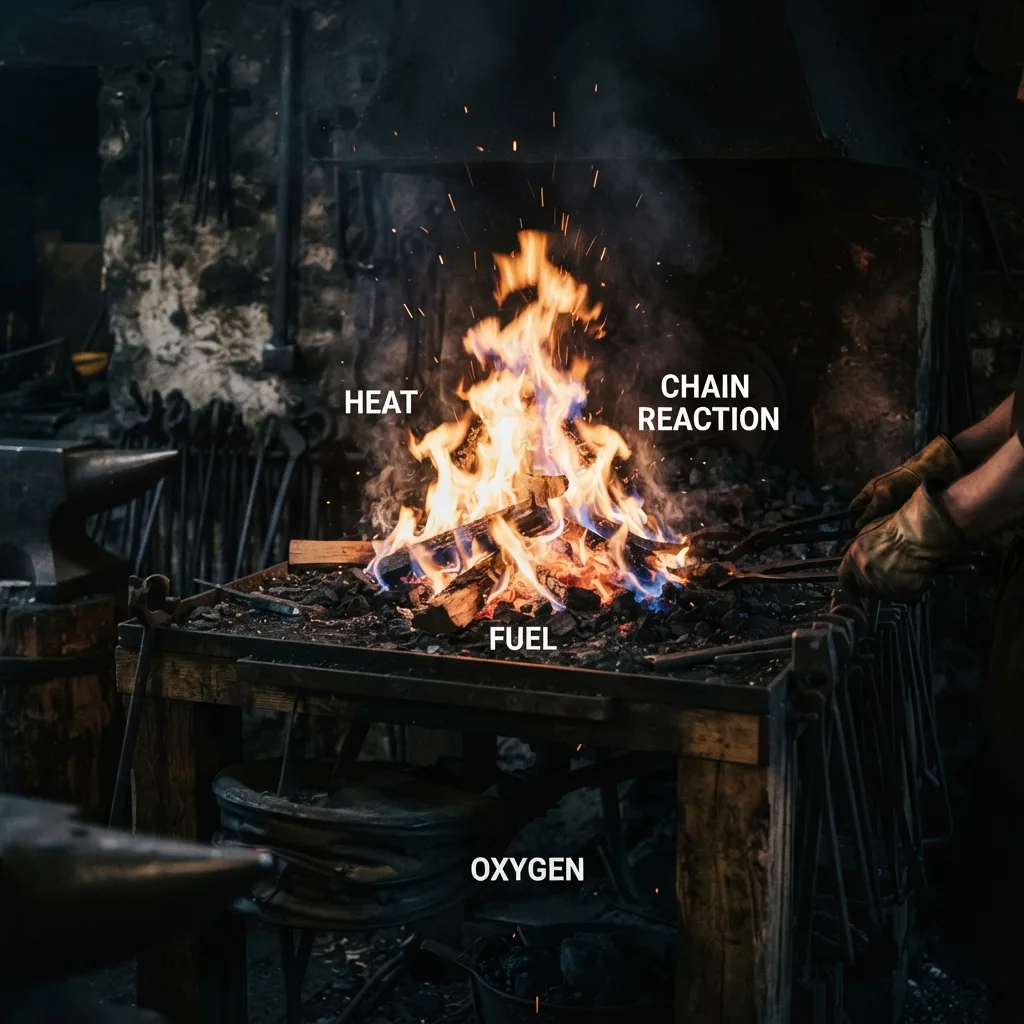
Requires Fuel, Oxygen, and Heat

The sacred triangle.

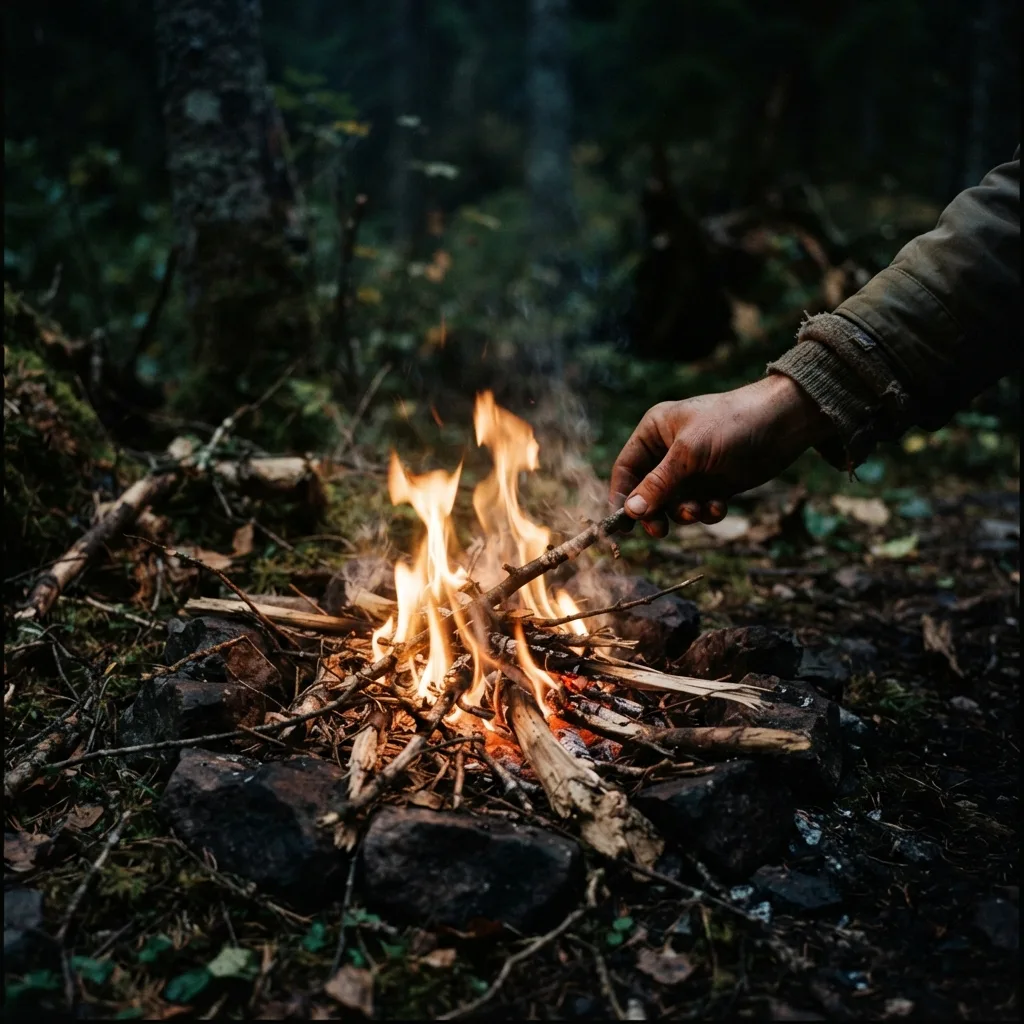
Without these three elements, fire instantly dies. It is an absolute rule of nature. Remove just one, and the flame extinguishes. Yet keeping all three together in harmony is what enabled human civilization to spark and survive.

Requires Fuel, Oxygen, and Heat

Used for Cooking, Heating, and Light

The tool that made us human.

Fire cooked our sustenance, warmed our nights, and illuminated the dark when the sun vanished below the horizon. Without it, we would have remained primitive creatures. With it, we transcended into something greater.

Used for Cooking, Heating, and Light

Flames Possess Colors

Every element burns differently.

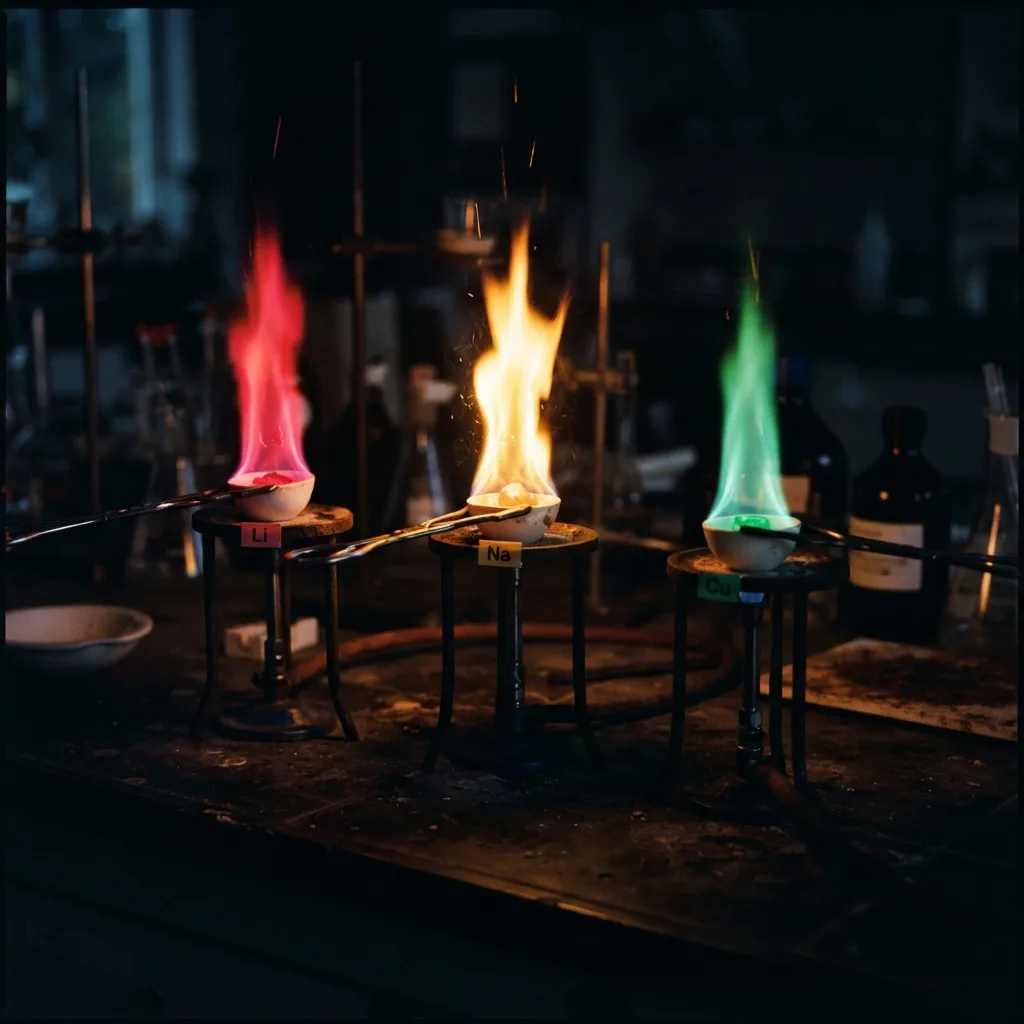
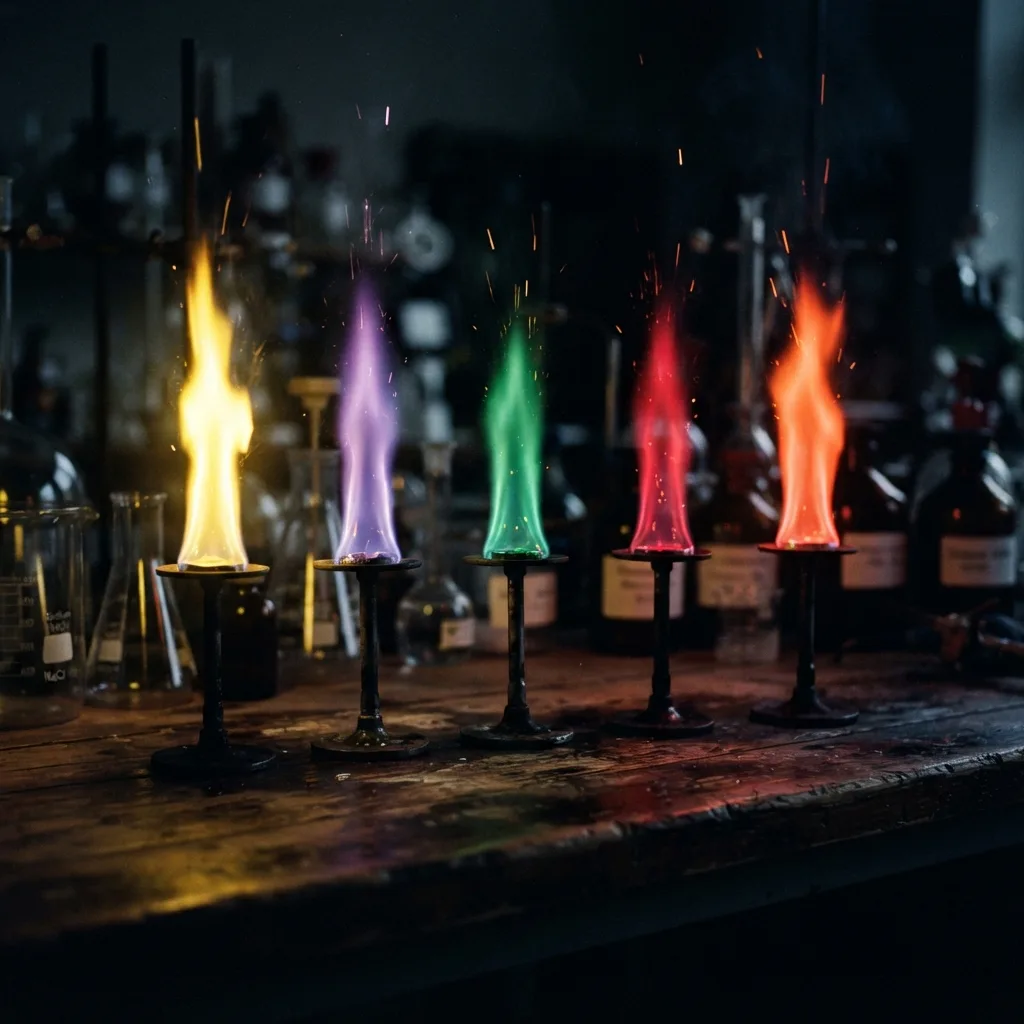
Sodium burns vivid yellow, copper burns green, and lithium blazes crimson red. Every chemical element leaves its unique signature in the flame. Fire acts as a chemical spectrum revealing the innermost composition of whatever it consumes.

Flames Possess Colors

Can Be Extremely Dangerous

Destruction in its purest state.

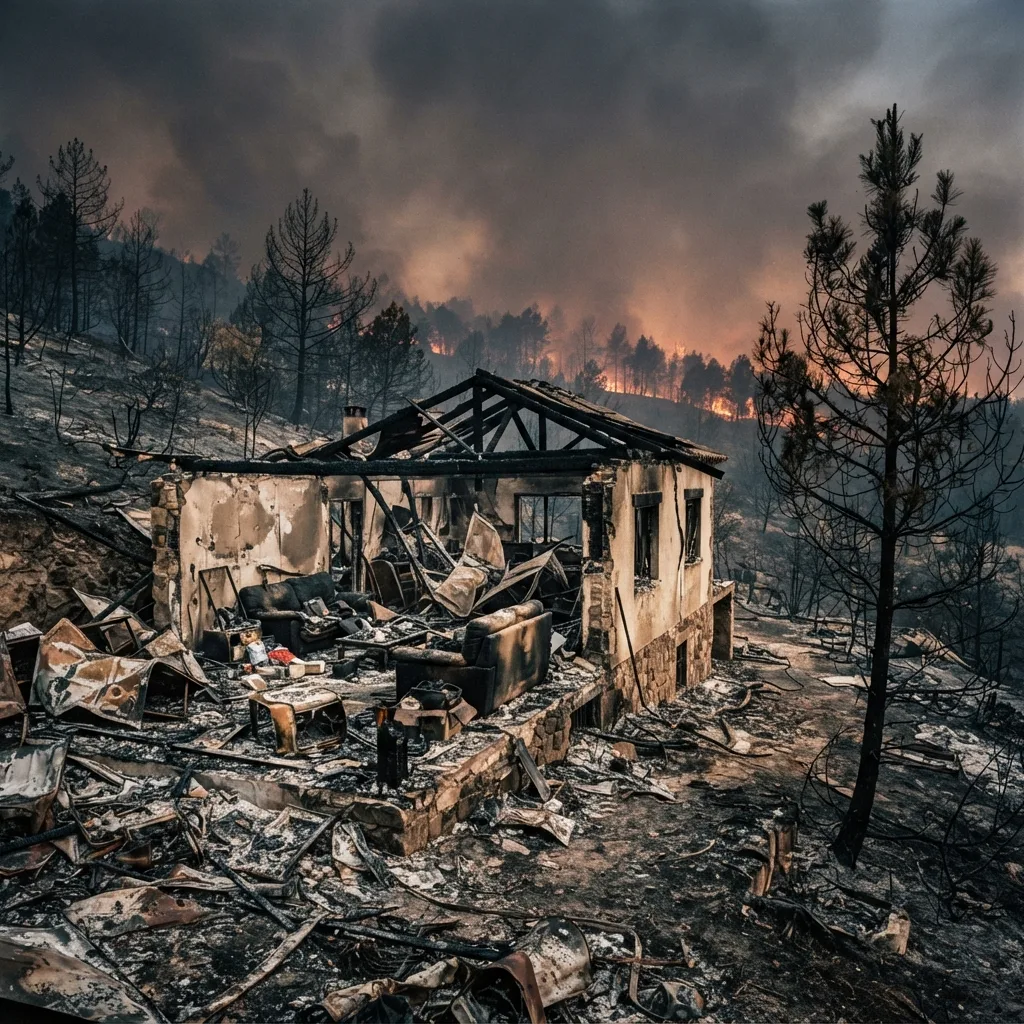
A single moment of carelessness, a rogue spark, or a split-second distraction can ignite catastrophic loss. Fire can devour homes, ancient forests, and human lives in mere minutes. It remains the most destructive force humanity has ever attempted to master.

"Fire makes no distinction between friend and foe."

Can Be Extremely Dangerous

But the surface only hides the obvious. Fire possesses secrets that burn deep.

2

Basic Knowledge

100 meters

What modern science has revealed about how fire moves, propagates, and behaves.

Propagates via Conduction, Convection, and Radiation

Three paths of destruction.

Heat transfers in three distinct ways: through direct physical contact (conduction), through circulating hot air currents (convection), and through intense electromagnetic waves (radiation). Fire attacks across all fronts simultaneously.

Propagates via Conduction, Convection, and Radiation

Distinct Classes of Fire Exist

Not all fires burn the same.

Wood fires, flammable liquids, pressurized gases, combustible metals, and cooking oils each require specific suppression techniques. Throwing water onto a grease fire can trigger a catastrophic explosion. Understanding the enemy is essential for survival.

Distinct Classes of Fire Exist

Utilized in Sacred Rituals and Celebrations

The sacred flame.

From ancient solstice bonfires to birthday candles, fire marks sacred human milestones. It symbolizes purification, celebration, and spiritual rebirth. Fire bridges the gap between the mundane world and the divine.

Utilized in Sacred Rituals and Celebrations

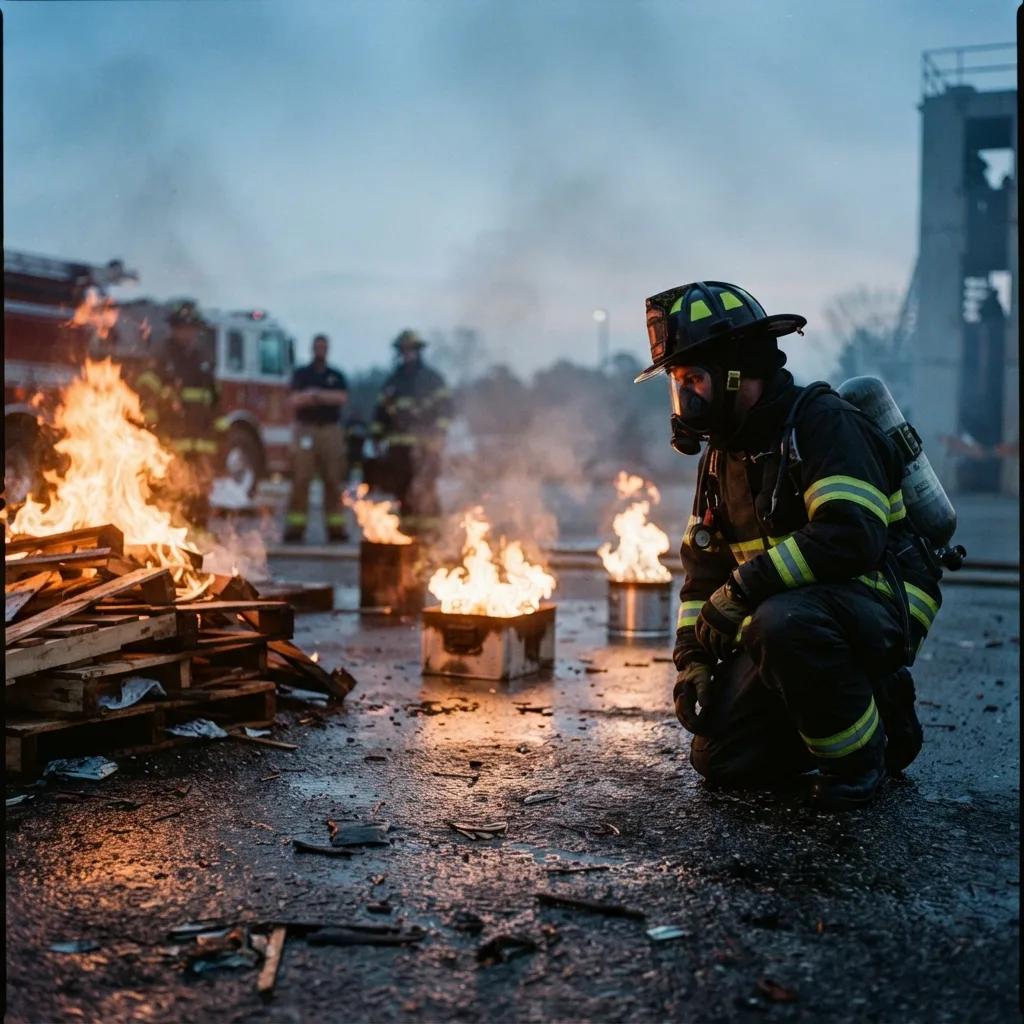
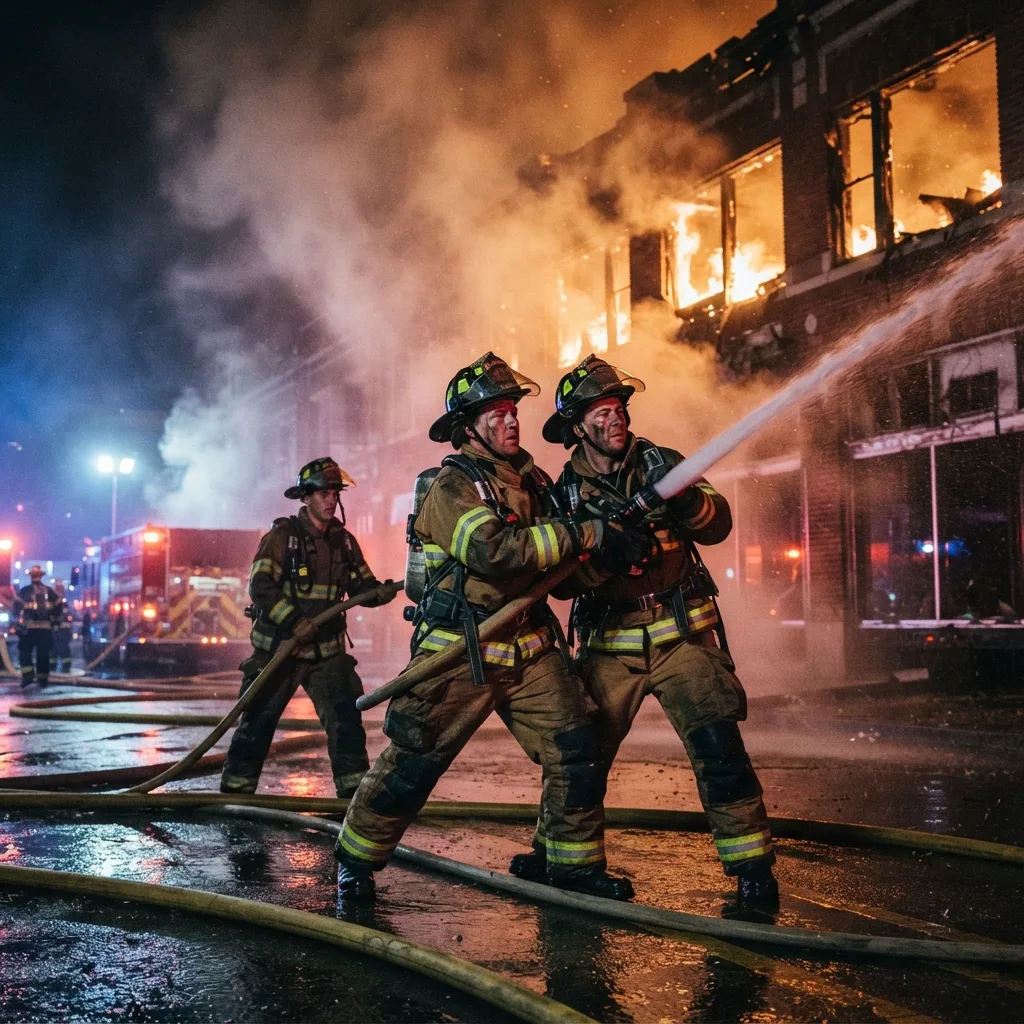
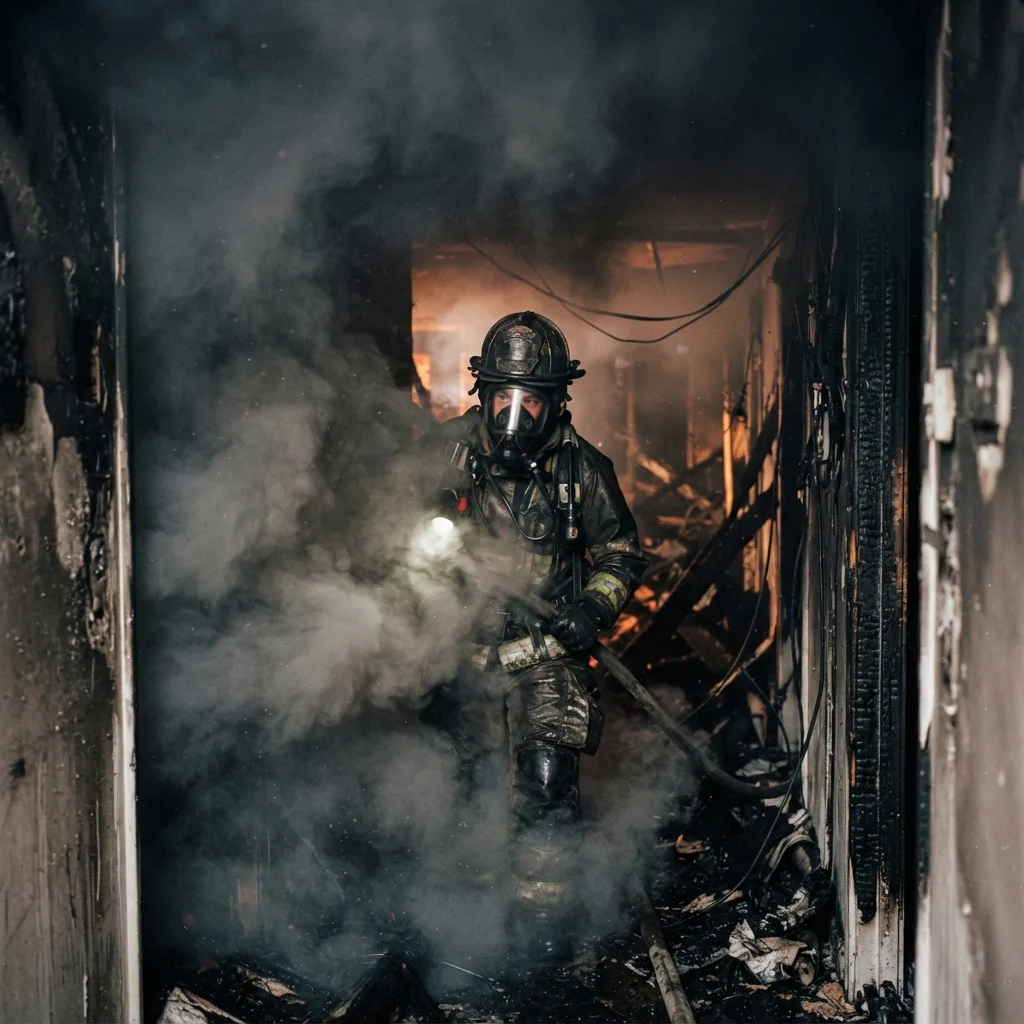
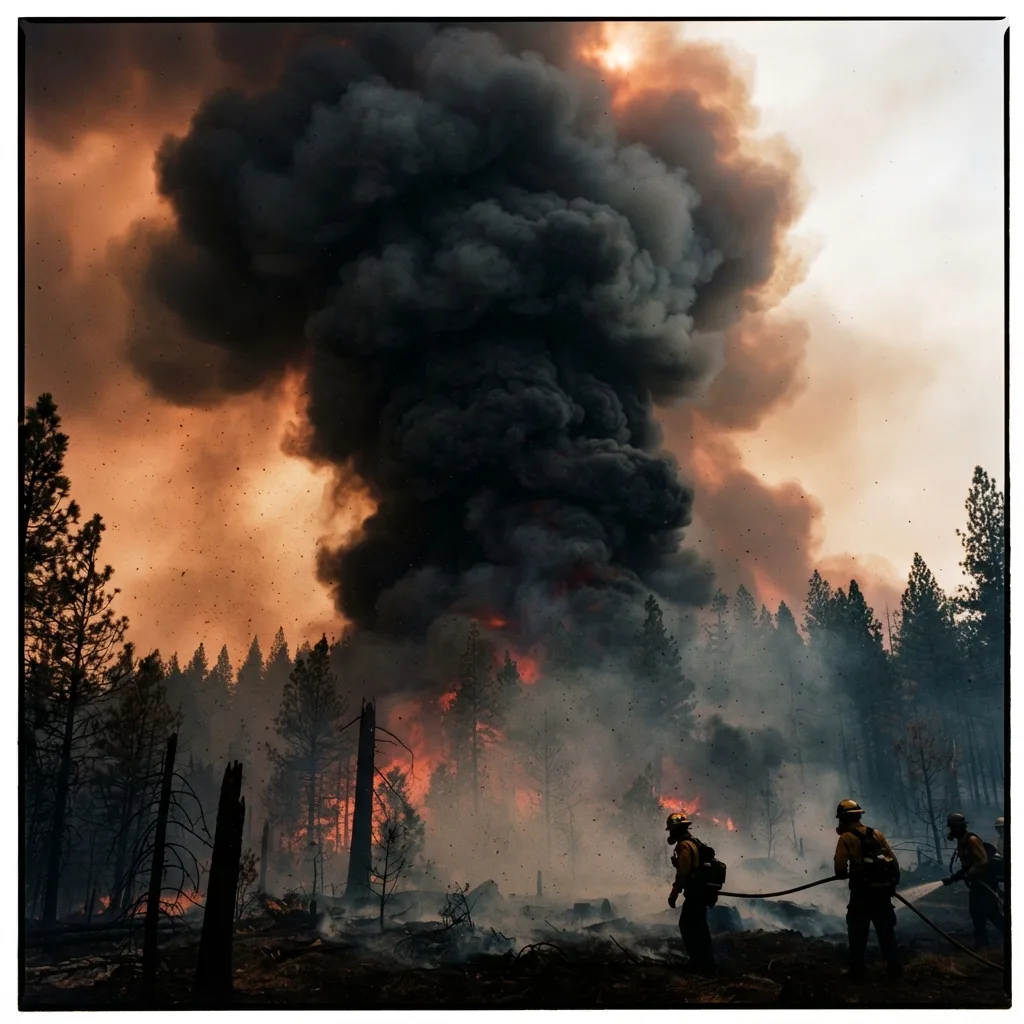
Firefighters Control Its Fury

Warriors against the flames.

Firefighters do not merely extinguish fires—they tame chaotic energy. Using water, chemical foams, dry powders, and tactical precision, they starve the flame of its vital triangle. It is a perpetual battle against an unyielding force of nature.

Firefighters Control Its Fury

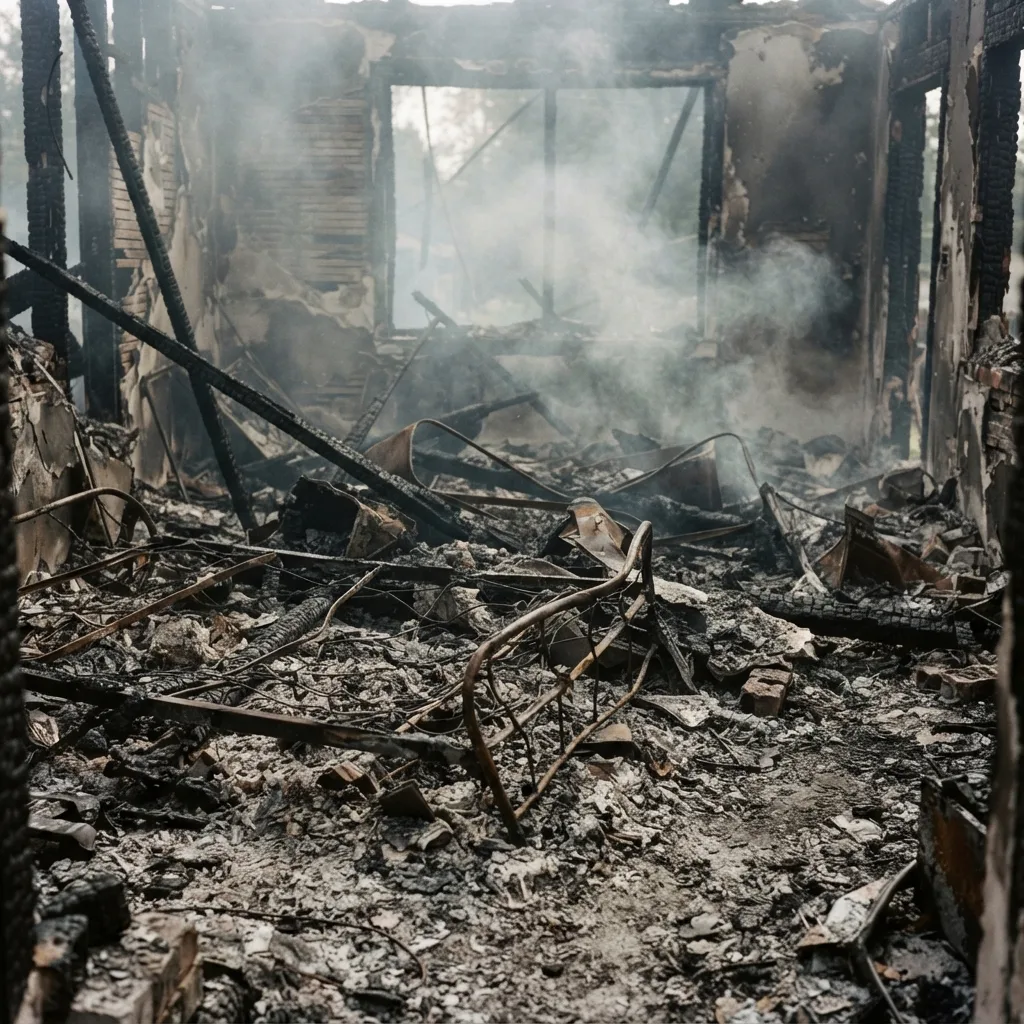
Leaves Ash and Smoke in Its Wake

The remnants of destruction.

When the flames finally recede, only ash and smoke remain. Ash represents irreducible mineral matter, while smoke consists of unburned carbon particles adrift in the air. Fire never truly destroys—it permanently transforms.

Leaves Ash and Smoke in Its Wake

Fire is never static. It moves, spreads, feeds, and transforms everything it touches.

3

Science of Combustion

500 meters

The chemical and physical principles governing fire. The science behind the flame.

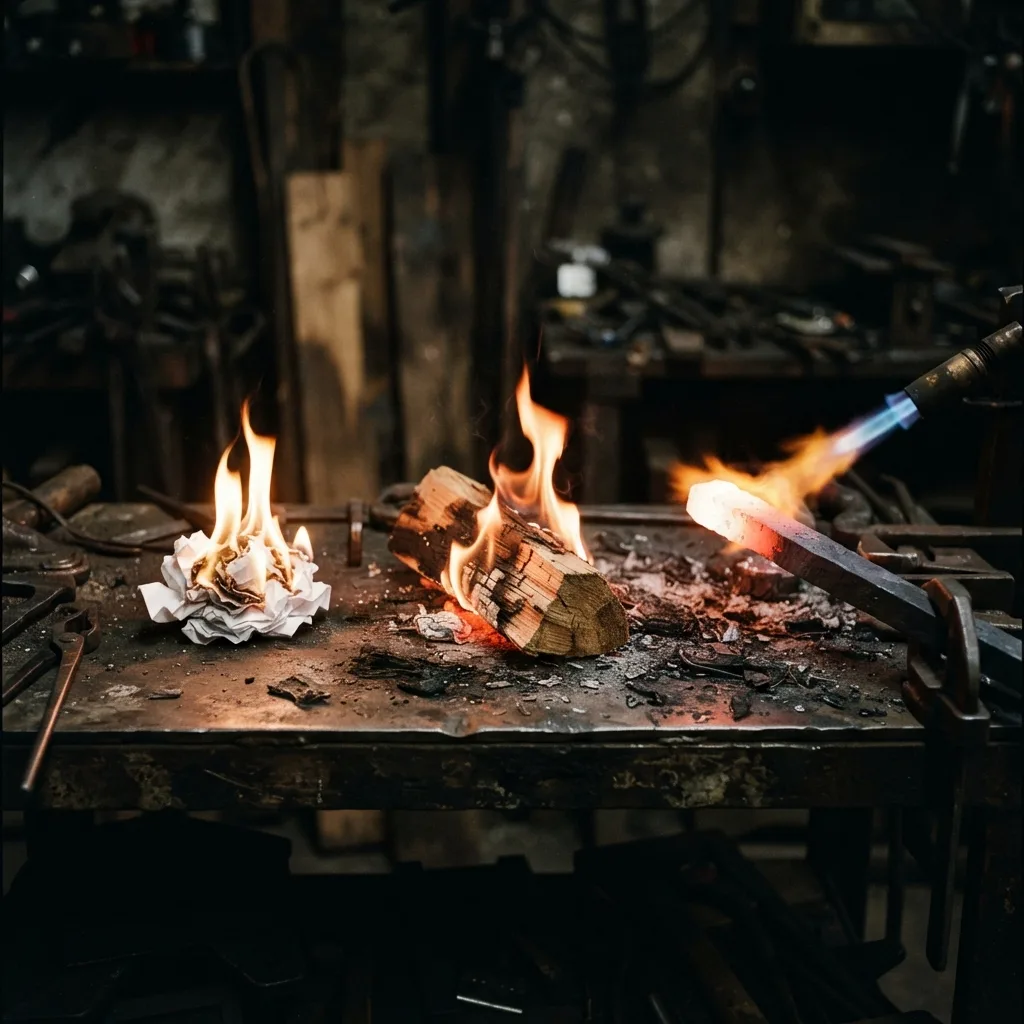
Ignition Point Varies by Material

Every substance has its fatal temperature.

Paper ignites at 233°C, wood around 300°C, and iron melts near 1,538°C. Every material possesses a specific ignition threshold. Knowing these temperatures spells the difference between industrial safety and catastrophe.

Ignition Point Varies by Material

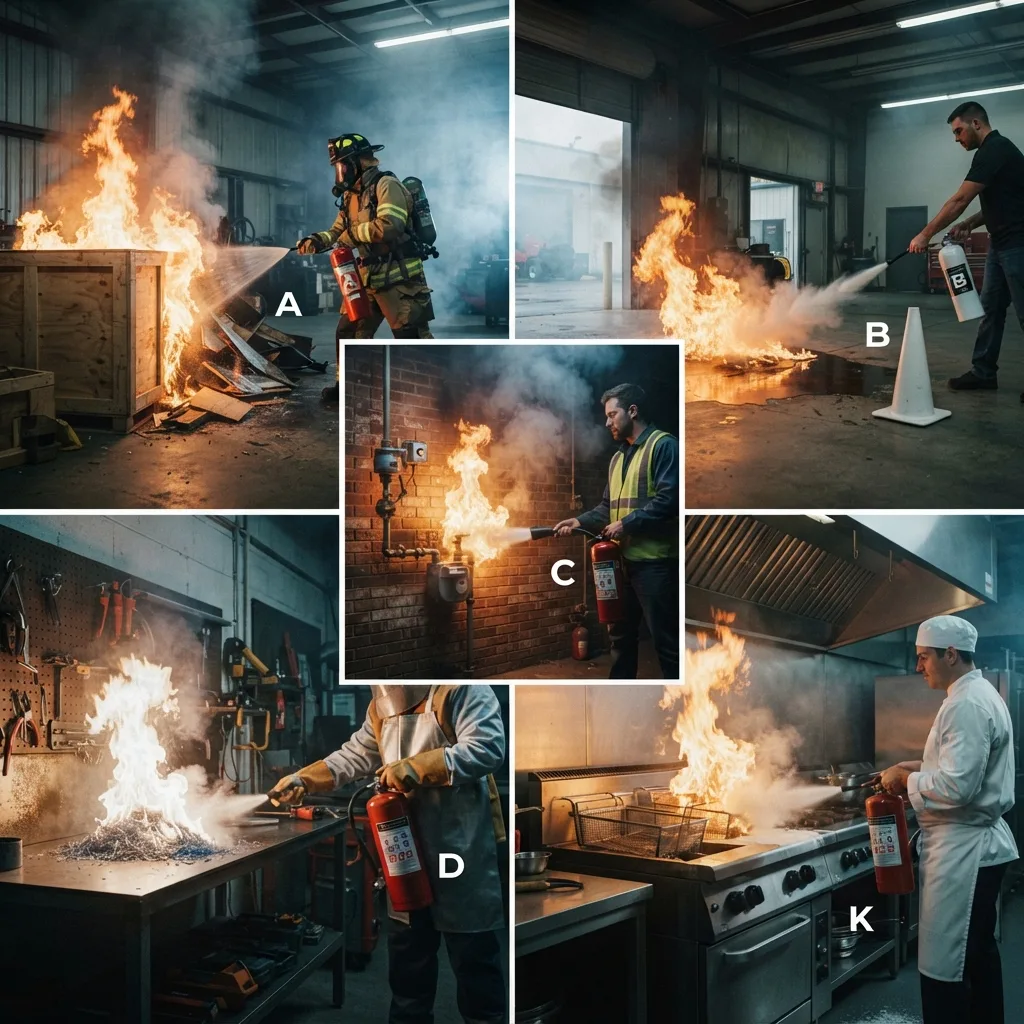
Classes of Fire: A, B, C, D, K

The classification that saves lives.

Class A: solid combustibles. Class B: flammable liquids. Class C: electrical equipment. Class D: combustible metals. Class K: cooking fats. Employing the wrong extinguisher class can catastrophically escalate a blaze.

Classes of Fire: A, B, C, D, K

The Fire Triangle

The formula of destruction.

Fuel, oxygen, and heat form the fundamental triad of combustion. Deprive the reaction of any single leg, and combustion grinds to a halt. It is the cornerstone principle of firefighting science.

The Fire Triangle

Combustion Temperature

All-consuming thermal intensity.

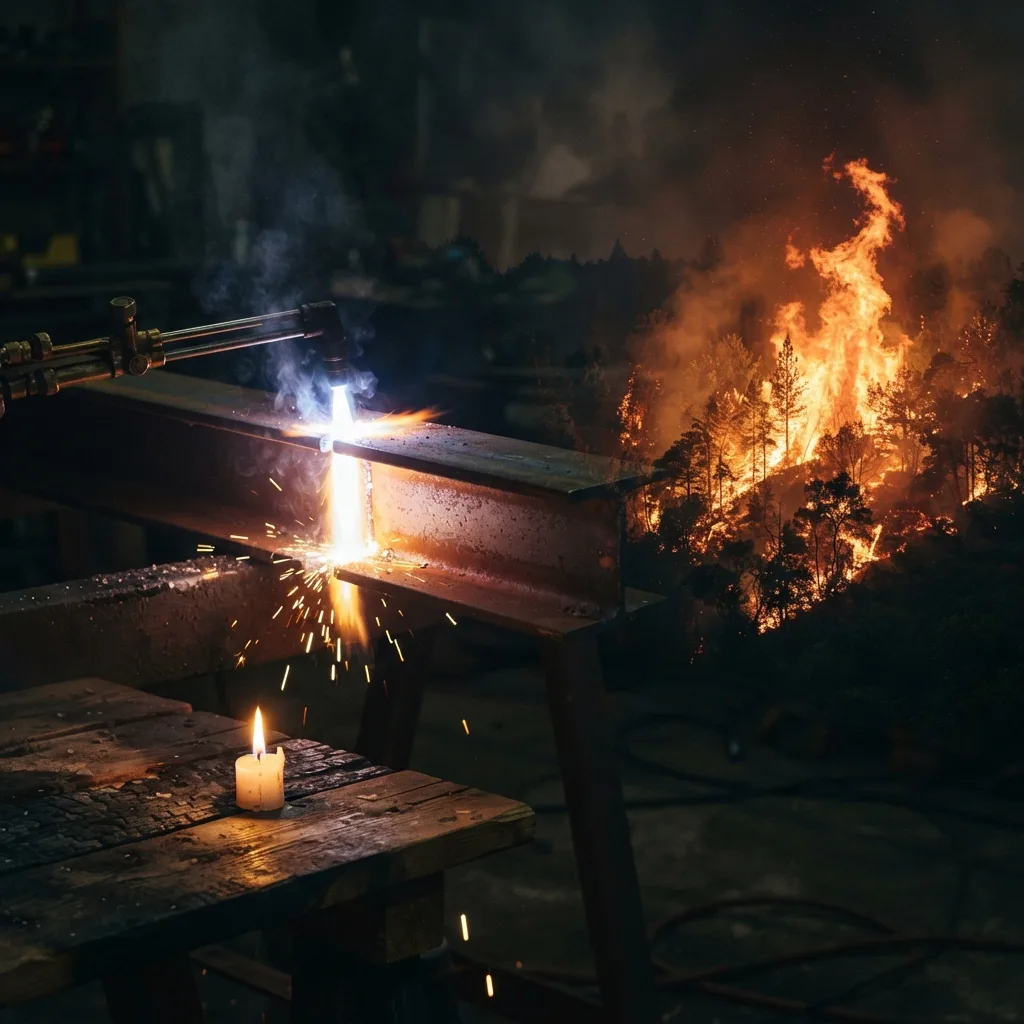
A candle flame hovers near 1,000°C, wildland forest fires exceed 800°C, and oxy-acetylene torches pierce 3,500°C. Temperature dictates which surrounding materials vaporize and which endure.

Combustion Temperature

Flammability and Combustibility

The ease with which matter ignites.

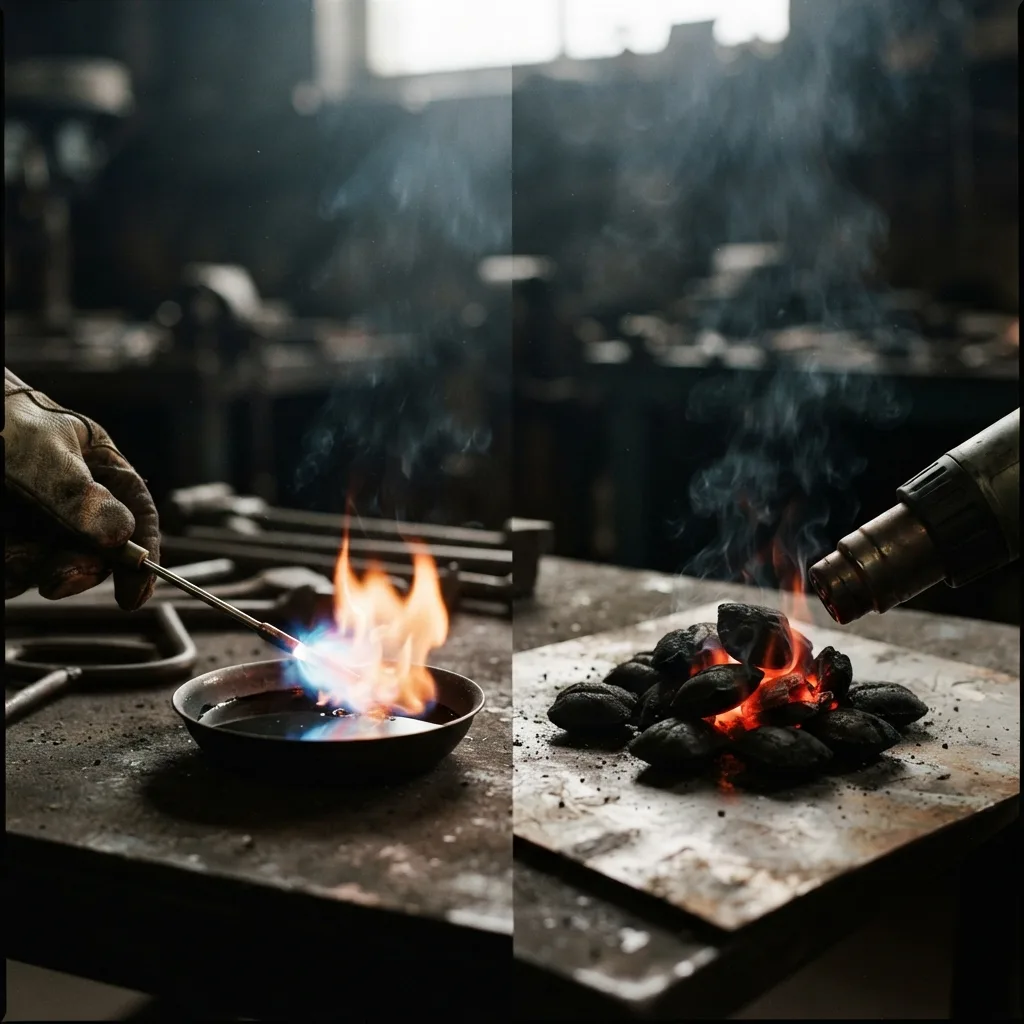
Gasoline ignites readily at -43°C flashpoint, whereas coal requires 300°C. Flammability measures ease of ignition, while combustibility measures sustainment once lit. Both properties present unique hazards.

Flammability and Combustibility

Entering territory where fire becomes predictable. Almost.

4

Fire Chemistry

1,000 meters

Chemical reactions occurring inside the flame zone. Fire is chemistry in motion.

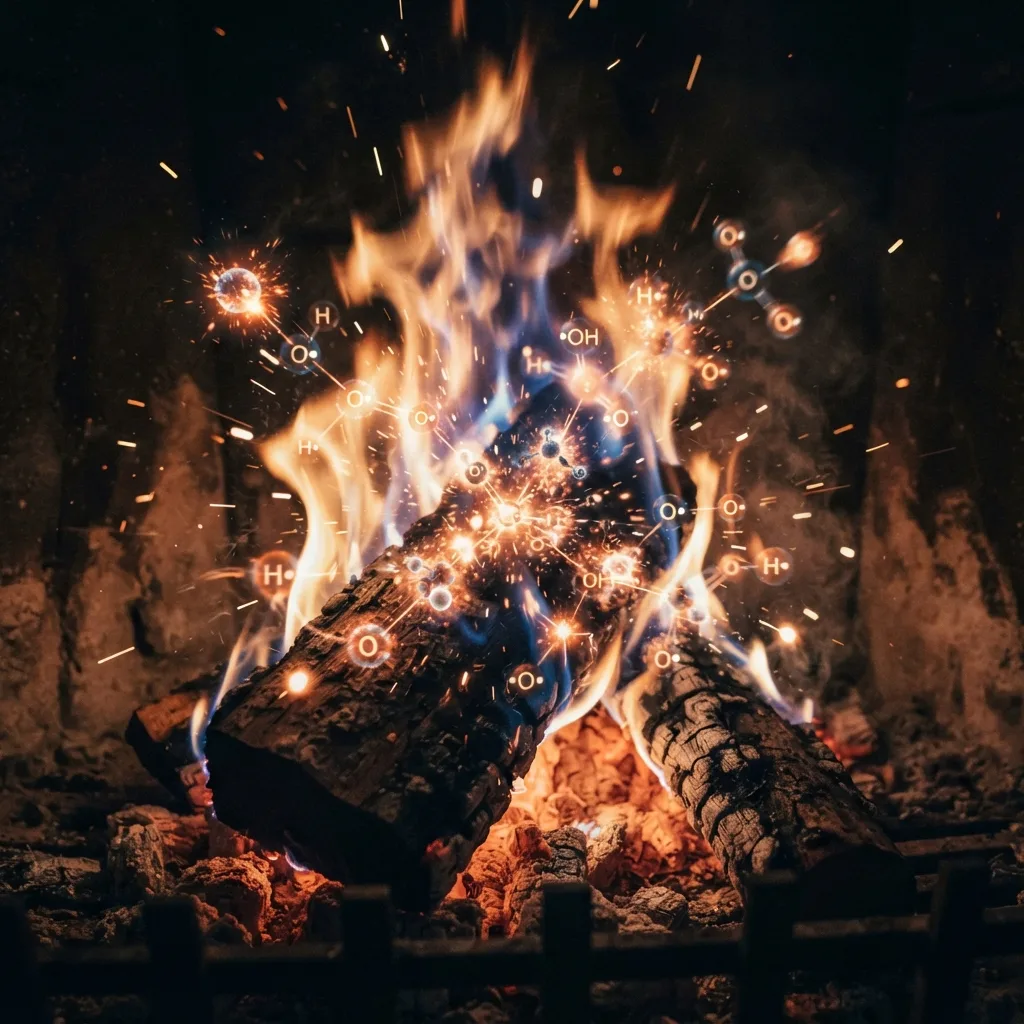
Free Radical Chain Reactions

Molecular cascades.

Fire is a self-propagating free radical chain reaction. Thermal breakdown fractures fuel molecules into hyper-reactive radicals, triggering a cascading avalanche of rapid oxidation.

Free Radical Chain Reactions

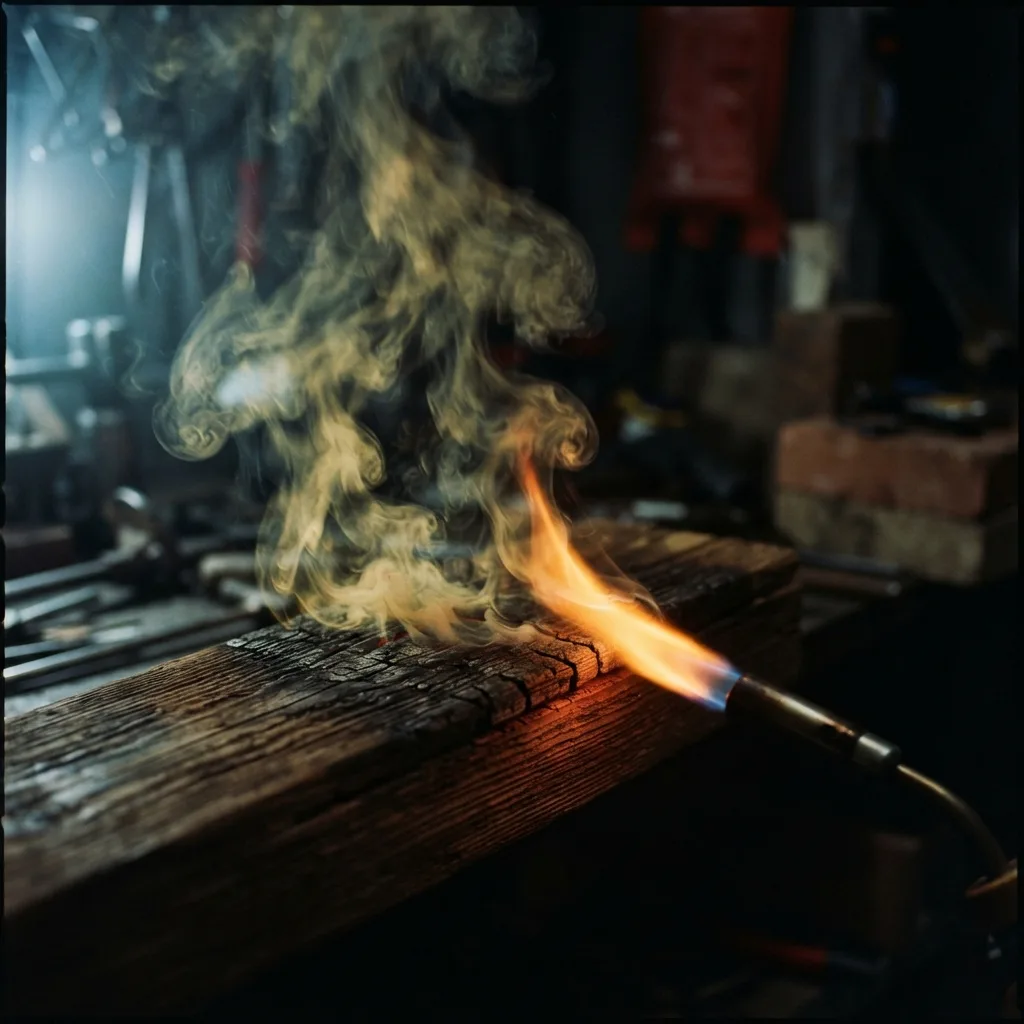
Smoke Contains Thousands of Chemical Compounds

The invisible poison.

Smoke packs carbon monoxide, hydrogen cyanide, formaldehyde, benzene, and toxic particulates. Inhalation injury accounts for the majority of structural fire fatalities.

"Smoke kills far more often than fire itself."

Smoke Contains Thousands of Chemical Compounds

Pyrolysis: Thermal Decomposition Before Burning

Degradation prior to visible flame.

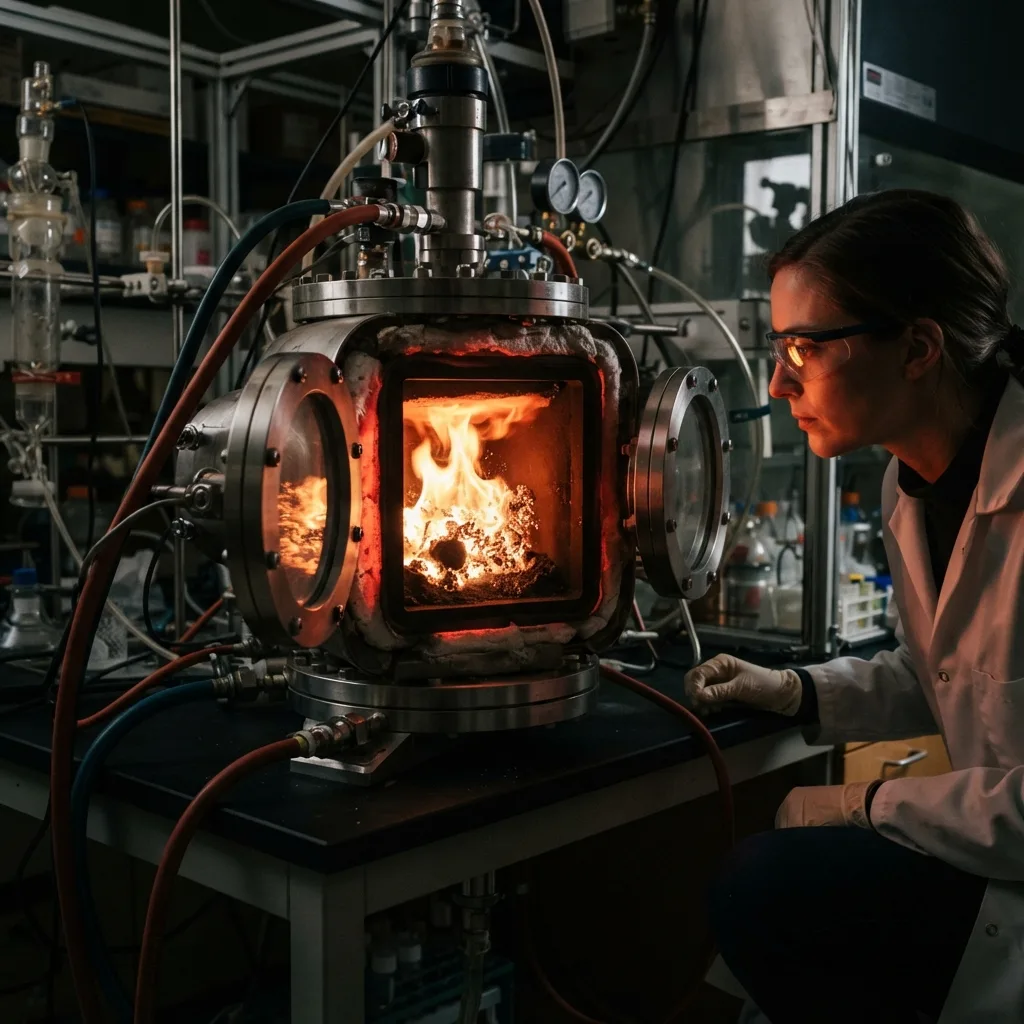
Before solid materials burn, heat breaks chemical bonds in a process called pyrolysis. Wood off-gasses flammable vapors around 200°C long before ignition manifests.

Pyrolysis: Thermal Decomposition Before Burning

Environmental Pressure and Atmospheric Influence

Fire adapts to ambient conditions.

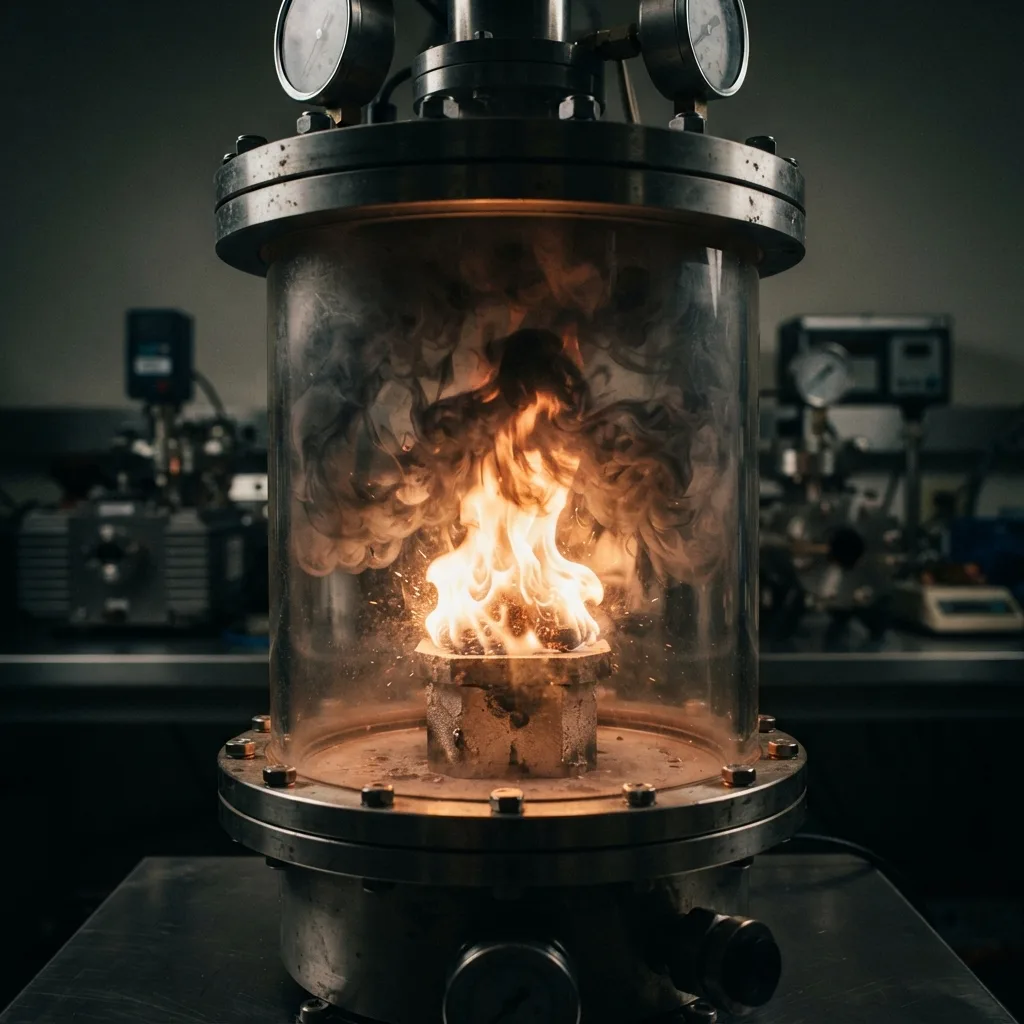
At high altitudes with lower partial oxygen pressure, fires burn faintly. Conversely, hyperbaric oxygen environments intensify combustion exponentially.

Environmental Pressure and Atmospheric Influence

Flammability Limits

The explosive concentration zone.

Every gas possesses a Lower and Upper Explosive Limit (LEL/UEL) in air. Below LEL, the mixture is too lean; above UEL, it is too rich. Within the boundary, ignition produces violent explosion.

Flammability Limits

The flame conceals invisible subatomic chain reactions.

5

Advanced Physics

2,500 meters

Physical laws governing energy release, explosive phenomena, and extreme regimes.

The Fire Tetrahedron

Evolution of the classic triad.

Modern combustion engineering adds a fourth pillar: uninhibited chemical chain reactions. Removing any face of the tetrahedron halts combustion.

The Fire Tetrahedron

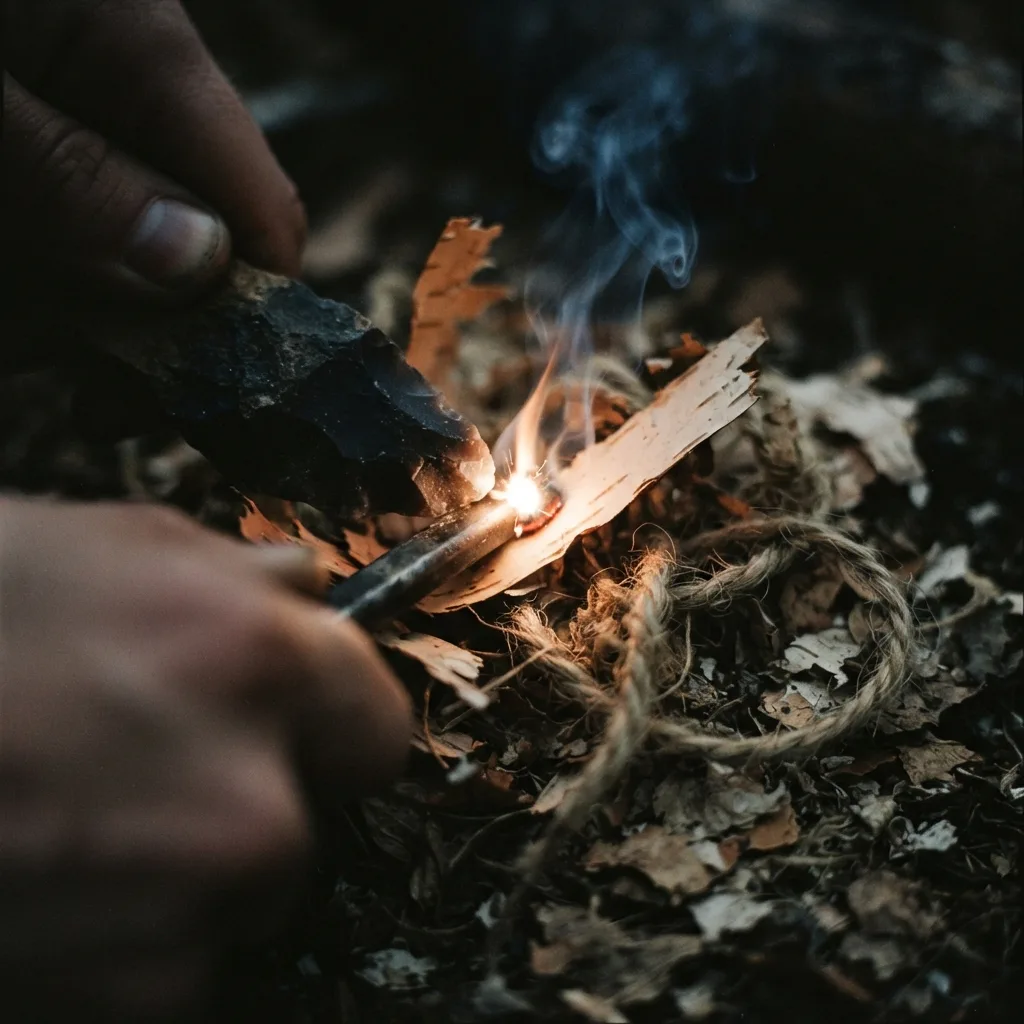
Minimum Activation Energy

The critical spark.
Every fuel-air mixture requires a threshold activation energy to initiate combustion. Below this threshold, combustible fuel remains inert despite ambient oxygen presence.
Minimum Activation Energy

Explosive Enclosure Phenomena (Flashover and Backdraft)

Sudden thermal eruptions.

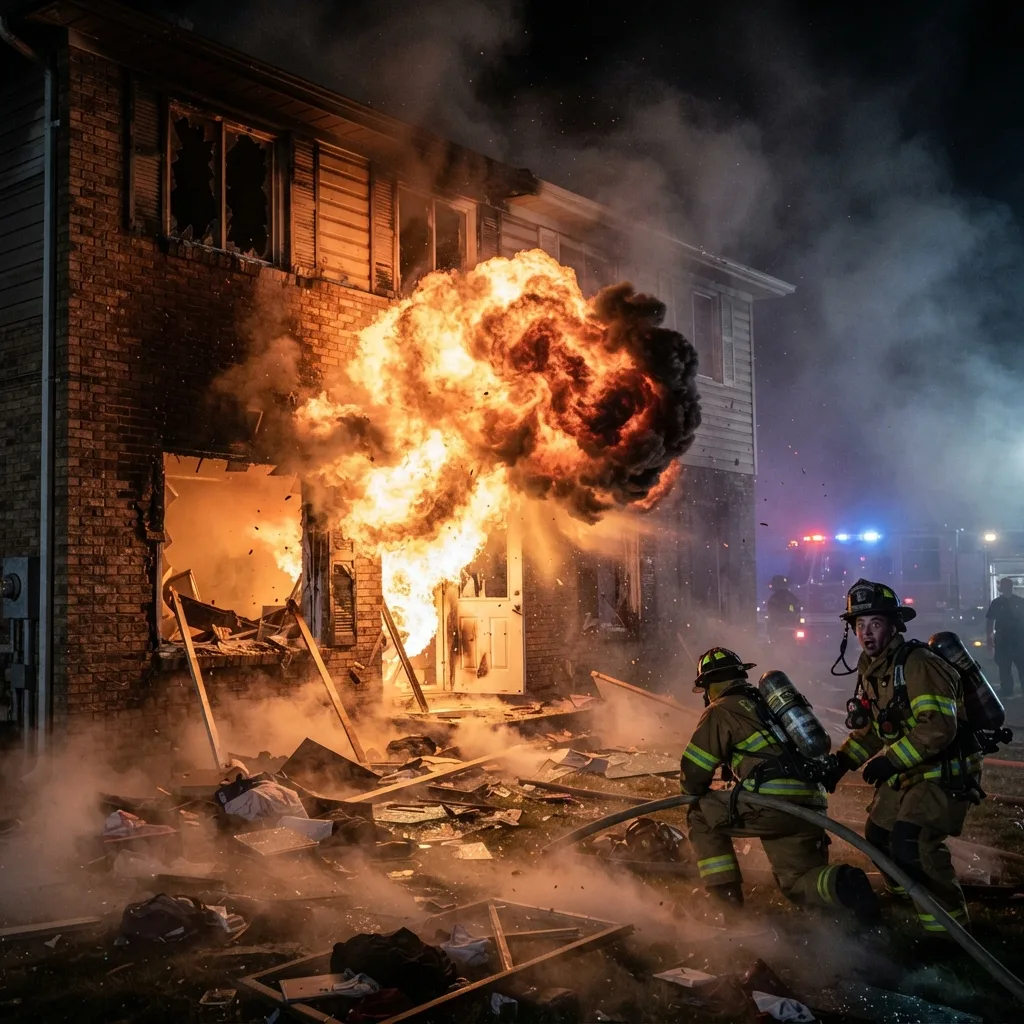
Flashover strikes when ambient thermal radiation ignites all exposed combustibles in a room simultaneously. Backdraft occurs when oxygen suddenly feeds superheated unburned pyrolysis gases.

"Fire can obliterate an enclosure before you realize you are trapped."

Explosive Enclosure Phenomena (Flashover and Backdraft)

Complete vs. Incomplete Combustion

The difference between life and death.

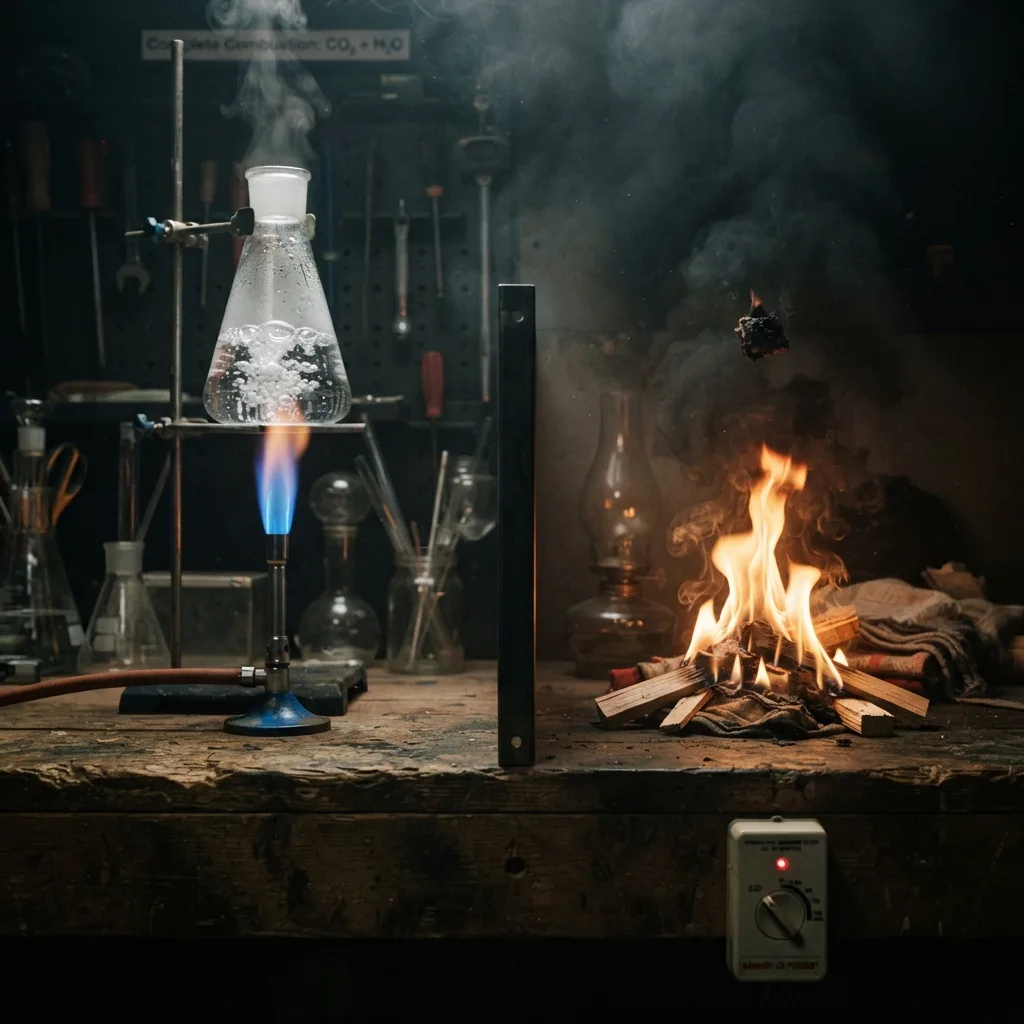
Stoichiometric complete combustion produces benign CO₂ and H₂O. Incomplete combustion yields deadly, odorless carbon monoxide and carcinogenic soot particulate.

Complete vs. Incomplete Combustion

Oxygen-Free Combustion in Fluorine Atmospheres

Alien fire chemistry.

In elemental fluorine or chlorine environments, metals and organics combust violently without any oxygen present, demonstrating that fire is not uniquely oxygen-dependent.

Oxygen-Free Combustion in Fluorine Atmospheres

Fire obeys hidden thermodynamic equations.

6

Flame Properties

4,000 meters

The intrinsic nature of flames: spectra, incandescences, plasmas, and cold flames.

Flame Color Driven by Element Emission Lines

Chemical signatures etched in light.

Sodium emissions peak at 589nm (yellow), copper yields emerald green, and strontium emits crimson. Pyrotechnics exploit atomic emission lines to craft vivid colors.

Flame Color Driven by Element Emission Lines

Incandescence and Excitonic Light Generation

Light birthed from extreme heat.

Luminous yellow flames stem from blackbody radiation emitted by incandescencing soot nanoparticles, alongside photon emission from electronically excited molecular radical species.

Incandescence and Excitonic Light Generation

Plasma: Fire as the Fourth State of Matter

Beyond liquid, solid, and gas.

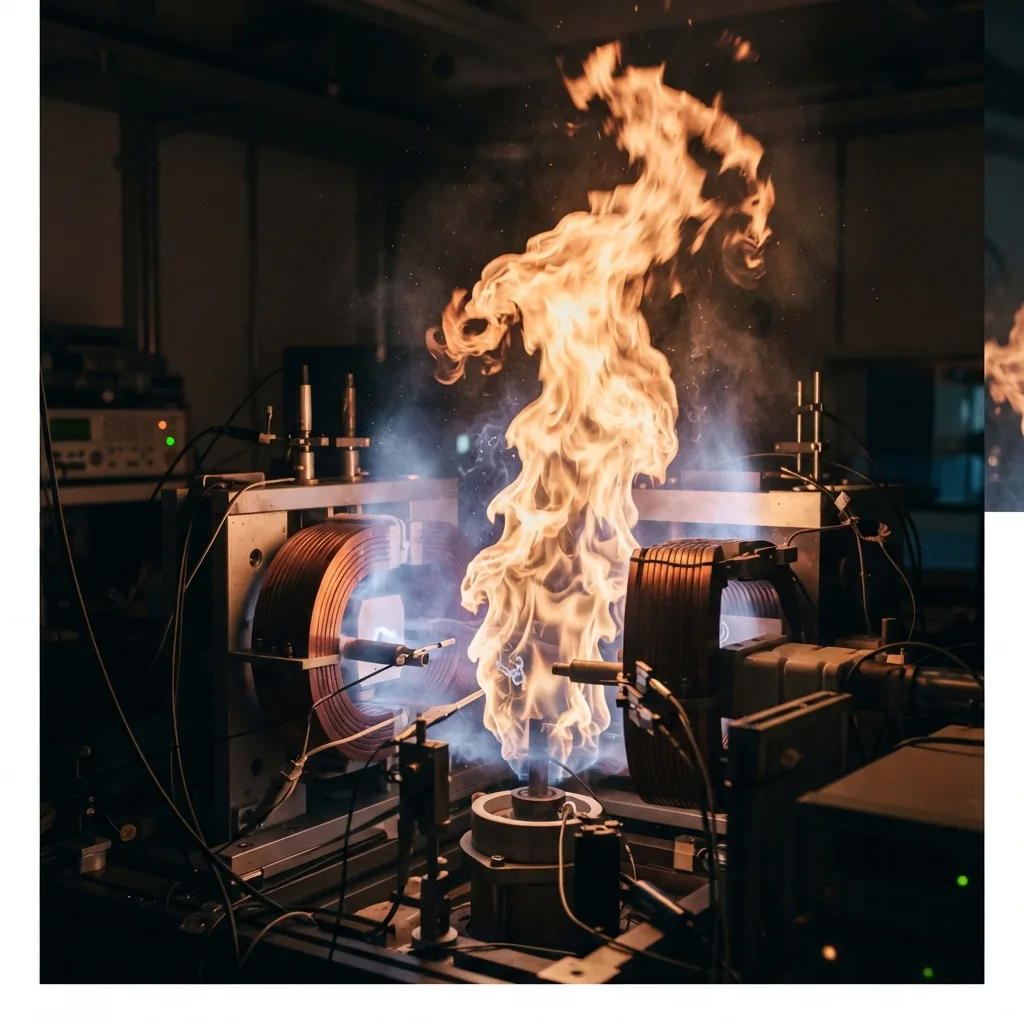
High-temperature flame cores undergo partial thermal ionization, creating a conductive soup of free electrons and positive ions that responds to electromagnetic fields.

"Fire is not merely gas; it is partially ionized matter."

Plasma: Fire as the Fourth State of Matter

Cold Flames and Cool Chemical Reactions

Luminescence deceiving the senses.

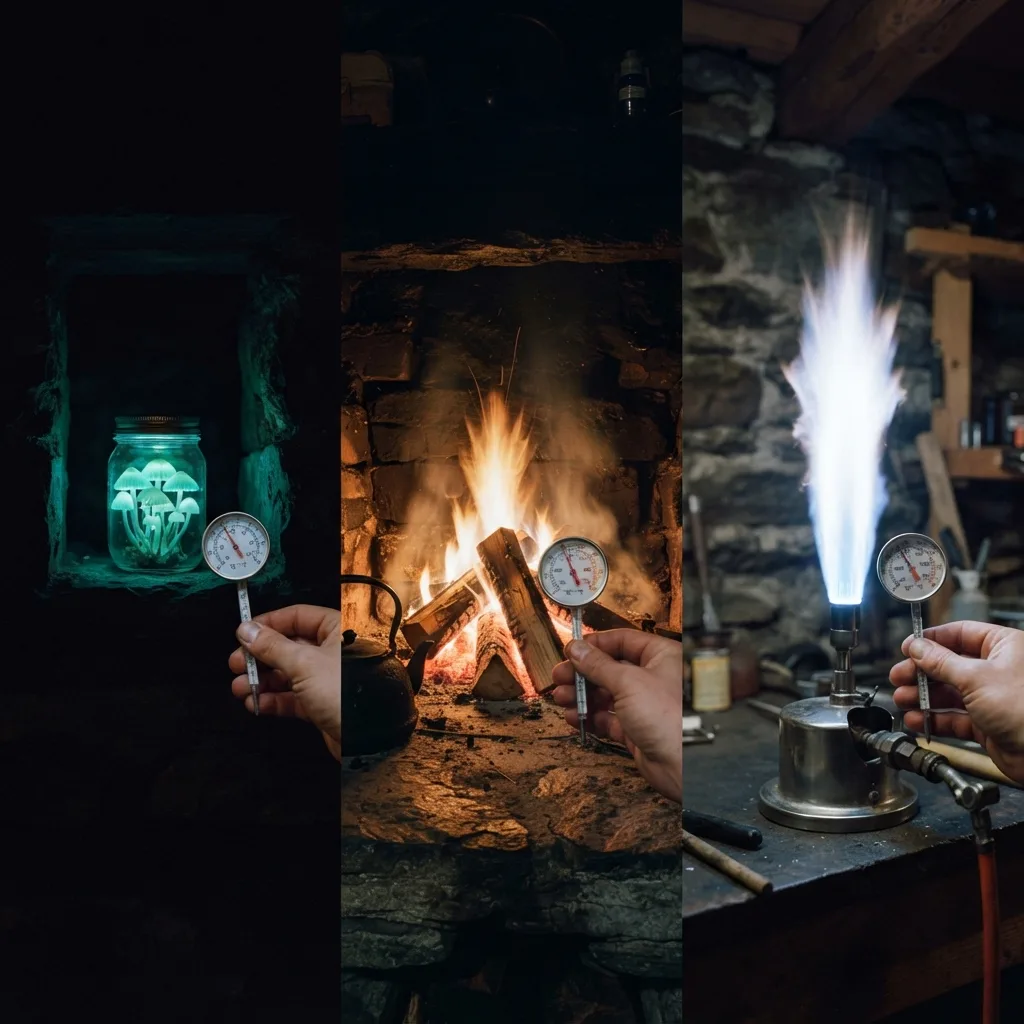
Cool flames occur during low-temperature oxidation of certain hydrocarbons around 200°C, emitting pale blue chemiluminescence without generating intense thermal heat.

Cold Flames and Cool Chemical Reactions

The Water Extinction Paradox

Extinguishing medium turns explosive accelerant.

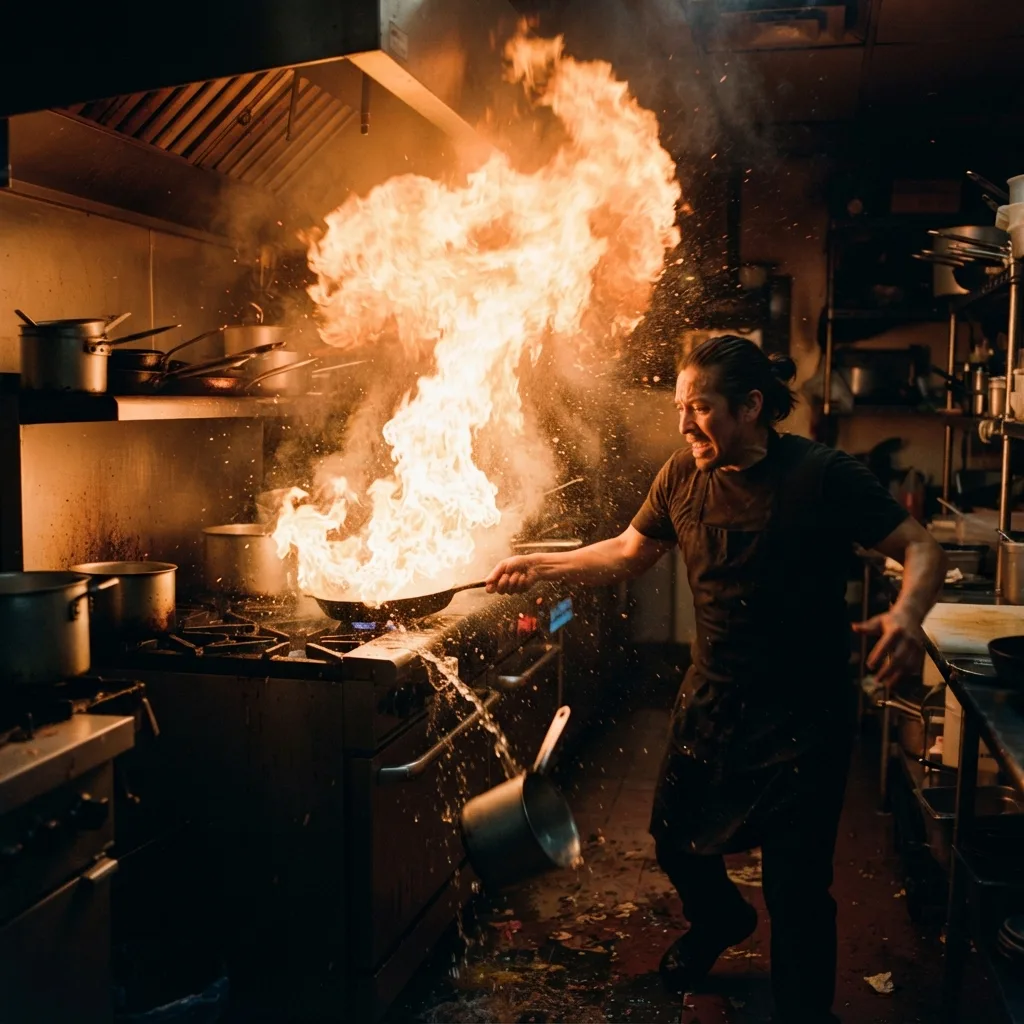
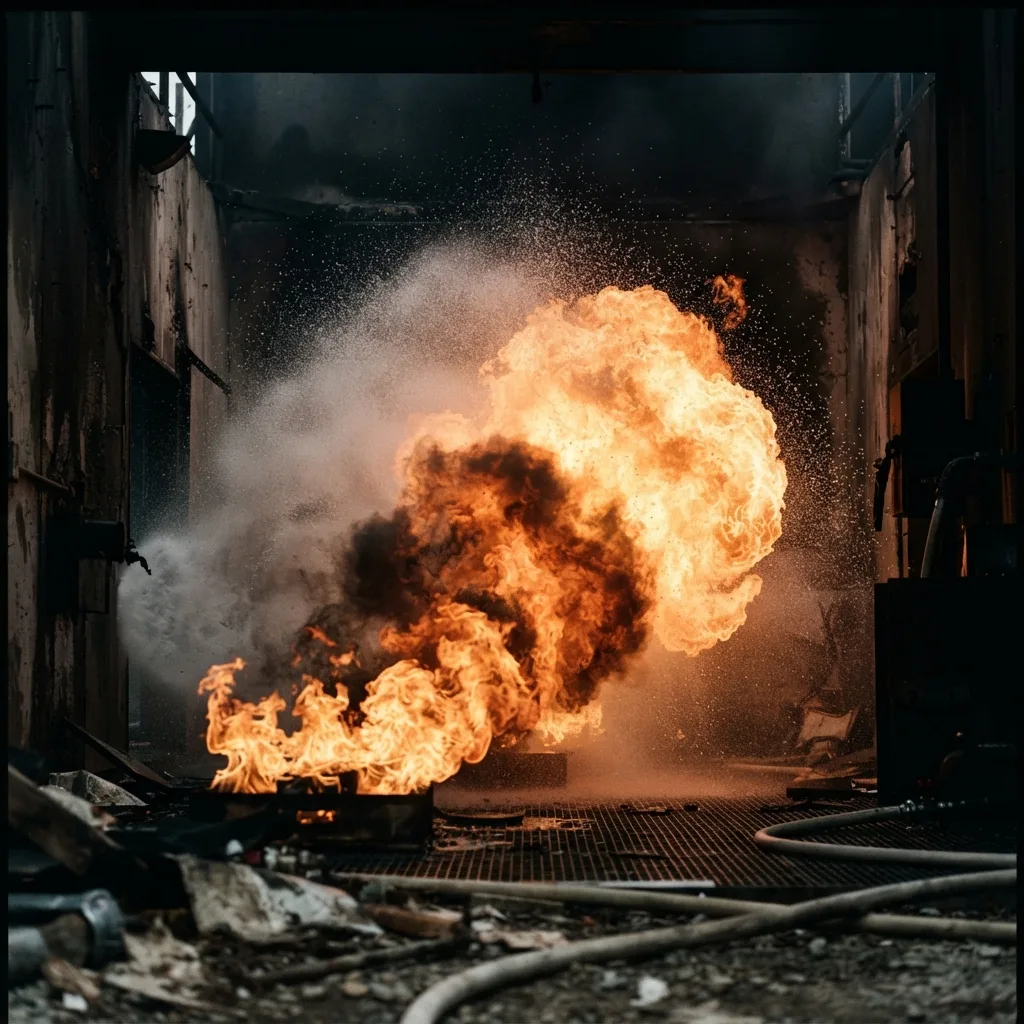
While water quenches wood fires via thermal absorption, applying water to burning cooking oil or molten metal causes explosive flashing steam expansion, spraying burning fuel everywhere.

The Water Extinction Paradox

The flame is far more complex than human sight perceives.

7

Fire and Humanity

6,000 meters

Fire as the evolutionary catalyst of human civilization, myths, and culture.

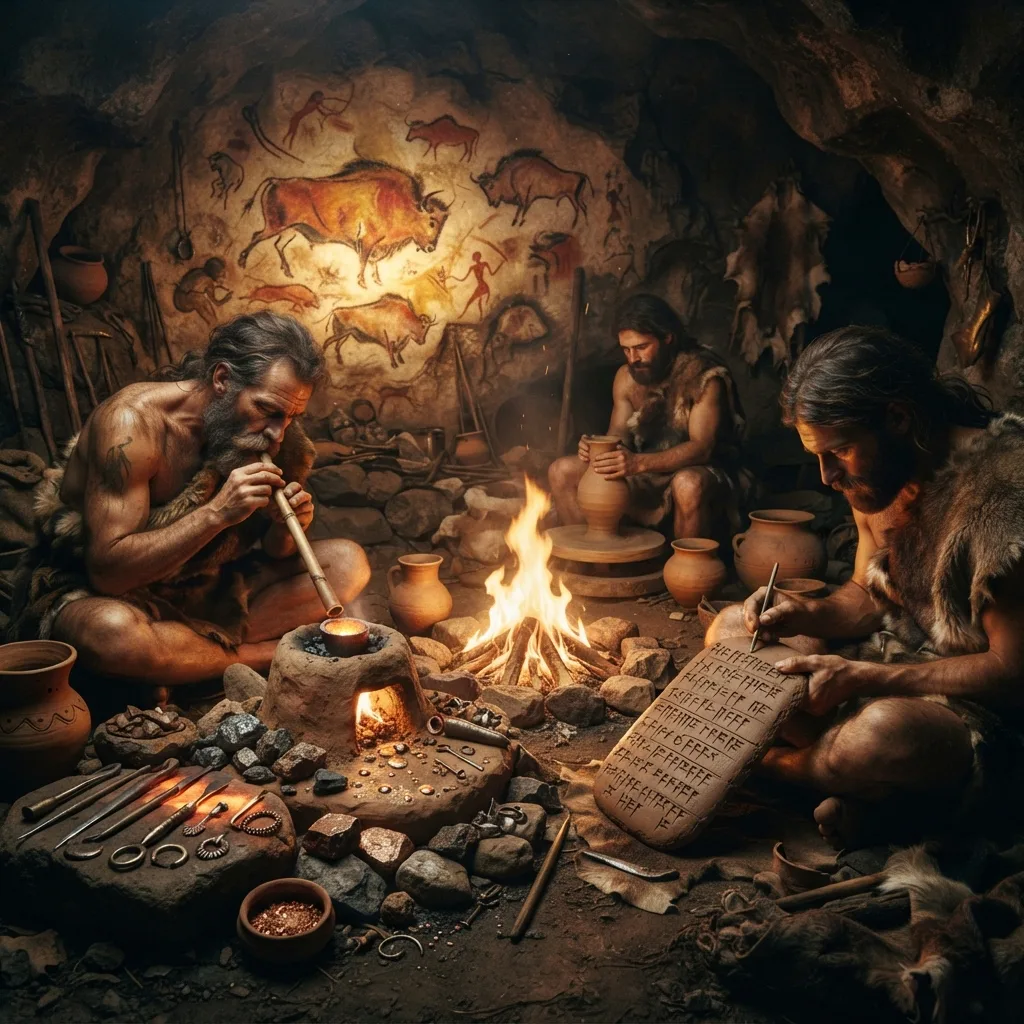
Evolutionary Impact of Pyrotechnology

The spark of human intelligence.

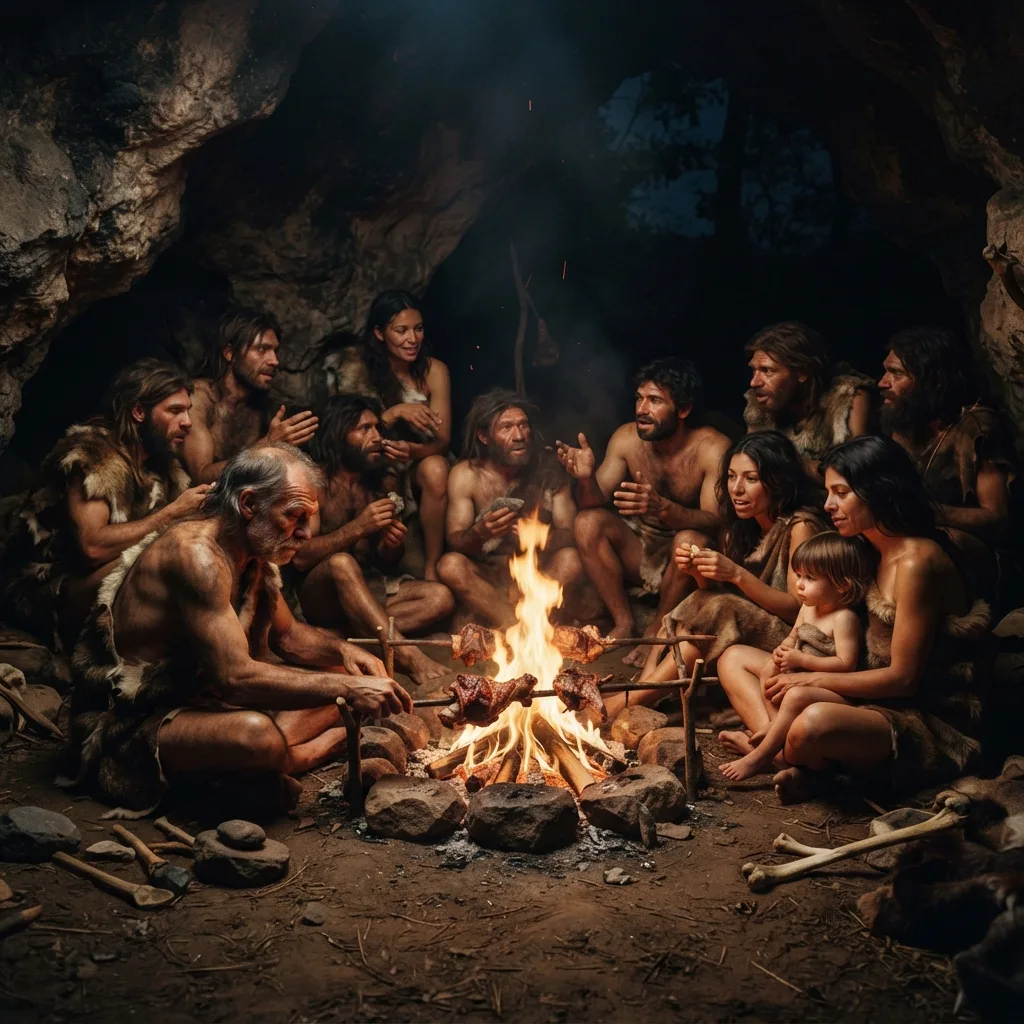
Thermal cooking tenderized proteins, reducing digestive energy expenditure and fueling hominid encephalization. Hearth fires provided nocturnal protection and spurred communal language.

Evolutionary Impact of Pyrotechnology

Pyrotechnology Driving Civilizational Breakthroughs

From hearths to industrial smelting.

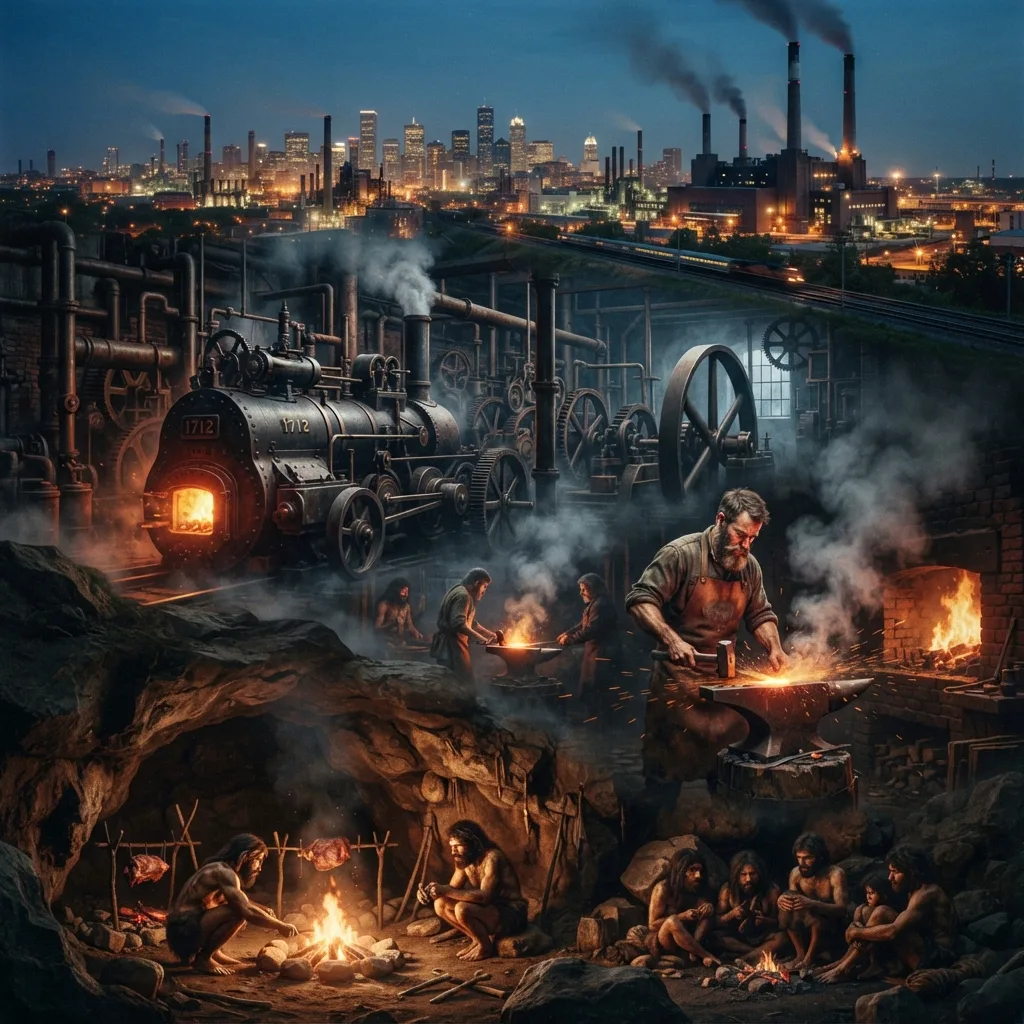
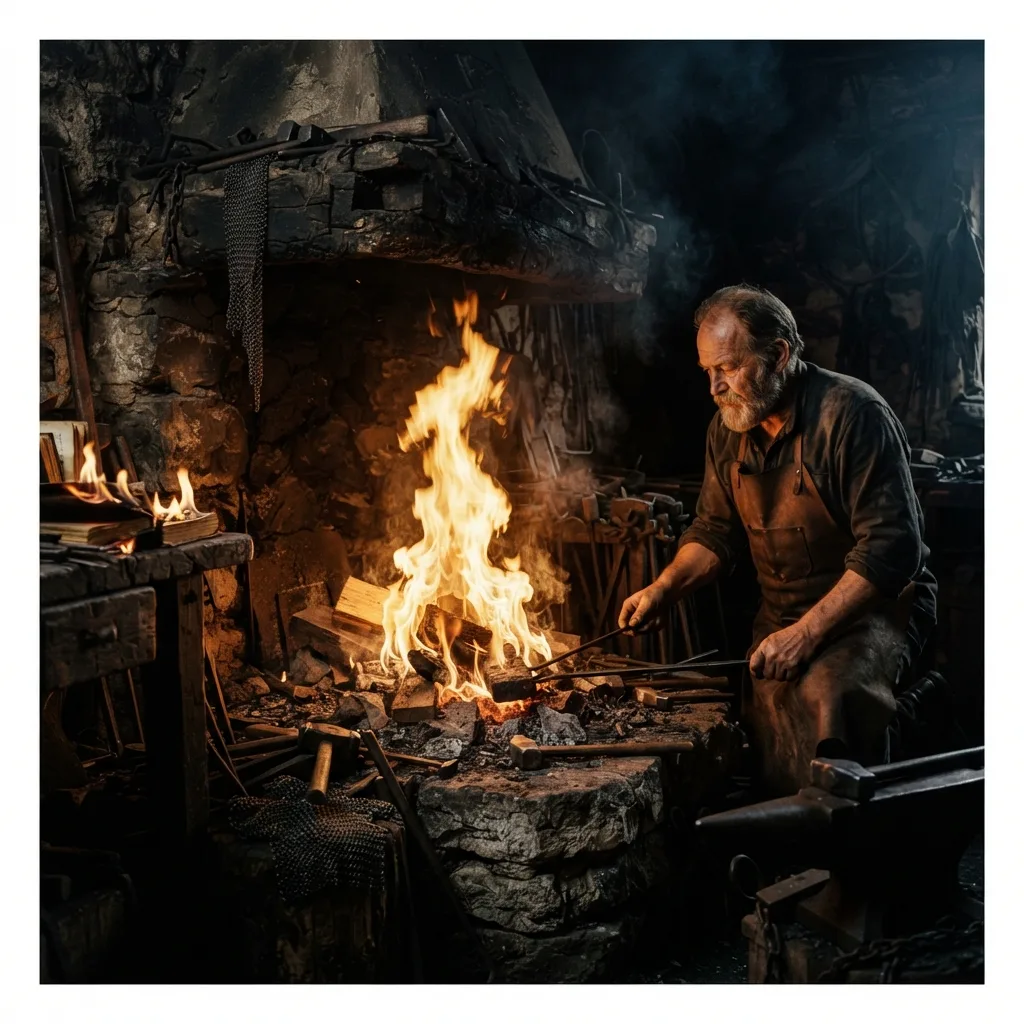
Controlled combustion enabled pottery kilns, copper and iron metallurgy, steam turbines, and fossil-fueled power grids. Civilizational progression is measured in thermal power output.

Pyrotechnology Driving Civilizational Breakthroughs

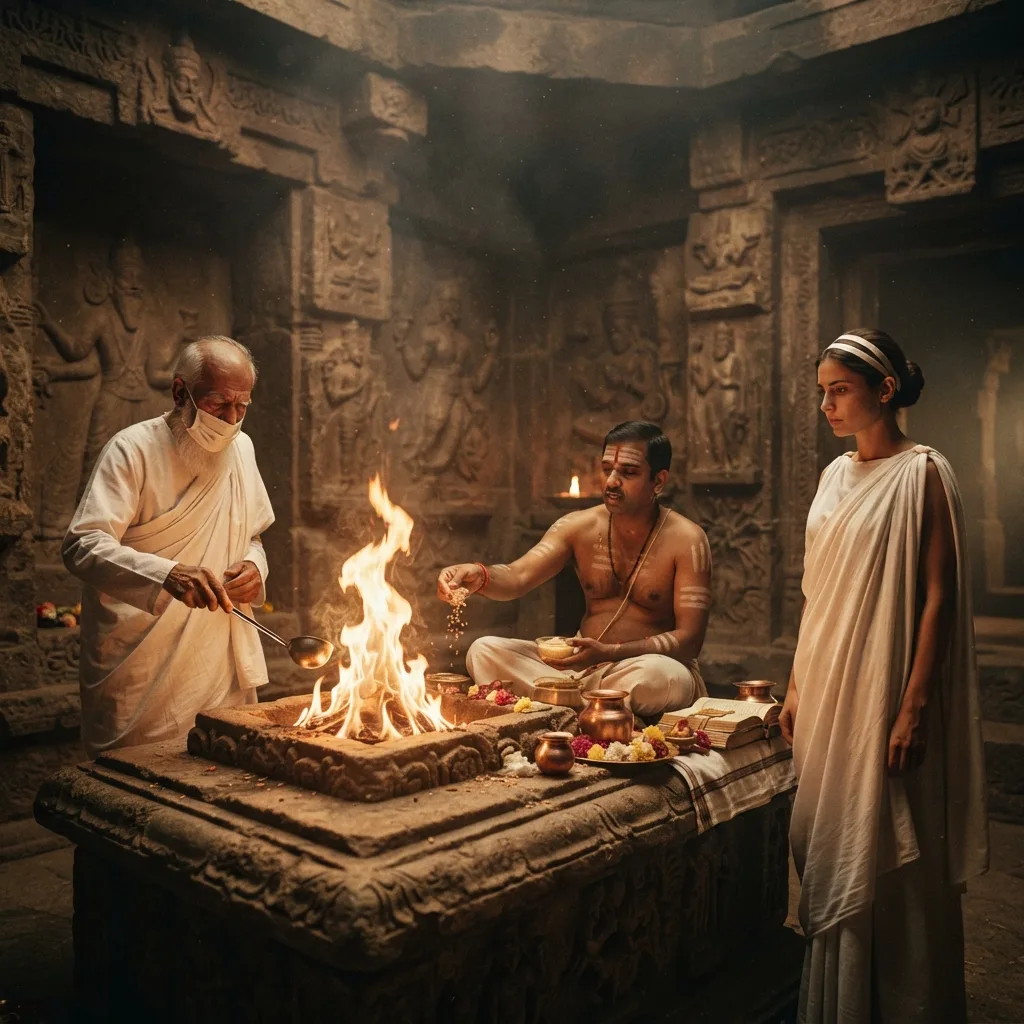
Ancient Sacred Fire Worship

Deities of the eternal flame.

Zoroastrians venerated eternal fire altars, Romans guarded the sacred flame of Vesta, and Vedic traditions performed Yajna rituals. Fire represented divine purity and cosmic order.

Ancient Sacred Fire Worship

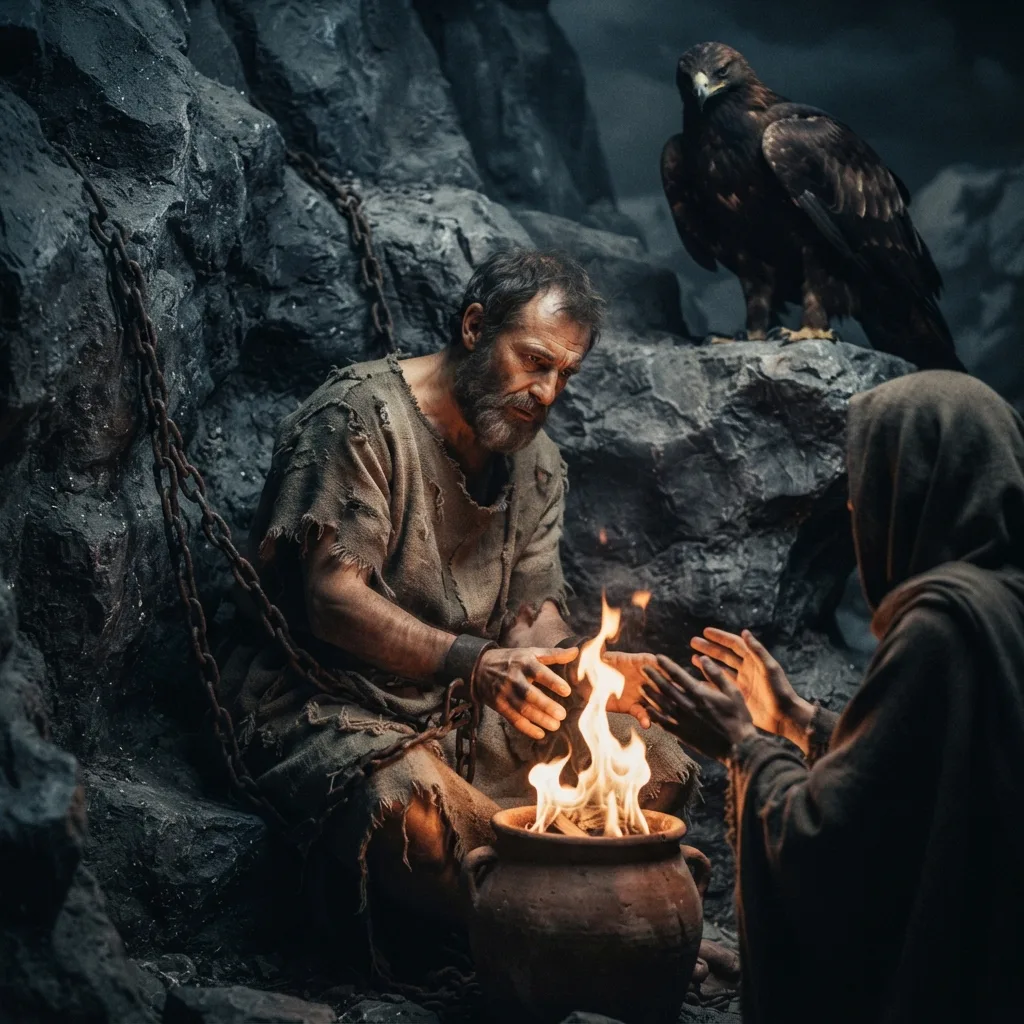
The Myth of Prometheus

Theft of divine light.

Prometheus defied Zeus to bring fire to mankind, earning eternal torture tied to a mountain. The myth symbolizes the irreversible burden and empowerment of technical knowledge.

"I stole fire from the gods and bestowed it upon mortals."

The Myth of Prometheus

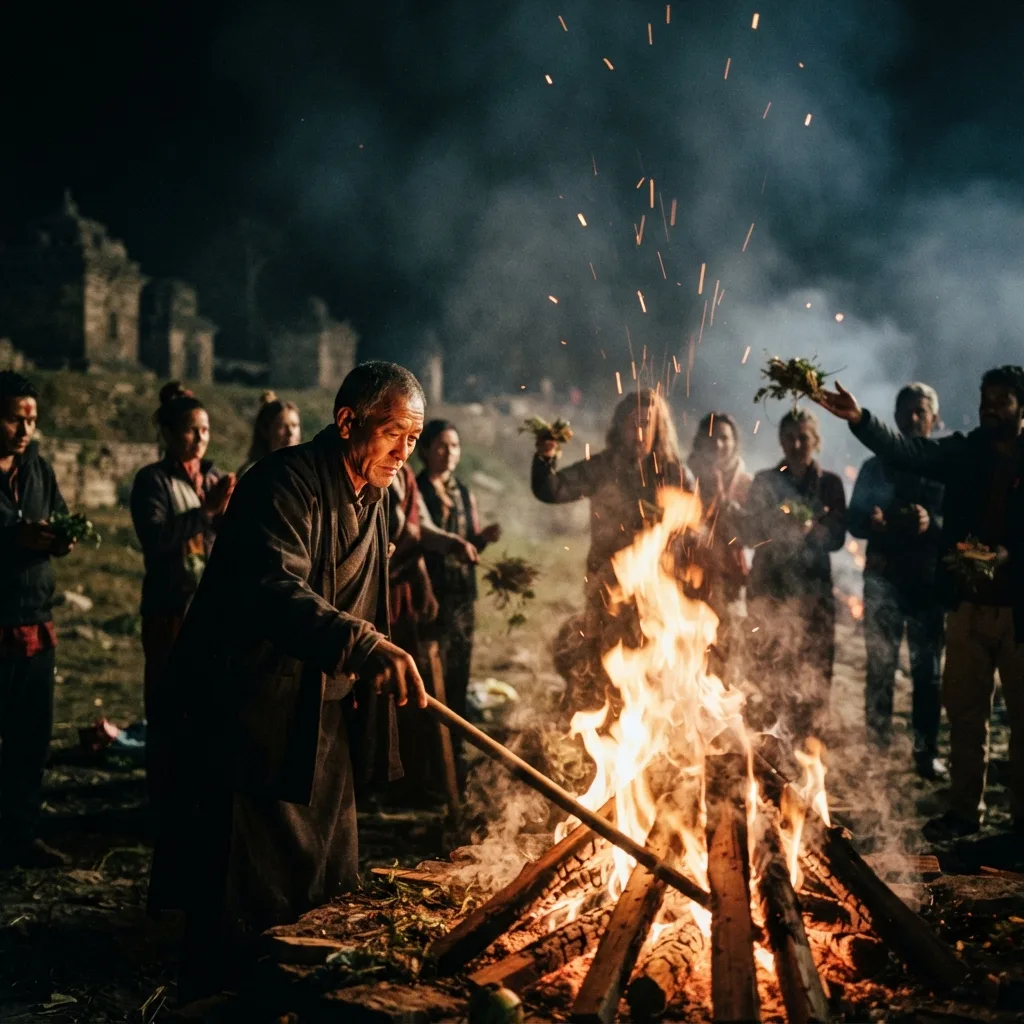
Ritual Pyres of Renewal and Purification

The cleansing flame.

From Midsummer solstice bonfires to Hindu funeral pyres on the Ganges, fire serves as a universal ritual medium for spiritual catharsis, cremation, and rebirth.

Ritual Pyres of Renewal and Purification

Fire forged humanity; unmastered, it can erase us.

8

Extreme Phenomena

8,000 meters

Fire whirls, self-sustaining firestorms, and deep underground coal blazes.

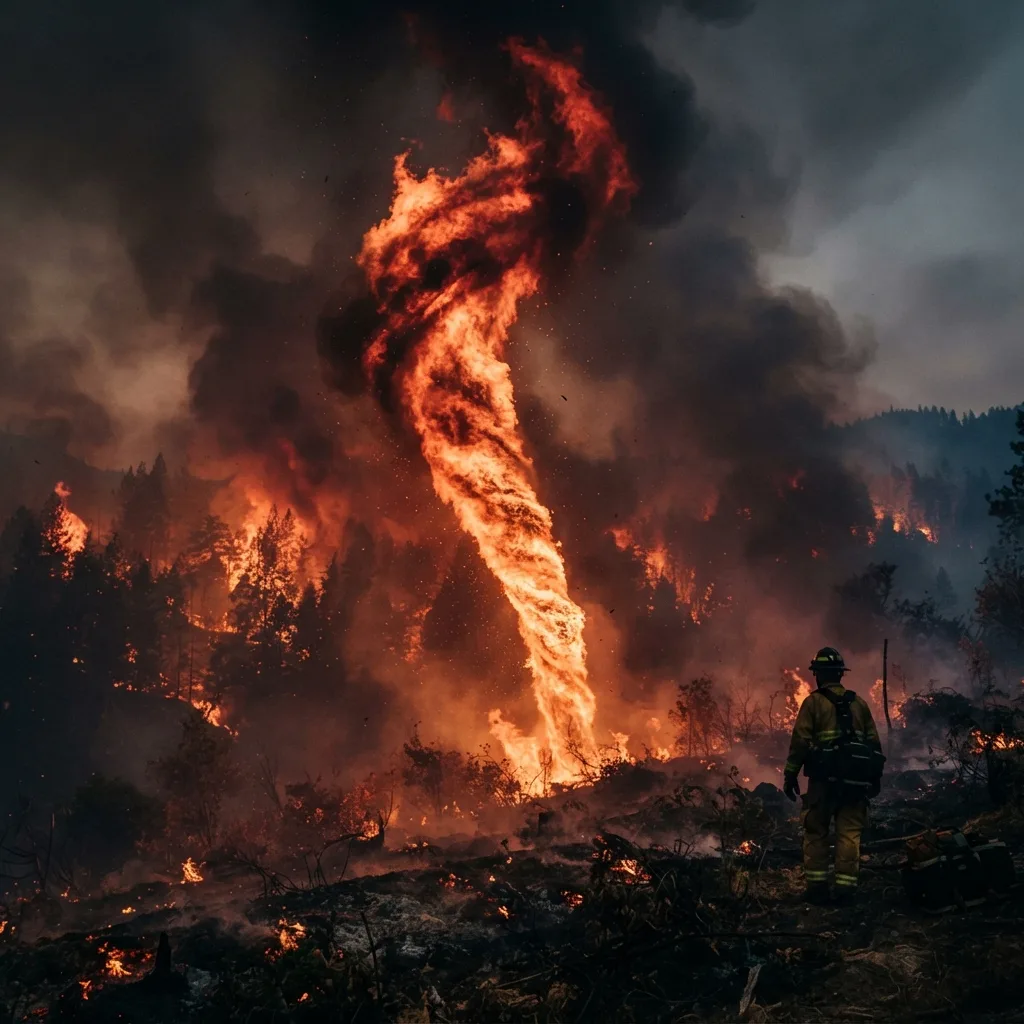
Fire Whirlwinds and Tornaodic Vortices

Swirling columns of flame.

Intense wildfires generate extreme convective updrafts that interact with crosswinds, forming rotating fire whirls with core temperatures exceeding 1,000°C and gale-force wind speeds.

Fire Whirlwinds and Tornaodic Vortices

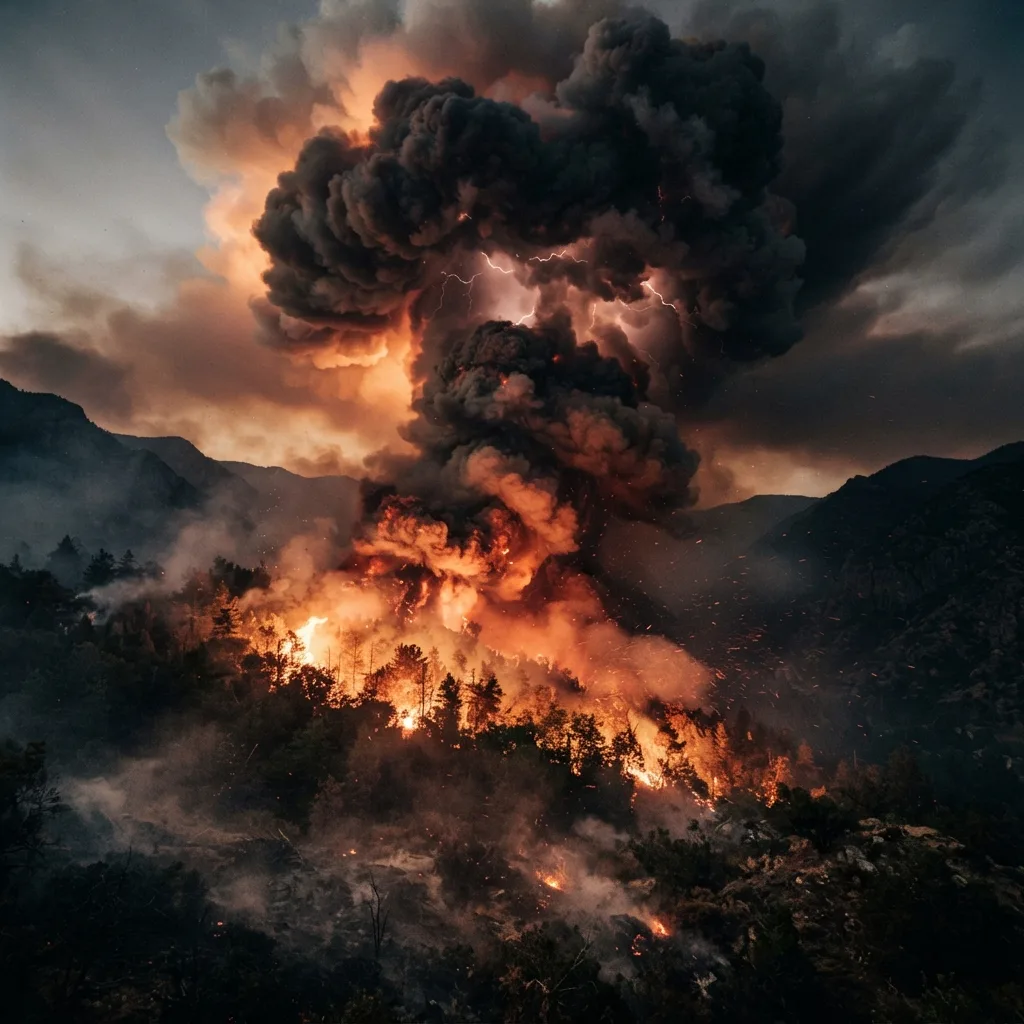
Self-Sustaining Firestorms and Microclimates

Wildfire altering regional weather.

Massive conflagrations generate pyrocumulonimbus clouds, dry lightning, and hurricane-force fire winds. The firestorm constructs its own weather system to feed its expansion.

Self-Sustaining Firestorms and Microclimates

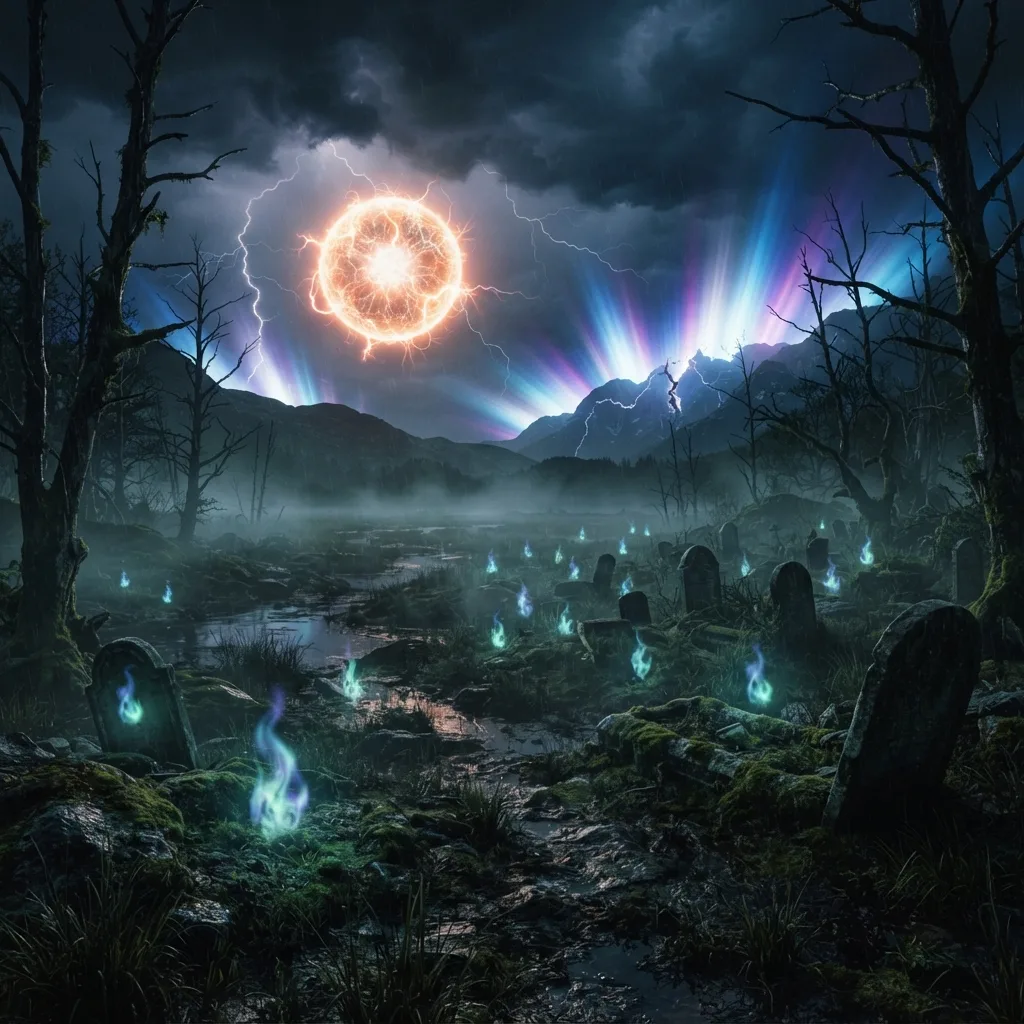
Will-o'-the-Wisps, Ball Lightning, and Earthquake Lights

Eerie luminous phenomena.

Spontaneous marsh gas ignition (phosphine/methane) produces Will-o'-the-wisps, while ball lightning and piezoelectric earthquake lights manifest rare transient atmospheric luminous phenomena.

"Lights glowing in places they should not exist."

Will-o'-the-Wisps, Ball Lightning, and Earthquake Lights

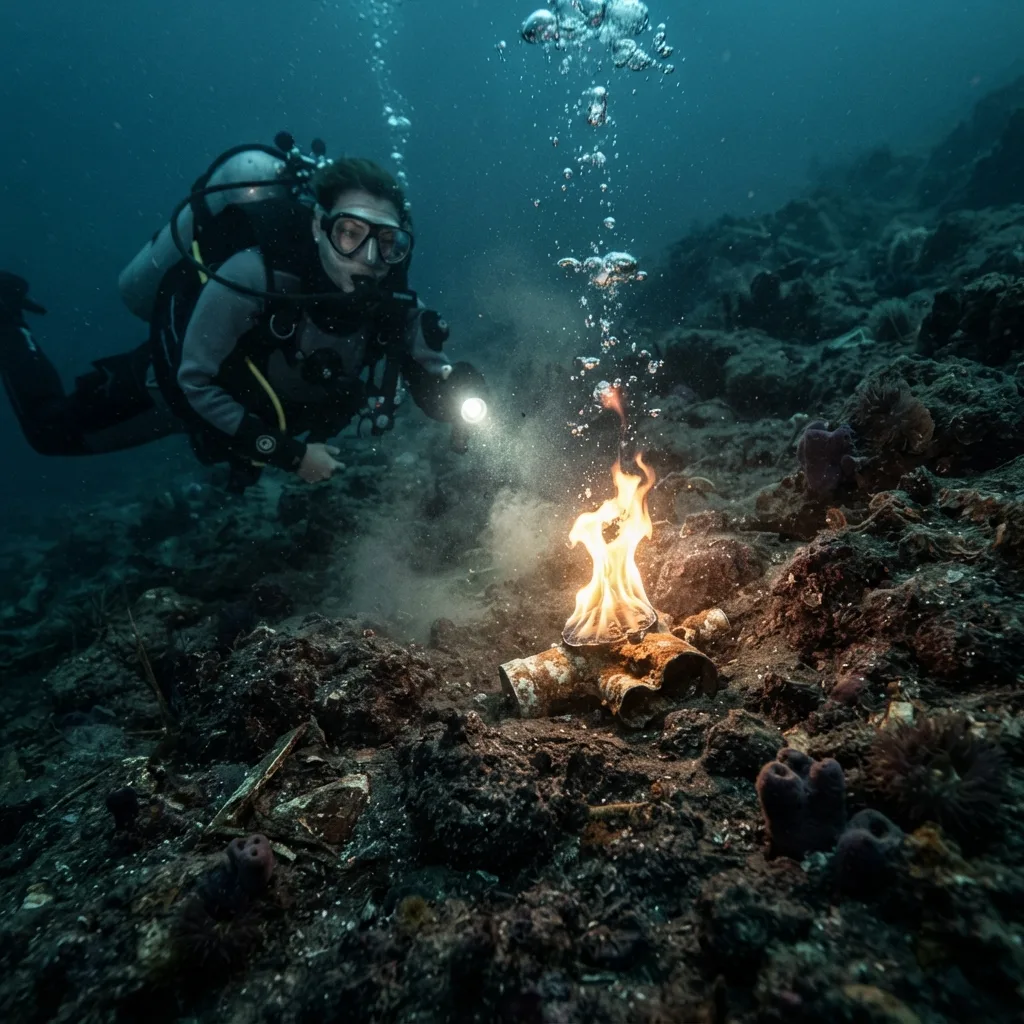
Underwater Combustion Regimes

The impossible underwater flame.

Submerged thermite torches and white phosphorus burn beneath water by utilizing self-contained solid oxidizers. Water cannot quench chemical reactions that supply internal oxygen.

Underwater Combustion Regimes

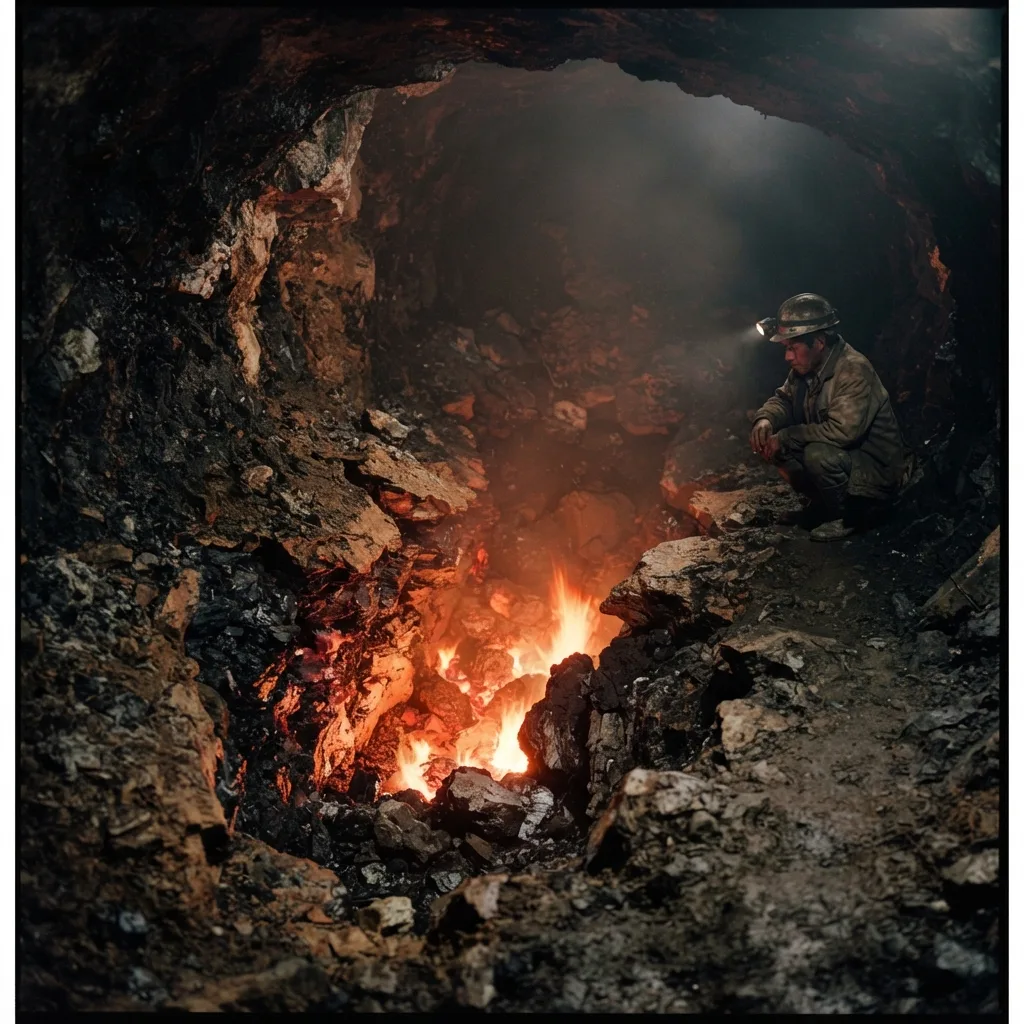
Subterranean Coal Seam Fires

Eternal flames burning beneath your feet.

Subterranean coal seam fires burn smoldering underground for centuries. Australia's Burning Mountain has burned continuously for 6,000 years, consuming coal deposits unexposed to air.

Subterranean Coal Seam Fires

Fire bends localized meteorology to its will.

9

Extreme Conditions

10,000 meters

Microgravity combustion, spontaneous human combustion myths, thermal DNA degradation.

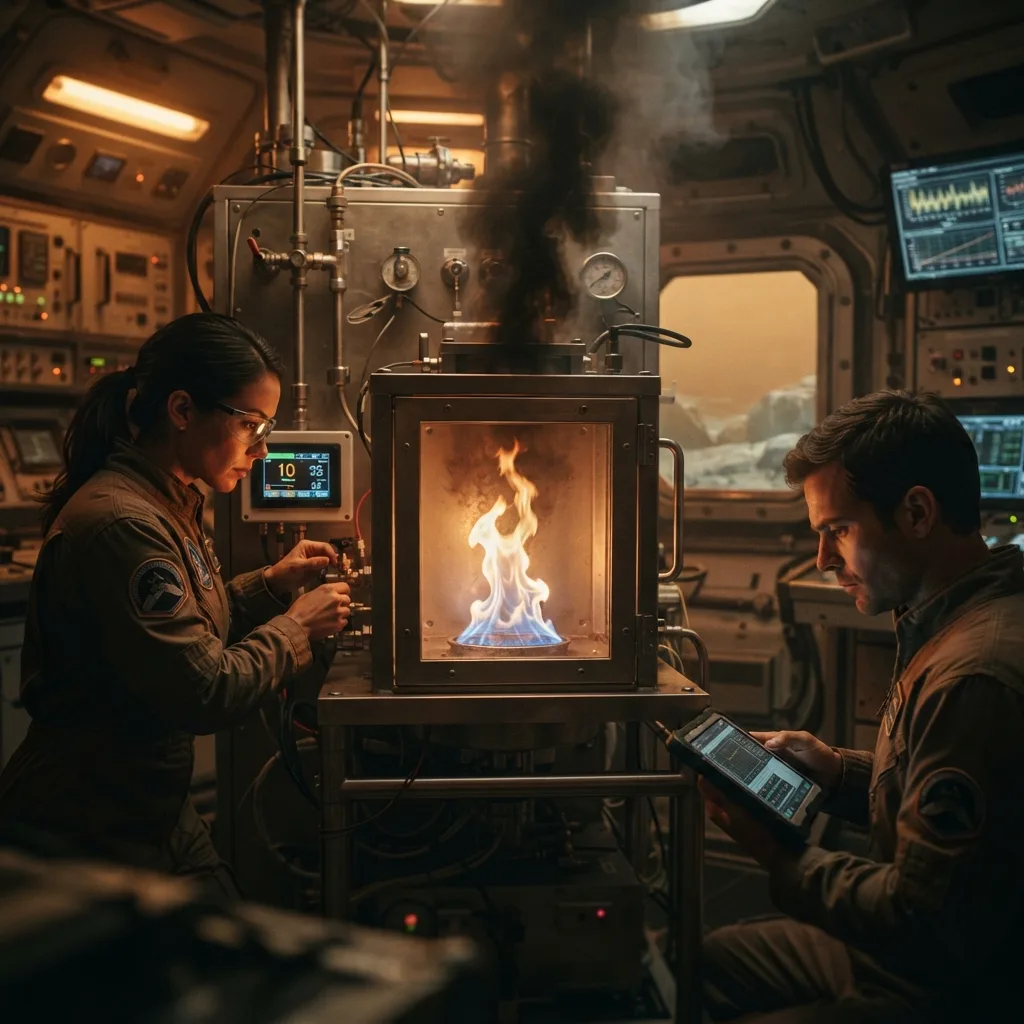
Microgravity Spherical Flames

Fire inside orbital spacecraft.

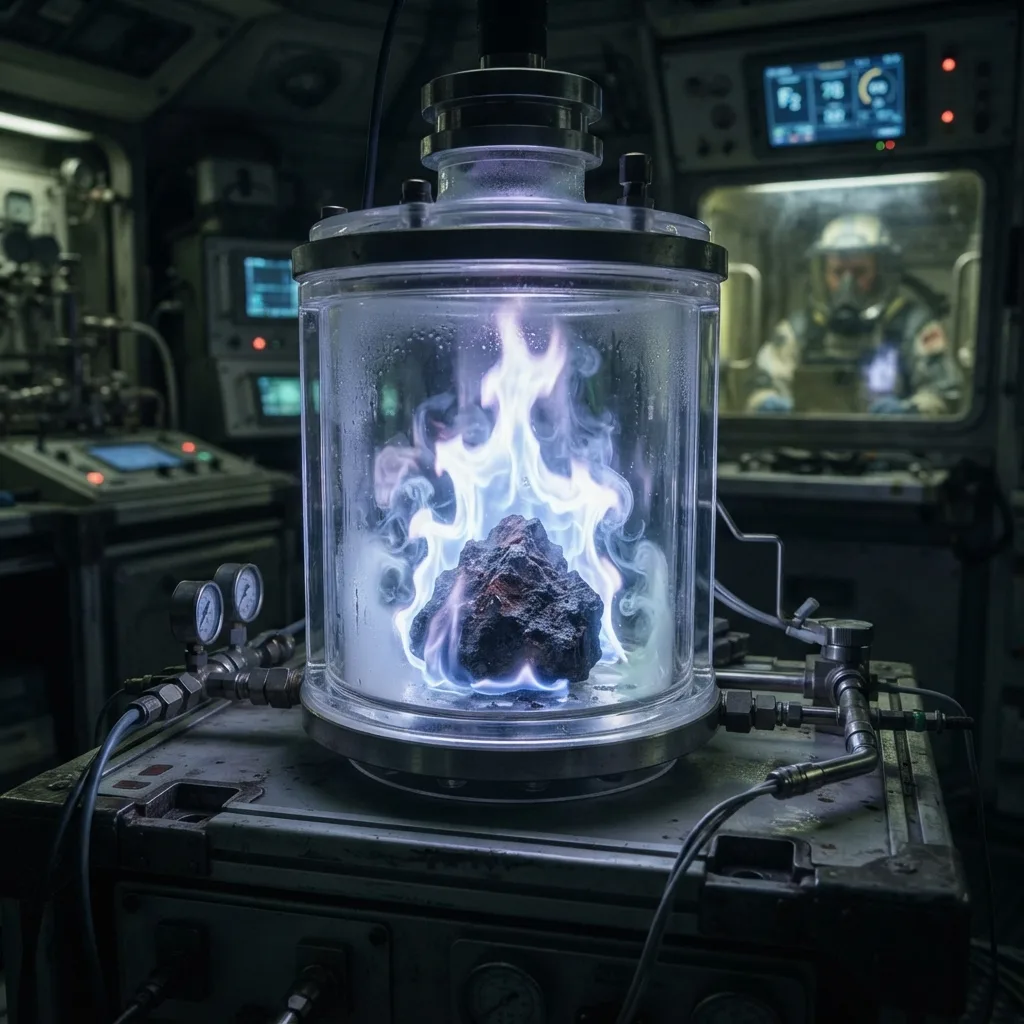
In microgravity aboard space stations, buoyancy-driven convection vanishes. Flames form perfect soot-free blue spheres supported purely by slow molecular oxygen diffusion.

Microgravity Spherical Flames

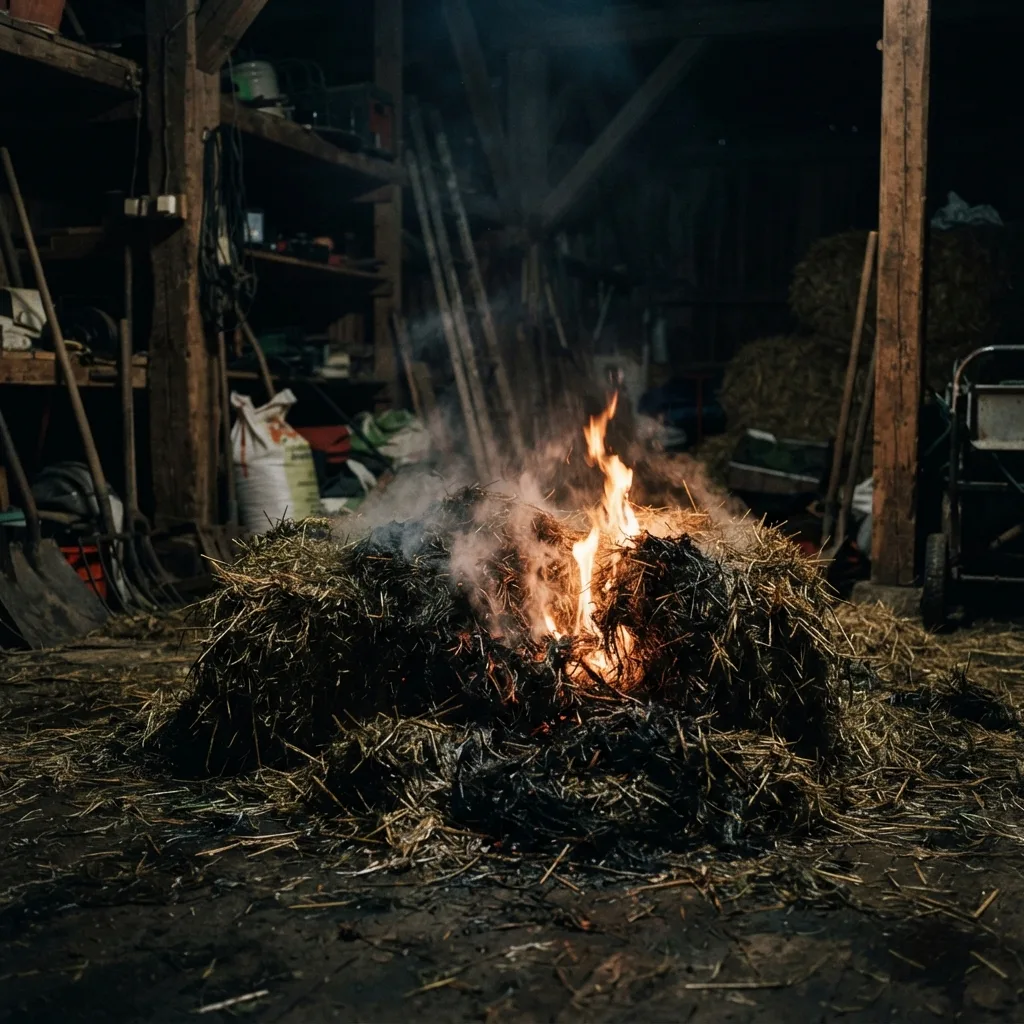
Spontaneous Chemical Auto-Ignition

Ignition without an external flame source.

Oily rags, damp haystacks, and reactive organometallics undergo exothermic oxidation. Heat accumulation inside insulated bulk piles triggers auto-ignition without spark input.

Spontaneous Chemical Auto-Ignition

Thermal DNA Strand Breakage and Mutagenesis

The genetic cost of intense heat.

Extreme infrared radiation and thermal stress induce double-strand DNA breaks and cellular mutations in living tissue, posing long-term oncogenic risks to burn survivors.

Thermal DNA Strand Breakage and Mutagenesis

Black Carbon (Soot) Driving Climate Forcing

The invisible atmospheric warmer.

Black carbon particles emitted by biomass burning absorb incoming solar radiation and deposit on polar ice sheets, accelerating snowpack melt as the second largest climate forcing agent.

Black Carbon (Soot) Driving Climate Forcing

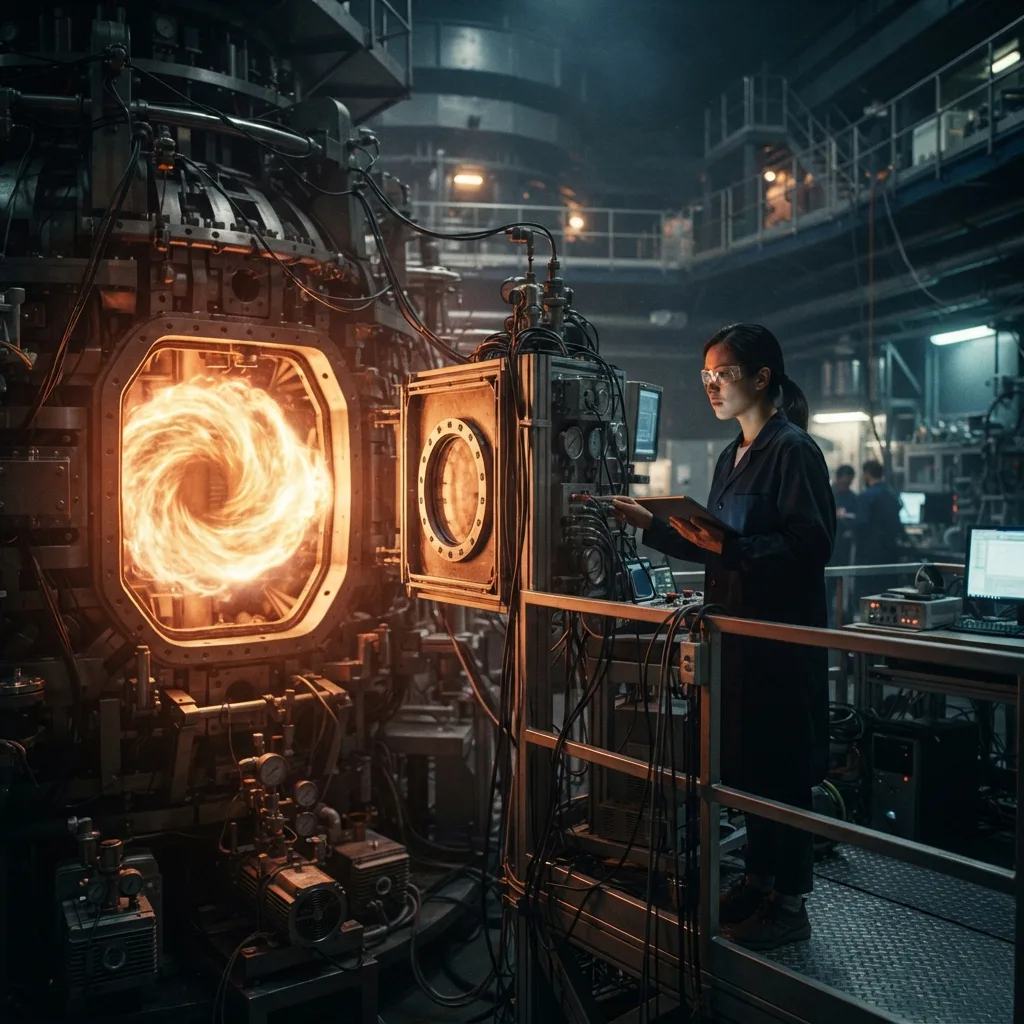
Advanced Fusion and Hydrogen Energy Research

Taming stellar fire on Earth.

Magnetic confinement fusion (tokamaks) attempts to replicate core solar plasma fusion, while green hydrogen combustion yields zero carbon emissions, producing only pure water vapor.

Advanced Fusion and Hydrogen Energy Research

Thermodynamic rules alter when gravity and scale change.

10

Detection and Hidden Fields

12,000 meters

Seismic tremors, infrared thermography, and ionized magnetic fields produced by fire.

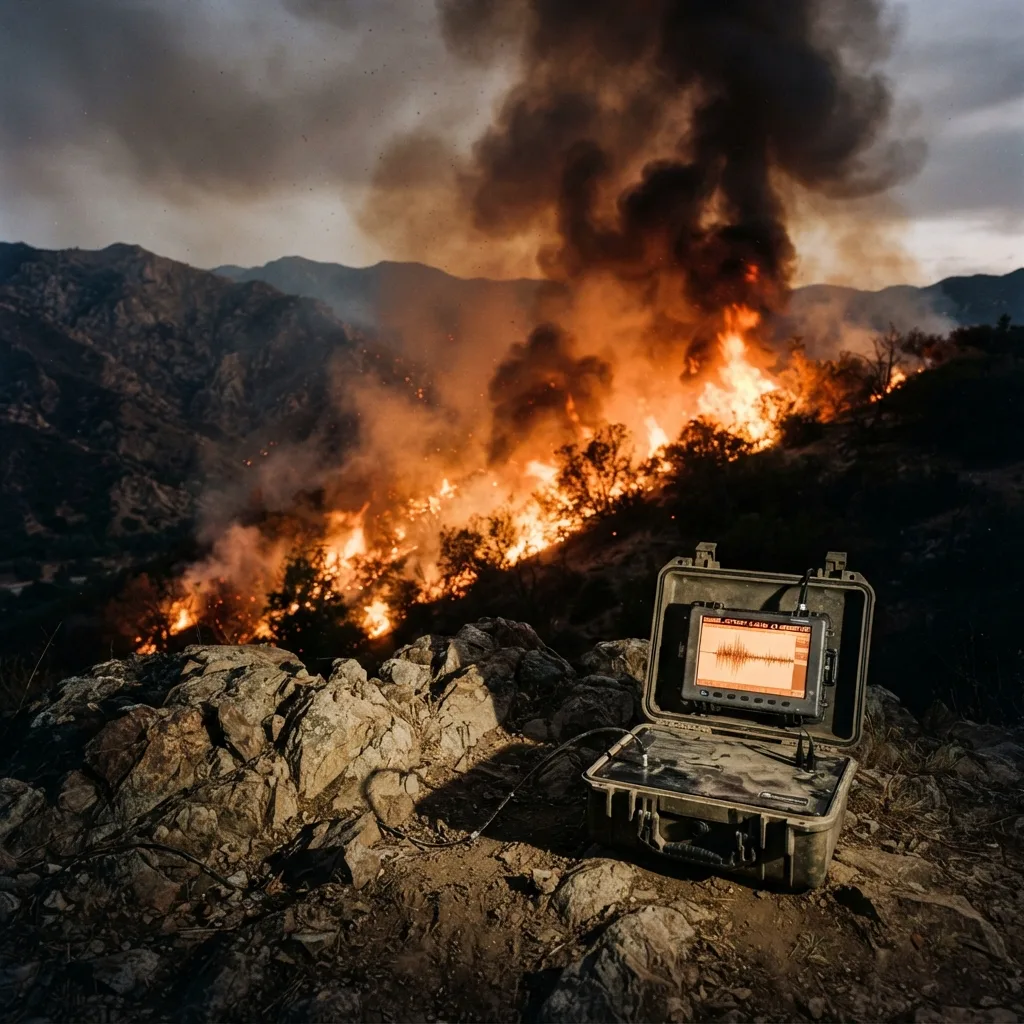
Seismic Detection of Conflagrations

Tremors produced by intense combustion.

Catastrophic industrial blazes generate ground-coupled infrasound and micro-seismic tremors detectable by sensitive geological arrays miles away from the fire perimeter.

Seismic Detection of Conflagrations

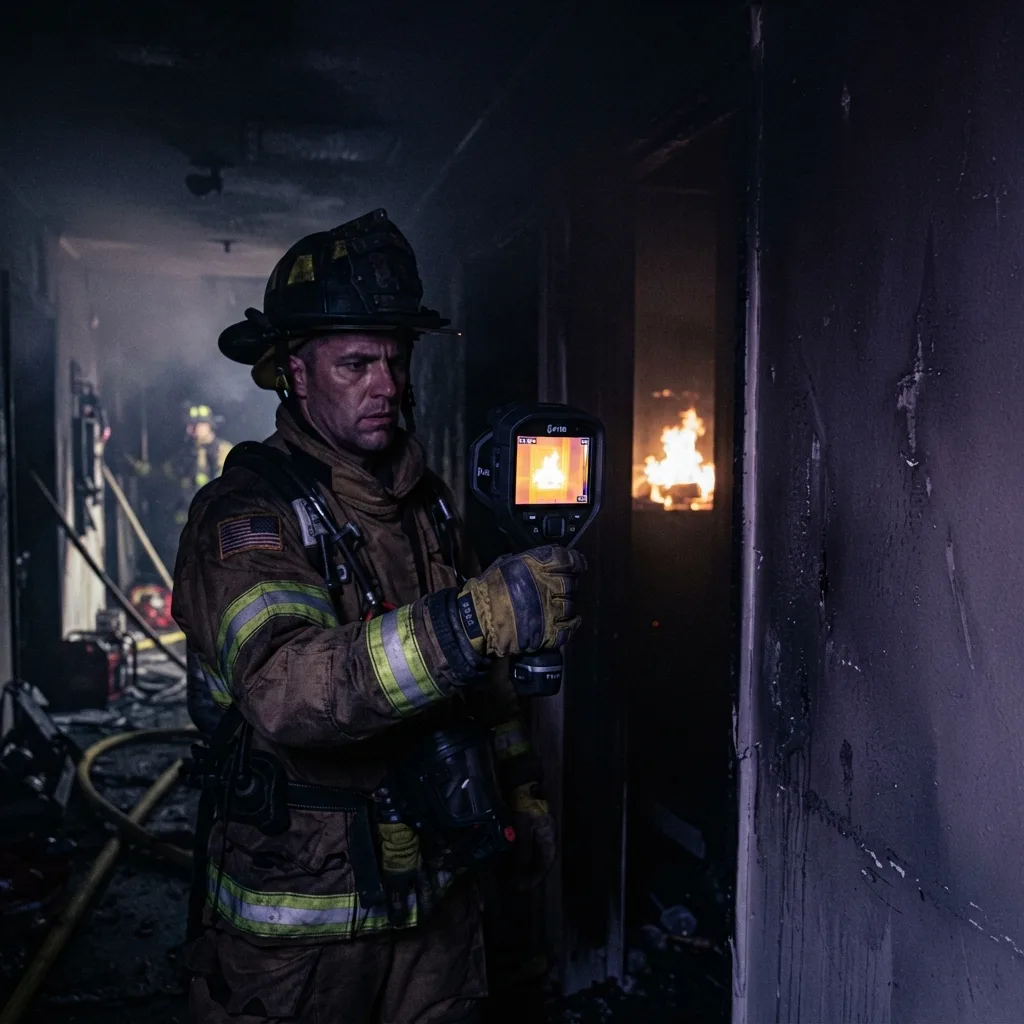
Infrared Thermography and Subsurface Imaging

Seeing through smoke and solid barriers.

Forward-looking infrared (FLIR) sensors detect long-wave thermal radiation, exposing hidden hot spots inside structural walls and tracking wildfire perimeters through heavy smoke.

Infrared Thermography and Subsurface Imaging

Electromagnetic Emission Across Infrared and UV

Invisible light emitted by burning gas.

Hydrocarbon combustion emits distinct UV resonance lines (OH radicals) and intense IR bands. Dual-spectrum optical flame detectors identify fires milliseconds after ignition.

Electromagnetic Emission Across Infrared and UV

Magnetohydrodynamic (MHD) Field Generation

Interacting with electrical flame currents.

Ionized flame gases interact with external magnetic fields, allowing direct conversion of thermal kinetic energy into electrical current via magnetohydrodynamic power generation.

Magnetohydrodynamic (MHD) Field Generation

Solid-State Oxidizers and Anaerobic Propellents

Combustion independent of ambient air.

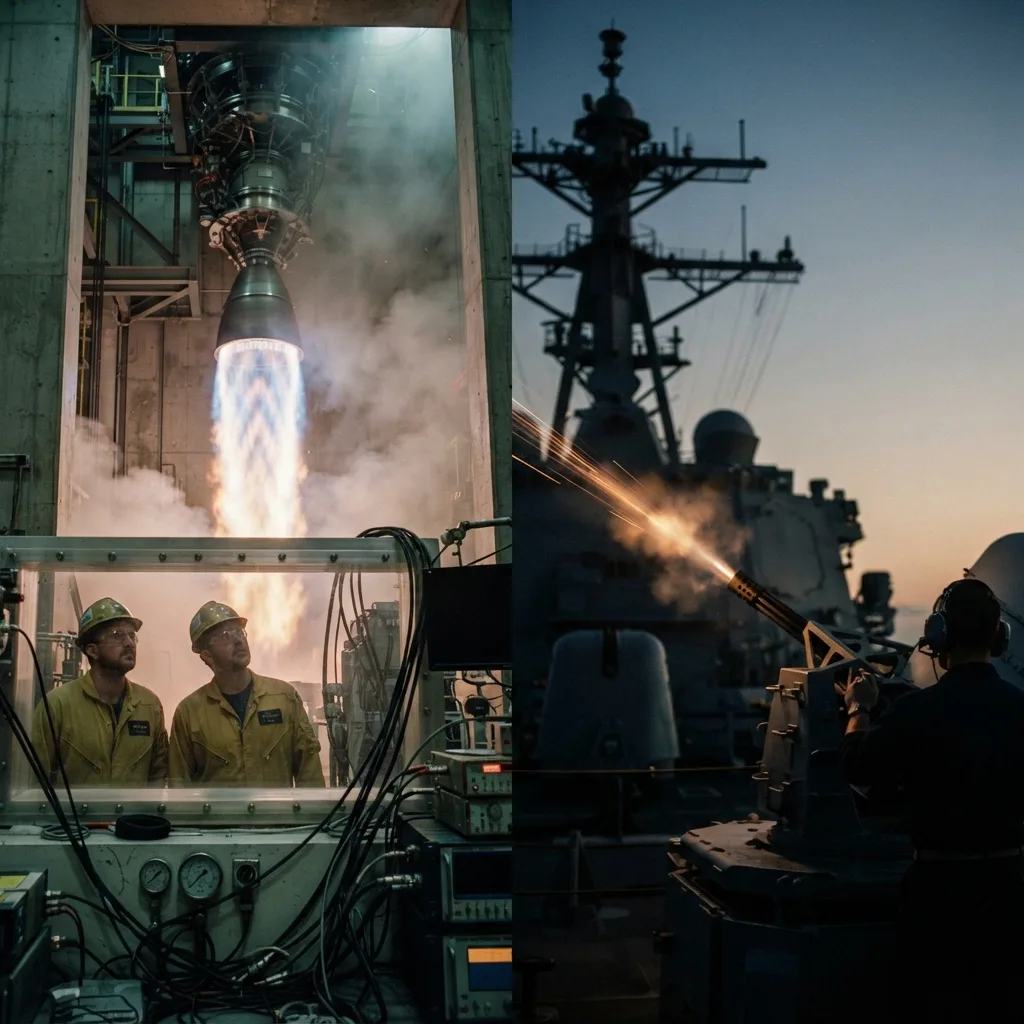
Pyrotechnic compositions and solid rocket propellants utilize embedded inorganic oxidizers (perchlorates, nitramines), enabling explosive burning in oxygen-free vacuum environments.

"Fire supplies its own oxygen in vacuum voids."

Solid-State Oxidizers and Anaerobic Propellents

Fire radiates signals through invisible spectra.

11

Technology and Applied Engineering

15,000 meters

AI-driven wildfire modeling, metallurgical history, prescribed ecological burning.

AI and Satellite Wildfire Earth Observation

Deep learning against conflagrations.

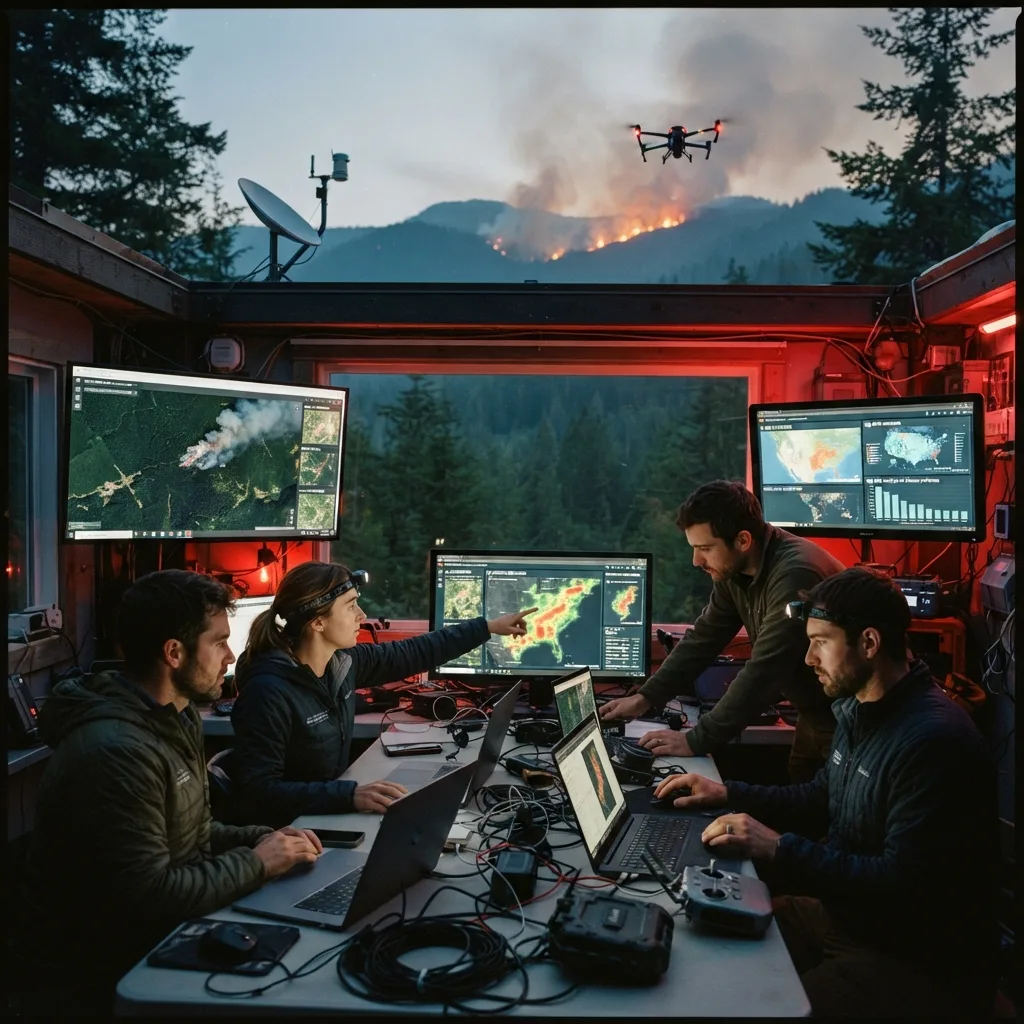
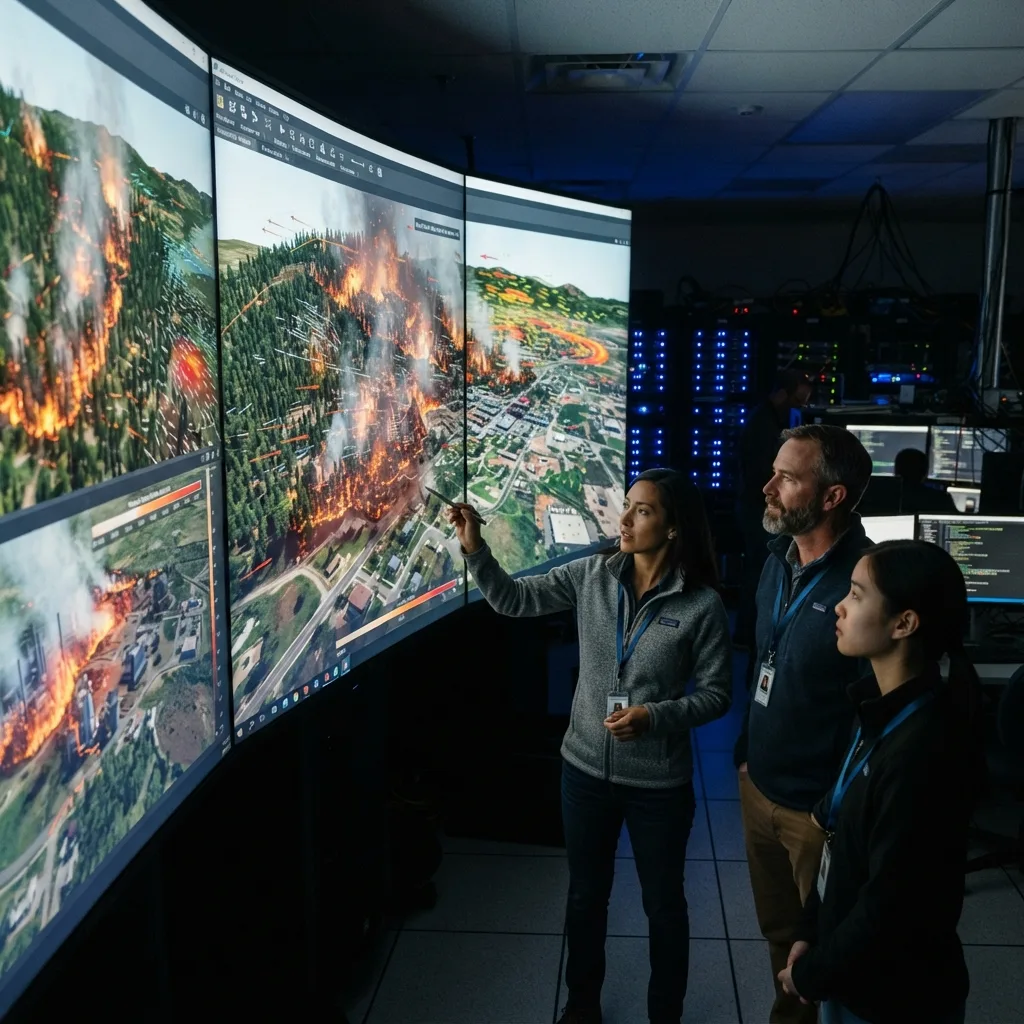
Orbital MODIS/VIIRS satellites paired with neural network models analyze thermal anomalies, fuel moisture, and wind shear to predict real-time wildfire propagation paths.

AI and Satellite Wildfire Earth Observation

Metallurgy, Ceramics, and Cultural History

The flame that forged human civilization.

Controlling kiln temperatures unlocked clay ceramics, bronze alloys, steel forging, and glassblowing, establishing the material foundations of human technological history.

Metallurgy, Ceramics, and Cultural History

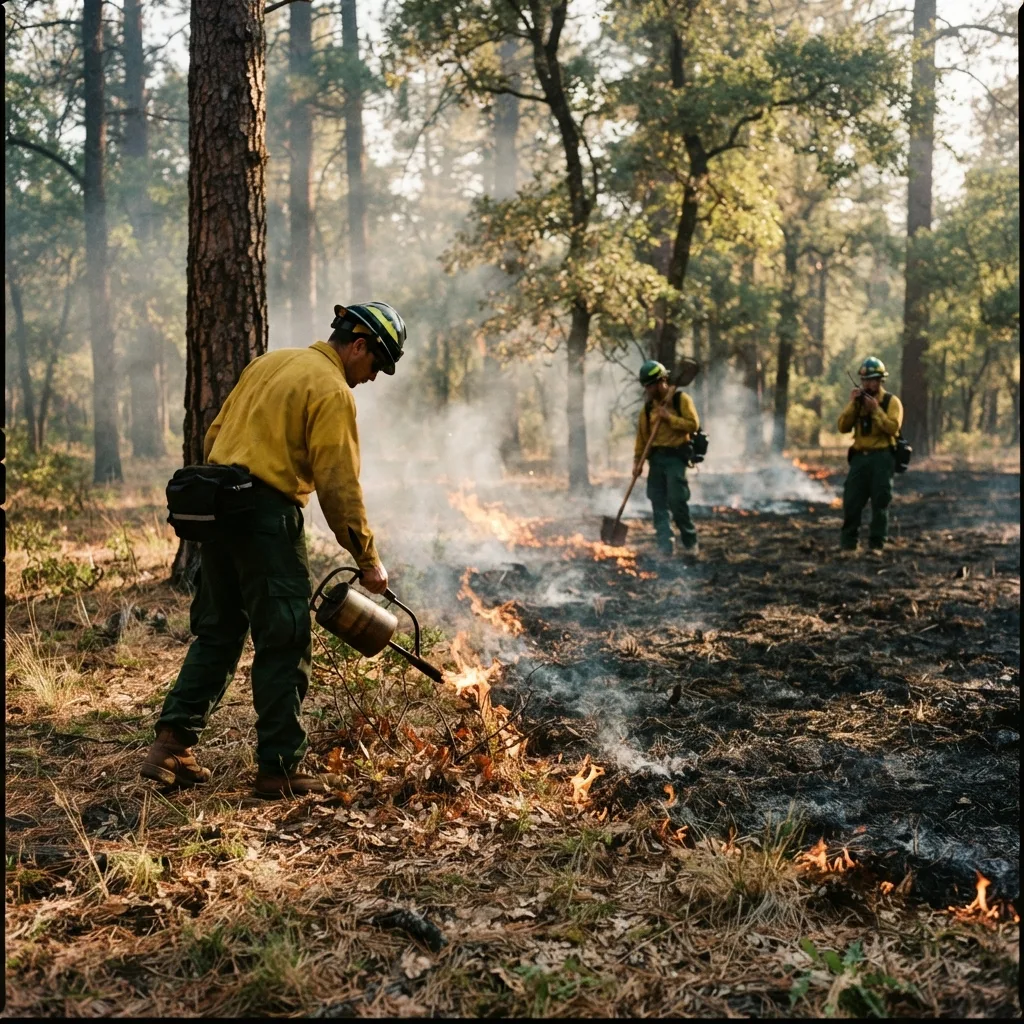
Ecological Prescribed Fire Management

Reclaiming fire as an ecosystem tool.

Controlled low-intensity prescribed burns clear accumulated forest understory fuel loads, recycling soil nutrients and preventing uncontrollable catastrophic wildfire events.

Ecological Prescribed Fire Management

Extraterrestrial Combustion Research

Alien fires in exotic planetary atmospheres.

Astrophysicists model hydrocarbon combustion regimes in dense methane atmospheres on Saturn's moon Titan and high-pressure carbon dioxide envelopes on Venus.

Extraterrestrial Combustion Research

Smoldering and Flameless Heterogeneous Combustion

Silent invisible oxidation.

Heterogeneous surface oxidation produces smoldering combustion without visible gas-phase flames, slowly consuming polyurethane foam, peat, and organic insulation over days.

Smoldering and Flameless Heterogeneous Combustion

Technology wields fire in ways ancient ancestors could never fathom.

12

Mathematics and Predictive Modeling

20,000 meters

Arrhenius equations, supercomputer fluid dynamics, combustion synthesis.

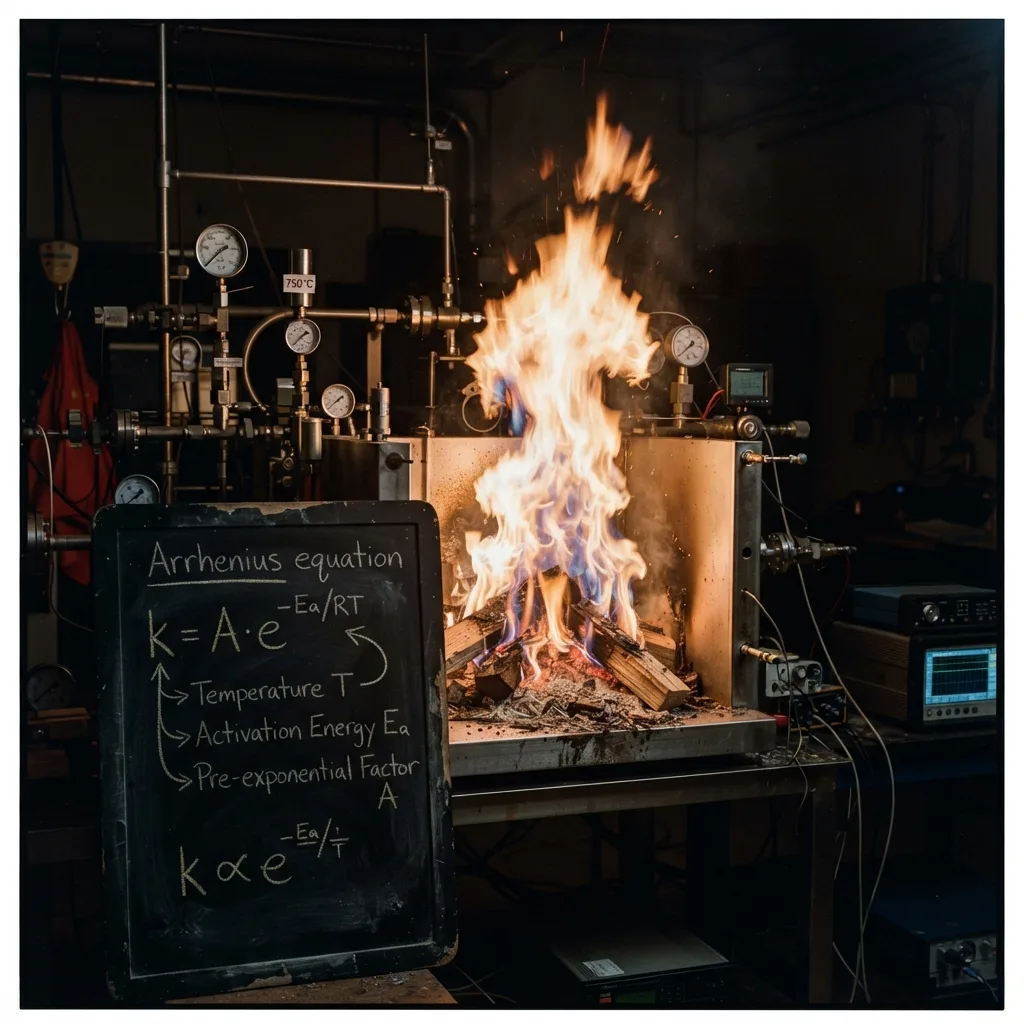
Arrhenius Kinetics and Chemical Rate Equations

The mathematical formula of combustion.

The Arrhenius equation governs temperature dependence of reaction rate constants, allowing chemical engineers to model explosive reaction kinetics and thermal runaway thresholds.

Arrhenius Kinetics and Chemical Rate Equations

Computational Fluid Dynamics (CFD) Fire Modeling

Supercomputing virtual fires.

NIST's Fire Dynamics Simulator (FDS) utilizes Navier-Stokes turbulence equations to simulate smoke flow, heat transport, and sprinkler activation in complex building architecture.

Computational Fluid Dynamics (CFD) Fire Modeling

Self-Propagating High-Temperature Synthesis (SHS)

Materials creation through combustion.

Combustion synthesis exploits exothermic chemical wave fronts to synthesize advanced structural ceramics, intermetallics, and nanomaterials in milliseconds without furnace heating.

Self-Propagating High-Temperature Synthesis (SHS)

Water Mist Micro-Droplet Vaporization Paradox

High-pressure water mist physics.

High-pressure water mist nozzles atomize droplets into sub-100 micron sprays, creating immense surface area that rapidly vaporizes, absorbing heat and displacing oxygen via steam expansion.

"Microscopic water droplets vaporize to smother fire instantly."

Water Mist Micro-Droplet Vaporization Paradox

Rocket Propulsion and Supersonic Scramjets

Taming supersonic flames.

Supersonic combustion ramjets (scramjets) maintain stable combustion in airflows exceeding Mach 5—a fluid mechanical feat akin to keeping a lit match burning inside a hurricane.

Rocket Propulsion and Supersonic Scramjets

Fire calculated, predicted, and numerically bounded. Almost.

13

The Abyss

Infinite meters

Fire as cosmic metaphor, Heraclitean primordial archē, and energy-matter bridge.

Dual Symbolism of Destruction and Enlightenment

The double-edged flame.

Fire embodies the dual nature of existence: essential for light and warmth, yet inherently destructive. It symbolizes irreversible transformation and primordial illumination.

"Knowledge is fire: it illuminates, yet burn those who touch it unworthily."

Dual Symbolism of Destruction and Enlightenment

Heraclitean Archē: All is Fire

Eternal change as cosmic foundation.

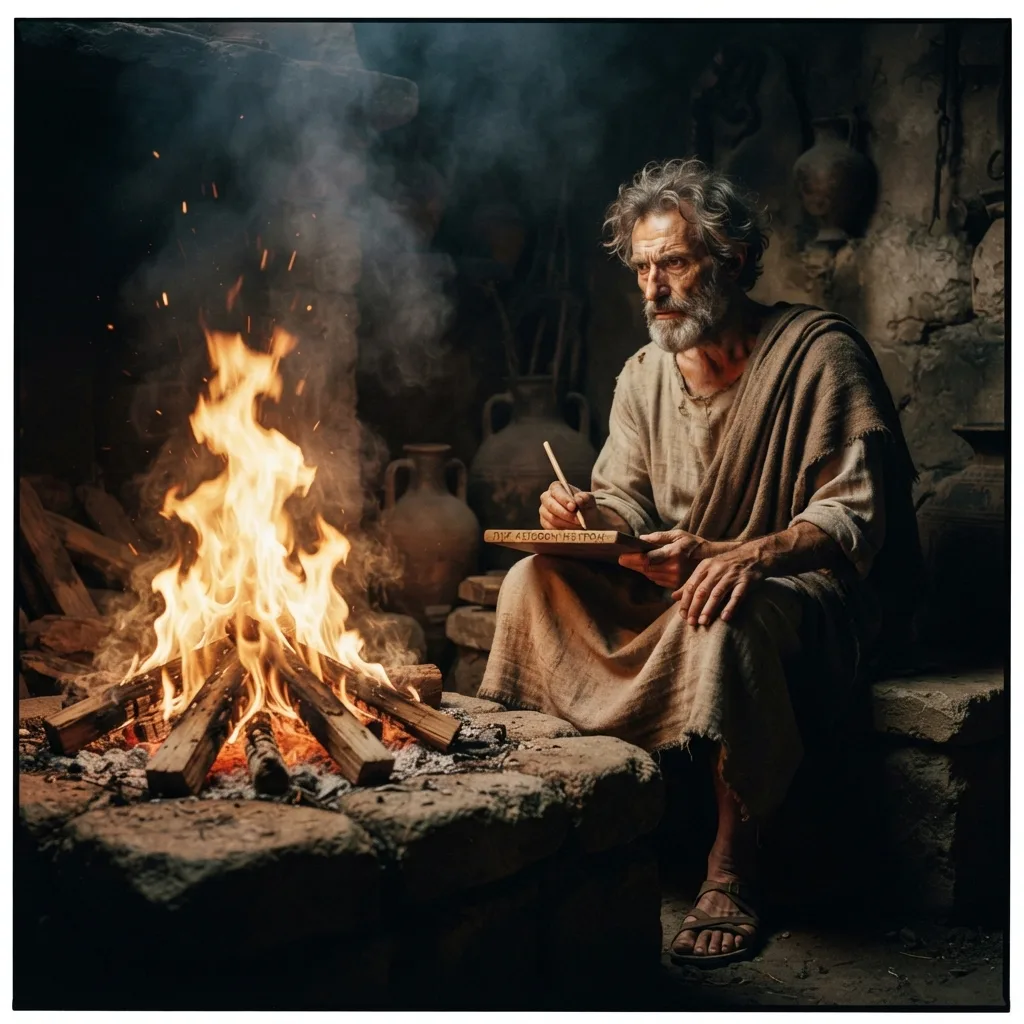
Pre-Socratic philosopher Heraclitus postulated fire as the fundamental archē of the cosmos—an ever-living fire rekindling in measures and going out in measures, representing eternal flux.

Heraclitean Archē: All is Fire

Stellar Nucleosynthesis and Cosmic Pyres

Star deaths birthing chemical elements.

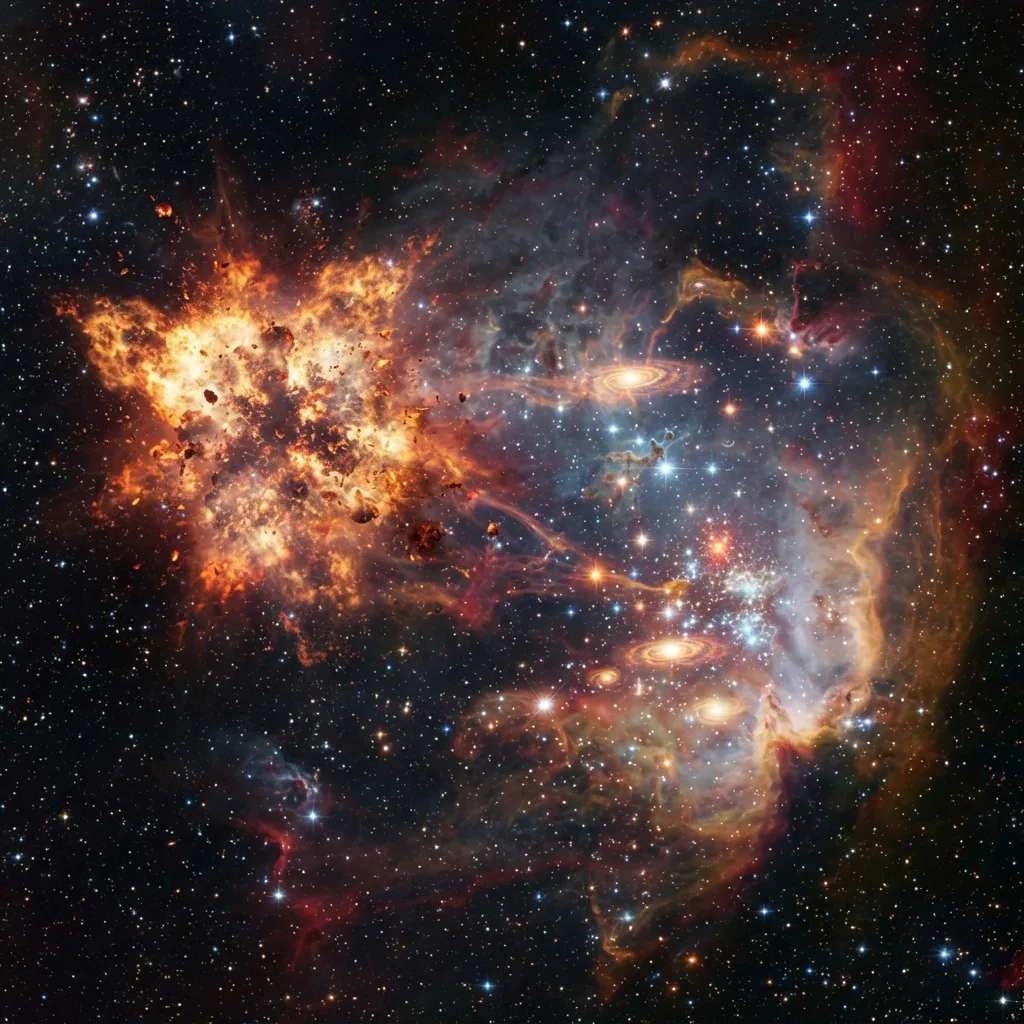
Stellar cores fuse hydrogen into helium, culminating in massive supernova nuclear explosions that forged every heavy element in your bloodstream. We are literal stardust from cosmic fires.

Stellar Nucleosynthesis and Cosmic Pyres

Lightning and Volcanic Primordial Energy

Did fire ignite the prebiotic soup?

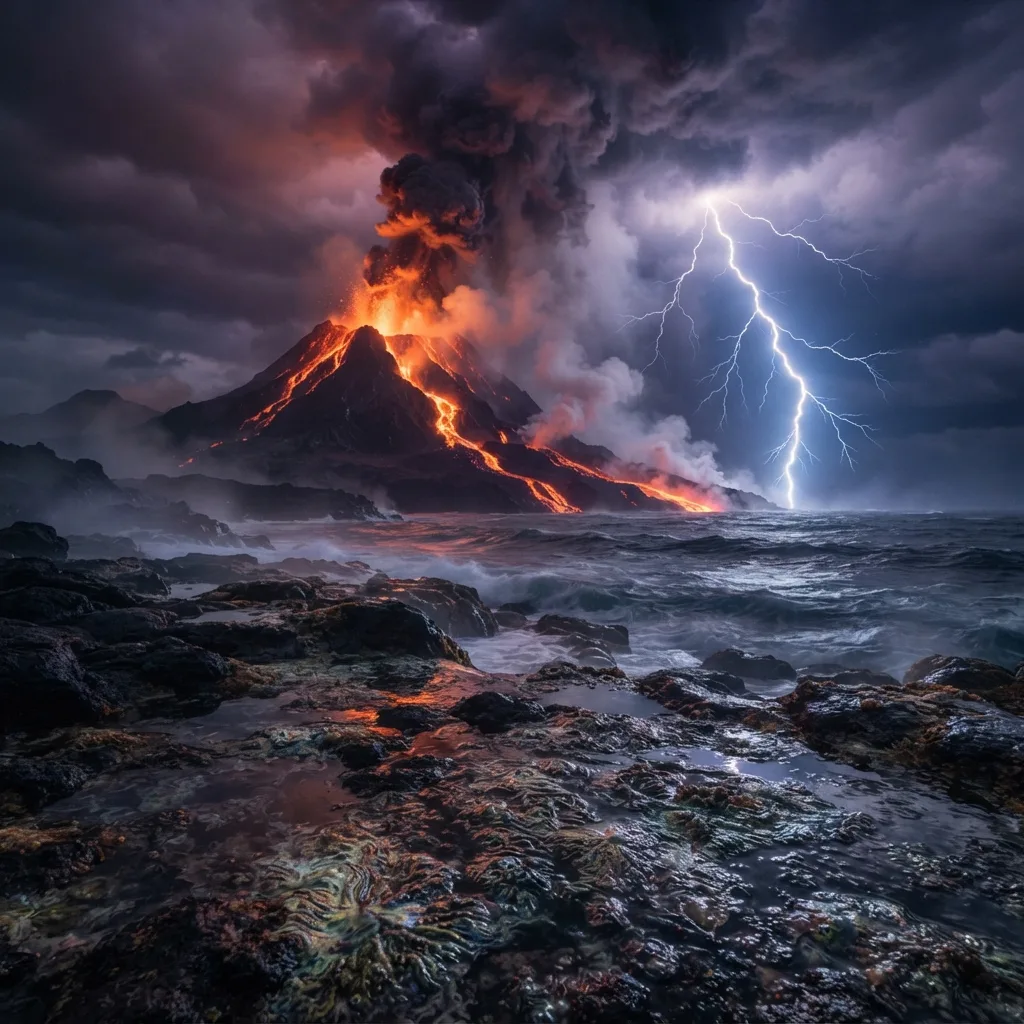
Volcanic lightning and hydrothermal geothermal heat supplied critical activation energy to synthesize amino acids and nucleobases from primordial inorganic atmospheric gases.

"What if life was sparked by lightning fire?"

Lightning and Volcanic Primordial Energy

Mass-Energy Conversion at the Horizon

Matter dissolving into light.

At the deepest level of physics, combustion converts chemical potential energy into photons and kinetic heat. Fire is the macroscopic bridge where tangible matter dissolves into pure radiant energy.

Mass-Energy Conversion at the Horizon

You have reached the core abyss of energy.

Nivel 1/130 meters

Has llegado al fondo.

Todo iceberg termina aquí.

Pero siempre hay otro esperando
ser explorado.

Explorar otro iceberg